How Much Does It Cost to Fix a Scratch on Your Car?

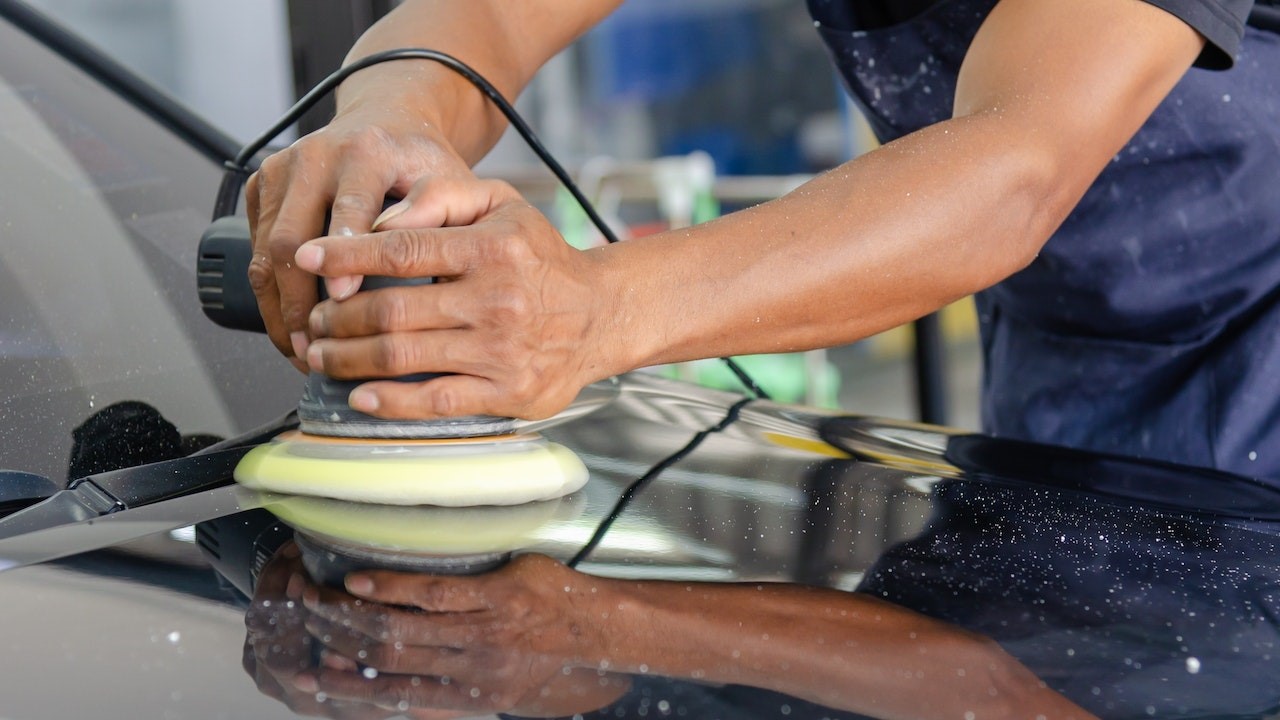
Man Buffing a Car | Goodwill Car Donations Photo by Khunkorn Laowisit under Pexels License

This guide walks you through everything you need to know about car scratches, including what causes them and how to identify the type of scratch you’re dealing with or how much each type typically costs to repair. You’ll see what you can safely fix on your own and when you should let a professional handle the job. You’ll learn how to prevent new scratches and how to decide if repairs are worth it for an older vehicle, but most importantly, why donating an unwanted car to Goodwill Car Donations can be a smart and impactful choice for both you and your community.

Perhaps you had a run-in with an aggressive driver who grazed your bumper, or maybe someone carelessly scraped your car with a shopping cart. Now your treasured vehicle is left with a noticeable scratch. Besides ruining the clean look of your paint, that damage can begin harming the metal underneath if you leave it unaddressed.

Ignoring the scratch can lead to rust and corrosion that spread to other parts of your car. If you want to protect your investment and avoid lowering the resale value, you need to have that scratch fixed as soon as possible.

How Do I Find Out How Much It Costs to Fix a Car Scratch?

The cost of fixing scratches depends heavily on several factors like depth or size. Goodwill Car Donations helps you understand the types of car paint scratches and what you can expect to pay to repair them so you know exactly what steps make sense for your situation.

Scuffs and Clear Coat Scratches

Although clear coat scratches are deeper and longer than simple scuffs, both stay on the surface layer of your car’s paint. These kinds of marks usually happen when your car gets hit by small road debris or when passing vehicles throw pebbles and stones your way.

Since scuffs and clear coat scratches are light and superficial, you can usually fix them easily. A DIY touch-up kit or rubbing compound from your local auto parts store often solves the issue. If you’d rather have a pro take care of it, expect to pay under $100 at a body shop for a professional finish.

Primer Scratch

Manufacturers apply primer beneath the paint to give your vehicle a smooth, shiny finish. A primer scratch is deeper than a clear coat scratch but hasn’t yet reached the bare metal. This type of damage is more noticeable but not severe. The repair cost varies based on depth and size, and you should be ready to spend between $500 and $1,000 for proper restoration.

Deep Paint Scratch

Scratches caused by heavy impact that expose your car’s metal are the most serious and expensive to fix. Auto shops typically charge between $800 and $1,500 for a complete repair that restores the appearance and protects the metal from rust.

How Do I Best Dispose of an Unwanted Vehicle?

If your car spends more time being repaired than being driven, it may be time to let it go. Donating it to Goodwill Car Donations makes that process simple. You free yourself from the ongoing stress and expense of keeping an unwanted vehicle, and at the same time, you help individuals in your community who are facing barriers to employment.

Once you donate, our team auctions your vehicle and gives the proceeds to the Goodwill organizations operating in your area. These IRS-approved 501(c)(3) nonprofits assist individuals dealing with disabilities, limited education, lack of skills or job experience and other challenges such as a criminal record or long-term reliance on welfare. These barriers often prevent them from securing stable income and achieving independence.

Your local Goodwill organizations use the funding from your donation to provide job and skills training, vocational support, scholarships, financial assistance, disability benefits, family services and other essential community programs.

As a donor, you receive meaningful benefits. These include free towing from anywhere in the United States, plus the opportunity to claim the maximum tax deduction during the next tax season.

However, the best reward is knowing that your contribution helps people build stronger, more stable lives.

You can donate nearly any type of vehicle, whether it runs or not.

For more details about our donation program and simple process, visit our FAQs page. You can also call our 24/7 hotline at 866-233-8586 or message us here if you have any questions.

What Factors Affect Scratch Repair Costs?

When you’re trying to understand why scratch repair pricing varies so much, it helps to break down the main factors that influence cost: type, depth, location and labor. Each one affects the final total you’ll pay.

  • Type matters because not all scratches are equal. Surface marks only affect the clear coat, while deeper ones reach primer or metal. The deeper the damage, the more time, materials and skill required to repair it.
  • Depth plays a huge role because repairing a light mark may only require polishing, while deeper scratches need sanding, repainting, blending and sealing. More steps mean more cost.
  • Location on the vehicle affects difficulty. Scratches on flat panels like doors or hoods are easier and cheaper to repair. Curved areas, bumpers or spots near edges require more precision and can cost more.
  • Labor varies by shop and region. If your area has higher labor rates, every part of the repair costs more. Some shops also specialize in paint restoration and may charge more because of their expertise, equipment and tools.

Understanding these factors helps you know what to expect when you bring your car in for evaluation.

How Can I Tell What Kind of Scratch I Have?

Before you decide how to fix a scratch, you need to identify what type it is. You can do this by evaluating the various features and qualities of the mark.

Depth gives you your first clue. If you can barely feel the scratch with your fingertip, it’s likely only in the clear coat. If your nail catches, it may reach primer. If it feels deep or rough, it may have reached bare metal. Texture can tell you even more about your scratch. Light, shallow scratches feel smooth because they only disrupt the top layer. Deeper ones feel sharp or uneven.

Meanwhile, the color of your scratch can help you identify how severe it is. If the scratch looks white or matches the clear coat, it’s probably shallow. If you see a dull gray layer, that’s primer. If you see silver metal, the damage is deeper and needs professional attention.

Once you know the type of scratch you’re dealing with, you can choose the right fix.

What Are the Cheapest Ways to Fix Minor Scratches?

If your scratch is minor, you can repair it cheaply without sacrificing quality. The most affordable techniques include:

  • DIY kits. These are available at most auto parts stores. They typically include rubbing compound, polishing pads and sometimes clear coat. They work well for surface-level scratches and cost far less than professional repairs.
  • Polishing. This is effective when the scratch hasn’t penetrated the clear coat. A microfiber cloth and polishing compound may be all you need to remove or minimize the mark.
  • Touch-up paint. Use this on slightly deeper scratches that have marked the color coat but haven’t reached primer or metal. You can purchase paint pens or small bottles matched to your car’s color code.

By choosing the right affordable method, you save money while still improving your car’s appearance.

When Should I Let a Professional Handle It?

While minor scratches are manageable at home, deeper or rust-prone scratches should always be handled by a professional. Professionals have specialized equipment, controlled environments and advanced techniques to ensure your paint is repaired correctly.

If the scratch reaches primer or metal, a pro prevents rust from forming. If the damage is wide, a pro can blend paint so the repaired area matches the rest of your vehicle perfectly. If the scratch is in a tricky spot, like a curved bumper, professional repair prevents uneven paint or visible marks.

Choosing professional repair for severe damage protects your car in the long run.

How Can I Prevent Future Car Scratches?

You can reduce future scratches by making a few simple changes to your daily habits. The most effective strategies involve careful parking and regular waxing.

Careful parking means choosing spots away from carts, crowded spaces or vehicles parked crookedly. Parking farther from store entrances often leads to fewer dings and fewer vehicle scratches.

Additionally, regular waxing helps to create a protective barrier between your paint and the outside world. Wax helps deflect small debris, reduces abrasion and makes it harder for auto scratches to penetrate the clear coat.

Prevention takes less time and money than repair and helps your car stay nicer, longer.

Is Fixing a Scratch Worth It for Older Cars?

Whether it’s worth repairing a scratch on an older car depends on its value, condition and your long-term plans.

If your car still runs well and you plan to keep it, repairing scratches preserves its appearance and prevents rust. If you want to sell it soon, eliminating visible damage can boost resale value.

However, if your car needs multiple repairs or costs more to maintain than it’s worth, it may not make financial sense to keep fixing scratches. In those situations, you may find that donating the vehicle brings you more personal and financial value than repairing it through an auto repair shop.
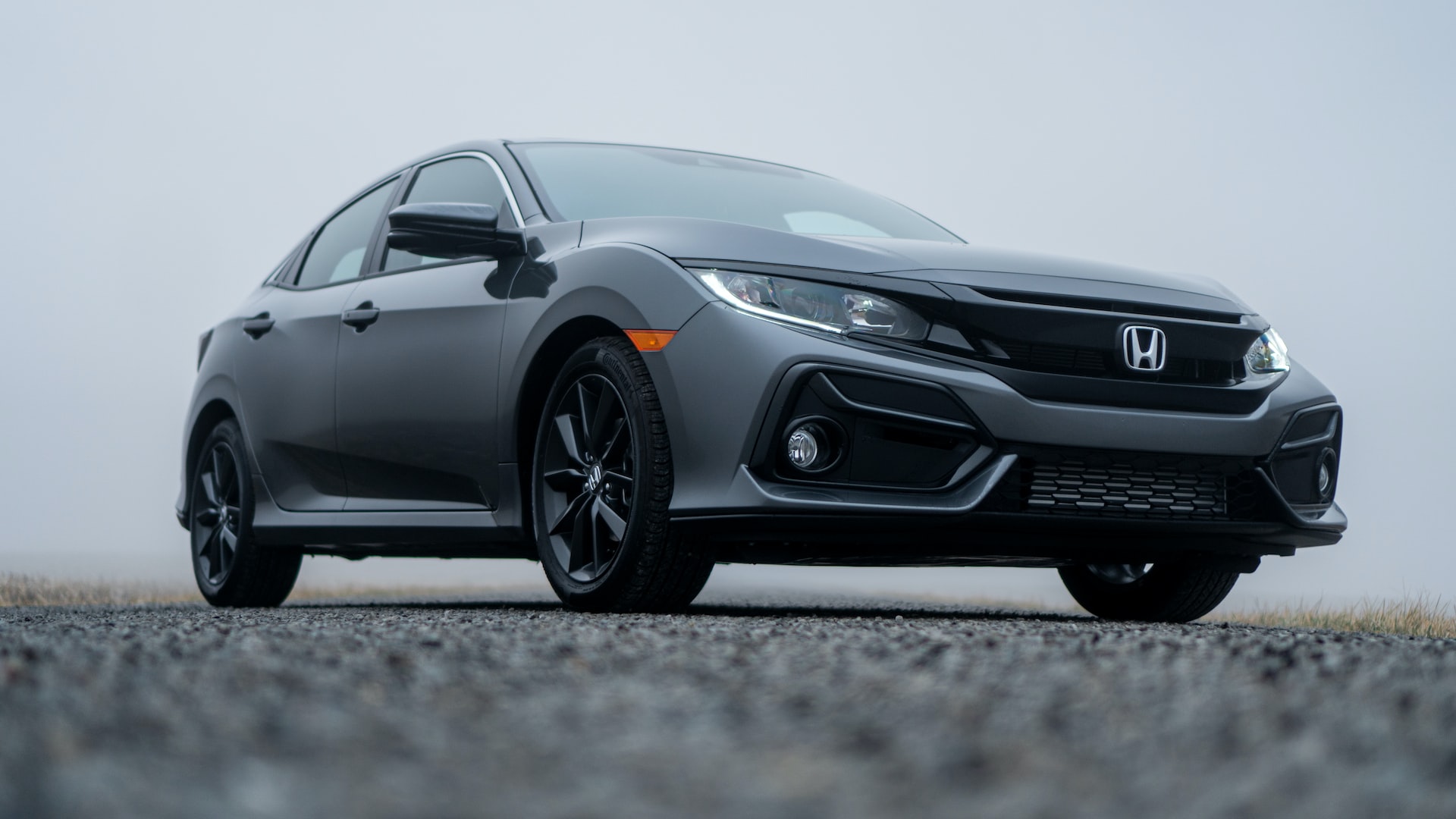
Gray Honda Car | Goodwill Car Donations Photo by Zach Vessels under Unsplash License

Use Your Old Ride to Uplift Lives Today!

Instead of letting your old sedan sit unused in your garage, turn it into something that genuinely helps people in need. Your vehicle donation becomes a powerful resource for individuals and families working to build better lives. To begin your donation, call Goodwill Car Donations at 866-233-8586 or fill out our secure online donation form now.
Car Insurance 101: 10 Terms You Need to Know

car insurance | Goodwill Car Donations Photo by Giovanni Spoletini under Pexels License

Learn How to Decode the Words in Your Car Insurance Policy

When you’re purchasing a new car and shopping around for insurance, you need to understand your options for the types of insurance coverages you want. While some of them protect you, your passengers, and your vehicle, others offer protection if you cause damages or injuries to another driver.

If you’re not familiar with the machinations of the insurance industry, you’ll encounter different terminologies that may sound like gibberish as you read through your car insurance policy. Taking the time to understand them is extremely important.

Car Insurance Terms You Should Know

Getting into an accident without auto insurance can leave you paying for hundreds of thousands of dollars in damages and injuries. Understanding what’s covered and what’s not in case you or another driver using your car causes an accident that damages another party’s car or injures its driver or passengers is of utmost importance. To help you decode the mystifying language in your car insurance policy, Goodwill Car Donations outlines the basic terms you need to know.

  1. Principal Driver

The person who drives the insured vehicle the most is called the principal driver.

  1. Name Insured

The name insured is who the policy covers. Moreover, it’s the primary person the insurance is issued to.

  1. Primary Use

Primary use pertains to what you primarily use your car for, whether you use it to commute to work, run errands, or drive around town. When purchasing auto insurance for a car used for your business, you’ll have to talk to your agent to ensure proper coverage for a business vehicle.

  1. Fault

Fault refers to how responsible an individual is for an accident. Furthermore, this term determines whose auto insurance is going to pay out for what part of the damage. The person at fault is the one who caused the accident.

  1. Covered Loss

Covered loss is what your insurance provider will pay for if the accident caused damage to you, your vehicle, the other driver, or their vehicle. Since what’s covered depends on the coverages you purchased, keep in mind that your car insurance may not cover everything. For this reason, you need to pay attention to the covered losses or causes of damage that are outlined in your policy.

  1. Declaration Page

The declaration page gives you a clear snapshot of what your insurance policy is all about. In other words, it’s a high-level overview of the types of coverages you have for the vehicle on your policy. In most cases, the declaration page summarizes the coverages you purchased, the limits for these coverages, and how much these coverages cost.

  1. Deductible

The deductible refers to the amount you agreed to pay out of pocket in the event of a claim. You have your portion of the claim and your insurance provider has theirs. Their portion is way more than yours.

  1. Limit of Coverage

The limit of coverage determines the maximum amount that your insurance provider pays for specific coverages.

  1. MVR (Motor Vehicle Report)

An MVR refers to a record that the state holds, which outlines your driving history from the past years. Furthermore, this report details your license status, license suspensions, traffic violations, and accidents.

  1. Car Insurance Premium

Your car insurance premium refers to the amount of money you pay for your auto insurance. The price tag of your policy depends on several factors, such as your driving history, address, age, the vehicle you drive, what you’re using the vehicle for, the deductible and coverages you chose, and your credit score.


Has Your Car Become Prone to Breakdowns? Here’s What You Can Do

Your auto insurance protects you against financial loss in the event of a road accident or theft. However, that may not give you total peace of mind if the old car you’re driving has become prone to breakdowns. If fixing all issues bugging your vehicle would cost you a fortune that’s too much for you, consider letting go of that auto by donating it to us at Goodwill Car Donations. We’ll give it a new and worthy purpose by using it to uplift the lives of the disadvantaged people in your community.

Our team will have your vehicle fixed before auctioning it off. We’ll then turn over the proceeds to the Goodwill organizations serving your area. These IRS-certified 501(c)(3) nonprofits are dedicated to helping disadvantaged Americans — those who are suffering from disabilities, lack of education, job experience, or essential skills, and other limiting personal issues, such as being a former inmate or having a welfare mentality.

Your local Goodwill organizations will use the funding sourced from the sale of your donated vehicle to sustain their delivery of life enhancement services to deserving residents of your community. Thanks to your donation, more disadvantaged folks in your area will be able to benefit from free Goodwill job and skills training, vocational services, and scholarships, as well as financial assistance, disability benefits, family support, and other vital support services.

You’ll also benefit from your charitable contribution since this will entitle you to claim the maximum tax deduction in the next tax season. Moreover, we’ll provide you with our free professional pickup and towing service at your convenience anywhere in the country.

Best of all, you’ll find great satisfaction in doing something that will benefit your entire community, with once idle members getting great opportunities to harness their full potential, leading to their attainment of financial security.

Don’t hesitate to donate any type of vehicle regardless of its year, make, model, mileage, or working condition. We’ll take your car, truck, van, RV, motorcycle, or riding lawnmower as it is.

For more information about our vehicle donation program, including our quick and easy donation process, feel free to check out our FAQs page. If you have questions, don’t hesitate to call us anytime through our toll-free hotline at 866-233-8586 or leave us a message here.

Help Your Disadvantaged Neighbors Today!

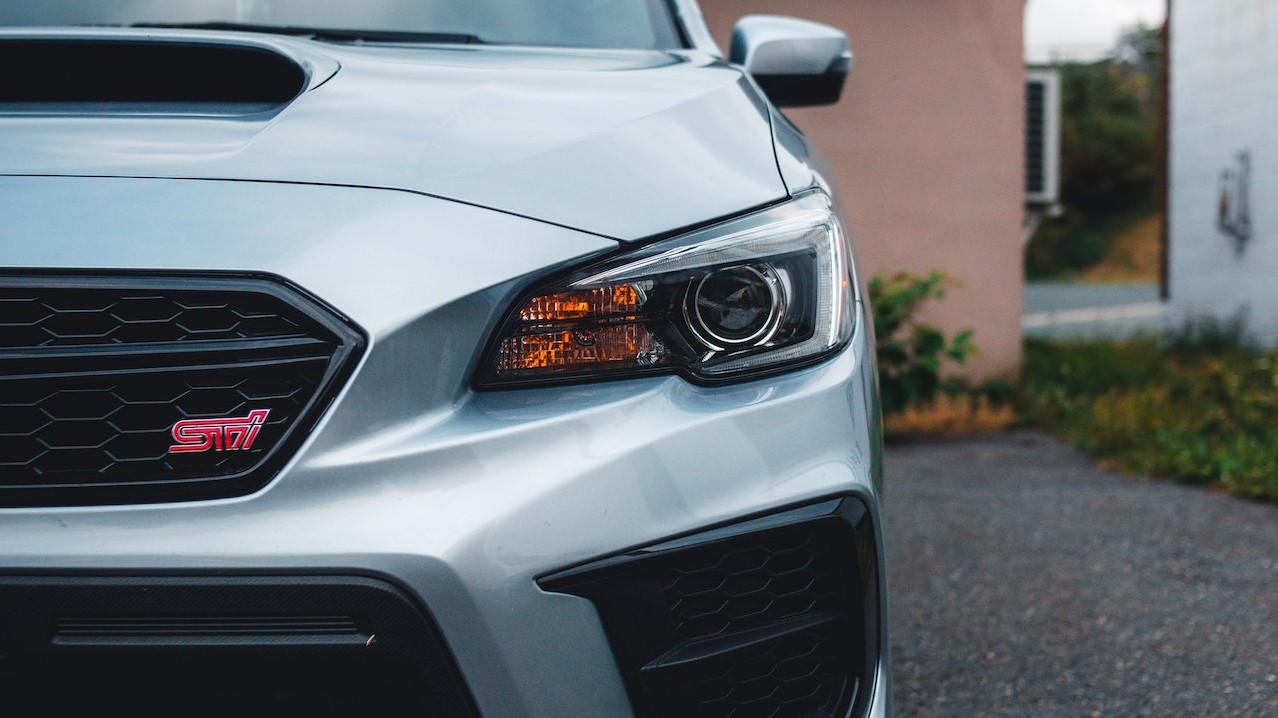
Headlight of a Silver Subaru Car | Goodwill Car Donations Photo by Erik Mclean under Pexels License

Help your less fortunate neighbors achieve a better quality of life even as you help spur growth and progress in your community. Your car donation will see to that. Call Goodwill Car Donations at 866-233-8586 or fill out our secure online donation form now!


Best RV Types For Families

RV camping | Goodwill Car Donations Photo by Roadpass under Unsplash License

Find the Right RV That Suits Your Family’s Taste, Style, and Needs

Going on an epic road trip is one of the most exciting things you can do with your family. However, if you’re looking to take the experience to the next level, you’d want to end up with the right RV before you hit the road. If renting one isn’t in the cards, perhaps buying one is.

However, finding the best RV that suits your family’s taste, style, and needs can be a daunting task. You’ll have to consider several factors including your budget, frequency of use, kitchen space, and more. You may even have to look for an RV that comes equipped with an office if you’re a digital nomad who needs a quiet space to work.

What Are the Best RV Types for Families?

When it comes to RV shopping, you need to take your time. Since this type of vehicle is a huge investment, you’d want to make sure that you pick the best one for you and your family. Goodwill Car Donations gives you the lowdown on the best family-friendly RV types on the market.

  1. Travel Trailer

What could be better than getting an RV that has multiple rooms, bathrooms, and amenities at an affordable price? A travel trailer is essentially a box on top of a frame that rolls. Thanks to its completely hard sides and a roof you can walk on, this easy-to-tow package provides an added layer of security if you’re looking to tow a bit more load.

Although a travel trailer doesn’t offer much storage capacity by weight and volume, this towable classic RV weighs the least compared to other RV types. This means that it doesn’t require a large vehicle to haul it.

  1. Fifth Wheel

If you’re looking for a second home away from home that features high ceilings, massive space, and multiple amenities, you can’t go wrong with a fifth wheel. Since this large unit needs to latch onto a tow vehicle, it’s the best option for a family that has a truck or another type of heavy-duty tow vehicle.

Unfortunately, a smaller tow vehicle won’t be able to handle a higher payload for this type of RV with a higher towing capacity. Although a fifth wheel is typically more expensive than a travel trailer, it costs less than a Class C motorhome, which has its own engine.

  1. Class C Motorhome

Unlike the previously mentioned towable options, a Class C motorhome is a motorized RV that provides you with a natural driving feel. This vehicle won’t require you to hook up a trailer or mess with a hitch, airbags, or sway bars. Plus, it allows you to get to your destination faster because it requires a lot less time to set up and tear down.

Moreover, a Class C RV features large slide-outs, multiple sleeping areas, either basic or luxurious amenities, and more than enough room for nearly anything you’d want to bring along. It can also tow a small vehicle, making it an excellent choice for family vacations.

Planning to Replace Your Old Vehicle with a New One?

If you have an old RV or any other vehicle that no longer has enough space for your growing family or you simply want to replace it with a newer and better vehicle, consider donating it to us at Goodwill Car Donations. We’ll use it to uplift the lives of the disadvantaged residents of your community.

Our team will put your vehicle up for auction and turn over the proceeds to the Goodwill organizations serving your area. These IRS-approved 501(c)(3) nonprofits cater to disadvantaged Americans — those who have disabilities, lack education, job experience, or essential skills, and other limiting personal issues, such as having criminal records or a welfare mentality.

Your local Goodwill organizations use the funding we give to provide their beneficiaries with job and skills training, vocational services, scholarships, financial aid, disability benefits, family support, and other types of vital support services.

While helping the underprivileged members of your community with your car donation, you’ll also get outstanding rewards yourself. These include getting our fast and professional towing service at no cost to you and at a date and place of your choice anywhere in the country.

Your gift will also entitle you to receive the maximum tax deduction in the next tax season.

Moreover, your donation will allow you to savor the satisfaction of serving your community by helping empower your less fortunate neighbors through work and learning.

We take nearly all types of vehicles, including those that are no longer in good shape. You may head over to this page to get a list of the types of vehicles acceptable to us.

To learn more about our vehicle donation program, including our quick and easy donation process, feel free to visit our FAQs page. Call us anytime and any day at 866-233-8586 or message us here if you have any questions or concerns.


Give Your Community a Boost Today!

Family of 4 full-time rv'ing in large 5th wheel | Goodwill Car Donations Photo by Matthew Osborn under Unsplash License

Why hold on to an unwanted vehicle when you can use it to transform lives? When you donate such a vehicle to us, you’ll give your community a boost as you become a life-changer for your disadvantaged fellow residents. Call Goodwill Car Donations at 866-233-8586 or fill out our secure online donation form to make your donation now!


3 Most Popular RVs in America

Most Popular RVs in America | Goodwill Car Donations
Photo by Tim Gouw under Pexels License

Here Are the 3 Most Popular RV Brands in America

Learn how to choose the right RV brand without feeling overwhelmed. You’ll see what sets each brand apart so you can compare build quality, customer support, and key features. This helps you focus on what matters most for your lifestyle.

Explore three trusted RV brands and see which ones fit beginners, families, or experienced owners. Compare models, towing needs, and comfort features to match your budget and travel plans. By the end, you’ll know what to look for, what to avoid, and how to choose an RV that fits your life, whether you plan to rent or buy.

Choosing the right RV brand can feel difficult with so many options and features to compare. If you’re trying to find the perfect home on wheels for you and your family, Goodwill Car Donations can help simplify the process. Here are three of the most popular RV brands in the United States and what makes them stand out.

Grand Design RV

Fifth wheel trailers are a type of towable RV that connect to a special hitch mounted in the bed of a pickup truck. This setup makes them more stable and easier to tow than many other trailers. They often have a raised front section, which creates extra living space inside, such as a bedroom or storage area.

This type of RV works well for families, beginners who want a steady towing experience, and travelers planning longer trips. People often choose fifth wheels because they offer more room, better stability on the road, and a layout that feels closer to a small home compared to other towable options.

If you’re looking for an established brand in the Fifth Wheel RV Trailer market that’s known for its reliable build quality, Grand Design RV won’t disappoint. After conducting standard factory inspections, this company uses a 300-point inspection process performed by a separate entity.

  • Strong build quality designed for long-term use
  • Thorough inspections that catch issues early
  • Reliable performance on the road

The 300-point inspection means each RV is checked in detail, from major systems to small components. A separate team reviews the trailer, adding another layer of quality control. This extra step helps find and fix problems before you take it home. As a result, you’re less likely to deal with unexpected repairs, giving you a safer and more dependable travel experience.

Through the years, the company has consistently covered all the bases, including high-quality and well-designed floor plans, outstanding after-sales service, online support with knowledge bases, and forums to help RVers troubleshoot issues on the road.

Grand Design’s customer support continues after you buy. You can get help with warranty questions, schedule service, and find answers through easy-to-use online resources. Their forums and owner groups let you learn from other RVers who have dealt with similar problems. Fast service responses help you avoid long delays during trips.

This level of support is especially important if you’re new to RVing. It gives you guidance when you’re unsure and helps you fix issues with confidence. For example, if a slide-out stops working while you’re traveling, you can check a guide, ask for advice, or contact support to get back on the road quickly and safely.

Grand Design’s most popular line of trailers and fifth wheels among long-time RVers and first-time owners are Reflection and Imagine. The company also manufactures lightweight versions of its flagship lines, which can be pulled by an SUV or a pickup truck.

These models range from simple, budget-friendly options to more feature-rich layouts with upgraded interiors, larger kitchens, and added storage. Basic models are easier to tow and cost less, while higher-end versions offer more comfort for longer stays. Lightweight options can often be pulled by an SUV, making them a good fit if you don’t want to upgrade your vehicle.

Larger, fully equipped models usually require a pickup truck for safe towing and better control on the road. Many owners choose these lines for long-term use because they are built to last. With proper care, they hold up well over time, making them a solid choice whether you travel occasionally or live in your RV for extended trips.

Newmar Corporation

If you prefer a motorhome that combines driving and living space in one unit, this next option may be a better fit. Class A motorhomes are the largest type of RV and look similar to a bus. They offer spacious interiors with full kitchens, bathrooms, and sleeping areas, giving you a more home-like feel on the road.

These RVs are popular with comfort-focused travelers and full-time RVers who want extra space and convenience. Since everything is built into one vehicle, you don’t need a separate tow vehicle, which makes setup simpler when you arrive at your destination.

This brand has a sterling reputation in the industry from its build quality to its customer service. Aside from its premium and luxury Class A motorhomes, Newmar Corporation also manufactures diesel pushers and gas-powered motorhomes with price ranges that fit every budget.

  • High-end luxury interiors with premium finishes and spacious layouts
  • Smooth, quiet ride with strong engine performance
  • Reliable customer service and long-term support

Newmar is a great fit if you value comfort and plan to spend extended time on the road. Many retirees and full-time travelers choose this brand because it offers a more relaxed, home-like experience. The smooth ride makes long drives easier, while the thoughtful layouts give you space to cook, relax, and sleep comfortably. Since everything is built into one motorhome, setup is simple when you arrive. This makes travel feel less stressful and more enjoyable, especially if you’re visiting multiple destinations or staying in one place for longer periods.

Newmar’s Bay Start Sport, which is its entry-level line, is an excellent choice if you’re looking for an affordable model that comes with a beautiful interior. Its accents include a glass shower door and a kitchen backsplash. However, if ultimate luxury is what you’re after, the Newmar King Aire Model is your best bet. Its features include a bay window, tiled shower, independent front suspension, smart appliances, tiled floor with slide-outs, and polished countertops.

These models give you a range of options, from simpler setups to fully loaded luxury coaches. Entry-level models are easier to drive, cost less, and are often simpler to maintain, making them a good choice if you’re new to motorhomes or travel occasionally. Higher-end models offer advanced features, more space, and upgraded materials, but they can be more expensive and require more upkeep.

The main trade-off is comfort versus simplicity. More features add convenience and style, while simpler models make travel and maintenance easier. A good tip is to match the model to how often you travel. If you take short trips, keep it simple. If you plan longer stays, added comfort may be worth it.

Winnebago Industries

If you’re looking for a brand with a proven track record, experience can make a big difference. Companies that have been around for decades have had time to refine their products and build trust with customers. A long history often means they’ve tested their designs, improved quality over time, and learned what RV owners truly need. This experience leads to smarter layouts, better materials, and more reliable performance. Choosing a well-established brand can give you added confidence that your RV is built to last and designed with real-world use in mind.

Founded in 1958, Winnebago is one of the oldest and most recognized RV manufacturers. It has long been an industry leader, known for building high-quality RVs that meet a wide range of customer needs.

Over the years, Winnebago has reached several key milestones, from expanding its lineup to introducing new designs that improve comfort and usability. This steady growth has helped the brand build a strong reputation for reliability and consistency. Many RV owners return to Winnebago when upgrading, which shows a high level of trust and satisfaction. Repeat buyers often value the brand’s proven quality, familiar layouts, and dependable performance. This long-term loyalty reflects how well Winnebago has met customer needs over time, making it a trusted choice for both new and experienced RVers.

Winnebago offers a full range of RV types, including Class A, B, and C motorhomes, as well as travel trailers and fifth wheels. This wide selection makes it easier for you to find an option that fits your travel style, whether you’re planning short vacations or full-time RV living. If you want something lightweight and easy to tow, models like the Minnie, Micro Minnie, and Hike are strong options. These trailers can often be pulled by many SUVs or smaller trucks, making them a practical choice if you don’t want to upgrade your vehicle.

  • Class A motorhomes: Large, bus-like RVs with full living space, best for comfort and long trips
  • Class B motorhomes: Smaller camper vans, easy to drive and park, great for solo travelers or couples
  • Class C motorhomes: Mid-sized RVs with extra sleeping space, a good balance of size and comfort
  • Travel trailers: Towable RVs that come in many sizes, flexible and often more affordable
  • Fifth wheels: Larger towable RVs with added space and stability, ideal for extended stays

If you’re new to RVing, smaller Class B or C motorhomes and lightweight travel trailers are easier to handle and set up. More experienced travelers often choose larger Class A motorhomes or fifth wheels for added space and features.

A simple tip is to match the RV to how you travel. For short trips, choose something easy to drive or tow. For longer stays, focus on space, comfort, and storage.

Do You Have an Unwanted Vehicle You Can Use to Support Your Community?

Want to make a positive impact in your community? Donate your unwanted vehicle to Goodwill Car Donations. You can give cars, trucks, vans, boats, RVs, motorized wheelchairs, and more, regardless of age or condition. Your donation becomes a powerful way to help people in your community overcome barriers and access new opportunities.

We’ll sell your donated vehicle through an auction and use the proceeds to support the life improvement programs of the Goodwill organizations serving your area. These IRS-certified 501(c)3 nonprofit organizations cater to disadvantaged Americans — those who are burdened with disabilities, lack of education, job experience, or essential skills, and other limiting personal issues, such as being a former inmate or having a welfare mentality.

Your local Goodwill uses proceeds from donated vehicles to fund programs like job training, career services, scholarships, financial aid, disability support, and family assistance.

Donating is simple and stress-free. You can start the process online or by phone without leaving your home. We handle the details for you. When you donate, you may also receive valuable benefits, including free professional towing anywhere in the country at no cost to you.

Your donation may also qualify you for the highest possible tax deduction during the next tax season. More importantly, you’ll feel good knowing your gift helps people in your community build stable incomes and move toward more independent, fulfilling lives.

You can donate nearly any type of vehicle. We accept cars, trucks, vans, boats, RVs, and more, even if they no longer run.

Want to learn more? Visit our FAQs page to see how the process works or contact us anytime by calling 866-233-8586 or filling out our online form.

a man holds his head while sitting on a sofa photo | Goodwill Car Donations
Photo by Nik Shuliahin under Unsplash License

Ready to Support a Noble Cause Today? 

Are you ready to support a noble cause? Use your unwanted vehicle to make a difference in the lives of your disadvantaged neighbors and your community as a whole. Call Goodwill Car Donations at 866-233-8586 or click here to begin your donation process now!


How to Fix a Flat in Under 15 Minutes

Man in Black Jacket and Black Pants Sitting Near Silver Vehicle | Goodwill Car Donations Photo by Andrea Piacquadio under Pexels License

5 Quick Steps to Change Your Flat Tires Like a Pro

Suffering a flat tire while on the road is one of the frustrating things that can happen to any driver. It’s inconvenient, to say the least, as the driver will have to pull over and replace the flat tire with their spare tire.

For drivers who don’t know or have never tried to do this, the experience is doubly disconcerting. If you’re one such driver, you need to learn how to properly and efficiently replace a flat tire.

Luckily, fixing a flat tire isn’t hard to do. As long as you know the steps to do it and have all the tools you need, you can be back on the road in a matter of minutes.

Never deal with embarrassing flats and getting stranded again. Goodwill Car Donations shares these 5 quick steps for replacing your flat tire in under 15 minutes:

Step 1:

Upon experiencing the signs of a flat tire, find a location where you can change your tire safely. Turn on your hazard lights and gradually reduce your speed when pulling over. Don’t make any abrupt turns. Park in a well-lit location.

Step 2:

Turn your engine off, pull up your parking brake, and take out the things you’ll need. They include your spare tire, jack, wrench, and wheel wedges if you have them. You need wheel wedges to further ensure that your vehicle won’t roll while you fix the flat tire. If you’re changing a rear tire, place these wedges in front of the front tires. If your flat tire is at the front, put the wheel wedges behind the rear tires. 

Step 3:

If the wheel has a cover, remove it to expose the lug nuts. Then, use your wrench to loosen the nuts a bit. It is important to remember to loosen the lug nuts before you jack up the vehicle. This way the weight of the vehicle is still on the wheels, preventing them from spinning dangerously while you turn the lugs.

Step 4:

Before jacking up your car, make sure your car is sitting on level ground. Check your service manual to find the appropriate jacking points in your car. Place the jack underneath the vehicle and raise your car until it’s about 6 inches off the ground. Once it’s raised, you can now proceed to unscrew the loosened lug nuts and remove the wheel.

Step 5:

Mount your spare tire on the hub and screw the lug nuts tightly by hand. Once you lower your vehicle back to the ground, use your wrench to tighten them even more. Your wheel should now be secure and you can now safely drive your vehicle again!

Put Your Burdensome Car to Good Use This Way

In case your car is having problems that are a lot more worrisome than a flat tire and having them repaired will deplete your budget and your savings, perhaps it would be wiser if you simply let go of that old sedan and replace it with a new one.

You can still make good use of your unwanted car when you donate it to us at Goodwill Car Donations. We will convert it into a tool for uplifting the lives of the disadvantaged people in your community.

Our team will fix and polish your vehicle before auctioning it off, with the proceeds going to the Goodwill organizations serving your area. These IRS-certified 501(c)(3) nonprofit organizations are dedicated to helping disadvantaged men and women throughout the country — those who are burdened with disabilities, lack of education, job experience, or essential skills, and other limiting personal circumstances, such as being a former inmate and welfare-dependent.

Your local Goodwill organizations use the funding we give to provide their beneficiaries with job training, employment opportunities, scholarships, livelihood assistance, disability benefits, and other vital support services.

Donating a vehicle to us is super easy and convenient. You’ll breeze through our donation process in no time at all!

Your vehicle donation will also allow you to receive valuable rewards, including your entitlement to claim the maximum tax deduction in the next tax season. We will also provide you with our free professional pickup and towing service anywhere in the United States.

Moreover, your donation will bring you immense satisfaction, knowing that you’ll be contributing to the growth and development of your community by empowering your needy fellow residents through work and learning.

We accept almost all vehicle types regardless of their age, mileage, or condition. We take even damaged vehicles or those that are no longer running.

Want to learn more? Head over to our FAQs page. For your questions and concerns, feel free to call us through our 24/7 toll-free hotline at 866-233-8586 or message us here.

Give Your Unwanted Auto a Worthy Purpose Today!

The thought of touching the lives of your less fortunate neighbors and helping bring progress to your community may sound incredible to you. However, your car donation can truly make this happen. Call Goodwill Car Donations at 866-233-8586 or fill out our secure online donation form now!

Photo of Red SUV On Dirt Road | Goodwill Car Donations Photo by Brett Sayles under Pexels License


How to Check the Oil Level in Your Car?

Person Checking the Oil of an Engine | Goodwill Car Donations Photo by Gustavo Fring under Pexels License

4 Easy Steps to Check Your Car’s Oil Level

Checking the oil level in your car is one of the quickest and easiest things you can do when it comes to vehicle maintenance. Knowing how to do this properly is important because if your oil level is too low, your vehicle won’t function smoothly. Worse, if your oil has run dry without you knowing about it, you risk substantial damage to your car’s engine.

Goodwill Car Donations shares these simple steps on how to check your vehicle’s oil level all by yourself.

  1. Pop the hood and locate the dipstick.

Open your vehicle’s hood and find the dipstick. The handle usually stands out so you’ll be able to spot it easily. Generally, it’s located near the engine or toward it and has a brightly colored handle. Depending on your vehicle type or model, this can look like a circle, a hook, or even T-shaped.

  1. Remove the dipstick.

Be sure the engine is cold (or has been off for at least 10 minutes) before you check the oil. Remove the dipstick by twisting or turning the handle. Wipe it with a paper towel or lint-free rag to make it oil-free, then dip it back in as far as it can go. Pull it back out slowly once you’re done dipping.

  1. Inspect the dipstick.

Look at the film of oil on the end of the stick. Note how high the oil film reaches on the dipstick and the condition of the oil, and add or change the oil as needed. Your dipstick should have markings on it that indicate where your oil level is. Some cars have MIN or MAX words on them while others have indicator dots. Where the oil stops after you dipped it back in is the current level of your oil.

  1. Decide on what you should do.

If your oil is at a minimum level or near the lower end of the dipstick, this means your oil is low and you need to add more oil to your engine.  You don’t add oil into the tiny tube that the dipstick sits in. Look for a screw-off cap on top of the largest part of the engine. It could be blank or it could be labeled “oil cap” or something similar. Unscrew that cap and add oil as needed.

If the oil is at the max level or a bit higher, then your oil is at the optimal level and you’re good to go. However, if your oil is above the max level or line, you need to drain some of the oil in your engine. Having more oil than what your engine needs could cause problems, including engine damage.

Do You Have a Car That’s Fit for Retirement?

Knowing how to check the oil level in your car and when to add or change oil is just one of the many things you need to do to keep your car in good condition. However, some things are beyond your control, such as the wear and tear of your auto due to constant and prolonged usage.

If your car has developed issues whose repair would burn a big hole in your pocket, perhaps it would make more sense to just dispose of it and buy a new one.

Your old car won’t go to waste though when you hand it over to us at Goodwill Car Donations. We’ll give it a new and worthy purpose by converting it into a powerful tool for improving the lives of the disadvantaged people in your community.

Our team will have your auto fixed before selling it through an auction. The proceeds will go directly to the Goodwill organizations serving your area. Just like us, these IRS-approved 501(c)(3) nonprofits are committed to helping disadvantaged Americans — those men and women who are saddled with disabilities, lack of education, job experience, or essential skills, and other limiting personal issues, such as having police records or a welfare mentality.

Your local Goodwill organizations will use the funding we give to provide their beneficiaries with job training, employment opportunities, scholarships, livelihood assistance, disability benefits, and other essential support services.

You won’t be going home empty-handed after making your donation. Your charitable contribution will entitle you to receive the highest possible tax deduction in the next tax season. You’ll also get a free professional pickup and towing service from us. We will provide you with this service wherever you’re located in the United States.

However, the best thing about donating to Goodwill is the priceless joy and satisfaction you’ll feel when you see the less fortunate people in your community achieve a better quality of life, thanks to your donation.

Feel free to donate almost any type of vehicle regardless of its age or condition. You can donate a damaged car or a truck that’s no longer running.

For more information about our vehicle donation program, including our quick and easy donation process, feel free to check out our FAQs page. If you have any questions or concerns, don’t hesitate to call us anytime through our toll-free hotline at 866-233-8586 or leave us a message here.

Black Pickup Truck on Road | Goodwill Car Donations Photo by Antony Trivet under Pexels License

Uplift Lives By Becoming a Goodwill Car Donor Today!

Create opportunities for the disadvantaged residents of your community to harness their full potential so they can achieve financial independence. Your car donation can help free them from a life of misery. Call Goodwill Car Donations at 866-233-8586 or fill out our secure online donation form now!


How Does a Car Air Conditioning System Work?

How Does a Car Air Conditioning System Work | Goodwill Car Donations Photo by Athena under Pexels License

Take a Closer Look at Your Car Air Conditioning System

If you’re like most car owners, you probably don’t care how your AC system works as long as it gives you a refreshing blast of cold air as soon as you press the button. However, if you’re curious about what goes on behind the scenes, Goodwill Car Donations is here to unravel the mystery.

AC systems are designed to cycle refrigerant, convert it from gas to liquid, and then back again. When the refrigerant is in a cold gaseous state inside the system’s evaporator, outside air is blown over it to cool it before it’s sent to your vehicle’s cabin. It’s easier to understand how the system works if you can visualize the major components that make up an AC system:

  1. Compressor 

The compressor serves as the power unit of your car’s AC system. Manufacturers mount the compressor to the front side of your engine and drive it with a serpentine belt. As it separates the low-pressure side from the high-pressure side, the compressor takes in low-pressure gas and compresses it into high-pressure and high-temperature gas.

  1. Condenser

The condenser looks like a small radiator, usually mounted at the front of the car, right next to the radiator. When the compressor is pressurizing the refrigerant, the condenser works to reduce the temperature and pressure of hot gasses coming from the refrigerant. In addition, the condenser is also responsible for moving the cooled liquid refrigerant to the receiver/dryer.

  1. Evaporator

The evaporator is another form of radiator that does the exact opposite of what the condenser does. It’s usually mounted behind the dashboard and inside the passenger compartment. It changes the refrigerant back to its gaseous state to produce a cooling effect. As outside air from the cabin blows across the evaporator, the air is cooled and dried.

Has Your Car Become a Money-Drain?

If your mechanic finds that major parts of your car, including your AC system, need to be replaced due to damage, if the costs of the spare parts plus labor would drain your savings, perhaps it would make more sense for you financially to just buy a new vehicle.

Don’t worry, you can still make good use of your unwanted auto when you hand it over to us at Goodwill Car Donations. We will turn your auto into a tool for transforming the lives of the disadvantaged people in your community.

Our team will have your vehicle fixed before auctioning it off to generate funds for the Goodwill organizations serving your area. These IRS-certified 501(c)(3) nonprofits cater to disadvantaged Americans — those who are burdened with disabilities, lack of education, job experience, or essential skills, and other limiting personal issues, such as being a former inmate or having a welfare mentality.

Your local Goodwill nonprofits use the funding we give them to provide their beneficiaries with job training, employment opportunities, scholarships, livelihood assistance, disability benefits, and other essential support services.

As a Goodwill donor, you’ll be entitled to a fast and free towing service anywhere in the country. You’ll also have the privilege of claiming the highest possible tax deduction in the next tax season.

Best of all, you’ll find great satisfaction in doing something that will benefit your entire community when formerly idle members get the chance to harness their full potential, eventually enabling them to attain financial security.

At Goodwill, we accept almost all vehicle types. You can even donate vehicles that are damaged or no longer working.

Check out our FAQs page for more information about our vehicle donation program, including our quick and easy donation process. If you have questions, call us anytime through our toll-free hotline at 866-233-8586 or message us here.

Black car parked near building | Goodwill Car Donations Photo by Erik Mclean under Pexels License

Touch Lives with Your Car Donation Today!

If you’re ready to let go of a vehicle you no longer want or need, hand it over to us at Goodwill Car Donations so we can use it to provide opportunities for the disadvantaged residents of your community to live the life of their dreams. Call Goodwill Car Donations at 866-233-8586 or fill out our secure online donation form now!


How Do I Prepare My Car For Summer?

nspecting Car Engine | Goodwill Car Donations Photo by Andrea Piacquadio under Pexels License

Tips for Preparing Your Car for the Scorching Months Ahead

While you may look forward to dry and warm days ahead, the scorching heat of the summer sun can affect your car in several discomforting ways. As such, you need to get your vehicle ready for the hot weather and summer travel ahead.

You know that it’s the perfect time for that vacation you’ve long been waiting for when the kids are out of school, the sun is out, the temps are rising, and the pools are open. However, before you set out for a cross-country trip, it’s best to get your vehicle summer-ready a few weeks in advance. To get you started, Goodwill Car Donations has compiled these tips that you should look into to ensure your safety on the road.

  1. Inspect the brakes.

To check your brakes, you need to take your car for a spin before hitting the brakes. If you hear a grinding sound or sense a vibration, you need to take your vehicle to a reliable mechanic for an inspection. During the process, the specialist will keep an eye out for issues with your brakes, fluid leaks, or problems with your rotors, brake pads, drums, and shoes.

  1. Check the tires.

One of the biggest mistakes people make before going on a summer road trip is forgetting to check all four of their tires. Regardless of the type or brand of your tires, you should check them for signs of under-inflation, which can lead to premature wear, or over-inflation, which can trigger a blowout. You’ll also need to keep an eye out for bulges, cuts, or any object that’s penetrating the tire before you inspect the tread.

When you’re trying to inspect the tire treads, try placing a quarter upside down in the tire treads’ grooves. If the top of Washington’s head becomes visible, that tire is already worn-out and needs replacing. Be sure to replace your winter tires with summer or all-season tires.

  1. Refill the fluids.

Be sure to refill your coolant, engine oil, transmission fluid, brake fluid, and power steering fluid. Check the owner’s manual for the specific amount. You may need a professional mechanic if you’re driving a new car model that comes with a sealed transmission or a power steering system that doesn’t require fluid.

  1. Juice up the battery.

The last thing you’d want is to get stranded in the middle of nowhere due to a dead battery. Before hitting the road, it’s best to pop the hood and check out your car battery’s cable connections. Make sure that these areas are clean and secure. While you’re at it, make sure that the battery is properly attached. You may have to purchase a new battery if the charge is low.

Car Parked on Road Near Trees | Goodwill Car Donations Photo by Erik Mclean under Pexels License

Looking for the Best Way to Retire Your Old Car?

If you have an old car that’s no longer comfortable and safe to drive in summer or any other weather, you can give it a worthy retirement by donating it to us at Goodwill Car Donations. Your donation will become a vital source of support for the disadvantaged men and women in your community.

We’ll have your car fixed before putting it on the auction block. Once it gets sold, the proceeds will go to the Goodwill organizations serving your area. These IRS-certified 501(c)(3) nonprofits cater to men and women who are burdened with disabilities, lack of education, essential skills, or job experience, and other limiting personal issues, such as being a former inmate or having a welfare mentality. These disadvantages prevent them from finding decent sources of income that can enable them to escape from the grip of poverty.

Your local Goodwill organizations use the funding we give them to provide their beneficiaries with job and skills training, vocational services, scholarships, financial aid, disability benefits, family support, and other essential support services.

Expect to receive the 100% tax-deductible sales receipt of your car by mail soon after your vehicle’s auction. You’ll need it to claim your top tax deduction in the next tax season.

Moreover, we’ll provide you with our free towing service at a date and place most convenient to you anywhere in the country.

Your gift will also allow you to savor the satisfaction of serving your community by helping empower your less fortunate neighbors.

We accept nearly all vehicle types, even those that are no longer working.

For more information about our vehicle donation program, including our quick and easy donation process, feel free to check out our FAQs page. If you have questions or concerns, call us anytime through our toll-free hotline at 866-233-8586 or leave us a message here.


Become Your Community’s Hero Today!

If you’re ready to make a difference in your community, don’t hesitate to donate to us any unwanted vehicle you have. Such a donation can make you a hero to the disadvantaged residents of your community. Call Goodwill Car Donations at 866-233-8586 or fill out our secure online donation form now!


Best Boat Types For Families

Happy family on sailboat in sea | Goodwill Car Donations Photo by Sergey Makashin under Pexels License

Here’s How to Find the Perfect Boat for Your Water-Loving Family

For water-loving folks, boats are like portals into another world where the stresses of life can’t possibly reach them. The experience gets even better when shared with people who matter to you the most. After all, there’s nothing like spending quality time with your family at sea on a boat hundreds of miles away from typical distractions inland.

Boating brings parents and kids closer together as they become a “crew” through shared responsibilities and teamwork. If you’re planning to start boating as a family tradition, you’d want to find the perfect vessel that you and your family can enjoy to the fullest.

Top Choices for Family-Friendly Boats

The ideal boat type for you and your family will depend on your boating style, the size of the boat best suited for you and your loved ones, and the accessories it should have. To help you narrow down your choices, Goodwill Car Donations has compiled a list of the best family-friendly boats one of which you can use for your next summer adventure.

  1. Pontoon Boat

If you’re looking for a lifestyle boat that’s perfect for fishing and luxury cruising, you can’t go wrong with a pontoon boat. Thanks to its spacious deck and stable platform, you and your kids can simply kick back and lounge on the water. Some pontoon boats are equipped with powerful engines that allow you to enjoy watersports as well as attachable water slides.

However, this type of boat may not be as capable in choppy waters as large monohull boats. If this is a concern for you, it’s best to opt for a tri-toon, which comes with three pontoons instead of just two. You’ll be surprised at how apt a tri-toon is at handling large waves.

  1. Cabin Cruiser

Since a cabin cruiser is larger than other boat types, it comes with a higher price tag. However, it features amenities such as a power generator, water heater, shore power system, as well as heating and air conditioning. Besides allowing you to visit distant ports, a cabin cruiser expands your abilities to take a family vacation on the water. Cabin cruisers are essentially mobile homes that float. Most of them are outfitted with almost all the things you need to experience fantastic family adventures that can last for days.

  1. Bowrider

If your family’s idea of a good time involves towing water toys, joyrides across the bay or lake, swimming at the beach, or just kicking back on the water, you’d want a bowrider. Since this boat offers versatility, plenty of seating, and easy access to the water, it gets the nod for just about any waterborne activity you can think of.

Looking to Dispose of an Old Vehicle?

Do you have an old boat or any other type of unwanted vehicle that you want to dispose of quickly and with no hassle involved? We at Goodwill Car Donations will gladly accept that vehicle once you decide to hand it over to us.

We’ll have your donated vehicle auctioned off, with the proceeds used to support the community-building and life-changing programs of the Goodwill organizations serving your area. These IRS-certified 501(c)(3) nonprofits are dedicated to helping underprivileged Americans who are burdened with disabilities, lack of education, job experience, or essential skills, and other limiting personal issues, such as having prison records and being welfare-dependent.

Your local Goodwill organizations will use the funding we give them to provide their beneficiaries with financial aid, disability benefits, skills and job training, scholarships, employment opportunities, livelihood assistance, and other vital support services.

As a Goodwill donor, you’ll have the privilege to enjoy a fast and free towing service anywhere in the country. You’ll also be entitled to claim the highest possible tax deduction in the next tax season. Best of all, you’ll experience the joy of knowing that you’ll be helping empower the less fortunate people in your community so they can live productive and fulfilling lives.

We accept nearly all vehicle types regardless of their age or condition.

Know more about Goodwill Car Donations, our mission, and our quick and easy donation process by visiting our FAQs page. You can also call us at 866-233-8586 or leave us a message through our contact form.

Help Empower Your Disadvantaged Neighbors Today!

Side View of a Parked Yellow Van | Goodwill Car Donations Photo by Mathias Reding under Pexels License

Whatever vehicle you donate to Goodwill Car Donations will help a lot in empowering the disadvantaged residents of your community. Your gift can help break the barriers that prevent them from achieving their dreams. Call Goodwill Car Donations at 866-233-8586 or click here to begin your donation process now!


3 Most Common Cars in America

Photo of Blue Car with Black Wheels | Goodwill Car Donations
Photo by Ibrahim Bilgin under Pexels License

Here Are the 3 Most Common Cars in America

Roads across the United States are filled with a wide range of cars, but a few familiar names keep showing up in neighborhoods, parking lots and highways everywhere. These vehicles have built strong reputations over time, making them trusted options for drivers who want value and reliability. If you are curious about what people actually drive and why, this guide will give you a clear and helpful look at three standout sedans that remain favorites across the country.

These vehicles have earned their popularity by meeting everyday needs without making ownership complicated or expensive. Each model offers a balanced mix of performance, comfort and efficiency that appeals to a wide range of drivers. Whether you are commuting to work, driving your family around or heading out on long trips, these cars deliver dependable experiences. From smooth handling to smart features and consistent reliability, these models continue to stand out in a competitive market. If you are considering your next vehicle, these three options are worth a closer look.

Here are three of the most popular car models Americans continue to choose year after year.

What Are the Most Common Car Models Americans Drive?

We live in a country where roads are filled with more cars than almost anywhere else in the world. If you want to know which models stand out as favorites across the United States, take a closer look at the three popular options below:

Honda Accord

    Although it originated in Japan, the Honda Accord feels like a long-standing favorite for drivers in the United States. The Accord first appeared in the 1970s as a strong contender in the mid-size sedan market, and it later began production in the U.S. at Honda’s plant in Marysville, Ohio.

    Experts expect recent Accord models to deliver reliability that matches or exceeds most new sedans. You benefit from strong fuel efficiency, dependable performance and flexible options when it comes to engines and transmissions. The size works well for solo drivers, families or small groups, giving you both comfort and practicality in one vehicle.

    In addition, the Honda Accord remains a budget-friendly choice compared to many other vehicles in its class. Because of this, it continues to rank among the most popular cars in the country and shows no signs of slowing down in popularity.

    Nissan Altima

      Nissan has built a strong reputation as a trusted automaker, and the Altima stands out as one of its most recognized sedans. You get a sleek design, a roomy interior and a driving experience that feels smooth and controlled.

      If you want a vehicle that delivers solid fuel economy and a comfortable ride, the Nissan Altima is a reliable choice. It combines efficiency with modern features that support convenience, safety and everyday usability.

      The Altima also remains competitively priced within the mid-size sedan category, making it a practical option if you want value without sacrificing quality. Its consistent performance and comfort help keep it among the most popular cars in the United States.

      Toyota Camry

        Even as trucks and SUVs grow in popularity, the Toyota Camry continues to hold its place as one of the best-selling sedans in the country. Drivers across many states rely on the Camry for its dependable performance and wide appeal.

        You benefit from a vehicle known for lasting reliability and low maintenance concerns. The Camry has built a reputation for running smoothly over time, which makes it a trusted option for long-term ownership.

        In a competitive market, the Toyota Camry stands out because it consistently delivers durability and value. Its strong track record helps it remain a top choice for drivers who want a dependable and practical sedan.

        Do You Have a Vehicle You Want to Dispose Of?

        Are you thinking about replacing your current car with something like a Honda Accord, Nissan Altima or Toyota Camry? Instead of selling your old vehicle or taking it to a junkyard, you can choose a simpler and more meaningful option by donating it to Goodwill Car Donations.

        We will auction your donated vehicle and send the proceeds to organizations that serve your local community. These IRS-certified 501(c)(3) nonprofits focus on helping individuals who face challenges such as disabilities, limited education, lack of job experience or other barriers to employment.

        Your local Goodwill uses these funds to provide job training, career support, financial assistance, mentoring and other essential services. These programs help people build skills, find work and move toward long-term independence.

        While you support people in your community, you also remove an unwanted vehicle from your property without stress or added cost. We provide free towing and pickup services, making the process simple and convenient for you.

        You may also qualify for a tax deduction when you donate, which adds another benefit to your generous decision.

        Most importantly, you gain the satisfaction of knowing your donation helps create real opportunities for others while supporting your community’s growth and stability.

        We accept many types of vehicles, whether they are running or not, although certain limitations apply.

        For more details about how the process works, visit our FAQs page. If you have questions, you can call our toll-free hotline at 866-233-8586 or contact us online for assistance.

        Woman Sitting on Black Wheel Chair Brushing Her Hair | Goodwill Car Donations
        Photo by Polina Tankilevitch under Pexels License

        How Can You Make a Difference Today?

        Are you ready to help your community and support people who need a fresh start? Contact Goodwill Car Donations at 866-233-8586 or fill out our secure online donation form today to get started.