5 Steps to Take When Your Car’s Dual-Clutch Transmission Fails

Shaking as you pull away, a wait before your car moves, or a transmission warning can make you wonder what comes next. You may fear getting stuck, paying a big repair bill, or giving up a car you still need.

Car dual-clutch failure can mean worn clutches, faulty controls, or damage inside the gearbox. Still, signs alone won’t tell you which part needs fixing. Some issues need a repair to one part, not a whole new transmission.

These five steps will help you spot warning signs, learn about repair choices, and decide if fixing or donating your car makes sense.

How a Dual-Clutch Transmission Works

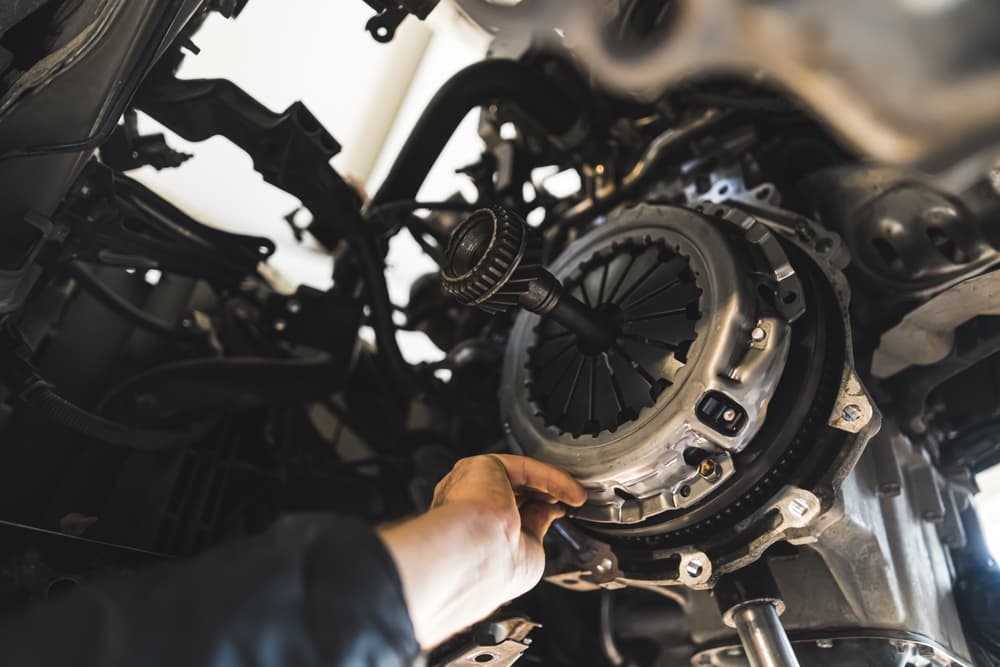
A dual-clutch transmission, or DCT, uses two clutches to send engine power through separate sets of gears. One handles the odd-numbered forward gears, and the other handles the even-numbered gears. The system can get the next gear ready before it finishes a shift.

A DCT is a type of automated manual transmission. Electronic controls and moving parts called actuators work the clutches and choose gears for you. Unlike a standard automatic, it usually uses friction clutches, not a torque converter, to pass engine power to the transmission.

Wet-Clutch vs. Dry-Clutch Designs

Wet-clutch systems keep the clutch plates in fluid to help control heat. Dry-clutch systems work without that fluid bath around the surfaces that grip. A dry-clutch transmission still needs oil or other lubricants for its other parts.

These differences matter when finding faults and planning care. Your car’s exact transmission sets the rules for fluid type, service timing, and repair steps.

Step 1: Recognize DCT Failure Symptoms and Respond Safely

Watch for changes in how your car starts moving, shifts gears, and responds when you press the gas. Note whether problems happen when the car is cold, warmed up, in traffic, or on hills. These details can help a mechanic track down a problem that comes and goes.

Low-Speed Shuddering

Dual-clutch shuddering can feel like shaking or repeated grabbing when you move away from a stop. Worn clutch surfaces, dirt or fluid on those surfaces, or control issues can affect how the clutch grips.

Is low-speed shaking normal, or is your DCT failing? Some DCTs feel unlike standard automatics at low speeds, but shaking that lasts or gets worse needs a check. Some carmakers call for clutch-shudder tests and software updates before deciding whether the clutch needs replacing.

Delayed Engagement and Harsh Shifts

You might choose Drive or Reverse and feel a longer pause than usual before your car moves. Other warning signs include rough shifts, slipping, or rising engine speed without the pickup you expect.

These signs can point to worn clutches, actuators, hydraulic controls on some models, or electronic faults. They don’t prove that a certain part has failed. Don’t press harder on the gas to make the car move.

Warning Lights, Overheating, and Limp Mode

A transmission warning or flashing gear light needs your attention. Some faults turn on limp mode, which limits the gears you can use or how the car runs. Too much heat can trigger a safety shutdown that stops the clutches from passing along power.

Follow the message on your dash and the steps in your owner’s manual. For example, some Hyundai DCT guides say to stop safely and keep the engine running in Park while the transmission cools. Severe dual-clutch transmission overheating can trigger a safety shutdown that stops the clutches from passing along power.

Can You Keep Driving?

There’s no set distance you can safely drive with signs of DCT failure. Loss of power to the wheels, severe shaking, grinding, or warnings to stop mean you should pull over safely and get help.

Don’t rely on gentle use of the gas pedal to work around a serious fault. If the signs seem mild, call a skilled repair shop soon and ask if you need a tow. Tell the tow service your car’s model and what is wrong with its transmission.

Step 2: Get a Professional Diagnosis

Choose a mechanic who knows your type of DCT. A basic fault-code scan can offer clues, but it may not show which part failed or why it broke.

Ask the shop to put its findings in writing before it suggests costly work.

What Causes Dual-Clutch Transmission Problems?

Repeated clutch slipping causes heat and wear. Too much creeping, using the gas to hold your car on a hill, and repeated fast starts can put more strain on the clutch system. Carmakers warn that some stop-start traffic and hill driving can make DCTs run hotter. Other causes include leaking seals, worn parts, actuator faults, and software issues. In wet-clutch systems, the wrong fluid, low fluid, or dirty fluid can cause trouble.

A mechatronic unit brings together electronic and hydraulic controls in many DCTs. A fault in this unit can upset shifting without always harming the whole gearbox. Designs differ, so the tests must fit your car.

What Should the Technician Check?

Tests may cover transmission fault codes, wiring connections, actuator function, leaks, and fluid condition when needed. The mechanic may also check clutch adaptation values, which show changes the system makes as parts work and wear.

Those values must be checked along with other test results. They can’t tell the whole story alone.

Ask if the shop found clutch wear, a control problem, or damage inside the gearbox. Also ask what caused the fault. Replacing a clutch without fixing a leak that dirtied it, for example, could put the new clutch at risk of the same trouble.

Step 3: Understand Your Repair Options

Dual-clutch transmission failure doesn’t always mean you need a whole new unit. The right repair depends on the proven fault, parts you can get, and the carmaker’s repair steps.
Ask the mechanic to explain how the test results support the planned repair.

Software, Clutch, and Mechatronic Repairs

Some cars may need an approved software update or a process that helps the system relearn its settings. Others need a new clutch, actuator repairs, or work on the control unit. A software update can’t fix parts that are worn out or broken.

Clutch repairs may also call for seals, hardware, or a check of the flywheel. Replacing a control unit can mean extra work to program it and set it up. Check that the quote covers all steps needed to make the transmission work as it should.

When Full Replacement May Be Needed

Major damage inside the gearbox or limits on repairs may make a replacement the sensible choice. Ask about new, rebuilt-to-spec, and used units that fit your car.

Compare how soon each is available, warranty terms, and the full cost with installation. A cheaper unit may have a less certain history or need more work. Get a second opinion if the cause is unclear or the suggested repair costs a lot.

Step 4: Compare Repair Costs and Available Coverage

Dual-clutch transmission repair cost depends largely on what went wrong. Fixing wiring, replacing a clutch, and replacing a whole gearbox are separate jobs.

Your transmission type, local labor costs, parts supply, and needed programming also affect the price. A quote for your specific car tells you more than a broad price you find online.

What Should the Estimate Include?

Ask for separate prices for testing, parts, labor, fluids, seals, programming, and required relearn steps. Ask if tests found damage to related parts and if the quote covers a final check of how everything works.

Make sure quotes cover the same work when you compare shops. One clutch quote may cover seals, fluids, and setup, while another covers just the clutch itself. Ask what the shop will do if it finds more damage while taking things apart.

Check Warranty and Recall Information

Before you approve repairs, ask an authorized dealer if your car qualifies for warranty coverage, a service campaign, or extended coverage. The answer may depend on the part, your car’s history, mileage, and the program’s rules.

Use your VIN to check for open safety recalls through NHTSA. Follow the carmaker’s recall instructions and ask the dealer about the fix. A service bulletin gives repair guidance and does not, by itself, mean repairs are free.

Is Repairing the Car Worthwhile?

Repair may make sense if your car is otherwise reliable and the work should give it more useful life. Compare the whole repair bill with the cost of getting another reliable car.
Also think about engine, brake, suspension, or body work you may soon need. Consider time without your car and how much you rely on it. No single repair-cost cutoff makes sense for every owner.

Step 5: Consider Donation If You’re Ready to Move On

If keeping your car no longer works for you, donation is one choice alongside selling or trading it. You don’t have to donate just because the transmission needs repairs.
Goodwill Car Donations can often accept cars that don’t run but meet program rules. Describe the known transmission issues and whether your car starts, rolls, and is easy to reach for pickup.

Ownership Papers and Free Pickup

Start by sharing your car’s details online or by phone. After checking those details, Goodwill Car Donations can set up free pickup and towing for an approved donation.

Have your ownership papers ready. You usually need a signed title, but the rules can vary. Ask what to do before you sign or hand over any papers. The vehicle donation FAQs explain pickup and paperwork.

Donation Records and Potential Tax Benefits

Keep your pickup receipt and the written acknowledgment you get after processing and sale. Having a receipt does not, on its own, mean you qualify for a tax deduction.

For vehicle deductions over $500, the IRS generally limits the deduction to the gross sale proceeds when the charity sells the car, with rules and exceptions that may apply. Check current IRS guidance and ask a tax professional about your own situation.

FAQs About Dual-Clutch Failure and Donation

Does DCT Failure Prevent Vehicle Donation?

Not always. Goodwill Car Donations considers cars with mechanical issues, including ones that don’t run. Acceptance depends on the car and program rules. Explain its condition before you arrange to hand it over.

Should You Repair the Transmission Before Donating?

Ask if your car qualifies before paying for repairs just to get it ready for donation. You may be able to donate it as it is. Money spent on repairs won’t guarantee an equal increase in any tax benefit.

How Does the Donation Help Others?

Donated cars are sold to raise money for participating organizations. Funds help support programs such as job training and employment services. You can read more about this work through Goodwill Car Donations.

Give Your Unwanted Vehicle a New Purpose

A transmission problem can bring a tough choice about a car you’ve counted on. Knowing the cause and full repair cost helps you see your next steps more clearly.

If you’re ready to look into donation, contact Goodwill Car Donations or call (866) 233-8586. Tell the team about your car and its transmission problems to learn if it qualifies and what happens next.
5 Steps to Take When You Need a Car Engine Swap

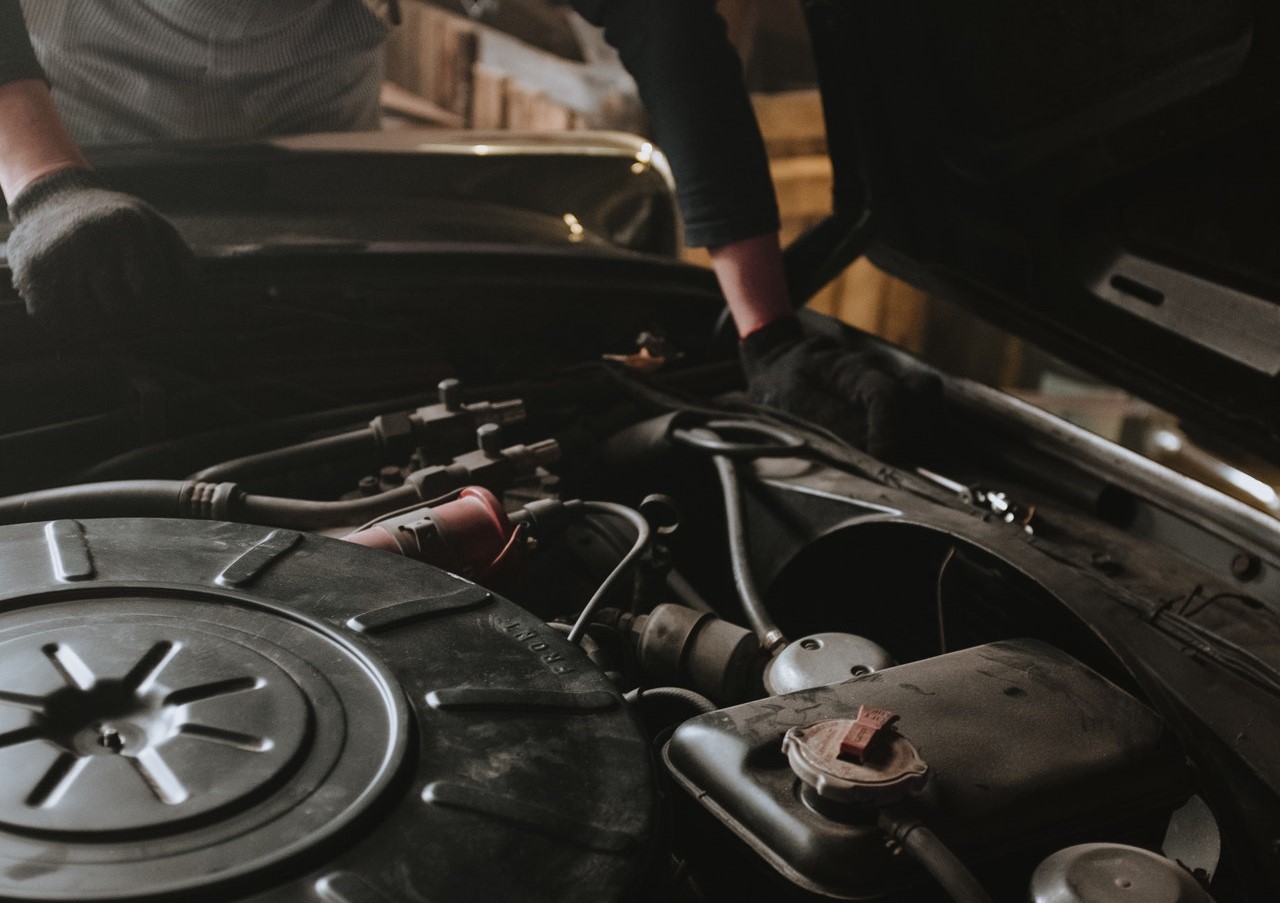
Checking Car Engine | Goodwill Car Donations

Finding out your car may need another engine can leave you with lots of questions. How much will it cost? Will a replacement make your car reliable again? Would you be better off spending that money on another car?

A car engine swap means taking out the current engine and putting another one in. Before you agree to the work, find out why the engine failed, which engines will fit, and what the full job will cost. These five steps can help you weigh your choices and decide whether to repair or donate your vehicle.

What Is a Car Engine Swap?

People often say “engine swap” when they mean any job that replaces one engine with another. That might mean putting in a matching engine after yours fails or picking a different engine for more power. These jobs can have very different costs and needs.

Some agencies use terms with more exact meanings. California’s Bureau of Automotive Repair, or BAR, separates an engine replacement with an identical setup from an engine change that uses a different setup. That difference affects which inspections you need. If you just want a car you can count on, a matching engine usually needs fewer changes than a custom swap.

Step 1: Confirm Whether Your Engine Needs Replacement

Loud knocking, thick exhaust smoke, repeated overheating, or heavy oil use can signal serious engine problems. Still, these signs alone do not mean you need to replace the whole engine. A broken cooling-system part, oil leak, ignition issue, or damaged cylinder head might need a smaller repair.
Have a skilled mechanic find the problem before you buy an engine. Based on the warning signs, tests may include checking oil pressure, measuring cylinder compression, doing a leak-down test, or looking at parts inside. Ask what the results mean and whether fixing your current engine makes sense.

Finding out what caused the damage matters, too. A replacement engine can also fail if a cooling problem, oil-supply issue, or other fault goes unfixed. If the cause is unclear or the repair price is high, think about getting a second opinion. Do not keep driving with overheating, an oil-pressure warning, or loud knocking; get expert advice and arrange a tow when needed.

Step 2: Compare Replacement Engine Options

Once you know you need a replacement, ask which engines fit your car and budget. Stock, condition, work needed, and warranty coverage all play a part. A cheap engine may not save much if it needs lots of extra work or comes with little protection.

Used, Rebuilt, Remanufactured, or New Engines

A used engine comes from another vehicle and usually keeps the parts already inside it. Ask for mileage records, any service history, test results, and the donor vehicle’s identification number. Find out which parts come with the engine and whether the seller pays for installation labor if it fails.
A rebuilt engine has been taken apart, checked, and fixed by replacing worn or broken parts as needed. When weighing a rebuilt vs. remanufactured engine, ask what work was actually done.

Remanufacturing usually follows a more set process to bring parts within specific limits, but the work and warranty can vary by supplier.

A new engine usually costs more and may not be an option for every car.

Compare each choice based on the full installed price and written warranty terms. Check mileage and time limits, what is not covered, required upkeep, and who handles claims. Also ask whether your current manufacturer coverage could help pay for the original failure.

Check Engine Swap Compatibility and Performance Goals

Engine swap compatibility means more than finding the same engine size. The installer should check the engine code, vehicle setup, transmission connection, mounts, wiring, sensors, computer controls, and emissions equipment. Engines that look the same can still have key differences. Make sure the engine matches before you order it or pay a deposit.

If you want more power, talk about that goal before you choose an engine. A different engine might need changes to the transmission, cooling system, exhaust, fuel supply, or other parts. More power can also put more strain on the drivetrain and affect fuel use, how the car drives, and upkeep.

Choose a project that fits how you use your car. A car you drive to work needs reliable starting, reasonable running costs, and steady performance. A performance swap may need custom-built parts and more problem-solving than a matching replacement. Ask whether the shop has done the same kind of work and can help maintain the finished car.

Step 3: Calculate the Full Engine Swap Cost

An engine swap cost estimate should include the whole repair, from removing the old engine to installing and testing its replacement. The engine itself is just one cost. Professional replacement often costs several thousand dollars, while rare engines and custom swaps can cost much more. Your car’s design, parts supply, and local labor prices shape the final bill.

Ask the shop to list the engine price and labor as separate charges. Other costs may include tests, shipping, oil, coolant, filters, gaskets, seals, and shop fees. Some suppliers also charge a core deposit, which you may get back if the old engine is returned and meets their rules.

Other repairs can change the total. Worn mounts, damaged hoses, cooling-system repairs, or replacing easy-to-reach maintenance parts may be worth handling while the engine is out. Ask which jobs you need, which can wait, and how much labor you would save by doing them together.

Custom jobs may need wiring changes, computer programming, exhaust work, and specially made mounts. Budget for inspections and rides while your car is in the shop. Ask how many labor hours the job needs and how many days the shop expects to keep your car. Parts delays and a busy shop can make those numbers quite different.

Step 4: Check Emissions Rules and Inspection Requirements

Check the rules that apply before buying an engine, especially one that differs from the original. Just because a shop can install an engine does not mean the finished car will be legal to drive on public roads. Review the planned setup with a skilled installer and the right state inspection or registration agency.

Are Engine Swaps Now Illegal?

There is no across-the-board ban on engine swaps. Still, federal rules against tampering apply to emissions changes, and state rules may add more limits. Removing or turning off emissions equipment can break the rules even where regular emissions tests are not offered or required for that car.

Do not assume an engine is allowed just because it fits, runs well, or came from a newer car. The full engine and emissions setup matters. Keep the donor-engine details, purchase receipt, installation records, and any required approvals. Check the rules for your exact project before the work starts.

California Engine Changes and BAR Referee Inspections

California has its own process for engine changes. A vehicle with an engine change must get an initial inspection at a BAR Referee Center and have a BAR Referee label placed inside the engine compartment. Bringing the donor vehicle’s identification number can help the Referee check the installation.

Replacing an engine with an identical setup does not require a BAR Referee inspection just because you replaced it. Any Smog Check rules that already apply still remain in place. Find out which group your project falls into before installation, especially if the new engine, controls, or emissions equipment differ from the original setup.

After an approved engine change, you can get future Smog Checks at regular Smog Check stations using the Referee label. The engine change does not change how often inspections are required. These steps apply in California; owners in other places should check local rules rather than assume the process is the same.

Step 5: Decide Whether Replacing the Engine Is Worthwhile

Is it worth replacing an engine in an older car? It can be if the rest of the car is in good shape, you know why the engine failed, and the repair should add useful driving time. Compare the full repair bill with what you would spend on another reliable car.

Look at more than the engine. Transmission trouble, rust that weakens the body or frame, ongoing electrical problems, or several overdue repairs may make a replacement less worthwhile. Think about how long you want to keep the car and whether the warranty offers real protection. A replacement engine does not make the car’s other aging parts new again.

A repair bill higher than the car’s market value calls for careful thought, but that number alone does not decide things. Another car also costs money. If keeping your car no longer works for you, selling, trading, or donating it may be sensible choices. Base your choice on your budget and the transportation you expect to need.

Donate Your Unwanted Vehicle to Goodwill Car Donations

Goodwill Car Donations considers eligible vehicles with mechanical problems, including cars that do not run. You may be able to donate without paying for an engine swap first. Check the accepted vehicle types, which include cars, trucks, motorcycles, boats, and RVs, and tell us about your vehicle’s condition when you get in touch.

For approved donations, Goodwill Car Donations sets up free pickup and towing at a time that works for you. Ask which ownership papers you need and tell us whether the vehicle rolls and a tow truck can reach it. The vehicle donation FAQs answer common questions about pickup, paperwork, and how the process works.

Donated vehicles are sold, often at auction, to help fund participating nonprofits’ job training, employment services, and other community programs. After your vehicle sells, you receive donation paperwork to keep with your records. Any tax deduction depends on the rules and your own situation; a receipt alone does not mean you qualify. Ask a tax professional for advice about your situation.

If another big repair no longer makes sense, fill out the online donation form or call Goodwill Car Donations at (866) 233-8586. Tell us what you know about the engine problem so we can review whether your vehicle qualifies and explain what comes next.


5 Steps to Take When You Need a Car Catalytic Converter Replacement

A warning light, slow pickup, or a strange exhaust smell can make you wonder what is wrong with your car. If a repair shop says you need a new catalytic converter, the price may bring up another question: Is the repair worth it?

Car catalytic converter replacement means taking out a failed part that controls harmful exhaust gases and putting in the right replacement. Before you approve the work, check the cause, compare your replacement choices, and look over the full estimate. These five steps can help you choose between fixing your car and taking another path.

What a Catalytic Converter Does

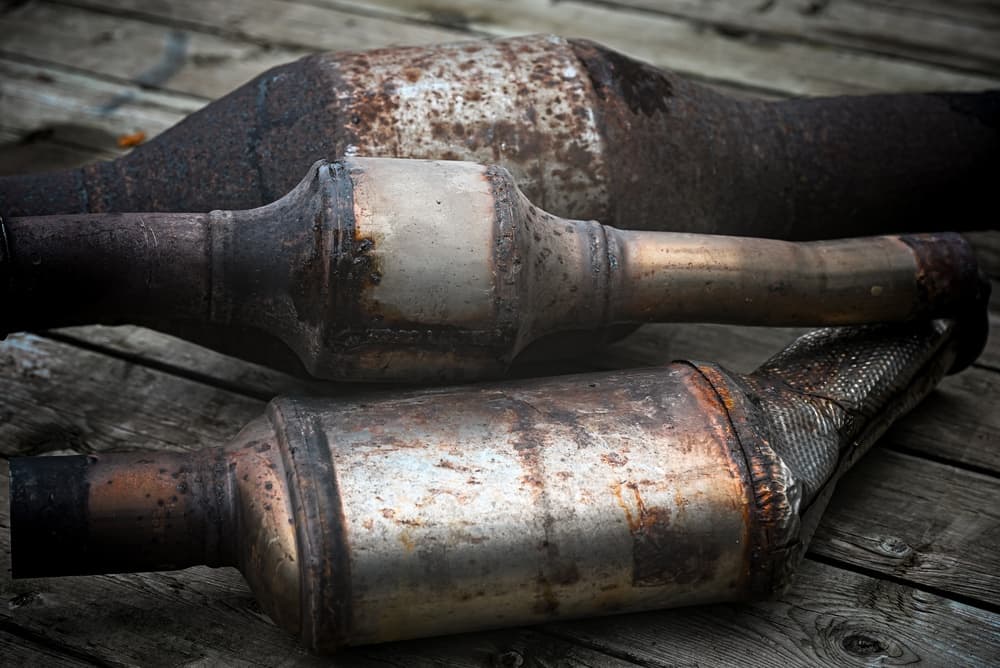
Your catalytic converter is part of the exhaust system, often near the engine or farther under the car. Some cars have more than one. Inside, a coated honeycomb helps turn harmful exhaust gases into less harmful gases before they leave the tailpipe.

On many gas-powered cars, a three-way converter cuts carbon monoxide, unburned fuel gases, and nitrogen oxides. Exhaust also needs to flow through it freely. If the parts inside melt or break and block the opening, trapped exhaust can make your engine run poorly. Catalytic converters need heat to do their job well, which makes cutting harmful gases harder when you first start a cold engine.

Step 1: Recognize the Signs of a Bad Catalytic Converter

Common signs of a bad catalytic converter include slow pickup, rattling under the car, and a Check Engine light. You may also notice lower gas mileage or a sulfur smell, much like rotten eggs. Other problems can cause these signs, so no single one proves the converter has failed.

Pay Attention to Performance Changes and Unusual Smells

A blocked converter may make your car feel weak when you speed up or drive uphill. Rattling may mean broken pieces inside, though loose heat shields and other exhaust parts can make the same sounds. Tell the shop when you notice each problem. A sulfur smell may come from exhaust gases or a problem with the engine’s fuel controls, rather than mean only the converter needs replacing.

Know When to Stop Driving

Pull over safely if the Check Engine light flashes, the engine shakes hard, or the car loses a lot of power. A flashing light can mean a misfire that could cause the converter to get too hot and fail. Smoke, strong heat, or exhaust fumes inside the car also mean you need help right away. Have the car towed when driving it may be unsafe.

Step 2: Confirm the Problem Before Replacing Parts

Ask a trained technician to read the trouble codes and walk you through the test results. Codes P0420 and P0430 point to how well the converter works, but they do not tell the whole story. Before you approve a costly repair, ask what shows the converter is bad and whether the shop has ruled out related problems.

Check the Exhaust System and Exhaust Flow

The technician should check for exhaust leaks, test the oxygen sensors, and see how well the engine runs. If the signs point to a blockage, an exhaust back-pressure test may help find where flow is blocked. Misfires, too much fuel, burning oil, or coolant leaking into the engine’s combustion chambers can harm a converter. Finding and fixing the cause helps keep the new part safe.

A second opinion can help when the shop bases its advice only on a code scan or cannot explain the results. Bring the first report and ask an exhaust expert or another trained shop to review it. Check the testing fee first, and leave the codes in place so the next shop can read them.

Step 3: Compare Catalytic Converter Replacement Options

The right new catalytic converter must fit your car and meet the emissions rules that apply. Give the shop your vehicle identification number, engine details, and the place where your car is registered. Ask if the part is approved for your exact car, how the shop will install it, and what warranty covers the full repair.

Direct-Fit vs. Universal Converters

A direct-fit converter is made for certain cars and usually attaches where the old part was mounted. A universal converter may cost less to buy but need cutting, welding, or custom work to fit. Compare the full installed prices. A cheaper part may take more work, and fitting in place does not mean it meets emissions rules.

OEM vs. Aftermarket Converters

An original equipment manufacturer, or OEM, converter comes through the car maker’s parts system. An aftermarket converter comes from a different supplier and may cost less. Both choices must suit your car and be installed correctly. Where California emissions rules apply, check that the part has the right approval for your car. Taking out a catalytic converter without putting in an approved replacement breaks federal law. Bypassing it will not fix the root cause and may leave your car short of the emissions rules it must meet.

Check Warranty Coverage Before Paying

For cars that qualify, the federal emissions warranty generally covers the catalytic converter for eight years or 80,000 miles, whichever comes first. Coverage varies by car and situation, and some cars have longer protection. Ask an authorized dealer to review your VIN, warranty booklet, and any recalls or special coverage before you agree to pay for a replacement yourself.

Step 4: Review the Full Catalytic Converter Replacement Cost

For a rough budget, AAA puts catalytic converter replacement at about $1,000–$4,000 for parts and labor. Some repairs cost more or less. Your car’s design, required parts, local labor prices, and other damage all shape the final bill. Ask for a written estimate for your car instead of treating a national price range as a set quote.

AAA lists converter parts at about $300–$2,500, with a separate charge for installation. Ask the shop to list labor, testing, gaskets, hardware, taxes, and any sensor or exhaust repairs separately. Rusted joints or a converter that is hard to reach can mean extra work. A car that needs several converters may cost much more to fix than one with a single, easy-to-reach unit.

Decide Whether Another Exhaust Repair Could Solve the Problem

An exhaust leak or bad oxygen sensor may help trigger an efficiency warning even when the converter does not need replacing. Fix those parts when tests show they caused the problem. Still, a new sensor cannot fix a melted or broken converter. Oil, coolant, or other buildup may also cause lasting damage. Ask which repairs fix the cause and which fix the damage it left behind.

Compare estimates from trained shops that include the same work and similar parts. Ask about warranties for parts and labor, how long repairs will take, and final checks. The shop should check that leaks and performance problems are gone. If your car needs an emissions test, ask how the shop will check its readiness monitors after the work.

Step 5: Decide Whether to Repair, Sell, or Donate

Replacement may be worth it when your car is reliable overall and the repair could help it last several more years. Weigh the full estimate against your car’s current value, other repairs you expect, and the cost of another car. Age alone does not decide the issue, and a repair bill above a certain share of the car’s value does not always mean you should let it go.

Ongoing emissions problems, serious engine trouble, or several repairs ahead can make keeping your car less practical. You could sell it with the problems clearly explained or look into donation. Goodwill Car Donations can review cars with mechanical problems, including cars that no longer run or have failed emissions tests. Approved donations come with free pickup and towing.

How the Vehicle Donation Process Works

Start by sharing your contact details and information about your car online or by phone. Describe the converter problem, any missing parts, and whether the car starts, rolls, and is within reach of a tow truck. Read the vehicle donation FAQs for help. Once we confirm that your car qualifies, we arrange pickup and explain the paperwork.

Prepare Your Title and Donation Records

You usually need proof that you own the car, and title rules differ by state. Get clear steps before signing or handing over papers, especially if you still owe money or cannot find the title. Donated cars are sold to raise money for participating nonprofit groups and services, such as job training and help finding work in the communities those groups serve.

A donation that qualifies may allow a tax deduction under IRS rules. Keep your pickup receipt, official acknowledgment, and sale records. A deduction does not give you a dollar back for every dollar your car is worth. Ask a tax professional whether you qualify, which forms you need, and how much you may claim for your situation.

Car Catalytic Converter Replacement FAQs

Can I Drive a Car with a Bad Catalytic Converter?

That depends on what has gone wrong. An efficiency warning may come on while the car still runs well, but a blockage or overheating can become serious. Get it checked soon. Stop safely and get help if you see a flashing warning light, feel strong shaking or major power loss, or notice smoke or fumes inside.

Is It a Big Job to Replace a Catalytic Converter?

Some easy-to-reach, bolt-on converters are fairly simple for a repair shop to replace. Others are built into the exhaust manifold or need welding and major work to take parts apart. Rust and damage to nearby parts can make the job take longer. Ask for a labor estimate for your specific car and whether the shop expects extra work.

Can You Install a Used Catalytic Converter?

Used converters bring questions about how well they still work, whether they fit, and what the law allows. California bans selling or installing used converters for use in cars. Rules differ elsewhere, so check before you buy one. Ask your repair shop to find the right replacement instead of trusting that a part from a salvage yard is an acceptable choice.

Will Replacement Restore Normal Exhaust Flow?

A new converter could restore flow if the old one caused the blockage and the rest of the exhaust system is in good shape. It will not fix misfires, burning oil, or other engine problems on its own. Those problems need care too, or they may harm the new converter and keep your car from running well.

Consider Goodwill Car Donations When You Are Ready to Move On

If car catalytic converter replacement no longer makes sense for you, explore our accepted vehicles or contact Goodwill Car Donations at 866-233-8586. Share your car’s condition so we can check whether it qualifies, explain the title rules, and arrange free pickup for an approved donation.


5 Steps to Take When You Need a Car Exhaust Replacement

Car Exhaust Pipe | Goodwill Car Donations

A louder engine, rattling under your car, or a strange smell can make you wonder whether you need a car exhaust replacement. You may also worry about the cost and whether your car is worth fixing.

Exhaust replacement can mean changing one broken part or several parts of the system. Before you agree to a big repair, ask what failed, what the price covers, and whether a smaller fix would work.

These five steps will help you weigh your options and choose what to do next.

What Does the Exhaust System Do?

Your exhaust system moves gases away from the engine and sends them through an outlet, often near the back of your car. Sealed pipes and joints help keep those gases away from people inside. The catalytic converter cuts certain harmful pollutants, while mufflers and resonators keep noise down.

Oxygen sensors check exhaust gases and help the engine’s controls adjust the mix of air and fuel or check how the converter works, based on where they sit. Rust, heating and cooling, road damage, and worn joints can lead to leaks or cracks.
The right repair depends on which part has failed.

Step 1: Recognize Exhaust Leak Symptoms and Other Warning Signs

Changes in sound, smell, or how your car runs need attention. Notice when the problem happens, such as on a cold start, when speeding up, or after hitting a pothole. These details can help a mechanic find the damage.

Loud Noise, Rattling, and Visible Damage

A new roar, rumble, hiss, or ticking sound may mean a leak. Rattling under your car could come from a loose heat shield, damaged hanger, or broken part inside. Noise alone does not mean that your whole exhaust system needs to be replaced.

Rust holes, split seams, or a pipe hanging down are other warning signs. Share what you can see from a safe spot, but let the shop check underneath. Do not reach toward hot exhaust parts or get beneath a car held up only by a jack.

Does Visible Exhaust Smoke Mean You Need Replacement?

Blue, black, or thick white exhaust that keeps coming can signal an engine or fuel-system problem. A new muffler will not fix burning oil, a poor fuel mix, or coolant leaking into the engine. Brief water vapor when starting a cold car can be normal.

Tell the mechanic what color the smoke is, when it shows up, and whether you’re losing oil or coolant. Finding the cause matters because some engine problems can harm the catalytic converter, too.

Can You Drive a Car with a Blown Exhaust?

Do not assume your car is safe just because it runs. An exhaust leak can let carbon monoxide build up inside the car. Carbon monoxide has no smell, so a lack of odor does not mean you are safe.

If you think fumes are getting inside, pull over safely, shut off the engine, and get everyone into fresh air away from traffic. Get emergency help for signs of possible exposure, such as a headache, dizziness, or confusion. Have the car towed rather than driving with suspected fumes inside or loose exhaust parts dragging below.

Step 2: Have the Exhaust System Professionally Inspected

Ask a qualified shop to find the damaged part and check nearby pipes, joints, supports, and shields. A check engine light may call for a scan and more tests.
A trouble code offers a place to start; it does not prove that a converter or sensor needs replacing.

Ask the shop to explain what it found and share photos when possible. Find out whether only one spot is damaged or nearby metal is too weak for a lasting fix. The shop should also check for engine problems that could harm the new parts.

Catalytic Converter Replacement

A failing converter may turn on a warning light or cause a failed emissions test where tests are required. A clogged converter can also cut engine power. Still, leaks, misfires, and sensor problems can cause similar signs, so testing should come first.

Replacement rules depend on your car’s engine, emissions setup, and the laws that apply. Ask the shop to check which converter fits your car and meets the rules where it is registered. Also ask whether an emissions warranty or recall covers the work before you pay.

Muffler, Exhaust Pipe, and Manifold Replacement

Water and road salt can eat away at mufflers, pipes, and joints. A muffler may get holes or split seams, while a pipe may grow weak near a joint. Several weak spots may mean replacing a larger section makes more sense than fixing each hole.

The exhaust manifold gathers gases close to the engine. Cracks or failed manifold gaskets need repair, too. Ask the shop to explain manifold work apart from rear exhaust work because access, parts, and labor can vary quite a bit.

Step 3: Compare Exhaust Repair vs. Replacement

A small leak does not always mean you need a whole new system. A new gasket, clamp, hanger, or short pipe section may fix one damaged spot when nearby parts are still strong.
A shop may also suggest welding a suitable section.

Patches help less when rust spreads beyond the hole you can see or several spots are failing. Ask whether the fix is short-term or built to last, and get the warranty details. Weigh how long the repair should last against its price instead of choosing the cheapest option.

How to Choose Replacement Exhaust Parts

Share the vehicle identification number, engine details, and any emissions-label details the shop needs. Direct-fit parts are made for certain vehicle models and setups. Universal-fit parts may need cutting, welding, or other work to fit, which can eat into the savings from a lower price.

Compare original equipment with suitable aftermarket parts, including materials, fitting costs, and warranty terms. For converters, fitting in place is not enough. California, for example, requires approved aftermarket converters for specific vehicle setups. Have your installer check the rules that apply to your car.

DIY vs. Professional Exhaust Replacement

An experienced owner with the right tools and repair guide may be able to replace an easy-to-reach, bolt-on muffler. DIY work can save labor costs, but rusty bolts, cutting, and surprise pipe damage can make the job harder than expected.

Let the system cool fully and follow your car maker’s rules for lifting and supporting the vehicle. Never work under a car held up only by a jack. Use a professional for converter work, tough manifold repairs, welding, or any job beyond your tools and skills.

Step 4: Review Car Exhaust Replacement Costs

Car exhaust replacement cost depends on which parts and repairs you need. A muffler quote should not be compared straight across with one for pipes, converters, and related hardware. Ask each shop to list the parts included before you compare the total prices.

How Much Does It Cost to Replace Your Exhaust?

As a rough guide, muffler replacement cost may be about $150–$800 installed, before taxes and fees. A pipe or larger set of parts can cost much more. Some partial replacements may cost $300–$1,500, but that range will not cover every type of exhaust job.

Replacing more of the system may cost about $900–$3,500, with some cars costing more. Use these ranges to help you plan. Check whether the quote covers the manifold and catalytic converter, since replacing those parts can change the total quite a bit.

What Affects the Price and What Should the Estimate Include?

Your car’s design, engine size, dual exhaust setup, and how easily parts can be found affect the price. Heavy rust can add labor if bolts snap or nearby sections need replacing. Aftermarket parts may cost less, but proper fit and any extra fitting work still count.

Ask for separate prices for testing, parts, labor, gaskets, clamps, hangers, and related work. Check on taxes, shop fees, warranty terms, and other possible costs. Make sure the shop will test the finished system for leaks and call you before doing more than you approved.

Step 5: Decide Whether to Repair or Donate Your Vehicle

Exhaust replacement may make sense when your car is otherwise reliable and the repair should keep it running well. Think about how long you plan to keep it and what another car would cost.

Age alone does not tell you whether a repair is worth it.

The choice gets tougher when exhaust damage comes with major engine, transmission, or structural problems. Look at the full repair list and how you need to get around. If you no longer want to keep up with the car, selling, trading, or donating it may be worth a look.

Give Your Unwanted Vehicle a New Purpose with Goodwill Car Donations

Goodwill Car Donations considers running and non-running vehicles, based on program rules. Tell us about the exhaust damage, other known problems, and whether your car can be moved. For approved donations, free pickup and towing can spare you from driving an unsafe car.

Read our vehicle donation FAQs for help with pickup and paperwork. Ask which ownership papers and title-transfer steps apply, and plan to provide any keys you have. Check that your car is accepted before paying for repairs just to get it ready to donate.

Money from donated vehicles helps support participating nonprofit groups’ job training and employment programs. You get donation paperwork, and you may qualify for a tax deduction based on IRS rules and your situation. Save the receipt and any records tied to the sale.

If car exhaust replacement no longer makes sense for you, fill out our online donation form or call Goodwill Car Donations at 866-233-8586. Our team can go over your car’s details and walk you through the next steps.


5 Steps to Take When You Need a Car Airbag Replacement

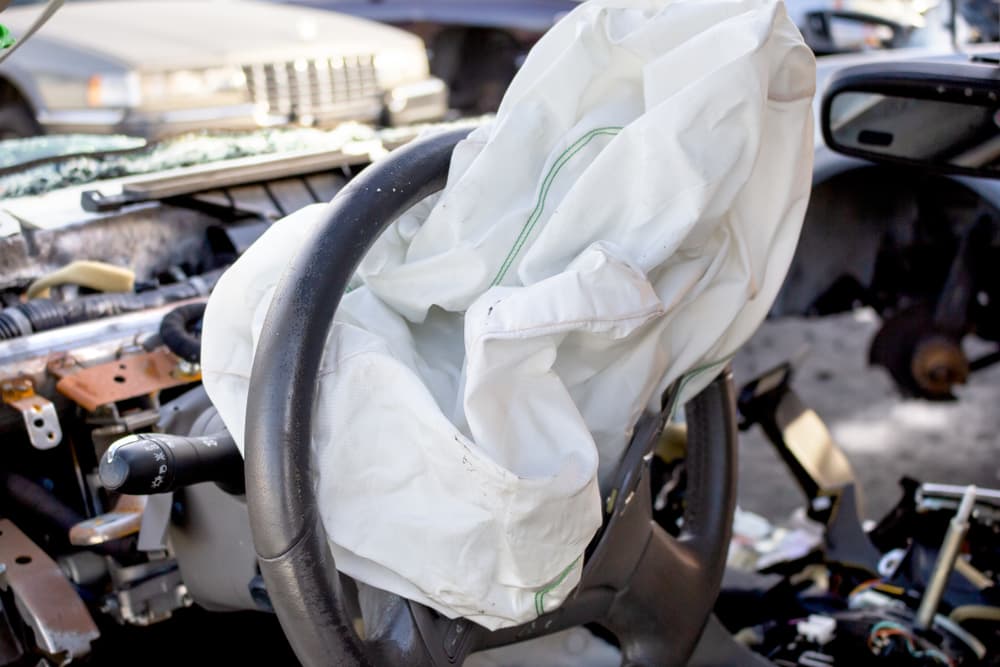
Learning that your car needs airbag work can leave you wondering about safety, repair bills, and whether to keep it. You might have airbags that went off in a crash or an airbag warning light that came on during your drive. These problems call for different repairs, so start by finding out what is wrong.

Car airbag replacement means putting in a new airbag unit when the old one has gone off or needs replacing due to damage or a flaw. Depending on your car, fixing the system may also mean working on other safety parts.

Before you agree to repairs or choose to let your car go, use these five steps to learn about your options.

How Your Car’s Airbags Work

Airbags belong to your car’s supplemental restraint system, also called SRS. Sensors and a control unit help decide when airbags should go off. Front airbags help protect people in certain front-end crashes, while side and curtain airbags help protect them in other kinds of crashes. Some curtain airbags also go off when a car rolls over.

Airbags work with seat belts to help keep people safe. They do not inflate in every crash, and whether they go off depends on the crash and how the car’s system works. An airbag that stays in place during a crash has not always failed.

Step 1: Recognize the Problem and Take Immediate Safety Steps

After a crash, check for injuries and call for emergency help if needed. Follow emergency workers’ directions and keep away from traffic and other dangers. Take notes and photos of the car only when you can do so safely.

Take photos of visible crash damage, airbags that went off, and dashboard warnings without touching or taking out safety parts. Keep these photos with your crash report and insurance records. These records can help show your car’s condition to a repair shop, insurance company, or donation team.

Can You Still Drive a Car with a Blown Airbag?

A car might still start after an airbag goes off, but that does not mean it is safe to drive. NHTSA says to replace airbags that have gone off before you drive the car again. Have your car towed to a suitable repair shop rather than driving it there yourself.

An airbag that has gone off cannot protect you in another crash. Airbags work only once and cannot be packed back into place or used again after they inflate.

Does an Airbag Warning Light Mean You Need a New Airbag?

An airbag warning light points to a possible safety-system problem, but it does not tell you which part has failed. The trouble could be with the airbag system or seat belt tensioners. Get the system checked soon instead of guessing that you need a new airbag.

Check your owner’s manual to learn how the light should act when you start your car. Also, know that an SRS warning and a passenger-airbag-off light can mean different things. Tell the repair technician when the light came on and whether any repairs happened just before it.

Step 2: Get a Professional Diagnosis and Check for Recalls

Pick a technician who knows how to work on your car’s restraint system. Ask the shop to write down what it finds and explain which parts need work. Share any crash history, past airbag repairs, or damage near the seats, steering wheel, and dashboard that you know about.

Your car may need a trained expert’s check even if the airbags stayed in place. For example, Honda tells owners of certain cars to get restraint parts checked after a medium-to-severe crash. Your repair plan should match the directions for your exact car.

How Do You Check for an Airbag Recall?

Type your vehicle identification number, or VIN, into NHTSA’s recall search tool. You can usually find this number on your registration or at the bottom of the windshield on the driver’s side. Call an authorized dealer if the search shows a recall.

Ask the dealer what fix your car needs, whether parts are ready, and whether the recall has special driving rules. Recall repairs are usually free. Checking before you pay for repairs may show that the car’s maker offers a fix for the problem you have.

Save the recall results with your repair records. Follow your car maker’s care and inspection advice instead of thinking that every airbag needs replacing once it reaches a certain age.

Step 3: Understand the Replacement Plan and Choose a Repair Shop

Yes, you can replace airbags in a car. But the job takes more than picking a part that fits behind the steering wheel or dashboard. The shop must follow your car maker’s repair steps for your car and the kind of damage it has.

Replacing an airbag after it goes off should follow the repair steps set by your car’s maker. Ask the shop which other safety parts need work and how it will check the finished job before giving your car back.

Compare an authorized dealer with skilled independent repair shops. Ask about work on your car model, access to the maker’s repair guides, where parts come from, and the repair warranty. A clear answer should help you see what the price quote covers.

What Needs Replacement After Airbags Deploy?

An airbag that has gone off needs replacing, and other restraint parts may need replacing or checking, too. These parts can include the control unit, sensors, seat belts, and belt pretensioners. Pretensioners pull seat belts tight during certain crashes.

The rules depend on your car. Honda’s guidance for certain Pilot models, for example, calls for replacing the control unit and related parts after airbags go off, plus any automatic seat belt tensioners that activated. A basic module-reset service should not take the place of repairs your car’s maker requires.

Ask the shop to list required safety work apart from repairs that are not related. Before you approve the job, ask which inspections and checks the shop will do once the repairs are finished.

How Can You Avoid Unsafe Replacement Airbags?

Ask where new parts come from and how the shop checks that each part is genuine and fits your car. Be careful with very cheap inflators or airbags described only as “refurbished.” A low price does not prove that a safety part is right for your car.

NHTSA has warned about dangerous replacement inflators put into cars after earlier crashes. Save bills that show the repair shop and parts used, especially when you buy or fix a car whose crash history is unclear.

Step 4: Review Airbag Replacement Costs and Insurance

Airbag replacement costs depend on your car, how many airbags went off and where, labor prices, and other damage. Replacing one airbag can be a much smaller job than fixing several airbags and damaged parts inside the car.

Ask for a written quote that lists parts, labor, testing, and other work as separate charges. If you get a second quote, check that both cover the same work. A quote that skips required parts is not the same as one that covers the whole repair.

How Much Does It Cost to Replace an Airbag in a Car?

For a rough budget, ConsumerAffairs reports that replacement often starts at about $1,500 for each airbag that went off, including parts and labor. Several airbags, costly car parts, and other damage can raise the total bill by several thousand dollars.

Use that amount as a starting point, not a firm price. Checking a warning light may uncover a different repair, while major work after a crash may cost far more than replacing one airbag.

Will Insurance Cover Airbag Replacement?

Your coverage depends on your policy and what caused the damage. Collision coverage may help pay for repairs after a covered crash, while comprehensive coverage may help with certain other covered events. Your deductible and policy limits affect how much you pay yourself.

Call your insurance company before you approve repairs tied to a claim. Ask about quote approval, towing, and what happens if the shop finds more damage during repairs. Keep your bills, photos, and claim messages together.

Step 5: Decide Whether to Repair or Donate Your Vehicle

Once you have a full quote, think about your car’s overall shape. Look beyond airbag repairs to damage to the car’s structure, mechanical trouble, or other large costs. Think about how long you plan to keep the car and whether you can afford all the repairs.

Ask for a clear answer whenever the quote changes. You need a realistic view of the whole repair before you weigh it against other choices.

Is It Worth Fixing a Car with Airbags Deployed?

Fixing your car may make sense if the damage can be repaired properly and the car still meets your needs. The choice gets harder when you face several costly repairs or the car has a pattern of problems.

Airbags going off do not automatically mean that a car is totaled. Insurance companies look at the damage, repair bills, car value, and rules that apply. Ask your insurance company to explain its choice before you make plans to keep the car or pass it on.

Can You Donate a Vehicle with Deployed Airbags?

Contact Goodwill Car Donations to explain your car’s condition and check whether it qualifies. Tell us about airbags that went off, crash damage, and whether the car runs or can be moved. Make sure we can accept it before you arrange to transfer ownership.

Goodwill Car Donations can often accept cars in poor shape or cars that do not run, based on program rules. Read the vehicle donation FAQs to learn about which cars qualify, ownership papers, and pickup.

Consider Goodwill Car Donations When Repairs No Longer Make Sense

If you choose not to pay for car airbag replacement, donation may be a useful next step. Goodwill Car Donations checks vehicle details and offers free pickup and towing for approved donations. Ask about title rules and pickup plans before you fill out the paperwork.

Funds raised help support participating groups and programs tied to job training, work, and community services. You may also qualify for a tax deduction, based on IRS rules and your own situation. Save your donation receipt and sale records, and ask a tax expert whether you qualify.

When you are ready, contact Goodwill Car Donations to tell us about your car and talk through the next steps. You can make a sound choice about a car you no longer want while helping support services in your community.


5 Steps to Take When You Need a Vehicle Wiring Harness Replacement

Electrical problems can make a trusty car feel hard to count on. One morning it starts just fine. The next day, warning lights come on, the engine stalls, or several features stop working. A damaged car wiring harness could be the cause, but those signs can also point to other electrical or mechanical problems.

Before you agree to a replacement, ask which wires are damaged and whether a smaller repair could fix the problem. These five steps will help you understand the findings, compare costs, and decide whether fixing or donating your vehicle makes sense.

What Is the Wiring Harness in a Car?

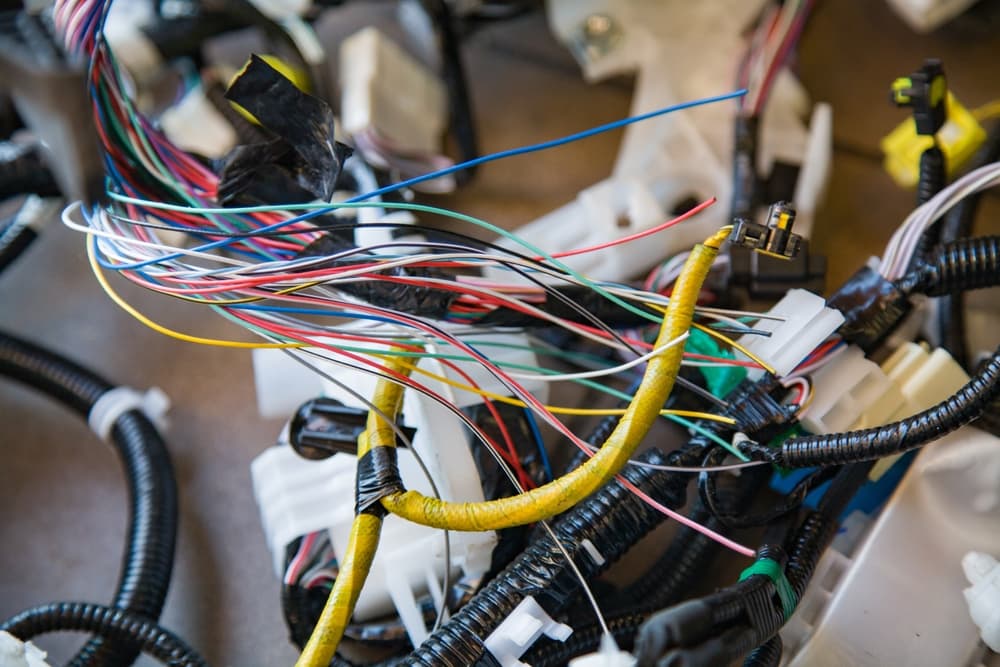
A car wiring harness is a set of wires, terminals, and connectors that sends power and signals between parts. Based on where it sits, it may link sensors, lights, switches, control modules, and other equipment. Covers and clips help hold the wires away from moving parts and harmful heat.

Most vehicles have several harnesses instead of one bundle that serves the whole car. An engine harness links engine-related parts, while other sets serve the dashboard, doors, or back of the vehicle. Replacing one damaged set does not always mean replacing all the car’s wiring.

Step 1: Recognize Bad Wiring Harness Symptoms

Bad wiring harness symptoms can include trouble starting, engine misfires, stalling, flickering lights, or features that work only sometimes. Several warning lights may come on together if damaged wires cut off power or signals. Fuses that keep blowing can also point to a circuit problem that needs checking.

Damage you can see offers another clue. Wire covers may look cracked, melted, or worn through, and connectors may show rust or heat damage. Rodents can chew through wires, while water leaks, shaking, and poor past repairs can cause problems too. Our guide to rodent damage to car wiring explains that specific problem in more detail.

Write down what happens and when. Does the problem show up after rain, over bumps, or only after the engine warms up? Take photos of damage you can see without pulling wires apart or touching bare wires. These details can help a technician find a fault that does not show up during every check.

Is It Safe to Drive with a Damaged Wiring Harness?

A vehicle with damaged wires may not be safe to drive, even if it still starts. The risk depends on which circuits have problems and how bad the damage is. Stalling, headlights you cannot trust, or trouble with safety systems need a professional’s prompt attention.

If you see smoke, smell burning, or suddenly lose power, pull over when safe and turn the vehicle off. Get out and move away if you think there is a fire, then call emergency services. For other serious electrical problems, book an inspection and ask whether you need a tow.

Step 2: Have the Wiring Problem Professionally Diagnosed

A warning light or trouble code does not prove that you need a new harness. A weak battery, bad ground connection, faulty sensor, or damaged connector can cause similar signs. A trained technician should find the circuit with the problem and test it before suggesting a costly replacement.

Testing may include checking connectors, power, and ground connections, reading wiring diagrams, and running the right electrical tests. The technician may also scan the vehicle’s systems for trouble codes and signal problems. Some faults need tests under the same conditions that cause them, such as heat or shaking.

Ask the shop to explain what broke and show you the damage when possible. Find out whether the problem affects just one connector or wire, or reaches several branches of the harness. Also ask what caused it, since a leak, rubbing spot, or part that gets too hot could harm the new wires.

Avoid trying out a multimeter on circuits you do not know. Airbag systems and hybrid or electric vehicle high-voltage systems need special steps and training. Even connectors that look simple may link to equipment you should not test or unplug without knowing the risks.

Step 3: Compare Car Wiring Harness Repair and Replacement

Car wiring harness repair may work when damage is small and the manufacturer permits it. A technician might replace a connector, terminal, short piece of wire, or smaller sub-harness. New wire must have the right wire size and covering for the circuit. Wire that is too thin can get too hot and lose too much voltage, while its covering must handle the heat and chemicals found in that spot.

A new wiring harness may be needed when damage is widespread, wire covers have melted across several circuits, or corrosion has spread inside. Some circuits may also need replacement based on the manufacturer’s repair rules. There is no single rule saying that every damaged wire means replacing a whole harness.

Ask why the suggested choice is right for your vehicle. If repair and replacement are both options, compare their warranties, likely lifespan, and full installed costs. Getting a second opinion from a car electrical specialist can help when the cause is unclear or the estimate is high.

What Does Engine Wiring Harness Replacement Involve?

Engine wiring harness replacement begins with choosing a set that matches the way your vehicle is built. The year and model alone may not prove a match. Engine type, transmission, features, and details about how it was built can affect which part you need.

The technician follows steps for your vehicle to safely disconnect power, reach the harness, and remove the damaged set. The new harness must follow the right path, with its connectors, clips, and covers secured. Where wires pass through metal panels, the required grommets or bulkhead connectors help keep them from getting damaged. Wires must also stay away from exhaust heat, sharp edges, and moving parts.

After the work, the shop tests the affected circuits and makes sure the original problems are gone. Based on what was unplugged, some systems may need more checks or steps to relearn their settings. Ask whether the estimate covers this last check.

Is Replacing a Wiring Harness a DIY Job?

Replacing a small harness that is easy to reach may suit someone with the right skills and service information. Get the manufacturer’s repair steps and wiring diagrams for your exact vehicle before you start. Wire colors and circuit labels can help you spot connections, but you must check them against those diagrams. A large engine, dashboard, or body harness may mean taking many parts apart.

Beginners should leave complex replacement jobs to a trained professional. Wrong connections, wire paths, or circuit protection can harm parts and cause safety risks. Do not assume that universal wiring kits sold for restoration projects can directly replace a modern vehicle’s original harness.

Step 4: Get a Detailed Wiring Harness Replacement Cost Estimate

Wiring harness replacement cost depends on the damaged set, the vehicle’s setup, the damage, and how hard it is to reach. A small accessory harness and a large dashboard harness are very different jobs. The part’s price also leaves out the work to find the problem and put the new harness in.

How Much Does a Car Wiring Harness Cost?

There is no one price that makes sense for every car wiring harness. A short replacement piece may cost far less than a full engine or body set. Ask the shop for the exact part number and whether the suggested part is new original equipment, aftermarket, or used.

Used wiring may have wear, corrosion, or past repairs you do not know about. An aftermarket part also must meet the vehicle’s electrical needs. Ask how soon the part is available and what its warranty covers before choosing on price alone.

What Affects the Total Cost and Turnaround Time?

Labor can be a large part of the bill when the harness runs behind the dashboard or through tight spaces. Finding the cause may also take longer when a fault comes and goes. Fixing connectors, modules, or other damaged parts can add to the bill.

Ask for a written estimate that lists testing, parts, installation labor, related repairs, and any fees separately. Ask how much needs to come apart and what could change the price. The shop should contact you before doing extra work beyond what you have approved.

The wait depends on more than the hours spent installing parts. Finding the right harness, waiting for an out-of-stock part, and tracking down more damage can make the job take longer. Ask how many hours the work should take and how many days your vehicle will likely stay at the shop.

Step 5: Decide Whether to Repair or Donate Your Vehicle

Harness replacement can make sense when the vehicle is otherwise reliable, and the damage has a clear cause that can be fixed. Think about how much more use you expect after the repair. Replacing a vehicle costs money too, so the repair bill alone does not answer the question.

The choice gets tougher when electrical damage is just one item on a growing repair list. Compare the estimate with engine, transmission, brake, or body structure work you will soon need. Think about your travel needs, the vehicle’s past, and whether you can fairly expect to count on it afterward.

You can also ask whether more problems might turn up during repairs, especially after major water or heat damage. No shop can promise that an older vehicle will never need another repair. Still, knowing what is damaged and what remains unclear helps you make a better choice.

If you no longer want the vehicle, selling, trading, or donating it may be worth a look. You do not have to pick donation just because the harness needs replacement. It is an option when keeping and fixing the vehicle no longer works for you.

Donate a Vehicle with Electrical Problems to Goodwill Car Donations

Goodwill Car Donations can often accept vehicles with mechanical or electrical problems, including vehicles that do not run. Whether a vehicle qualifies depends on the vehicle and program rules. Tell us about known wiring damage, starting trouble, and any other problems when asking whether your vehicle qualifies.

For approved donations, Goodwill Car Donations sets up free pickup and towing. Ask what ownership papers you need and which title rules apply in your state before filling out forms. You can read the vehicle donation FAQs to learn more about pickup and paperwork.

Donated vehicles are sold to help fund participating groups’ programs, including job training and employment services. Goodwill Car Donations sends donation records after the vehicle has been processed and sold. A receipt does not mean you automatically qualify for a tax deduction; the rules that apply depend on your situation.

If another electrical repair no longer makes sense, fill out the online donation form or call Goodwill Car Donations at (866) 233-8586. Tell us about your vehicle’s condition and ask what comes next. Our team can help you find out whether donation is an option for your unwanted car.


5 Steps to Take When You Need an Auto AC Compressor Replacement

Gray Mercedes Benz coupe on black asphalt road during daytime

Warm air blowing from your car’s vents can quickly ruin a summer drive. If the problem keeps happening, you may wonder if you need more refrigerant, a small repair, or a new compressor. Before paying for an expensive repair, find out what went wrong and what it will cost to fix.

The AC compressor moves refrigerant through your car’s AC system so it can remove heat from inside the car. A broken compressor can stop this process, but other problems can cause the same warning signs. These five steps will help you understand car AC compressor replacement, compare your choices, and decide if a different repair makes more sense.

Step 1: Recognize Bad AC Compressor Symptoms

Common signs of a bad AC compressor include warm air, weak cooling, and strange noises when the AC runs. You may notice the air gets cold and then warm again or hear grinding near the compressor. Pay attention to these changes, especially if they started without warning.

Still, warm air does not always mean your compressor is broken. Low refrigerant, electrical problems, or poor airflow through the condenser can also cause cooling problems. Write down when the problem starts, whether the fan blows normally, and whether the cooling changes while driving or waiting in traffic. Tell your repair shop what you noticed.

Can You Keep Driving with a Bad AC Compressor?

You may still be able to drive if the bad compressor only affects your AC. However, a damaged pulley, bearing, or stuck compressor can cause bigger problems, especially if the compressor shares a drive belt with other parts. If that belt breaks, you could end up stranded.

Turning off the AC does not always make driving safe because some compressor parts may still turn with the belt. If you notice grinding, smoke, a burning smell, or belt damage, pull over safely and get professional help. Ask a mechanic if your car is safe to drive with its specific problem.

Step 2: Get a Professional AC System Diagnosis

An AC inspection should find the real problem before you pay for a new compressor. A mechanic may check refrigerant levels, system pressure, electrical parts, cooling fans, and possible leaks. They should look at all the results together instead of deciding the compressor is broken based on one pressure reading.

Ask the shop which tests helped confirm the problem. You can also ask if the compressor itself is broken or if another part is keeping it from working. A simple explanation helps you compare prices and understand why the shop recommends a certain repair.

Compressor Clutch and Electrical Problems

Some compressors have a clutch that turns on when your car needs cooling. If it fails to turn on, the problem could be the clutch, a fuse, relay, wiring, or a safety response to unusual refrigerant pressure. Other types of compressors work differently and do not have a standard clutch that turns on and off.

AC compressor clutch replacement may work if the rest of the compressor is in good shape and the clutch can be replaced separately. Ask if this repair is possible for your car and how the full cost compares with replacing the compressor. The labor involved, available parts, repair access, and warranty can all affect the best choice.

Refrigerant Leaks and Recharge Questions

Refrigerant moves through a closed system, so it should not normally run out over time. If the level is low, a mechanic should look for leaks or another reason it dropped. They may use special electronic tools or approved dye to help find where the refrigerant is escaping.

Adding refrigerant will not fix damage inside the compressor. It also cannot fix a leaking hose or loose connection. Before paying for another recharge, ask why the refrigerant was low and how the repair will fix the problem.

Step 3: Understand Your Replacement Options

Once the mechanic confirms the problem, ask which replacement compressor works with your car. The right part depends on your car’s year, make, model, engine, and AC system. Sharing your vehicle identification number (VIN) can help the shop find the correct part and avoid mixing up parts that look alike.

New vs. Remanufactured Compressors

You may be able to buy a new compressor from your car’s manufacturer or another parts supplier. A remanufactured compressor has been rebuilt so it can be used again and may cost less. Compare the supplier, fit, warranty, and installation needs instead of choosing the cheapest part.

Used compressors may have problems you cannot see because you do not know how they were treated before. Ask how the part was tested and what happens if it breaks soon after installation. A cheaper part may not save much money if you have to pay for labor and refrigerant service again.

What Does Compressor Replacement Involve?

The mechanic removes the refrigerant before opening the system, takes out the broken compressor, and checks for debris. Damage inside the compressor can spread small pieces of debris through the AC system. Based on the damage and the manufacturer’s instructions, some parts may need to be flushed out while others must be replaced.

The repair may also require new seals and a receiver-drier or accumulator. A dirty or damaged condenser or expansion device may need work too. The shop should explain which parts your car needs and why, instead of assuming every car needs the same repairs.

The mechanic must also add the right oil, remove air and moisture, and refill the system with the correct type and amount of refrigerant. Final tests should make sure there are no leaks and the AC cools as the manufacturer intended. Ask how long the job should take, including testing and waiting for any needed parts.

Can You Replace an AC Compressor Yourself?

This repair takes more than a basic set of tools. Removing refrigerant, clearing air from the system, and adding the right amount require special equipment. Hybrid and electric cars can also have dangerous high-voltage parts and special compressor oil needs, making proper training even more important.

U.S. rules generally do not allow people to release automotive refrigerant into the air on purpose. Technicians who service vehicle AC systems for payment must have Section 609 certification and use approved equipment. For most car owners, hiring a qualified AC repair shop is the easiest practical way to find and fix the problem.

Step 4: Review the Complete Replacement Estimate

Ask for a written estimate that lists the compressor, labor, refrigerant service, and any extra parts separately. Check whether the price includes testing fees, taxes, and other shop charges. This makes it easier to compare two estimates that may look similar but cover different work.

How Much Does Car AC Compressor Replacement Cost?

As a general guide, replacing a compressor and completing related AC repairs usually costs about $750 to $1,500, although some cars cost more. Your car AC compressor replacement cost may be higher or lower based on your vehicle and the damage. Get an estimate for your own car before deciding what to do.

Do not automatically add the cost of a recharge if the shop already included it in the estimate. Also, the price of the compressor alone does not cover the entire repair. Ask which parts and services are included so you know exactly what you are paying for.

What Affects Parts and Labor Costs?

The compressor’s location, local labor prices, refrigerant type, and available parts all affect the final cost. Debris from a broken compressor can make the repair much more involved. A smaller car is not always cheaper to fix because even an economy car can have parts that are hard to reach.

If two estimates are very different, compare what each shop plans to do before choosing. One shop may include repairs for debris damage or offer a different compressor warranty. Ask both shops to explain any big differences in parts, labor, and expected results.

What Warranty Comes with the Repair?

Ask how long the parts and labor warranties last and if they have mileage limits. Find out who handles the problem if the new compressor fails and whether the warranty covers another refrigerant service. Keep your estimate, receipt, and warranty details together in case you need them later.

Step 5: Decide Whether Repairing the Vehicle Makes Sense

Replacing the compressor may be worth it if your car is otherwise reliable and you want to keep driving it. Working AC makes hot days more comfortable and can also help remove moisture when clearing fog from your windshield. Think about how much the repair would improve your everyday driving experience.

The choice gets harder if your car already needs several expensive repairs. Look at any known engine, transmission, brake, or suspension problems along with the AC repair cost. Also think about the cost of getting another car and how much longer you expect your current car to last.

Is Replacement Worthwhile on an Older Car?

The age of your car does not tell the whole story. An older car that has been well cared for may still be worth fixing, while a newer car with major problems may need a different plan.

Compare the full repair cost with your car’s condition, value, and how long you want to keep it.

If you choose to fix it, ask how to prevent the same problem from happening again. Fixing leaks and removing debris matters more than replacing the compressor on a set schedule.

Follow your car’s maintenance guide and have new cooling problems checked before they lead to more repair bills.

Donate Your Unwanted Vehicle Through Goodwill Car Donations

If you no longer want to spend money fixing your car, donating it is another option. Goodwill Car Donations considers vehicles that run and those that do not, based on program rules. Check our accepted vehicles to see if your unwanted car or another vehicle may qualify.

You can start online or by phone and tell us about the compressor problem and any other damage you know about. If your donation is approved, we can arrange free pickup and towing. Read our vehicle donation FAQs to learn about paperwork, pickup, and donation receipts. Any possible tax deduction depends on IRS rules and your personal situation.

Money raised from donated vehicles helps support participating nonprofit groups and programs like job training and employment assistance. If car AC compressor replacement no longer makes sense for you, fill out our online donation form or call Goodwill Car Donations at 866-233-8586 to talk about your vehicle.


5 Steps to Take When You Need a Car Turbo Replacement

Sleek red sports car parked in front of waterfront homes on a cloudy day

A loss of power, strange whining noises, or smoke from the exhaust can make you wonder if your car needs a new turbocharger. These warning signs are worth checking, but they don’t always mean the turbo has failed. A leaking hose, faulty controls, or another engine problem can cause many of the same symptoms.

Replacing a car’s turbo means removing the failed turbocharger and installing one that fits your vehicle. Before you agree to the repair, it’s important to understand what’s wrong, what your options are, and how much it will cost. These five steps can help you decide whether fixing your car makes sense or if donating it is a better choice when another costly repair isn’t worth it.

What Does a Turbocharger Do?

A turbocharger uses exhaust gases to spin a turbine that’s connected to a compressor. That compressor pushes more air into the engine, helping it burn more fuel and produce more power. This allows smaller engines to deliver stronger performance when you need it most.

Some vehicles have one turbocharger, while others have two. The number and design can affect which parts you need, how easy they are to reach, and how much labor costs. Your repair shop should check your exact engine and turbo system before giving you an estimate.

Step 1: Recognize the Symptoms of a Bad Turbo

Changes in how your car speeds up, sounds, or uses oil can be signs that something is wrong. Pay attention to when each problem happens, including whether the engine is cold, warm, sitting idle, or working harder while driving.

Loss of Power or Reduced Boost

Your car might feel slower when you speed up or have trouble climbing hills. If your vehicle has a boost gauge, it might show lower pressure than normal. You may also notice that the check engine light comes on.

These problems can come from a bad turbocharger, but damaged hoses, blocked airflow, or faulty controls can cause many of the same symptoms.

High-Pitched Whining or Unusual Noises

A new whistling, whining, or scraping noise is a good reason to have your car checked. Air leaking through a loose connection can make strange sounds, while worn parts inside the turbo can cause other noises. Try to explain when you hear the sound instead of guessing what’s causing it.

Exhaust Smoke and Increased Oil Consumption

Blue or gray smoke coming from your exhaust may mean your engine is burning oil. Oil leaking through the turbocharger could be the cause, but engine wear and other problems can also lead to smoke. If your car is losing more oil than usual between oil changes, it’s time to schedule an inspection. Turbo manufacturers recommend checking nearby parts because several problems can cause these warning signs.

Can I Still Drive with a Bad Turbo?

There’s no guaranteed safe distance you can drive when you think your turbo is failing. Heavy smoke, fast oil loss, grinding noises, overheating, or sudden power loss are signs that you should pull over somewhere safe and arrange for a tow.

Even if the symptoms seem minor, ask a trained mechanic whether it’s safe to keep driving. Continuing to drive your car could make the damage worse and lead to even more costly repairs.

Step 2: Get a Professional Diagnosis Before Replacing Parts

Before replacing your car’s turbo, have a mechanic run the right tests to find the problem. Replacing the whole turbocharger without knowing what’s wrong could leave you paying for a repair you didn’t need. You might also end up dealing with another failure soon after the work is done.

What Should the Shop Check?

A mechanic may check the car’s trouble codes, compare the actual boost pressure with the expected pressure, and look at the intake hoses, connections, and controls. Codes showing too little or too much boost can help find the problem, but they don’t always mean the turbocharger itself is bad.

The mechanic should also check how oil enters and leaves the turbo, the air filter, possible exhaust blockages, and the engine’s overall condition. Sometimes, a damaged turbo is the result of another engine problem that replacing the turbo alone won’t fix.

What Caused the Turbo to Fail?

Not enough oil, dirty oil, too much heat, and objects getting into the turbo can all damage its parts. Ask your mechanic what caused the failure and how the suggested repair will prevent the same problem from happening again.

Any movement in the turbo’s shaft needs to be checked against the manufacturer’s guidelines. Just looking at the shaft isn’t enough to tell whether the movement is normal. In the same way, finding oil inside the intake pipes doesn’t automatically mean the turbo needs replacing.

Turbo manufacturers recommend checking for oil problems and signs of damage before installing another turbocharger. Finding the original cause can help prevent another expensive failure.

Could a Smaller Repair Solve the Problem?

A cracked boost hose, loose connection, damaged intercooler, or faulty control might explain why your car isn’t running well. These problems don’t always require replacing the entire turbocharger. Problems with the oil supply or return lines might also need their own repairs.

Whether the wastegate or actuator can be repaired depends on your car’s turbo system. Some parts can be fixed on their own, while others require replacing or adjusting the whole assembly. Ask your mechanic which test results show why the recommended repair is needed.

Step 3: Compare Turbo Repair vs. Replacement and Total Costs

Once your mechanic confirms the problem, ask for a written estimate before approving the work. It should list the replacement parts, labor charges, other needed repairs, and warranty details. Having everything in writing makes it much easier to compare your options and avoid unexpected costs.

How Much Does It Cost to Replace a Turbo in a Car?

Replacing a turbocharger can be a major expense. According to RepairPal’s estimate, updated in September 2026, the average cost to replace a turbocharger assembly is about $2,631 to $3,261. That includes around $1,874 to $2,151 for parts and $757 to $1,110 for labor. These figures don’t include taxes, fees, or other repairs your car might need.

Your actual turbo replacement cost could be higher or lower than that range. Your car’s design, available parts, local labor rates, and damage to nearby parts can all change the final price. Use national averages as a starting point, but always get an estimate based on your specific vehicle.

Single-Turbo vs. Twin-Turbo Replacement

Replacing two turbochargers usually costs more than replacing just one, but there’s no set formula for how much more you’ll pay. Some repairs involve shared labor, while others require a lot of extra work to reach each turbocharger.

Having a twin-turbo engine also doesn’t mean you automatically need to replace both turbos when one fails. Ask your mechanic whether testing shows that one or both need replacing. You should also find out whether dirty oil or another shared problem could affect both units.

Rebuild, Remanufactured, OEM, or Aftermarket?

A turbo specialist may be able to rebuild your existing turbocharger by replacing worn parts, checking which parts can still be used, and balancing the spinning assembly. Smaller problems with bearings or seals might be repairable. However, the turbo’s condition and the manufacturer’s repair guidelines will determine whether rebuilding makes sense.

Major damage to the wheels, shaft, or housing may make replacement the better option. Compare the full installed cost of rebuilding your turbo with buying a new or remanufactured unit. Be sure to include removal, installation, needed adjustments, and warranty coverage in your comparison.

A replacement from the original equipment manufacturer, also called an OEM part, may cost more than other choices. Remanufactured and aftermarket parts can differ in quality and warranty protection. Make sure the part fits your car, find out who’s supplying it, and ask whether the warranty pays for labor if the replacement fails.

Where Do Extra Costs Accumulate?

Hard-to-reach parts, damaged bolts, oil lines, gaskets, fluids, and dirty intake parts can all increase the repair bill. The amount of labor depends on how your engine is built, so ask the shop to explain how it calculated the hours needed.

When possible, get two detailed estimates before making your decision. Compare the same types of parts and services, including testing fees, taxes, disposal charges, and shop supplies. You should also check whether an existing warranty or manufacturer coverage could help pay for the repair.

Step 4: Understand Installation and Protect the Repair

Knowing what’s involved in replacing a turbo can help you understand why a repair costs what it does. It also shows why fixing the original problem matters so much. Installing another turbo without solving what caused the first failure could leave you facing the same expensive repair again.

Is DIY Turbo Replacement Practical?

Replacing a turbocharger usually takes a lot of mechanical experience, the right tools, and repair instructions made for your specific vehicle. Getting to the turbo may mean working around exhaust parts, oil lines, coolant connections, and other parts packed into tight spaces.

An experienced person doing the repair needs a cool engine, a steady work area, proper vehicle supports, safety equipment, and a torque wrench. Taking pictures and labeling parts can make putting everything back together easier. However, those steps don’t replace following the manufacturer’s repair instructions.

What Do Removal and Installation Involve?

Depending on the vehicle, the mechanic may disconnect the battery, drain certain fluids, and remove connections for the intake, exhaust, oil, and cooling systems. The mechanic should also inspect nearby hoses and the intercooler for damage, dirt, or oil that shouldn’t be there.

Before installing the replacement, the surfaces where parts connect need to be properly cleaned. The new turbo must have the correct gaskets, seals, and properly tightened bolts. The oil supply and return lines must also meet the manufacturer’s installation requirements.

Why Does the New Turbo Need Priming?

The turbocharger’s bearings need oil before the engine runs normally. Some installation instructions call for adding clean oil and turning the engine over without letting it start. This helps oil begin flowing through the turbo before it’s put under normal operating conditions.

The exact steps depend on your vehicle and turbocharger. Always follow the correct manufacturer’s instructions instead of using the same process for every car. After starting the engine, the mechanic should check for leaks, make sure the turbo works properly, and complete a road test when appropriate.

How Can You Protect Performance and Fuel Economy?

Use the oil recommended for your vehicle, follow its maintenance schedule, and complete any special steps required after installation. There’s no single break-in process that works for every replacement turbocharger, so follow the instructions for your specific vehicle.

Let your mechanic know right away if you notice new smoke, strange noises, oil loss, or warning lights. A proper repair should fix the problem that was found, but your car’s fuel economy also depends on how you drive, your tires, regular maintenance, and other engine parts.

Step 5: Decide Whether Repair or Donation Fits Your Situation

Before deciding what to do, think about more than just the cost of replacing the turbo. Consider your car’s overall condition, how much you depend on it, and whether other expensive repairs might be coming soon. Looking at the full picture can help you make a choice that works for your needs and budget.

Is It Worth Replacing a Turbo?

Replacing the turbo can make sense if your car is otherwise reliable and the repair should keep it running well. Compare the full repair cost with what you’d spend to get another dependable vehicle that meets your needs.

The choice gets harder when turbo problems come with serious engine damage, frequent breakdowns, or several other repairs that need attention. Ask your mechanic what your car needs right now and what problems might still be there afterward. Donating your vehicle gives you another option if you no longer want to keep spending money on repairs.

Preparing a Vehicle for Donation

Goodwill Car Donations considers many vehicles that run and those that don’t, as long as they meet the program’s acceptance guidelines. Explain any known turbo problems, whether the engine starts, and whether the car can roll and be reached by a tow truck.

Have information about your title and keys ready, and ask whether your state has any special ownership rules. The vehicle donation FAQs answer common questions about how the process works. Approved vehicles can qualify for free pickup and towing, which means you may be able to donate your car without paying to replace the turbo.

Take the Next Step with Goodwill Car Donations

Money raised from accepted vehicle donations helps support participating organizations that offer job training, employment services, and community programs. Your donation might also qualify for a tax benefit, depending on the rules and your situation. Review the car donation tax deduction information and keep any paperwork you receive for your records.

If another car turbo replacement no longer makes sense for you, fill out the donation form or call Goodwill Car Donations at (866) 233-8586. Explain your car’s condition so the team can check whether it qualifies and walk you through the next steps.


5 Steps to Take When You Need a Car Suspension Replacement

Black ford SUV on road during daytime

Your car’s suspension helps keep you safe and comfortable when you drive. It softens bumps in the road, helps your tires stay on the pavement, and makes your car easier to control. As suspension parts wear out, you may feel more bumps, hear strange sounds, or find it harder to steer your car.

Knowing when your car needs suspension replacement can help you avoid bigger repair bills and unsafe driving conditions. This guide walks you through five steps to spot suspension trouble, learn about repair choices, and decide whether fixing your car makes sense. If repairs cost too much or your car is unsafe, Goodwill Car Donations gives you another choice.

What Is Car Suspension Replacement?

Car suspension replacement means taking out worn or broken parts that help your car handle bumps and stay steady on the road. Common parts include shock absorbers, struts, springs, control arms, and bushings, which all help support your vehicle.

Your suspension works with your tires and steering parts to help your car grip the road and stay under control. Replacing broken or worn parts can make your ride smoother, help your steering respond better, and keep your vehicle more stable.

You do not always need to replace the whole suspension system when something goes wrong. A mechanic may suggest changing only certain parts after checking their condition, looking at how your vehicle is built, and reviewing what the inspection shows.

Step 1: Recognize the Signs of Bad Suspension

Suspension problems often get worse little by little, so you might not notice them right away. But learning the warning signs of bad suspension can help you catch problems early, before they turn into bigger and more costly repairs.

Common warning signs include:

  • Excessive bouncing: Your vehicle continues bouncing after hitting bumps or potholes.
  • Leaning during turns: Your car rolls noticeably to one side when cornering.
  • Nose-diving while braking: The front of your vehicle dips sharply when you apply the brakes.
  • Unusual noises: Clunking, knocking, or squeaking sounds occur when driving over uneven surfaces.
  • Fluid leaks: Oil leaking from shocks or struts may indicate damaged seals.
  • Uneven tire wear: Cupped or irregular tire wear may suggest poor wheel control or other suspension issues.

These same warning signs can also come from problems with your steering, tires, or wheel alignment. A trained mechanic can inspect your car and find out what is really causing the trouble.

Can You Drive with a Bad Suspension?

Driving with broken or worn suspension parts can make steering harder, affect how steady your car feels when braking, and keep your tires from gripping the road properly. Worn shocks and struts can also make your car take longer to stop in some driving conditions.

Whether you can safely drive your car depends on how badly the suspension is damaged. With minor wear, you may still be able to drive safely to a repair shop. But broken springs, damaged control arms, or serious steering and handling trouble can make driving dangerous.

If your car feels unsteady, makes loud noises from the suspension, or shows signs of damage to its frame or structure, do not drive it until a trained mechanic checks it. Having your car towed may be your safest choice.

Step 2: Schedule a Professional Suspension Inspection

A professional inspection helps you find out which suspension parts need repairs or replacement. Mechanics usually check the shocks, struts, springs, bushings, ball joints, and other suspension parts for signs of damage, loose connections, or too much wear.

They may also look at your tires, check whether your wheels are lined up correctly, and see how your car handles when you steer or use the brakes.

Schedule an inspection if you notice warning signs, hit a large pothole, or carry an unusually heavy load. Follow the maintenance advice in your vehicle owner’s manual instead of deciding when to get an inspection based only on how many miles you have driven.

What Are the Main Components of a Car Suspension?

Most suspension systems contain several components that work together:

  • Springs: Support the vehicle’s weight and absorb changes in road height.
  • Shock absorbers: Help control how springs move and keep the car from bouncing too much.
  • Struts: Help control bouncing and support the car in many suspension designs.
  • Control arms: Connect the wheels to the vehicle’s frame or body.
  • Bushings and ball joints: Let suspension parts move in a controlled way.
  • Sway bars: Help reduce excessive body roll during turns.

With independent suspension, the wheels on the same axle can move up and down on their own. With dependent suspension, a solid axle connects those wheels. Some cars also have air springs or shock-control systems that use electronics to adjust how the ride feels.

Shocks vs. Struts: What’s the Difference?

  • Shocks and struts both help control how your car moves over bumps, but they are not the same part and cannot simply replace each other.
  • Shock absorbers mainly help control how the springs move. In some suspension systems, struts also help support the vehicle and keep the wheels in the right position so steering works as it should.
  • Both parts can wear out as your car gets older. If your car bounces too much, handles poorly, or leaks fluid near these parts, you may need to replace its shocks or struts.

Step 3: Determine Which Suspension Parts Need Replacement

After an inspection shows what is wrong, your mechanic can explain which type of car suspension repair makes the most sense for your vehicle and its condition.

Some cars only need new shocks or struts to fix the problem. Other cars may need new springs, control arms, bushings, or more suspension parts. You usually do not need to replace every part unless several parts are badly worn or damaged.

Ask your mechanic to show you which parts are broken, which parts may wear out soon, and which parts are still good enough to keep using. This can help you tell the difference between repairs your car needs now and maintenance that can wait.

When Should Shocks and Struts Be Replaced?

Shocks and struts can sometimes last about 50,000 to 100,000 miles, but how long they really last depends on your driving habits, the roads you use, how your car is built, and how well it has been maintained.

Driving over potholes often, using rough roads, carrying heavy loads, and towing again and again can all make suspension parts wear out sooner than expected.

Mechanics often suggest replacing shocks or struts in pairs on the same axle so both sides of the car handle bumps in a similar way. Still, the final choice should depend on the condition of the parts and what your vehicle’s manufacturer recommends.

Step 4: Understand Car Suspension Replacement Costs

The cost to replace your car’s suspension depends on the kind of vehicle you drive, which parts are damaged, what the shop charges for labor, and which replacement parts you choose.

As broad planning estimates, common professional repair costs may include:

Suspension RepairEstimated Cost
Replace a pair of shock absorbers$250–$700
Replace a pair of struts$500–$1,500
Replace a control arm$200–$800
Replace a suspension spring$200–$600
Four-wheel alignment$100–$200

These prices are only rough estimates, not promises of what you will pay. Repairs may cost more for luxury cars, special suspension systems, serious damage, or shops in areas where labor costs are higher.

Ask for a written estimate that lists the cost of parts, labor, wheel alignment, and any extra work separately. Getting estimates from a few trusted repair shops can help you compare prices and make a better choice.

Is It Worth Replacing the Suspension on an Older Car?

Replacing the suspension on an older car may make sense if the rest of the vehicle still works well and the repair costs much less than buying another car.

But paying for major suspension repairs may not make sense if your car also has engine trouble, transmission problems, serious rust, or other large repair bills that you will need to pay soon.

Think about how much your car is worth today, the full cost of repairs, how reliable it may be afterward, and what you need for transportation. If your car will soon need several costly repairs, donating it might make more sense than putting even more money into it.

Step 5: Consider Donating Your Vehicle Instead

If suspension repairs cost more than you can afford or more than your car is worth, Goodwill Car Donations gives you another option besides paying for major repairs or trying to sell the car yourself.

When you donate an unwanted car through the vehicle donation program, you can also help support participating Goodwill organizations and the programs they offer to people in their local communities.

Donated cars help raise money for programs such as job training, help finding work, and other services that give people more chances to earn money and support themselves over time.

Can You Donate a Car with Bad Suspension?

Yes. Goodwill Car Donations accepts many cars with mechanical problems, including vehicles with damaged suspension parts. Your car does not always need to run or be safe to drive to be accepted. However, whether it qualifies depends on its condition, other details, and whether pickup is available.

When you share your donation details, explain if your car has broken springs, damaged struts, steering trouble, or other problems that make it unsafe to drive. Giving complete and correct details helps the pickup team bring the right towing equipment. Never drive a car that is unsafe just to finish donating it.

How to Prepare Your Vehicle for Free Pickup

Taking a little time to get your vehicle ready before you donate it can help make the entire pickup and donation process easier for everyone involved.

First, take your personal items out of the seats, trunk, glove box, and other storage spaces. Find your car title, keys, and any papers needed to transfer ownership. You can also take photos to show the car’s condition and delete personal details saved in its navigation or entertainment systems.

Next, fill out the Goodwill Car Donations online form and tell the team where your car is and what condition it is in. Qualified donations come with free pickup, so you usually will not have to pay to tow the car. Check the pickup plan and ask the donation representative which documents you need to have ready.

Frequently Asked Questions About Suspension Replacement

How Long Does Suspension Replacement Take?

Replacing just the shocks or struts may take a few hours, but bigger suspension repairs may take a full day or even longer. The time needed depends on how your vehicle is built, which parts are damaged, and whether the mechanic finds other work that needs to be done.

Do You Need a Wheel Alignment After Suspension Repair?

You may need a wheel alignment after replacing struts, control arms, or other parts that affect the way your wheels sit and point. A proper alignment helps your car handle as expected and keeps your tires from wearing unevenly. Ask your mechanic if your specific repair also needs an alignment.

Can You Replace One Shock or Strut at a Time?

You can sometimes replace only one damaged shock or strut, but mechanics often replace these parts in pairs on the same axle. Doing so helps both sides of your suspension work together evenly. Follow the advice from your car’s manufacturer and the mechanic who inspected your vehicle.

Donate Your Vehicle to Goodwill Car Donations

If your car needs costly suspension repairs, you do not have to keep putting money into a vehicle you no longer want to own. Goodwill Car Donations can help turn that unwanted car into support for people who live and work in your community.

Donated vehicles are usually sold at auction. Money from those sales helps participating Goodwill organizations offer job training, help finding work, and other useful services in their communities. Some donors may also qualify for a federal tax deduction if they meet the rules set by the IRS.

Learn more about preparing your car for donation or call 866-233-8586 to discuss your vehicle.

You can also start your donation online and arrange free pickup.

Your car may no longer be useful or safe for you to drive on the road, but donating it can still help other people find new opportunities and build a better future.


Unique Vehicle Donations

an evening drive up to Pt Reyes lighthouse to catch the sunset | Goodwill Car Donations Photo by  Max Di Capua under Unsplash License

Make a Difference in Your Community Through Unique Vehicle Donations

Cars and trucks aren’t your only options when you’re ready to donate a vehicle. Unique vehicle donations, including RVs, boats, personal watercraft and other specialty vehicles, can also help support nonprofit groups and the programs they offer in your community.

Through Goodwill Car Donations, you can donate many types of vehicles to help support participating nonprofit groups. Money from eligible vehicle donations helps fund local job training, employment services and other programs that help people in your community. Whether you’re thinking about a motorcycle donation or a boat donation to charity, your unwanted vehicle could help make a difference.

Types of Vehicles You Can Donate

Wondering what types of vehicles you can donate? Goodwill Car Donations accepts many types of vehicles through our participating nonprofit partners, including:

  • Sedans
  • Convertibles
  • Trucks
  • Vans
  • SUVs
  • Minivans
  • RVs
  • Motorized Wheelchairs
  • Pop-Up Campers
  • Buses
  • Personal Watercraft
  • Motorcycles
  • Boats
  • Riding Lawn Mowers
  • Snowmobiles
  • Tractors & Farm Equipment
  • Non-Commercial Airplanes

Can You Donate a Vehicle That Doesn’t Run?

Your vehicle doesn’t always need to run for you to donate it. Goodwill Car Donations accepts many vehicles that run and many that don’t. Even an older RV, damaged motorcycle or boat that needs repairs may still have value for resale or parts.

However, not every vehicle qualifies. Its condition, location and removal costs can affect whether we can accept it. For example, an RV donation to charity may need different towing equipment than a standard car.

If you’re unsure whether you can donate a vehicle that doesn’t run, contact Goodwill Car Donations with its make, model, condition and location. You can also learn more about specialty vehicle donations before you get started.

How to Prepare a Unique Vehicle for Donation

Before donating an unusual vehicle, gather the paperwork and make sure it’s ready for pickup. A little planning can help prevent delays, especially when donating larger vehicles or equipment that hasn’t been used in a while.

Start by finding the vehicle title or other required proof of ownership. Rules can vary by state and vehicle type, so ask Goodwill Car Donations what paperwork you’ll need. If you’ve lost the title, our donation team can explain your options for getting a replacement.

Next, remove personal belongings, important documents and anything you want to keep. Check storage areas in boats and RVs, where smaller items can be easy to miss. Have any available keys ready for the pickup team.

Finally, make sure the pickup team can reach the vehicle. Tell our donation team if it’s parked behind another vehicle, stored in a narrow driveway or kept somewhere that may need special towing equipment.

You should also check your state’s title transfer and vehicle registration rules. Depending on where you live, you may need to notify your Department of Motor Vehicles after the donation. Keep your records and confirm the transfer before you cancel insurance.

Donating vs. Selling

Whether your vehicle no longer runs, you’re upgrading or you simply don’t need it anymore, deciding what to do with it can be frustrating. Selling means posting ads, answering questions, meeting possible buyers and agreeing on a price. Donating gives you another option, letting you support a nonprofit group without having to manage the private sale yourself.

Goodwill Car Donations makes the process easy by arranging pickup for accepted vehicles, including cars, trucks and RVs, at no cost to you.

Red and Black Vintage Car | Goodwill Car Donations Photo by Juan Montes under Pexels License

How the Unique Vehicle Donation Process Works

Wondering how to donate a boat, RV or other specialty vehicle? Goodwill Car Donations makes the process simple and clear, whether you’re donating a family car or something less common.

First, fill out the online donation form or call (866) 233-8586. Share basic details about your vehicle, including its type, condition and location. Our donation team can check whether it qualifies and answer questions about unusual equipment.

Once we accept your donation, you’ll arrange a pickup time that works for you. Goodwill Car Donations provides free towing for accepted vehicles. If your vehicle needs special handling, explain where it is and how to reach it when scheduling.

At pickup, have your required ownership papers and keys ready to hand over. Follow the instructions our donation team gives you for transferring ownership of the vehicle.

After pickup, the vehicle may be sold at an auction or through another suitable sales method. Money from the sale helps support job training, employment assistance and other services that participating nonprofit groups provide.

You’ll also receive donation paperwork to keep for your records. When you receive any additional tax paperwork depends on how the vehicle is handled and sold.

For more details about preparing for pickup, read our guide on how to get your car ready to donate.

Frequently Asked Questions About Unique Vehicle Donations

Are Unique Vehicle Donations Tax-Deductible?

Donations to qualifying 501(c)(3) groups may be tax-deductible if you meet IRS requirements. For vehicles the charity sells, deductions over $500 are usually based on the total sale price, with some exceptions. Larger deductions may require extra paperwork, including Form 1098-C or a similar written acknowledgment. Talk to a tax professional about your situation.

Is It Worth Donating a Vehicle to Charity?

If you no longer use your vehicle, donating can be a useful option instead of selling it. You can skip advertising and bargaining with buyers while helping support programs in your local community.

Can You Donate a Boat or RV Without a Title?

Title rules depend on the vehicle and state. If your paperwork is missing, contact Goodwill Car Donations before you schedule pickup. Our team can help you understand which documents you need.

Ready to Make a Difference With Your Vehicle Donation?

Whether you’re making a car donation, RV donation to charity or donating another specialty vehicle, your gift can help support important programs in your community. Donating can also end ongoing maintenance, storage and insurance costs once you’ve transferred ownership of the vehicle. Depending on your situation, you may also qualify for a tax deduction.

Ready to donate a vehicle you no longer need? Goodwill Car Donations makes it easy to get started, with free pickup available for accepted vehicles.

Contact us today to learn more about unique vehicle donations and schedule your pickup.