Boat Disposal Options
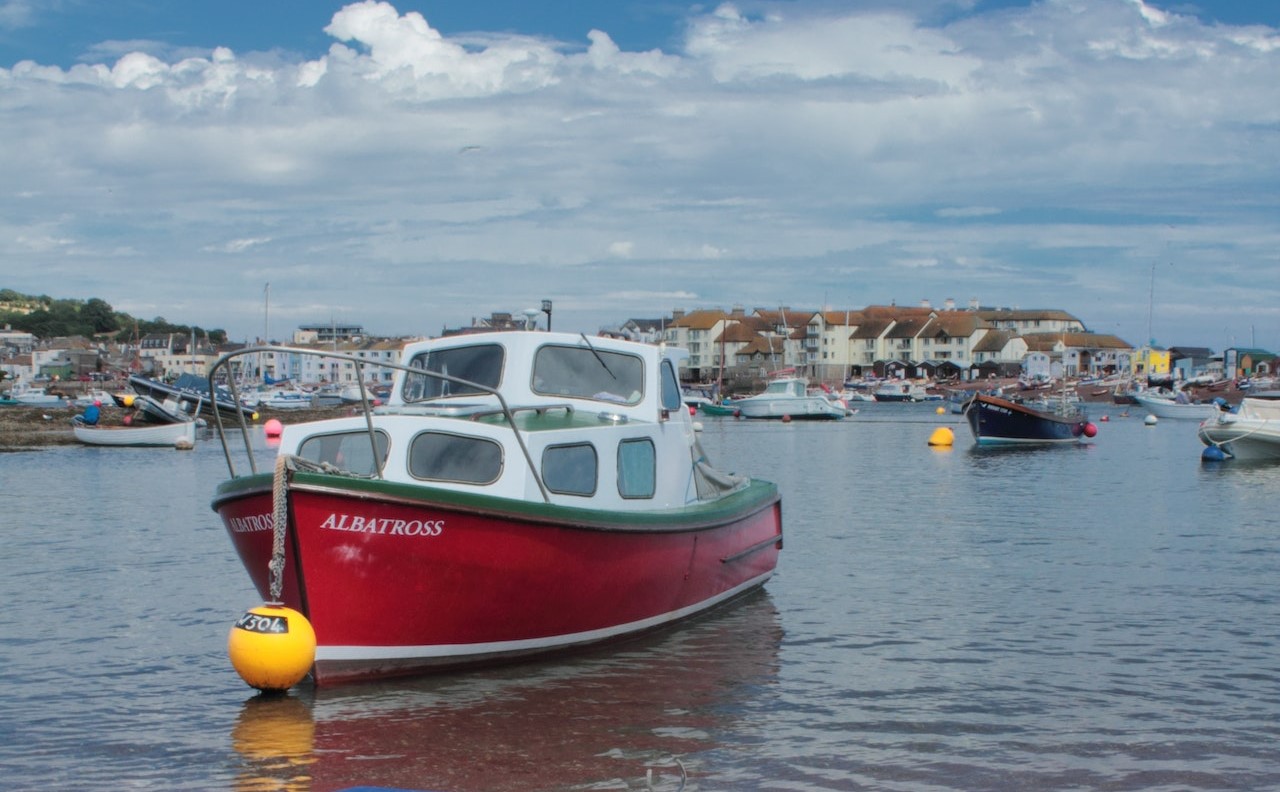
5 Ways to Dispose of Your Old Boat the Smart Way
Are You Looking for the Best Way to Say Goodbye to Your Old Vessel?
Here, you’ll discover five smart, responsible options for getting rid of your old boat, including selling, recycling, salvage yards, local programs, and donation. You’ll also see how donating to Goodwill Car Donations can provide meaningful benefits for you while creating lasting impact in your community.
Has your trusty vessel seen better days? Whether it has simply outgrown its purpose or time and tide have taken their toll, every boat eventually reaches a point when it needs to be disposed of.
If you’re wondering, “How do I properly get rid of my boat?” you’ll find answers here. Goodwill Car Donations is here to assist you in exploring sustainable, legal, and practical boat disposal options, such as the following:
- Sell or trade your boat.
If your boat still has some life left in it, selling or trading it could be the way to go. You’ll find individuals looking for a fixer-upper or a budget-friendly boat. Websites like Craigslist, eBay, or even your local marina’s bulletin board could be the perfect platforms to connect with potential buyers and find your boat a new captain.Keep in mind though that finding a buyer or a trade-in deal can take a lot of time. Plus, boats in poor condition may not fetch the price you want. - Recycle your boat.
You heard that right: Boats can be recycled! Various parts of your boat, such as metals, certain plastics, and even fiberglass, can be recycled or reused. This ensures that your boat’s legacy lives on while minimizing environmental harm. Companies specializing in boat recycling are just a Google search away. Recycling your boat is not just about bidding it farewell; it’s also about honoring its memory.It’s important to note that recycling might incur costs, which can vary depending on your boat’s size and condition. - Consider boat salvage yards.
Another good option for disposal is a boat salvage yard. Here, professionals take apart your boat, save the parts that can be reused, and recycle the rest responsibly. It’s like organ donation, but for boats! This choice helps cut down on waste and can also put some money back in your pocket by giving you a fair price for the salvaged parts, making the process a little easier financially. - Explore municipal disposal programs.
Check with your local city or county offices to see if they have programs for large item disposal or recycling. Some areas include boat disposal as part of these programs, often at little to no cost to you. - Donate your boat.
Have you considered donating to charity? Numerous organizations accept boat donations, allowing you to support a mission by contributing to essential research, education, or community programs. Moreover, you may be eligible for a tax deduction, creating a win-win situation.
When it’s time to say goodbye to your boat, take the time to choose a responsible option. Whether you decide to recycle, donate, sell, use a salvage yard, or take advantage of a local disposal program, you can find a solution that works for you while helping reduce unnecessary waste.
Boat disposal doesn’t have to become a stressful project. With a little research and some planning, you can find an option that is practical, responsible, and right for your situation. Your old boat may be finished with its days on the water, but you still have several good ways to give it a proper sendoff.
What Risks Should You Avoid When Getting Rid of a Boat?
Getting rid of an unwanted boat involves more than finding someone willing to take it. You’ll want to sure ownership is transferred properly. Titles, registration documents, and other requirements vary by state, so check your local rules before handing over the boat. If records still show you as the owner after the vessel leaves your possession, you could face complications if fees, violations, or other issues arise later.
Abandoning a boat is not a responsible shortcut. Leaving a vessel at a marina, on someone else’s property, near a boat ramp, or along a waterway will eventually leave you responsible for towing or other penalties. Even a boat that seems to have little resale value should go through a legitimate disposal process.
You should also know who is taking your boat. Research potential buyers, salvage yards, towing providers, and donation programs before agreeing to a transfer. Be cautious if a company cannot clearly explain its process or will not tell you what happens to the vessel after pickup.
Finally, give your boat a thorough check before it leaves. Remove fishing gear, electronics, paperwork, tools, clothing, valuables, and anything stored in cabinets or compartments. Completing these steps can help you avoid headaches after saying goodbye to your vessel.
What Signs Show It’s Time to Retire Your Boat?
There is not always one obvious moment when a boat reaches the end of its useful life for you, but there will be signs:
- Repairs Are Becoming Too Frequent
An occasional repair is part of boat ownership. Constant repairs are another story. Recurring engine trouble, steering problems, electrical failures, plumbing issues, or hull repairs can make a boat increasingly expensive and inconvenient to keep. If you’re repeatedly paying to fix one problem only for another to appear, compare those costs with the boat’s value and how much use you actually get from it. Continuing to repair an aging vessel may eventually stop making financial sense. - The Boat Has Developed Safety Concerns
Some problems are more serious than inconvenience. Hull damage, corrosion, soft spots in the deck, persistent leaks, unreliable steering, and faulty electrical systems can affect whether your boat is safe to operate. Do not ignore a problem simply because the vessel can still move through the water. Significant structural, electrical, or mechanical concerns should be evaluated by a qualified professional. If restoring the boat to a safe condition requires extensive work, retirement may be the more practical choice. - You Rarely Use the Boat Anymore
A boat does not need to be broken to become a burden. Perhaps it spends nearly every season at the marina or in storage while you continue paying for insurance, registration, winterization, maintenance, and storage or docking fees. If you’re spending considerably more time caring for your boat than enjoying it, consider whether keeping it still fits your priorities. - Your Boating Needs Have Changed
Life can change even when your boat hasn’t. You might relocate farther from the water, have new family responsibilities, face health or mobility concerns, or simply lose interest in boating. You do not have to wait until your vessel stops running to let it go. Selling or donating a usable boat while it still has value may provide more options than waiting until its condition deteriorates.
What Environmental Issues Come With Improper Boat Disposal?
Boats often contain gasoline or diesel fuel, motor oil, coolant, batteries, cleaners, and other substances that require careful handling. An unwanted boat can create environmental problems when it is abandoned or disposed of improperly. If containers, tanks, hoses, or mechanical components deteriorate, these materials can leak into surrounding soil or water. Pollution can eventually reach groundwater, rivers, lakes, bays, and coastal environments.
The vessel itself also contains materials that should be handled responsibly. Fiberglass, treated wood, plastics, foam, electrical wiring, and various metals may require different disposal or recycling methods. Simply dumping an entire boat does not ensure these materials are processed safely. Proper dismantling can separate potentially reusable and hazardous components before the remaining materials are discarded.
Abandoned boats can cause additional problems as they deteriorate. Pieces of debris can break loose and enter waterways or collect along shorelines. Wildlife may encounter these materials, while leaking fluids and deteriorating components can further affect sensitive aquatic habitats.
Before choosing a disposal method, explore whether your boat or some of its components can continue serving a useful purpose. Depending on its condition, resale, salvage, recycling, or donation may provide an alternative to disposal. Engines, electronics, metal parts, trailers, and other components may have reusable or recyclable value even when the entire boat does not.
Cost and convenience certainly matter when deciding what to do with an unwanted vessel, but they should not be the only considerations. Choosing a responsible boat disposal option can help you protect yourself from future problems while reducing unnecessary waste and limiting potential harm to the environment.
Like the Sound of Boat Donation?
If you like the idea of using your old vessel to share with those in need while receiving a tax deduction, consider donating it to Goodwill Car Donations. By doing so, you’ll transform it into a life-enhancing tool for members of your community who are facing struggles, offering them opportunities to improve their lives.
We will auction your vessel to generate funds for the organizations serving your area. Like us, these IRS-certified 501(c)(3) nonprofits are committed to assisting Americans who face disabilities, lack of education or job experience, or other challenges, such as former incarceration or financial hardship.
Goodwill Car Donations partners with organizations to use the funding to contribute to charity, providing beneficiaries with job and skills training, employment opportunities, scholarships, livelihood assistance, disability benefits, family support, educational services, financial assistance, and other essential support services.
As a donor, you will be entitled to claim a top tax write-off in the next tax season. We’ll promptly mail you the 100% tax-deductible sales receipt of your boat after its sale.
You’ll benefit from our free hauling service that will collect your boat wherever it’s moored or stored in the United States. You won’t pay a penny. Best of all, you’ll find great satisfaction when you donate to a cause that will benefit your entire community.
You can donate more than boats to our donation program. We accept almost all types of vehicles, including those that are barely running. Visit this page for a comprehensive list of vehicles that we are happy to take.
If you have any questions or concerns, feel free to tell them to us here or call us at 866-233-8586. For more information on our donation program, including our quick and convenient donation process, head over to our FAQs page.

Let’s Uplift Lives Together!
By teaming up with Goodwill Car Donations, you’ll be able to touch so many lives in your area. Your boat donation can help them overcome their problems and empower them to succeed in life. Start the process now by dialing 866-233-8586 or filling out our online donation form!