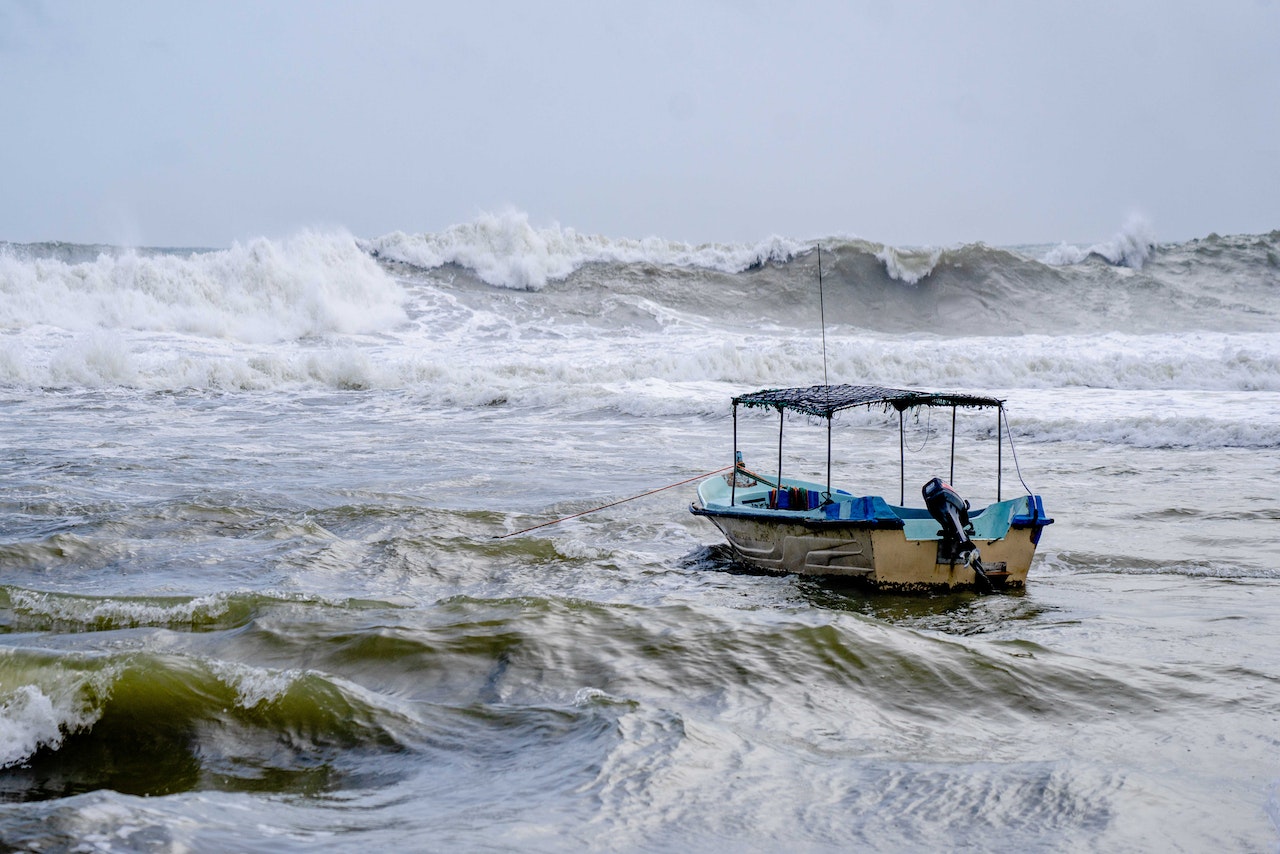
Running aground can be a nightmare for any boat owner. This happens when the water is too shallow for the vessel to float.
This situation can cause extensive damage to the boat’s hull, which is the boat’s outer shell that provides buoyancy and protects the interior. The impact can cause cracks, fractures, or punctures in the hull, potentially leading to leaks and water entering the boat.
Running aground can cause structural damage to other parts of the boat, including the keel, propellers, rudders, and other underwater components. These damages can affect the boat’s stability, maneuverability, and propulsion systems.
Such an unfortunate incident can also pose risks to passengers. When the vessel is moving quickly before running aground, its passengers may be thrown off the vessel, resulting in injuries. The passengers must brace themselves and hold onto secure objects if they sense the boat is running aground.
Furthermore, running aground can harm natural ecosystems, including corals and other marine resources. Additionally, if fuel or other pollutants leak from the boat, it can have detrimental effects on water quality and marine organisms.
Depending on the severity of the grounding, the boat may become stuck or wedged in the shallows, making it difficult to free it without assistance. The type of seabed, such as sand, mud, or rocks, can affect the ease of dislodging the boat.
Steps to Take to Keep Safe and Minimize Damage
If you find yourself in this unfortunate situation during one of your boating trips, here are some steps you can take to ensure your safety and that of your passengers and minimize damage to your boat and the environment as well:
Stop the engine.
Shutting off the engine will help prevent further damage to your boat.
Check for leaks.
Identify the source of any water entering the boat to determine the extent of the damage. This will enable you to plug the leak and prevent flooding.
Attempt to free the boat.
If only one side of your vessel has run aground, try shifting the weight to free it from the ground.
Call for assistance.
Contact the Coast Guard or a towboat for professional help. They can provide guidance and assistance in getting your boat back at sea.
Protect the environment.
If you’re in an environmentally sensitive area, take precautions to avoid further damage. Avoid attempting maneuvers that could harm marine life or delicate ecosystems.
The actions you take when your boat runs aground may vary depending on the specific situation, the size and type of the vessel, and the surrounding conditions. Prioritizing safety, minimizing damage, and seeking professional assistance are the key steps to take in such circumstances.
Looking for the Best Way to Dispose of an Unwanted Boat?
If you haven’t used your boat since your last boating mishap, it could indicate that you’re ready to part ways with it. Consider donating it to Goodwill Car Donations. By donating your boat to us, you can help empower disadvantaged individuals in your community, helping them achieve financial independence.
Once we receive your donated vessel, our team will auction it off, with the proceeds going to Goodwill organizations serving your area. These IRS-approved 501(c)(3) nonprofits share our commitment to improving the lives of disadvantaged Americans who face disabilities, lack of education, job experience, essential skills, and other personal challenges such as having a criminal record or relying on welfare.
Local Goodwill organizations use the funding we provide to offer their beneficiaries job and skills training, vocational services, scholarships, financial aid, mentoring and internship programs, disability benefits, family support, and other vital services.
As a Goodwill donor, you’ll enjoy valuable rewards. These include the free towing of your unwanted boat anywhere in the country and the opportunity to claim the highest possible tax deduction in the next tax season.
Moreover, nothing compares to the joy and satisfaction you’d feel, knowing that your donation will greatly benefit your community in terms of the jobs that it will help create for the benefit of your less fortunate fellow residents.
You can donate not just your unwanted boat but any other type of vehicle you want to dispose of regardless of its age or condition. You can donate even a car that no longer runs. To get a clearer idea of the different types of vehicles we accept, check out this page.
For information about our quick and straightforward donation process and other important details about our vehicle donation program, check out our FAQs page. For your inquiries or concerns, feel free to call us anytime through our toll-free hotline at 866-233-8586 or message us here.
You can help uplift the lives of the underprivileged residents of your community. Your car donation will provide them with limitless opportunities to gain financial freedom and live the life of their dreams. Call Goodwill Car Donations at 866-233-8586 or fill out our secure online donation form now!
If your beloved boat has just weathered a storm, it’s crucial to give it a thorough inspection before taking it out on the water again. Storms can cause significant damage to boats, and even seemingly minor issues can become problematic if left unaddressed.
By following a comprehensive inspection process, you can ensure the seaworthiness and safety of your boat for future adventures.
Goodwill Car Donations is here to guide you through each step of the inspection process, providing helpful tips and reminders along the way. Taking the time to inspect your boat not only protects your valuable asset but also provides peace of mind. Here are the steps you need to take:
Start with a visual assessment.
Take a walk around your boat and give it a good visual inspection. Look for any visible damage such as dents, scratches, or cracks in the hull or topsides. Check the rigging, mast, and sails for any signs of wear or tear. Even small damages can escalate if not addressed promptly, so keep your eyes wide open!
Check below the deck.
Next, venture below the deck and inspect the bilge area for any water accumulation. The water inside your boat can lead to serious problems like mold, electrical issues, and damage to equipment. Also, keep an eye out for any loose or disconnected hoses, broken fittings, or other signs of plumbing or electrical problems.
Look out for leaking seals.
Leaking seals can be a sneaky problem. Examine windows, hatches, and ports for signs of leaks or water intrusion. Check the integrity of the seals and gaskets. Replace them if necessary.
Test the electrical systems.
Carefully inspect the electrical systems onboard. Check the batteries for damage or corrosion. Test all lights, navigational equipment, pumps, and other electrical components to ensure they are functioning properly.
Pay extra attention to the engine.
The engine is the heart of your boat, so it’s critical to give it extra attention. Inspect the engine compartment for water, debris, or oil leaks. Check belts, hoses, and connections for damage or wear. If you’re unsure about anything, consult a professional mechanic.
Review safety equipment.
Safety should never be overlooked. Take a moment to review all your safety equipment, including life jackets, fire extinguishers, flares, and signaling devices. Everything should be in good condition and within its expiry date. Replace or recharge any items that need attention.
Not Sure What to Do with Your Barely Running Boat?
If your damaged boat is no longer functioning efficiently, it may be time to let it go. Consider donating it to Goodwill Car Donations, where we will convert it into a powerful instrument for improving the lives of disadvantaged individuals in your local community.
We will auction off your boat and turn over the proceeds to the Goodwill organizations serving your local area. These IRS-approved 501(c)(3) nonprofits assist Americans who are burdened with disabilities, lack of education, job experience, or essential skills, and other challenges such as being a former inmate or welfare-dependent, hindering their escape from poverty.
Your local Goodwill organizations use the funding to provide their beneficiaries with job and skills training, employment opportunities, scholarships, livelihood assistance, disability benefits, family support, educational services, financial assistance, and other critical support services.
Your boat donation will bring you high-value rewards. Following the sale of your donated vehicle, we’ll send you by mail its 100% tax-deductible sales receipt. This will entitle you to claim the maximum tax deduction in the next tax season.
We’ll also provide you with our professional towing service anywhere in the United States at absolutely no cost to you.
Best of all, you’ll find absolute satisfaction in doing something that will benefit your entire community when once idle members attain financial stability and live healthy, productive, and fulfilling lives.
Want to know more? The details about our easy and convenient donation process can be found on our FAQs page. For your inquiries or concerns, feel free to call us through our 24/7 toll-free hotline at 866-233-8586 or message us here.
Uplift the Lives of Americans in Need Today!
Even with its defects, your boat can significantly impact the lives of disadvantaged Americans when you donate it to Goodwill Car Donations. So, what are you waiting for? Call 866-233-8586 or fill out our secure online donation form now!
Donating Made Easy: Is a Boat Trailer Title Necessary?
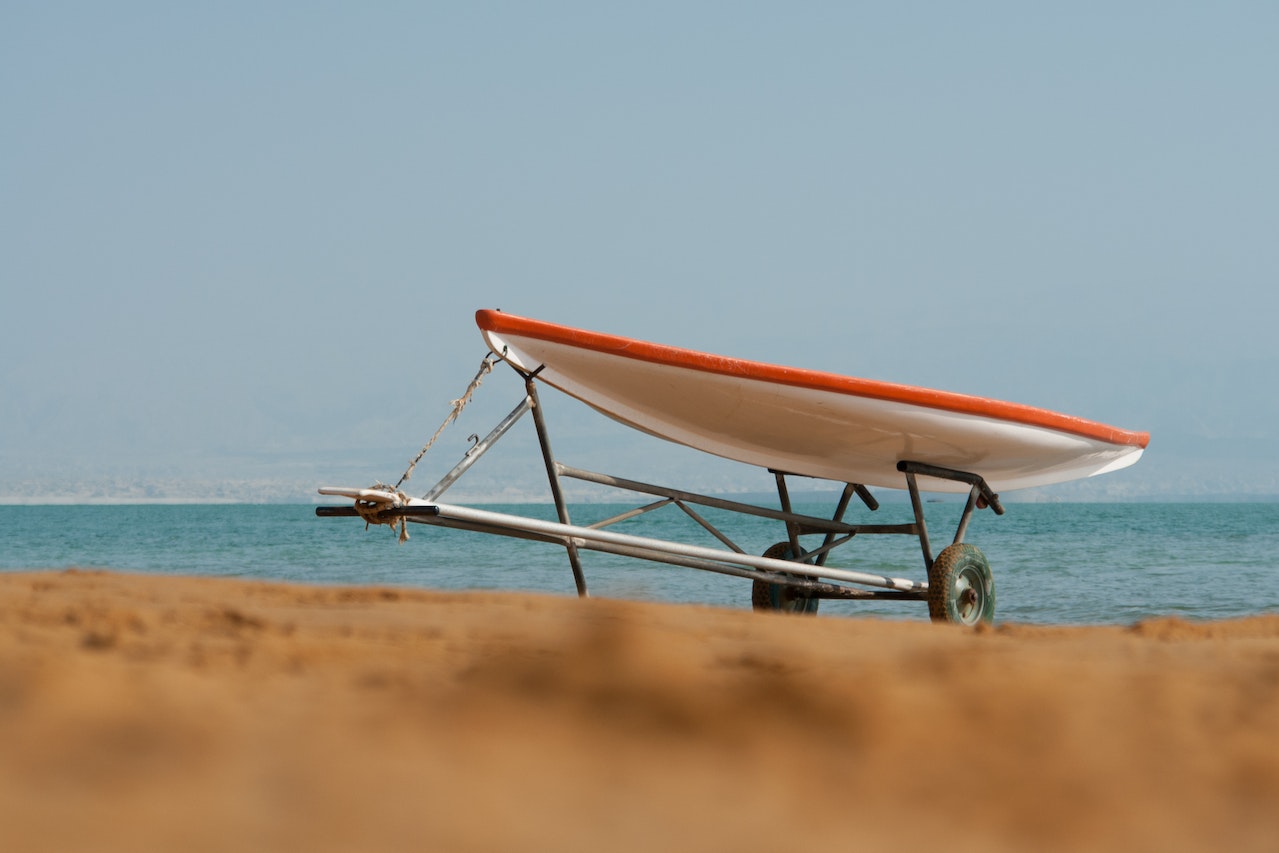
Are you thinking about donating your boat trailer but finding yourself stuck because you don’t have the title? Don’t worry, you’re not alone. The question of whether you can donate a boat trailer without a title is common, and today we’re here to provide some guidance on the topic.
So, grab a life vest, hop aboard, and let’s navigate through the world of boat trailer donations!
Why Do Titles Matter?
Titles play a crucial role in the world of vehicles, and yes, including boat trailers. They serve as legal documentation of ownership and help ensure the proper transfer of ownership. When you have a title, it proves that you are the rightful owner of the boat trailer and have the authority to sell or donate it.
The title also provides essential information about the trailer, such as its identification number, make, model, and any liens against it. Without a title, establishing legal ownership and completing the donation process smoothly can be challenging.
Check Local Regulations — Title Requirements Vary
Before you get discouraged, it’s important to note that title requirements for boat trailers can vary depending on your location.
The rules and regulations surrounding titles are typically set by state authorities. Some states may require a title for all trailers, while others may have different rules based on factors like trailer weight, length, or age. So, be sure to check the specific regulations in your area before making any assumptions.
What Are Your Solutions?
Just because you don’t have the title anymore doesn’t mean that all hope is lost. While some donation organizations may require a title, others may have alternative processes in place. Here are a few possible options:
Contact donation organizations.
Reach out to charitable organizations that accept boat trailer donations and inquire about their specific requirements. Some may have procedures in place to help you navigate the process without a title, while others have dedicated staff who can guide you through the donation process, offer solutions, or connect you with resources to help you obtain the necessary documentation.
Go for transferable registration.
In some cases, a transferable registration or a bill of sale may be accepted as an alternative to a title. This document can help establish your ownership and provide the necessary information to complete the donation.
Research state-specific rules.
As mentioned earlier, each state has its own regulations regarding boat trailer titles. Certain jurisdictions may have provisions for trailers without titles, such as providing a bond or other forms of documentation. Researching your local rules can help you find potential solutions.
Donating a boat trailer can be a rewarding experience. While having a title makes the process smoother, it’s not always an absolute requirement. By researching local regulations, exploring alternative options, and connecting with donation organizations, you can find a way to make your boat trailer donation a reality, even without a title.
Turn Your Boat Trailer into a Life-Enhancing Tool for Your Neighbors in Need!
Now that you know the rules of donating a boat trailer without a title, you’re probably wondering which platform would be your ideal choice. If you have a soft spot for the folks in your community who are struggling to survive due to poverty, Goodwill Car Donations is a great option.
We’ll put your boat up for auction, with the proceeds going straight to the Goodwill organizations serving your local area. These IRS-certified 501(c)(3) nonprofits use the funding to provide their beneficiaries with job and skills training, employment opportunities, scholarships, livelihood assistance, disability benefits, family support, educational services, financial assistance, and many other essential support services.
In exchange for your donated vessel, we’ll promptly mail you the 100% tax-deductible sales receipt of your car following its auction sale. This receipt will entitle you to claim the maximum tax deduction in the next tax season. Additionally, you’ll have your boat picked up and towed away for free regardless of where it is in the country.
Moreover, your act of charity will bring you an immense sense of satisfaction, knowing that you’ll be contributing to the growth and development of your community by empowering your needy fellow residents through work and learning.
Aside from watercraft, we also accept many other types of vehicles — from cars and motorbikes to trailers, snowmobiles, and more. They don’t even have to be in great shape when we collect them.
For more details on our vehicle donation program, you may head over to our FAQs page. If you have any questions or concerns, you may leave them here or give us a call at 866-233-8586.
Your boat trailer can make a huge impact on the lives of your less fortunate neighbors – that is if you hand it over to Goodwill Car Donations. If you’re ready to let go of it, call us at 866-233-8586 or fill out our secure online donation form now!
Donating a Boat Without a Title — Possible or Not?
You’ve got that old boat sitting in your backyard, and it’s been there for ages. You can’t even recall the last time you sailed it, and you no longer have any plans to do so, especially with the sorry condition it’s in now. That’s when you realize, there’s no point in keeping it anymore and that you might as well donate it to a charity.
But then comes the hiccup — the boat title. It’s lost, gone, vanished. You might be wondering, “Can I donate my boat even without a title?”
Goodwill Car Donations is here to provide answers to your questions and guide you through the donation process. We will discuss the legal perspective, how different charities handle situations like this, and steps you can take to obtain a duplicate title if necessary. Let’s explore whether we can turn your old boat into someone’s new treasure!
The Legal Perspective: Do You Need a Title to Donate a Boat?
The short answer to this question is: It depends. This primarily depends on the laws of your state and the policies of the organization to which you intend to donate your boat to.
In some states, a boat title is required for all types of watercraft, while in others, it may only be necessary for certain sizes or types of boats. To start, check with your local DMV or equivalent agency to understand the specific regulations in your state.
You should also inquire about the requirements of the charity you wish to donate to. Some charities may accept boat donations without a title, while others might require one for legal and procedural reasons.
Obtaining a Duplicate Title
If you discover that a title is required for donation, don’t worry! Most states offer a process to apply for a duplicate or replacement title. This typically involves completing an application, paying a fee, and possibly undergoing a boat inspection. Although it may take some time, obtaining a duplicate title will provide you with the necessary documentation to proceed with your generous donation.
Moreover, many charities understand the challenges involved and are ready to assist donors through the process. These organizations often have staff members who are knowledgeable about boat title laws and regulations. They can offer guidance on completing the required paperwork, provide contacts in local government agencies, and ensure a smooth process.
Remember, while obtaining a duplicate title may require patience and time, don’t let that discourage you. Securing the title not only enables you to donate your boat but also ensures the vessel can continue to bring joy and adventure in its next life. Your donation will offer invaluable support to the charity and the individuals they serve.
We’d Love to Accept Your Boat Donation!
Goodwill Car Donations is an online vehicle donation platform that specializes in assisting donors with obtaining a duplicate title of their boats or other types of vehicles in case they’ve lost it. If you’ve been searching for a solution for your missing boat title, your search ends here!
By choosing us as your charity partner, you’ll find it easy to part ways with your unwanted boat while simultaneously making a positive impact on the lives of your disadvantaged neighbors. These individuals face challenges such as disabilities, lack of skills and education, and other personal adversities that hinder their access to opportunities for employment and a poverty-free life.
We will auction off your boat, with the proceeds going directly to the Goodwill organizations serving your area. These IRS-certified 501(c)(3) nonprofits use the funds to provide their beneficiaries with job and skills training, employment opportunities, scholarships, livelihood assistance, disability benefits, family support, educational services, financial aid, and other essential support services.
Most importantly, you’ll experience the joy of knowing that your contribution will help empower the less fortunate members of your community to lead productive and fulfilling lives.
In addition to boats, we accept various other types of vehicles, including cars, trucks, RVs, motorbikes, golf carts, and more. The condition of the vehicle is not a hindrance to donating it.
If you’re curious to learn more about our vehicle donation program, including our quick and straightforward donation process, check out our FAQs page. Should you have any questions or concerns, feel free to reach us at 866-233-8586 or send us a message here.
Transform Lives with Your Boat Donation Today!
Positively impact the lives of the struggling men and women in your community through a simple act of charity. We will use your vehicle donation to turn their lives around. Call Goodwill Car Donations at 866-233-8586 or fill out our secure online donation form now!
Are You Looking for the Best Way to Say Goodbye to Your Old Vessel?
Here, you’ll discover five smart, responsible options for getting rid of your old boat, including selling, recycling, salvage yards, local programs, and donation. You’ll also see how donating to Goodwill Car Donations can provide meaningful benefits for you while creating lasting impact in your community.
Has your trusty vessel seen better days? Whether it has simply outgrown its purpose or time and tide have taken their toll, every boat eventually reaches a point when it needs to be disposed of.
If you’re wondering, “How do I properly get rid of my boat?” you’ll find answers here. Goodwill Car Donations is here to assist you in exploring sustainable, legal, and practical boat disposal options, such as the following:
Sell or trade your boat. If your boat still has some life left in it, selling or trading it could be the way to go. You’ll find individuals looking for a fixer-upper or a budget-friendly boat. Websites like Craigslist, eBay, or even your local marina’s bulletin board could be the perfect platforms to connect with potential buyers and find your boat a new captain.Keep in mind though that finding a buyer or a trade-in deal can take a lot of time. Plus, boats in poor condition may not fetch the price you want.
Recycle your boat. You heard that right: Boats can be recycled! Various parts of your boat, such as metals, certain plastics, and even fiberglass, can be recycled or reused. This ensures that your boat’s legacy lives on while minimizing environmental harm. Companies specializing in boat recycling are just a Google search away. Recycling your boat is not just about bidding it farewell; it’s also about honoring its memory.It’s important to note that recycling might incur costs, which can vary depending on your boat’s size and condition.
Consider boat salvage yards. Another good option for disposal is a boat salvage yard. Here, professionals take apart your boat, save the parts that can be reused, and recycle the rest responsibly. It’s like organ donation, but for boats! This choice helps cut down on waste and can also put some money back in your pocket by giving you a fair price for the salvaged parts, making the process a little easier financially.
Explore municipal disposal programs. Check with your local city or county offices to see if they have programs for large item disposal or recycling. Some areas include boat disposal as part of these programs, often at little to no cost to you.
Donate your boat. Have you considered donating to charity? Numerous organizations accept boat donations, allowing you to support a mission by contributing to essential research, education, or community programs. Moreover, you may be eligible for a tax deduction, creating a win-win situation.
When it’s time to say goodbye to your boat, take the time to choose a responsible option. Whether you decide to recycle, donate, sell, use a salvage yard, or take advantage of a local disposal program, you can find a solution that works for you while helping reduce unnecessary waste.
Boat disposal doesn’t have to become a stressful project. With a little research and some planning, you can find an option that is practical, responsible, and right for your situation. Your old boat may be finished with its days on the water, but you still have several good ways to give it a proper sendoff.
What Risks Should You Avoid When Getting Rid of a Boat?
Getting rid of an unwanted boat involves more than finding someone willing to take it. You’ll want to sure ownership is transferred properly. Titles, registration documents, and other requirements vary by state, so check your local rules before handing over the boat. If records still show you as the owner after the vessel leaves your possession, you could face complications if fees, violations, or other issues arise later.
Abandoning a boat is not a responsible shortcut. Leaving a vessel at a marina, on someone else’s property, near a boat ramp, or along a waterway will eventually leave you responsible for towing or other penalties. Even a boat that seems to have little resale value should go through a legitimate disposal process.
You should also know who is taking your boat. Research potential buyers, salvage yards, towing providers, and donation programs before agreeing to a transfer. Be cautious if a company cannot clearly explain its process or will not tell you what happens to the vessel after pickup.
Finally, give your boat a thorough check before it leaves. Remove fishing gear, electronics, paperwork, tools, clothing, valuables, and anything stored in cabinets or compartments. Completing these steps can help you avoid headaches after saying goodbye to your vessel.
What Signs Show It’s Time to Retire Your Boat?
There is not always one obvious moment when a boat reaches the end of its useful life for you, but there will be signs:
Repairs Are Becoming Too Frequent An occasional repair is part of boat ownership. Constant repairs are another story. Recurring engine trouble, steering problems, electrical failures, plumbing issues, or hull repairs can make a boat increasingly expensive and inconvenient to keep. If you’re repeatedly paying to fix one problem only for another to appear, compare those costs with the boat’s value and how much use you actually get from it. Continuing to repair an aging vessel may eventually stop making financial sense.
The Boat Has Developed Safety Concerns Some problems are more serious than inconvenience. Hull damage, corrosion, soft spots in the deck, persistent leaks, unreliable steering, and faulty electrical systems can affect whether your boat is safe to operate. Do not ignore a problem simply because the vessel can still move through the water. Significant structural, electrical, or mechanical concerns should be evaluated by a qualified professional. If restoring the boat to a safe condition requires extensive work, retirement may be the more practical choice.
You Rarely Use the Boat Anymore A boat does not need to be broken to become a burden. Perhaps it spends nearly every season at the marina or in storage while you continue paying for insurance, registration, winterization, maintenance, and storage or docking fees. If you’re spending considerably more time caring for your boat than enjoying it, consider whether keeping it still fits your priorities.
Your Boating Needs Have Changed Life can change even when your boat hasn’t. You might relocate farther from the water, have new family responsibilities, face health or mobility concerns, or simply lose interest in boating. You do not have to wait until your vessel stops running to let it go. Selling or donating a usable boat while it still has value may provide more options than waiting until its condition deteriorates.
What Environmental Issues Come With Improper Boat Disposal?
Boats often contain gasoline or diesel fuel, motor oil, coolant, batteries, cleaners, and other substances that require careful handling. An unwanted boat can create environmental problems when it is abandoned or disposed of improperly. If containers, tanks, hoses, or mechanical components deteriorate, these materials can leak into surrounding soil or water. Pollution can eventually reach groundwater, rivers, lakes, bays, and coastal environments.
The vessel itself also contains materials that should be handled responsibly. Fiberglass, treated wood, plastics, foam, electrical wiring, and various metals may require different disposal or recycling methods. Simply dumping an entire boat does not ensure these materials are processed safely. Proper dismantling can separate potentially reusable and hazardous components before the remaining materials are discarded.
Abandoned boats can cause additional problems as they deteriorate. Pieces of debris can break loose and enter waterways or collect along shorelines. Wildlife may encounter these materials, while leaking fluids and deteriorating components can further affect sensitive aquatic habitats.
Before choosing a disposal method, explore whether your boat or some of its components can continue serving a useful purpose. Depending on its condition, resale, salvage, recycling, or donation may provide an alternative to disposal. Engines, electronics, metal parts, trailers, and other components may have reusable or recyclable value even when the entire boat does not.
Cost and convenience certainly matter when deciding what to do with an unwanted vessel, but they should not be the only considerations. Choosing a responsible boat disposal option can help you protect yourself from future problems while reducing unnecessary waste and limiting potential harm to the environment.
Like the Sound of Boat Donation?
If you like the idea of using your old vessel to share with those in need while receiving a tax deduction, consider donating it to Goodwill Car Donations. By doing so, you’ll transform it into a life-enhancing tool for members of your community who are facing struggles, offering them opportunities to improve their lives.
We will auction your vessel to generate funds for the organizations serving your area. Like us, these IRS-certified 501(c)(3) nonprofits are committed to assisting Americans who face disabilities, lack of education or job experience, or other challenges, such as former incarceration or financial hardship.
Goodwill Car Donations partners with organizations to use the funding to contribute to charity, providing beneficiaries with job and skills training, employment opportunities, scholarships, livelihood assistance, disability benefits, family support, educational services, financial assistance, and other essential support services.
As a donor, you will be entitled to claim a top tax write-off in the next tax season. We’ll promptly mail you the 100% tax-deductible sales receipt of your boat after its sale.
You’ll benefit from our free hauling service that will collect your boat wherever it’s moored or stored in the United States. You won’t pay a penny. Best of all, you’ll find great satisfaction when you donate to a cause that will benefit your entire community.
You can donate more than boats to our donation program. We accept almost all types of vehicles, including those that are barely running. Visit this page for a comprehensive list of vehicles that we are happy to take.
If you have any questions or concerns, feel free to tell them to us here or call us at 866-233-8586. For more information on our donation program, including our quick and convenient donation process, head over to our FAQs page.
By teaming up with Goodwill Car Donations, you’ll be able to touch so many lives in your area. Your boat donation can help them overcome their problems and empower them to succeed in life. Start the process now by dialing 866-233-8586 or filling out our online donation form!
Before you dive in, here’s what you’ll learn in this guide: You’ll get a clear look at why your car’s trade-in value often feels lower than expected and what really goes on behind the scenes at dealerships. You’ll see how a car’s age, mileage, condition, demand and seasonal trends all influence what buyers are willing to pay. You’ll understand what makes private sales and trade-ins so different, how dealerships calculate offers and what you can do to boost your vehicle’s appraisal. You’ll also discover why donating a car to Goodwill Car Donations can be a smart, stress-free alternative that helps both you and your community.
What Should I Know About Trade-In Values?
Have you ever wondered why your well-maintained, spotless car and your trusted companion that you’ve cared for like family seems to lose so much value the moment you ask for a trade-in offer? You deserve clarity, and this guide gives you exactly that. You’re about to understand the simple, real reasons behind those numbers so you can protect your wallet and make confident choices.
First, let’s set the foundation. Your car’s trade-in value usually ends up lower than what you’d get selling it yourself. Even if you’ve treated your car with care and pride, dealers will typically offer you less than the private-sale market value.
Why? It’s not personal. It’s business and understanding that business helps you take control.
Dealerships survive by turning a profit, and you deserve to know how that affects you. To make money, they buy cars at a wholesale price (your trade-in value) and resell them at retail value. This gap is how they stay in business, handle risks and keep their doors open. When you understand this buy-low, sell-high model, you’re better equipped to evaluate whether a trade-in is worth it for you or whether another route, like selling privately or donating, suits your goals better.
What Is the Cost of Reconditioning?
Every car that hits a dealership lot must look and perform its best. When you offer your vehicle for trade-in, the dealership immediately calculates how much work it will take to get that car ready for resale. They subtract expected repair, detailing and reconditioning costs from your offer. These improvements benefit the buyer and help the dealer get top dollar later, but until then, the dealership carries the cost and the trade-in offer reflects that. When you understand this formula, you can either prepare your car in advance or accept the convenience of letting them handle it.
What Are the Costs of Doing Business?
Running a dealership involves far more than selling shiny vehicles. Employee wages, insurance, training, taxes, utilities, marketing and building costs all take a slice of every sale. These overhead expenses affect how much a dealer can reasonably offer you.
When you see the bigger picture, you understand that your trade-in offer isn’t just about your car. The trade-in value of one car is dependent on the entire structure needed to keep the dealership running. Knowing this empowers you to negotiate confidently or explore alternatives that may give you more value.
What Factors Affect a Car’s Market Value Over Time?
Your car’s value naturally shifts over time, and understanding these changes helps you make smarter decisions.
Age is one of the biggest factors. Cars depreciate quickly, especially in the first few years.
Mileage also matters because more miles suggest more wear on the engine, transmission and suspension.
Condition plays a huge role, too and even small dings, scratches or mechanical issues can hurt value.
It’s also important to consider market trends and how they shape prices. If gas prices rise, fuel-efficient cars become more desirable, while large trucks may lose appeal. You stay in control when you understand how these factors move your car’s value up or down.
How Do Private Sales Differ from Dealership Trade-Ins?
When you sell privately, you’re essentially cutting out the middleman. You market your car yourself, negotiate directly and usually walk away with more money. But you put in the time, effort and risk. Dealership trade-ins, on the other hand, focus on convenience. You trade your vehicle immediately, skip advertising, avoid meeting strangers and reduce stress. The trade-off is that the dealer handles reconditioning, paperwork and risk so they offer less. Whether you choose private sale or trade-in, the right choice depends on whether you value simplicity or a higher payout.
What Role Does Vehicle Demand Play in Trade-In Pricing?
Demand is powerful. If your model is popular (like hybrids during high gas-price periods or convertibles in warm climates) your trade-in value rises. If demand drops, so does the offer. Dealers adjust prices based on how quickly they believe they can resell your vehicle. High-demand cars move fast and require less risk, so dealers pay more. Low-demand vehicles sit longer on the lot and may need extra incentives, which lowers your offer. When you understand demand, you know how to time your trade-in for better pricing.
How Can You Research a Fair Trade-In Value Online?
To avoid walking into a dealership blind, you can research your car’s estimated value using trusted tools. Websites such as Kelley Blue Book and Edmunds let you input your make, model, mileage, features and condition to get a realistic range. While these estimates aren’t exact trade-in prices, they give you a solid starting point so you can negotiate from a position of knowledge. You can also check local listings to see what comparable cars sell for in your region. The more research you do, the more confident you become.
What Steps Can Improve a Car’s Appraisal Value?
A few simple actions can raise your offer. Start by cleaning your car thoroughly, inside and out. A clean car sends a message that you took care of it. Fix small issues such as broken lights or minor cosmetic flaws. Provide maintenance records to prove you stayed on top of care. You can also get your car detailed to maximize appeal. These steps improve your car’s appearance, and they improve the impression it makes, which translates into real value for you.
How Do Seasonal Trends Impact Car Values?
Timing can make a surprising difference. For example, 4WD vehicles tend to be more desirable in winter, while sporty models may shine in warmer months. Convertibles peak in summer and early fall when buyers crave open-air driving. These seasonal trends affect both market value and trade-in offers because dealers think ahead about resale timing. When you align your trade-in with the right season, you can earn more without doing anything extra.
What Common Mistakes Lower Trade-In Offers?
Some mistakes silently reduce your car’s value. Skipping routine maintenance makes a dealer worry about hidden issues. Failing to disclose problems damages trust and lowers offers. Ignoring cleanliness signals neglect, even when the car is mechanically sound. Not researching your car’s value leaves you vulnerable to accepting a low offer. Understanding these pitfalls helps you avoid them so you can present your car confidently and get what it’s truly worth.
How Can Mileage Affect a Vehicle’s Trade-In Worth?
Mileage is one of the quickest ways dealers judge wear and tear. Higher mileage usually means the car has lived a full life, even if it runs well. As mileage increases, the expected lifespan shortens, and the risk of repairs grows. That’s why two identical cars can have dramatically different values if one has significantly more miles. You can’t turn back the odometer, but you can maintain your car well, keep service records and show that even with higher mileage, you prioritized long-term care.
Now, we’re not suggesting you should never trade in your car. Trade-ins give you convenience, save you time and can reduce the amount you owe on your next vehicle. But when you understand why trade-in values are lower than market values, you put yourself in the driver’s seat. You can negotiate confidently or choose whether selling privately (or donating!) serves you better.
In the end, you’re balancing convenience with cash value. And now, armed with clear insights, you’re better prepared to choose the best path for your situation.
What Other Options Should I Consider for My Old Vehicle?
If your car has multiple issues or requires expensive repairs, finding a private buyer can feel overwhelming. Even preparing it for trade-in may cost more than you want to spend. That’s why you may find donating it to Goodwill Car Donations to be an easier, more meaningful choice. You avoid the hassle of repairs, marketing or negotiating and instead help support individuals in your community who need education, job training, resources and opportunities.
When you donate, we repair the vehicle as needed, sell it through an auction and use the funds to support Goodwill organizations and local programs that help people overcome barriers to employment. Your contribution becomes part of someone’s journey toward stability and independence.
Your donation also benefits you through a tax deduction and free nationwide pickup. You can donate almost any type of vehicle whether it’s running or not and feel good knowing your act of generosity supports real change.
If you need more details, visit the FAQs page or call 866-233-8586 anytime.
You have the power to help your neighbors build a better future. Donating a vehicle you no longer need takes only minutes, but it creates opportunities that last a lifetime. Call 866-233-8586 or use the secure online form to begin your donation today.
If you’re in the process of selling your property, you’ve likely come across the term “fair market value” multiple times and may be curious about its meaning and significance. Goodwill Car Donations is here to shed light on the subject.
When we talk about fair market value (FMV), we’re venturing into the realms of economics and finance. The term might sound intimidating, but it’s pretty straightforward when you break it down.
FMV is essentially an estimate of the price that a willing buyer would pay and a willing seller would accept for an item in an open and competitive market. The key factors here are freedom and competition — no pressure or coercion — just two parties engaging in a transaction with all the necessary information.
Let’s say you have something to sell, and there’s no rush or pressure. You find a buyer who’s eager to purchase your item, with no strings attached or arm-twisting involved. Both parties know all there is to know about the item, including its qualities and flaws. The price you both agree on is the fair market value — a mutually acceptable deal sealed with a handshake (or a tap on a payment app)!
Factors Influencing Fair Market Value
You may wonder how FMV is determined. Several factors come into play, including:
Supply and demand: The balance between the number of people seeking an item (demand) and its availability (supply) can significantly impact its FMV.
Quality and condition: The better the condition or higher the quality of an item, the higher its FMV tends to be.
Market information: Past transactions and prices of similar items, known to both parties, heavily influence FMV.
Why Does FMV Matter?
Fair market value isn’t just a theoretical concept; it has real-world applications, such as:
Taxation: The IRS uses FMV for various tax-related purposes, such as determining the value of charitable donations, inherited property, or calculating capital gains tax.
Insurance: Insurers often use FMV to determine the payout value for insured items that are lost or damaged.
Business transactions: FMV plays a crucial role in buying or selling businesses, setting share prices, or resolving legal disputes.
Got a Clapped-Out Vehicle You No Longer Find Useful?
If you have an old car taking up space in your driveway, it’s likely not serving any useful purpose. Rather than allowing it to deteriorate, why not consider donating it to Goodwill Car Donations?
By doing so, you not only dispose of it easily but also contribute to a cause that improves the lives of people in need in your community. They are the men and women who are burdened with disabilities, lack of education, job experience, essential skills, and other hindrances that constrain them from harnessing their full potential.
We will auction off your car and distribute the proceeds to the Goodwill organizations serving your local area. These IRS-approved 501(c)(3) nonprofits are committed to helping disadvantaged individuals, using the funding to provide them with a range of critical services such as job and skills training, career opportunities, vocational and educational services, internship programs, financial support, and disability benefits.
As a token of our gratitude, we will promptly mail you the 100% tax-deductible sales receipt of your car after its auction sale, allowing you to claim the maximum tax deduction in the next tax season.
Our donation process is fast and hassle-free — we handle all the necessary paperwork and arrange to pick up your vehicle anywhere in the United States, completely free of charge.
More importantly, your act of charity will bring you an immense sense of satisfaction, knowing that you’ll be contributing to the growth and development of your community by empowering your needy fellow residents through work and learning.
We accept a wide range of vehicle types, including those with dents, scratches, or missing parts. Cars, RVs, motorcycles, trailers, trucks, boats, golf carts, snowmobiles, fleet vehicles, and more are all welcome.
To learn more about our vehicle donation program, including our quick and convenient donation process, head over to our FAQs page. If you have questions or concerns, feel free to write them here or give us a ring at 866-233-8586. We are here to assist you!
Bring Hope to Your Less Fortunate Neighbors Today!
Show the disadvantaged members of your community that a bright future awaits them. Your car donation can certainly help make it happen. Call 866-233-8586 or fill out our online donation form to start the process now!
Taxes. The mere mention of the word can make many of us feel uneasy. Filing taxes can be complex, overwhelming, and downright confusing. However, amidst the intricacies of tax laws, there is a ray of hope called tax deductions.
Tax deductions serve as a silver lining in the world of taxes. How so? Read on, as this post will provide you with all the information you need to know about tax deductions!
Understanding Tax Deductions
Many people often ask this question: “What on earth is a tax deduction, and how can it make my life easier?”
Simply put, a tax deduction is an expense or item that the government allows you to subtract from your taxable income, reducing the total amount of taxes you owe. It’s a way to lighten your tax burden and keep more of your hard-earned money in your pocket. Who wouldn’t love that?
How Do Tax Deductions Work?
Here’s the scoop: Tax deductions work by lowering your taxable income. Let’s say you earned $50,000 last year, and you have $5,000 in tax deductions. When you file your taxes, you subtract that $5,000 from your income. As a result, you only pay taxes on $45,000. That’s a significant win!
By claiming deductions, you effectively shrink the portion of your income that is subject to taxes. This reduction can lead to significant savings, depending on your tax bracket. So, understanding which deductions you qualify for can make a substantial difference in your overall financial situation.
What Can You Deduct?
The world of tax deductions is vast, offering various opportunities to save money. While specific deductions can vary depending on current tax laws, let’s explore some common deductions you may encounter:
Home mortgage interest
If you’re a homeowner, you may be eligible to deduct the interest you pay on your mortgage. It’s a win-win for both your house and your wallet!
Medical expenses
You may be allowed to deduct a portion of your medical expenses if they exceed a certain threshold. It’s a little relief for your wallet during challenging times.
Education costs
Certain education-related expenses, such as tuition fees and student loan interest, may be eligible for deductions. This deduction is particularly beneficial for working students.
Charitable contributions
Generosity pays off in more ways than one. Donations made to qualified charitable organizations can often be deducted, offering you a warm heart and a tax break. Giving back has never been more rewarding.
Enjoy a Tax Deduction While Helping Disadvantaged Americans!
What if we told you that donating an unwanted vehicle to Goodwill Car Donations not only gives you a chance to receive a hefty tax write-off but also empowers you to uplift the lives of the disadvantaged residents of your area?
We will auction off your donated car and turn over the proceeds to the Goodwill organizations serving your area. These IRS-approved 501(c)(3) nonprofits are dedicated to improving the lives of disadvantaged Americans — those who face disabilities, lack of education, job experience, essential skills, and other personal challenges, such as past criminal records or a welfare mindset.
Your local Goodwill organizations use the funding to provide their beneficiaries with job and skills training, employment opportunities, scholarships, livelihood assistance, disability benefits, family support, educational services, financial assistance, and many other essential support services.
Within 30 days after the sale of your vehicle, you will receive a tax receipt entitling you to claim the maximum tax deduction in the next tax season.
We accept various types of vehicles, including sedans, trucks, boats, motorcycles, RVs, golf carts, and more. Head over to this page to learn more.
If you have any questions or concerns, feel free to leave them here or call us at 866-233-8586. For more information on our donation program, including our quick and hassle-free donation process, you may check out our FAQs page.
Your old clunker of yours can play a role in improving the lives of distressed men and women in your community. All you have to do is donate it to us. Call Goodwill Car Donations at 866-233-8586 or click here to begin your donation process now!
Did you know that your boat has a unique code that reveals vital information about it? It is called the Hull Identification Number (HIN) or hull ID.
Why should you care about it? Well, this 12-character code is much like a fingerprint, telling a unique story about your boat and sharing key information that could come in handy in various situations. This identifier becomes crucial if your boat is lost, stolen, or involved in legal or safety issues. The hull ID provides the quickest way to track a vessel’s history. It can also help you verify manufacturing details if you’re buying a used boat.
Now that you know the “what” and “why” of the hull ID, the next step is to find out “where” it is on your boat. Its location is standard across most boats, but if you don’t know what you’re looking for or where to look, it could be frustrating. But don’t worry, we’re here to lead the way!
Locating Your Hull ID
The hull ID is like the Vehicle Identification Number (VIN) that we see on cars. However, it can often be elusive, hiding in plain sight, waiting for the curious eye to discover it.
In most cases, the hull ID is located on the stern of your boat, on the right or starboard side, just below the uppermost point known as the gunwale. If it’s not there, it may be on a plaque inside the boat. The HIN should be etched or embossed and consist of 12 characters.
It’s advisable to cross-check the hull ID, as some boats have it located in two places. Make sure that the numbers match. If they don’t, you may need to investigate further to avoid any potential issues.
When Your Boat Doesn’t Have a Hull ID
Keep in mind that not all boats have a HIN. If your boat was built before November 1972, it might not have one. In such cases, you should reach out to your state boating agency for guidance.
Got a Hardly Running Boat That You No Longer Need?
Planning to dispose of an old vessel that has been sitting idle in your backyard for ages? Tired of paying for its costly insurance, maintenance, and storage? We have a solution for you: Instead of selling your unwanted boat and potentially losing instead of earning money (since you have to pay for its costly repairs first to make it sellable), consider donating it to Goodwill Car Donations! We will use your boat to uplift the lives of the impoverished people in your community.
Our team will put your vessel up for auction, with the proceeds going to the Goodwill organizations serving your area. These IRS-certified 501(c)(3) nonprofits are committed to helping disadvantaged Americans who are facing challenges such as disabilities, lack of education, job experience, and other personal obstacles like having a criminal record or being trapped in a welfare mentality.
The funds raised from your boat donation will support these organizations in providing crucial services, such as job and skills training, employment opportunities, scholarships, financial aid, family support, disability benefits, educational services, and many others.
As our way of saying thanks, we’ll send you a tax receipt within 30 days of selling your boat donation. This receipt will allow you to claim the maximum tax deduction in the next tax season.
Additionally, you won’t need to worry about finding a licensed towing company — our services include FREE towing wherever your boat is moored or stored anywhere in the United States.
Most importantly, your act of charity will bring you a profound sense of personal fulfillment, knowing that you’re making a positive impact on the lives of less fortunate individuals in your community, helping them unlock their potential and improve their quality of life.
In addition to boats, we accept various other types of vehicles, regardless of their condition. For a comprehensive list of qualified vehicles, please visit this page.
If you’re interested in learning more about our vehicle donation program, including our quick and convenient donation process, you can head over to our FAQs page. For any questions or concerns, feel free to leave them here or contact us at 866-233-8586.
Make the Best Use of Your Troublesome Vessel Today!
There’s no better way to say goodbye to your old boat than by turning it into a source of hope for the less fortunate folks in your community. There’s no doubt that you’ll get to play a role in transforming their lives when you donate it to us. So, what are you waiting for? Call Goodwill Car Donations at 866-233-8586 or fill out our secure online donation form now!
Whether you’re an avid boat owner, a maritime enthusiast, or a prospective buyer looking for your first vessel, there’s an important sequence of numbers and letters that plays a crucial role in the boating world. This sequence is known as the Hull Identification Number (HIN). Though it may initially seem cryptic, it holds vital information about your boat’s identity.
If you’ve ever wondered about the mysterious code affixed to the rear of your boat and want to know what it’s all about, you’ve come to the right place. We’re here to explain what the HIN is, why it’s essential, and how to decode it. Let’s get started!
HIN: Your Boat’s Unique Fingerprint
The HIN functions as a social security number for boats. It is a unique identifier that enables various parties to track your boat’s history, identify its specifications, and locate its owner if needed. You can find the HIN permanently affixed to the rear of your boat, typically on the right side of the hull.
However, it’s important not to confuse the HIN with your boat’s registration number. They serve different purposes. While the registration number changes if the boat is sold, the HIN remains constant, much like a permanent tattoo.
The Structure of the HIN
The HIN consists of a 12-character alphanumeric code. At first glance, it may appear as a random combination of letters and numbers, but there’s a method to the madness. Each segment of the code provides specific information about your vessel.
Let’s break it down:
The first three characters form the Manufacturer Identification Code (MIC). This tells you who built the boat.
The next five characters are the hull or serial number. This sequence is unique to each boat manufactured by a particular builder.
The last four characters indicate the boat’s production date and model year. The first two of these characters signify the month and year of production, while the last two represent the model year.
Why Is the HIN so Important?
Now, you might be thinking, “Okay, this is interesting, but why should I care?” Well, there are a few good reasons.
Firstly, the HIN is crucial when purchasing a used boat. It enables you to trace the boat’s history and check for any liens or damages you should be aware of. It’s like conducting a background check before going on a date.
Secondly, in the event of a recall or safety alert, the manufacturer can use the HIN to identify and contact boat owners. It’s the simplest way for them to notify you if any issues require attention.
Lastly, in cases of theft, law enforcement relies on the HIN to identify and track stolen boats. While we hope you never have to encounter this situation, it’s reassuring to know that the HIN can aid in recovering stolen property.
Think It’s Time to Part Ways with Your Old Boat?
If your timeworn vessel has been giving you nothing but financial woes and headaches lately, maybe it’s time to bid it farewell. After all, why keep it when you know it will continue encountering problems due to its age?
Here’s the easiest way to get rid of it: Donate it to Goodwill Car Donations. Not only will you dispose of it for free, but you also get to play a part in improving the lives of the less fortunate individuals in your local community.
We will auction off your boat, with the proceeds used to support the life-enhancement and community-building programs of the Goodwill organizations serving your local area. These IRS-certified 501(c)(3) nonprofits cater to Americans facing disabilities, lack of essential skills, limited education or job experience, welfare dependency, or prior incarceration.
Your local Goodwill organizations use the funding to provide their beneficiaries with job and skills training, employment opportunities, scholarships, livelihood assistance, disability benefits, family support, educational services, financial assistance, and many other essential support services.
As a donor, you will be entitled to claim the maximum tax deduction in the next tax season. Expect a 100% tax-deductible receipt in your mailbox within 30 days after the sale of your donated vessel. You will also benefit from our free towing service, which is available to donors in all parts of the United States.
Best of all, your act of charity will bring you an immense sense of personal satisfaction, knowing that you’ll be helping the less fortunate folks in your area find opportunities for using their potential to improve the quality of their lives.
Aside from boats and cars, we accept many other types of vehicles such as RVs, motorcycles, golf carts, trucks, and snowmobiles — you name it. We don’t even mind taking those that are no longer in good condition.
If you have any questions or concerns, you may write to us here or contact us at 866-233-8586. For more information on our donation process, you may head over to our FAQs page.
Your boat may no longer serve you any purpose, but for the disadvantaged folks in your community, it can impact their lives in many positive ways. Call Goodwill Car Donations at 866-233-8586 or fill out our secure online donation form now!
We operate in all 50 states
For more information regarding the car donation process in your area, click on your state below!
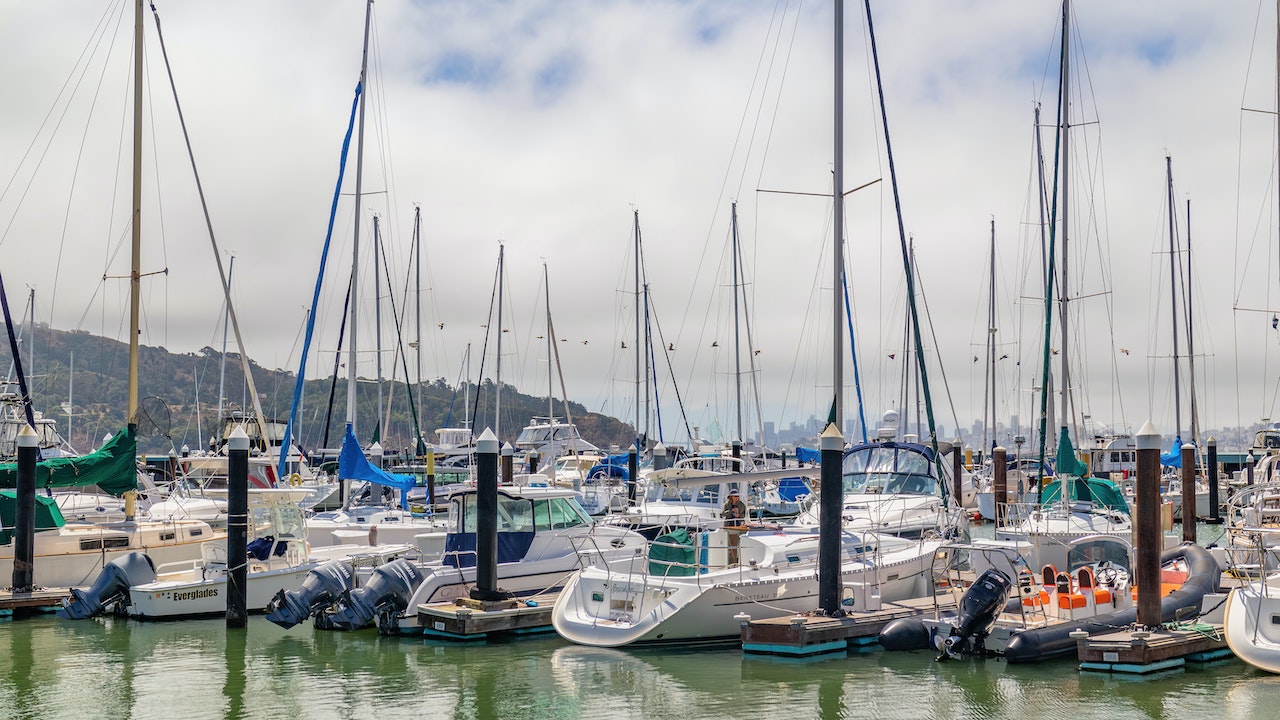
 Photo by Zukiman Mohamad under Pexels License
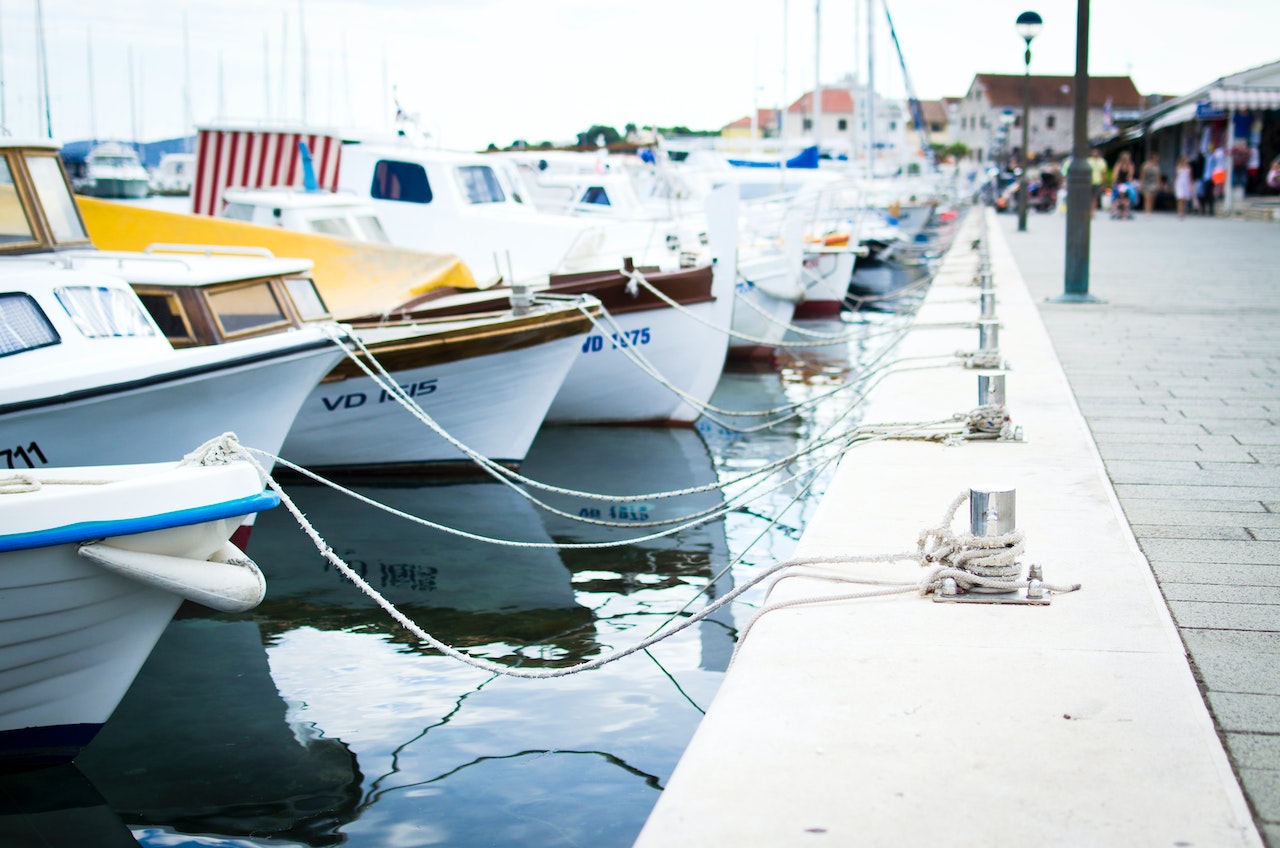
 Photo by Jeswin Thomas under Pexels License