12 Signs Your Car’s Fuel Pump Is About to Fail

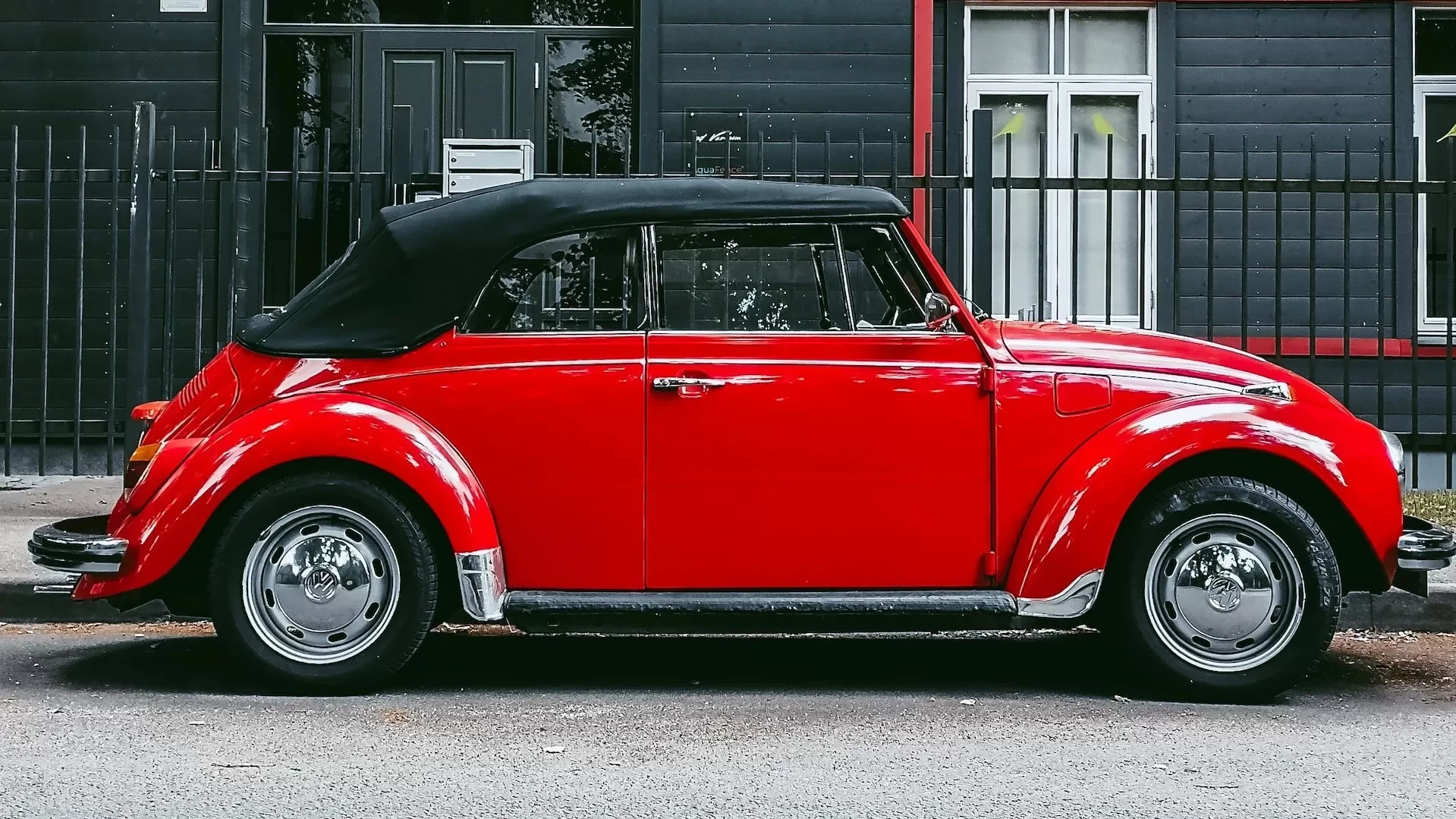
red car parked beside white and gray house

A weak fuel pump can make a normal drive feel unpredictable. Your car may start slowly, lose power, sputter, stall, or make a strange sound near the fuel tank. These problems can be easy to blame on old age, bad gas, or a tired battery, but they may point to a fuel system that needs attention.

This guide is for drivers who want to spot fuel pump trouble before the problem leaves them stuck. It will explain what the fuel pump does, the warning signs to watch for, and the steps that can help you decide if repair or donation makes more sense for an older vehicle.

How Fuel Pumps Work Inside the Fuel Tank

The fuel pump moves gas from the tank to the engine. The engine needs the right amount of fuel at the right pressure to start, idle, accelerate, climb hills, and keep running. When that flow drops, the engine may act like it is not getting enough power.

In many modern vehicles, the pump sits inside the fuel tank. The fuel around it helps keep the pump cool while it works. That is one reason running very low on gas again and again can be hard on the pump. Dirt, old fuel, and a clogged filter can also put extra strain on the system.

Top Signs of a Bad or Failing Fuel Pump

A bad fuel pump does not always fail all at once. In many cases, the warning signs show up during high demand, such as highway driving, quick acceleration, hill climbing, or long drives. Some symptoms are urgent because they can affect control of the vehicle in traffic.

Here are the top warning signs to watch for and what they may mean.

Engine Cranks but the Car Won’t Start

A car that cranks but doesn’t start can be frustrating. First, make sure the starter sounds normal and the battery has enough power. If the engine turns over but never catches, fuel delivery may be the problem.

When you turn the key or press the start button, you may hear a brief hum from the tank area as the pump primes. No sound does not prove fuel pump failure by itself, but it gives a repair shop a useful clue. A relay, fuse, wiring issue, or empty tank can cause similar trouble.

Trouble Starting or Longer Cranking

A bad fuel pump may still work part of the time. You may notice longer cranking, repeated start attempts, or a start that feels weak before the engine settles. This can happen when the pump is slow to build pressure.

Whenchoosing a mechanic, look for a shop that can test fuel pressure at the rail and compare the reading with service information. The shop may also check the fuel pump relay and fuse before replacing the pump. That matters because a smaller electrical problem can look like a bad fuel pump.

Engine Sputters at High Speeds

Engine sputtering at highway speeds is one of the more common signs of a failing fuel pump. The car may feel like it’s missing, jerking, or losing power while you hold a steady speed.

This can happen when the pump can’t keep fuel pressure high enough for the engine. If the sputter happens on a safe stretch of road, note the speed, road condition, and fuel level. Do not try to force the symptom in unsafe traffic.

Loss of Power When Accelerating

A faulty fuel pump may also show up when you press the gas pedal. The vehicle may hesitate, feel sluggish, or take longer than usual to respond. This can be more noticeable when merging, passing, or carrying extra weight.

Acceleration asks for more fuel. If the pump cannot supply enough, the engine may feel starved. Write down when it happens, such as during a hill, with a full load, or after the engine is warm. Those details can help a technician find the issue faster.

Frequent Stalling While Driving

Stalling while driving is one of the most serious fuel pump failure signs. The engine may shut off at idle, at low speed, or after the car has been running for a while. This can be dangerous in traffic, at intersections, or on busy roads.

If this happens, avoid driving in heavy traffic until the vehicle is checked. If you can do so safely, record when the stall happened, the fuel level, the temperature, and how long the engine had been running. Even a short note can help the shop narrow down the cause.

Unusual Whining Noise From the Fuel Tank

A whining sound near the fuel tank can point to a pump that is working too hard. Some fuel pump sound is normal, but a loud, new, or high-pitched whine should not be ignored.

Listen for when the noise appears. Does it happen when you first turn the ignition on? Does it get louder after a long drive? Does it change when the tank is low? These details can help separate pump noise from exhaust, tire, or suspension sounds.

Decreased Fuel Efficiency and Related Symptoms

A faulty fuel pump can also affect fuel efficiency. If the engine is not getting fuel in the right way, it may run rough, feel weaker, or need more fuel than usual to do the same work.

Other problems can also hurt fuel economy, including tire pressure, dirty sensors, bad gas, or worn ignition parts. Track recent fill-ups, driving habits, and any new symptoms before blaming the pump alone.

Sudden Surges and Fuel Pressure Changes

Sometimes a failing fuel pump causes the opposite of hesitation. The car may surge, jerk, or feel like it briefly speeds up while you are cruising. That can happen when fuel pressure rises and falls instead of staying steady.

A shop may test for unstable fuel pressure and check for intermittent electrical faults. This is another reason diagnosis matters before replacing parts.

Difficulty Climbing Hills or Towing

Hills and towing place more demand on the engine. A weak pump may seem fine during light driving, then struggle when the engine needs more fuel. The vehicle may slow down, hesitate, or feel like it cannot hold speed while climbing a hill, carrying extra weight, or pulling a trailer.

Do not test this in a risky way. If the pattern shows up during normal driving, note the conditions instead of trying to force the problem. Avoid heavy traffic, steep roads, or any situation that could leave you stuck.

If the issue happens, note the speed, RPM, road grade, load, and how the engine felt. It also helps to write down whether the car hesitated, lost power, surged, or sounded different. Bring those details to the repair shop so the technician has a clearer starting point.

Overheating Fuel Pump After Long Drives

A weak fuel pump may act worse after a long drive. The engine may stall, lose power, or become harder to restart. Once the pump cools down, the car may start again, which can make the issue harder to track.

Low fuel can also make this issue worse. The fuel around the pump helps keep it cool, so driving often with a low tank may add stress to an already worn pump.

If this pattern happens, write down how long you were driving, how much fuel was in the tank, and what happened after the car sat for a while. A repair shop may test the vehicle after a cool-down period and compare the results to what happens during a longer drive.

Engine Misfires Under Load

A bad fuel pump can contribute to misfires when the engine is under load. The car may shake, flash a warning light, or feel rough during acceleration. A fuel line issue, clogged filter, injector problem, or ignition issue can cause similar symptoms.

Because misfires can damage other parts, have the vehicle checked promptly. A technician may inspect the fuel line, fuel filter, injectors, spark system, and fuel pressure before identifying the pump as the cause.

Check Engine Light With Pump Symptoms

A check engine light does not always mean you have a bad fuel pump. It can point to many issues, including sensors, emissions parts, ignition problems, or fuel system trouble.

Still, the light matters when it appears with other fuel pump failure symptoms. If your car also sputters, stalls, cranks too long, loses power, or surges while driving, have the codes scanned and saved. Bring those codes, along with your notes about when the problem happens, to the repair shop.

Repair, Replace, or Donate After Fuel Pump Failure

Fuel pump repair can be a simple decision if the rest of the car is in good shape. It may be worth replacing the pump, filter, relay, or related parts so the vehicle can keep serving you.

The decision can feel different when the car already has a long repair list. If fuel pump failure comes with engine trouble, body damage, brake issues, tire wear, or other costly problems, the automobile may no longer be worth fixing.

Goodwill Car Donations gives you another option. A car, truck, or other unwanted vehicle may still have value even if it does not run. Through donation, that vehicle can help support programs that assist people with job training, skills, and other community needs.

If your older automobile is becoming a burden, contact Goodwill Car Donations and ask how the donation process works. Your unwanted vehicle could stop taking up space and start helping someone else.

Is Your Differential Failing? Watch for These 5 Red Flags

Gray Mercedes Benz coupe on black asphalt road during daytime

Your car has a lot of parts working together every time you drive, and the differential is one of the most important. It lets your wheels turn at different speeds, which matters most when you go around a corner. Without it, your tires would drag, skip, and wear out fast.

A failing differential does not always stop your car right away. The problem usually starts small and gets worse. Strange sounds, leaks, shaking, poor handling, and uneven tire wear can all point to differential trouble. Ignore those signs long enough, and you could end up stranded or facing a repair bill much bigger than it needed to be.

Your car will usually give you a few warnings before the differential fails completely. Here are five signs to watch for.

5 Signs Your Car Differential Is About to Fail

Sign #1: Strange Noises While Driving

Whining, grinding, humming, or howling sounds are often the first clue that a differential is starting to fail. The noise may start out faint, then grow louder over weeks or months. Pay attention to when it happens. A whine that shows up during turns, acceleration, or highway speeds usually points to low fluid or worn gears. A grinding or clunking sound tends to mean parts inside the differential have already been damaged.

Inside the differential, gears and bearings have to fit together and move smoothly. Once they wear down, they no longer mesh the way they should, and metal starts rubbing or knocking against metal. That is where the noise comes from.

None of this gets better on its own. A minor noise today can mean a seized differential in a few months. Keep in mind that not every strange sound comes from the differential. Some noises point to transmission, suspension, or brake trouble instead, so if you are unsure what you are hearing, it is worth reading about other warning signs of car trouble to narrow it down.

Sign #2: Leaking Differential Fluid

The differential relies on gear oil to stay cool and lubricated. Without enough of it, the internal parts overheat and wear out fast.

Look for dark, thick fluid pooling under your vehicle. Where you find it depends on your car’s setup. Rear-wheel-drive vehicles usually have a rear differential, front-wheel-drive vehicles often build the differential into the transmission, and four-wheel-drive or all-wheel-drive vehicles may have more than one to check.

Differential fluid is heavier than engine oil and has a distinct, strong smell, so a leak is usually easy to spot once you know what to look for. Low fluid means less lubrication, which shows up first as a whine and later as real gear damage. A burning smell is a bad sign too. It usually means the fluid has overheated, whether from a low level or from age.

A leak on its own does not mean the differential has failed. Often a mechanic can replace a worn seal, refill the fluid, and send you on your way. Wait too long, though, and a small fix can turn into a full differential replacement.

Sign #3: Poor Handling or Steering Problems

Since the differential controls how your wheels turn at different speeds, a failing one changes how your whole car handles, especially around corners.

You might notice the car pulling to one side, shaking mid-turn, or feeling unsteady on curves, almost like it is fighting you instead of following the wheel. That happens because the outside wheel needs to travel farther than the inside wheel in every turn, and the differential is what makes that possible. When it is not working right, the tires drag, bind, or skip instead of rolling freely.

This is not just annoying. It is a real safety issue, especially in rain, snow, or ice, when your tires already have less grip to spare. Waiting to see if unstable handling improves on its own is a bad bet.

Worn shocks, struts, or bad alignment can cause similar symptoms, so if the car pulls or bounces on the road, it is worth checking these signs your car needs suspension repairs alongside the differential.

Sign #4: Vibrations While Driving

Shaking through the seats, floorboard, or steering wheel is another common warning sign. It often starts mild and gets stronger as your speed increases.

Worn gears, bearings, or a damaged driveshaft can all create this kind of vibration. Some drivers notice it most while accelerating, others while turning or cruising at highway speed.

Either way, it is your car telling you something inside the drivetrain is not moving the way it should.

The drivetrain carries power from the engine to the wheels, and its parts depend on each other. A struggling differential puts extra strain on axles, driveshaft components, and tires, so a problem that starts in one spot rarely stays there.

Vibration has plenty of other possible causes too, including unbalanced tires, wheel damage, worn suspension parts, or transmission trouble. But when it shows up alongside whining, leaking fluid, or rough handling, the differential deserves a closer look soon.

Sign #5: Uneven or Fast Tire Wear

A struggling differential can send power to your wheels unevenly, and that shows up as one tire wearing down faster than the rest. You may also notice tires dragging, skipping, or chirping through turns as the wheels fail to rotate at their proper speeds.

Uneven wear is easy to miss until it gets bad. Check for bald patches or tread that looks noticeably thinner on one tire compared to the others.

Replacing worn tires without fixing the differential rarely solves anything. New tires on a bad differential just wear down the same way, and you end up paying twice for one problem.

Alignment issues, low tire pressure, and rough driving habits can also cause uneven wear, but paired with other symptoms on this list, it is worth having the differential checked before you replace anything.

Why You Should Not Ignore Differential Problems

Differential problems rarely fix themselves. A small leak or faint noise today can turn into serious, expensive damage if you keep driving on it.

Complete failure can leave your car unable to move at all, and in some cases the wheels can lock up mid-drive. That is a dangerous position to be in, whether you are stuck in your driveway or on the highway.

Catching the problem early almost always costs less. Changing old fluid or replacing a worn seal is a fraction of the price of a full differential replacement, and waiting only raises the risk of damage to your axles, bearings, and driveshaft.

If you hear odd sounds, spot fluid under your car, feel shaking, or notice your handling has changed, get it inspected soon. A mechanic can check fluid levels, look for leaks, and tell you how serious the problem really is. Since transmission failure can cause some of these same symptoms, like noise, shaking, or trouble shifting, it is also worth reading up on warning signs of transmission failure if something feels off.

Basic Differential Maintenance Tips

Regular fluid changes are the single best thing you can do for your differential. The fluid breaks down over time and picks up metal shavings from normal wear, so check your owner’s manual for the recommended change interval.

Some driving habits wear a differential out faster than others. Heavy towing puts extra load on the gears. Off-roading exposes the differential to dirt, water, and rocks. Stop-and-go traffic generates more heat than steady highway miles. If any of that describes your driving, plan on more frequent checks.

Look under your car occasionally, especially after it has sat overnight, and pay attention to any new noise while driving. Catching a whine or a small leak early is a lot cheaper than catching it late.

Have an Older Vehicle You No Longer Want to Repair?

Watching for these five signs, unusual noise, fluid leaks, poor handling, vibration, and uneven tire wear, can save you from a breakdown and a much bigger repair bill. The earlier you catch a problem, the more options you have.

That said, some vehicles reach a point where repairs stop making sense. High mileage, body damage, and a growing list of drivetrain issues can add up to more than the car is worth fixing.

An aging vehicle can still do good even if it is done driving. Through charitable donations, your unwanted car is sold and the proceeds go toward programs that provide support, care, and resources for people who need them. You will not need to worry about a failing differential, a dead battery, or a cracked windshield either.

Donating instead of repairing or scrapping an old vehicle can also work out better for you at tax time, since your donation may qualify for a tax deduction. More importantly, the proceeds help fund job training, education, and other services that make a real difference for people in your community. A car with a worn-out differential might not be worth fixing, but it can still be worth something.

Goodwill Car Donations accepts most vehicles in any condition, running or not, and will typically arrange free towing, so you do not have to pay to move a car you no longer drive. If you are ready to stop pouring money into a car that keeps breaking down, contact Goodwill Car Donations and turn it into something that helps someone else.


Here Are Five Clear Signs That Your Car’s CV Joints Are Starting to Fail.

Donating Car Without Current Insurance | Goodwill Car Donations

Your car’s CV joints quietly do one of the most important jobs on the road. These parts help move engine power to your wheels while still allowing your vehicle to steer, turn, and ride smoothly.

Most drivers do not think about them until something feels or sounds wrong. That is why early warning signs matter. A small noise or shake can seem easy to ignore when the car still starts and drives, but waiting too long can lead to larger repair costs. CV joints failing can also cause bigger axle, steering, and safety problems if ignored.

A CV joint is part of the axle system. It helps the wheels receive steady power even as the suspension moves and the front wheels turn. When the joint wears down or loses grease, the movement becomes rough. That rough movement can show up as clicks, shakes, pulling, or unusual tire wear.

Your automobile will often give warning signs before the problem becomes serious. Paying attention can help you decide when to schedule an inspection and when an older car may no longer be worth keeping.

Here are five clear signs to watch for if you think your CV joints are starting to fail.

5 Clear Signs Your Car’s CV Joints Are Starting to Fail

Sign #1 – A Clicking or Popping Sound When You Turn

A clicking or popping sound during a turn is one of the most common signs of a worn CV joint. Many drivers first hear it while pulling into a parking space, turning at an intersection, or making a slow turn in a driveway. The sound may be light at first, but it often becomes louder as the joint keeps wearing down.

This noise often follows the rhythm of the wheel. When you straighten the wheel, the sound may fade or stop. That change can make it tempting to ignore the problem, but quiet moments do not mean the joint is healthy.

The sound happens because the joint can no longer move smoothly under load. A healthy CV joint turns with little trouble as the wheels change angle. A worn joint has extra movement inside it, so it can click or pop when the wheel is turned and power is being sent to the tire.

Do not wait for the noise to bother you on every drive. If your car clicks when you turn, have a mechanic look at the axle and boot.

Sign #2 – Vibrations Through the Steering Wheel or Floor

Another sign of CV joints failing is a shake or vibration that you feel through the steering wheel or floor. This can be easy to mistake for a tire balance issue, a rough road, or worn suspension parts. If this happens, pay attention to when the vibration starts and how it changes as you drive.

A worn CV joint may cause the car to shudder when you accelerate. The shake may feel stronger when you press the gas and lighter when you coast. It may also seem to come from the front of the vehicle, especially in many front wheel drive cars.

The vibration can happen because the joint is no longer delivering power evenly. Instead of smooth movement, the axle may wobble or bind. That uneven motion travels through the car, which is why you can feel it even when the problem is hidden under the vehicle.

Vibration should never be brushed off. It can come from several parts of the auto system, and some of those parts affect control of the car. A mechanic can check the tires, suspension, axle, and CV joints to find the cause.

Sign #3 – Grease on the Inside of Your Tires or Under the Car

Each CV joint is covered by a rubber boot that holds grease inside. That grease helps the joint move smoothly and reduces wear. The boot also keeps dirt, water, and road grit out. When the boot cracks, splits, or comes loose, the grease can leak out and grime can get in.

You may see dark, sticky grease on the inside edge of a tire, around the wheel well, or along the axle area. As the axle spins, the grease may appear as messy streaks instead of one clean spot. If you notice this while checking tires or washing your car, take it seriously.

A torn boot may not make noise right away. That is part of what makes it tricky. The joint may still feel normal for a while, but it is losing the grease it needs to work well. Once dirt and moisture enter the joint, the damage can speed up.

Regular visual checks help. You do not need to be a repair expert to spot a greasy mess near the tires or under the front end. If you see grease where it should not be, ask a shop to inspect the CV boot and joint.

Sign #4 – Difficulty Steering or the Car Pulling to One Side

A failing CV joint can also affect the way your car feels when you steer. You may notice that the wheel feels stiffer than usual or the car seems to pull to one side during a turn. These signs can make your daily drive feel less steady.

Steering problems can come from many causes, including tire pressure, alignment, brakes, and suspension parts. Still, the CV joint belongs on the list when the issue appears with clicking, grease leakage, or vibration during acceleration.

When the CV joint cannot move freely, power may not reach the wheels in a smooth way. The joint may bind or shift unevenly as you turn. That can make the vehicle feel like it’s fighting your steering input instead of following it.

A car that pulls or feels hard to steer can become stressful in traffic, on ramps, or in tight parking areas. If it changes without a clear reason, schedule an inspection and describe every sound, shake, or pull.

Sign #5 – Uneven Tire Wear

Uneven tire wear is another clue that something isn’t working as it should. When a CV joint cannot deliver power smoothly, the tires may not make contact with the road in a consistent way. The result can be wear that looks heavier on one side, in patches, or in a pattern that does not match the other tires.

Tires can wear unevenly for several reasons. Poor alignment, low tire pressure, worn shocks, and brake problems can all play a part. Tire wear alone does not prove that a CV joint is bad, but it does mean the car needs a closer look.

Check your tires during normal care, such as adding air or cleaning the vehicle. Look at the inside and outside edges when you can do so safely. If one tire seems to be wearing faster than the others, ask a repair shop to inspect the related parts.

Uneven tire wear can cost you more than the price of tires. It can point to a hidden issue that affects how the car drives. When it appears along with clicking, vibration, grease, or steering trouble, failing CV joints become a stronger possibility.

What to Do If Repairing Your Car Isn’t Worth It

Sometimes a repair estimate makes the choice clear. If your car needs axle work along with other repairs, you may decide the automobile is no longer worth fixing.

You still have a useful option. Goodwill Car Donations accepts vehicles in a wide range of conditions, including those that need repairs. Your old car, truck, or other unwanted vehicle can be turned into support for programs that help people build job skills, find work, and improve their lives.

This type of donation can also remove a problem from your driveway. Instead of paying for repairs that do not make sense, you can let the vehicle serve a new purpose through charity.

Goodwill Car Donations makes the process simple for donors. You can reach out, share basic details about the vehicle, and learn the next steps. Your vehicle does not need to be in perfect shape to have value. Even if it needs repairs, it may still help fund local programs that support people in your community.

If CV joint problems are only one item on a growing repair list, think about the bigger picture. If the vehicle also has tire, brake, steering, or engine concerns, another repair may only delay a larger decision. At that point, donation may be a more practical choice than putting more money into an older auto. A car that keeps asking for more money and more shop visits may no longer be the right fit.

Donating it can help you move on, give that vehicle another purpose, and free up space in your garage or driveway.

If you’re ready to let go of a vehicle that is no longer worth fixing, simply contact Goodwill Car Donations today and turn it into help for people who need it most.


5 Signs You Should Get Rid Of Your Boat

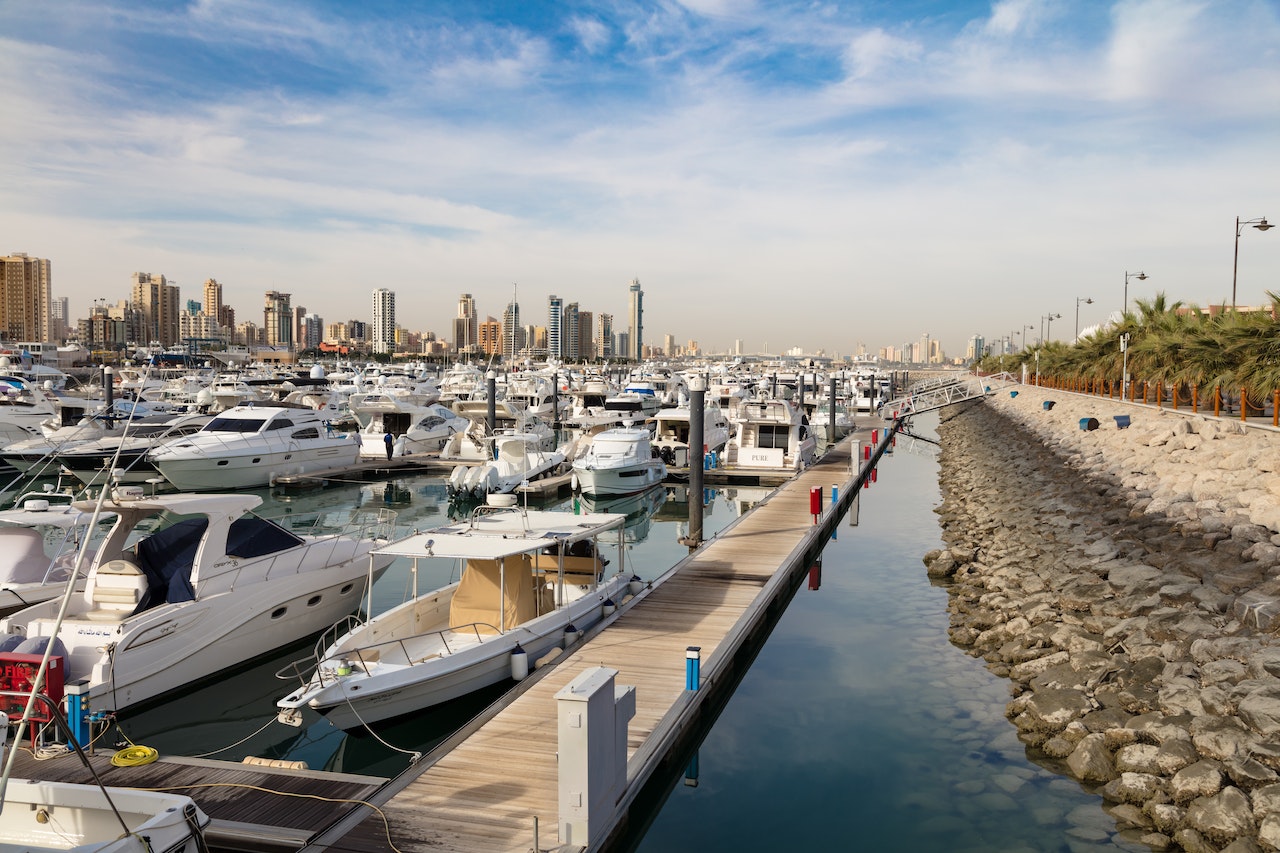
Free Yourself from the Costs of Owning a Useless Vessel | Goodwill Car Donations Photo by Tayssir Kadamany under Pexels License

Free Yourself from the Costs of Owning a Useless Vessel

You must have felt immense joy years ago when you first acquired your boat since it fulfilled a long-held dream. During the initial months or even years, you might have found the relaxation, fishing trips, and peaceful moments with friends well worth the costs of insurance, storage, and maintenance associated with owning a watercraft.

However, as time went by, circumstances might have changed, leading you to question whether holding on to your boat was still worthwhile.

Here are some indicators that it might be time to bid farewell to your vessel:

  1. Lack of use

If your boat has remained in storage for months or even years without being used, it’s a clear sign that it’s time to part ways with it.

  1. Financial burden

Boat ownership can be costly. The expenses for fuel, insurance, maintenance, and storage can strain your budget. If the financial strain becomes unmanageable and risks pushing you into debt, it’s more practical to let go of the boat.

  1. Extensive issues

Older boats tend to exhibit more signs of deterioration, leading to costly repairs. If your boat is prone to safety concerns or requires constant fixes, it might be a wise decision to get rid of it.

  1. Lack of maintenance

Like cars, boats need regular upkeep. If you find yourself lacking the time or motivation to maintain it properly, the boat becomes susceptible to damage and loss of value over time.

  1. Waning enthusiasm

If your initial excitement for owning a boat has faded, and you no longer derive happiness from it, it’s better to let it go rather than prolong your dissatisfaction.

A Simple and Rewarding Way to Dispose of an Unwanted Boat

If you’re still paying for the insurance premiums and storage costs of a boat you no longer use, you can put a swift end to these unnecessary expenses by donating that vessel to Goodwill Car Donations. Not only will this act of charity relieve you from the financial strain of keeping an unwanted boat, but it will also create opportunities for the less fortunate individuals in your local community to achieve financial independence.

When you donate your boat to us, we will auction it off and turn over the proceeds to the Goodwill organizations serving your area. These IRS-approved 501(c)(3) nonprofits are dedicated to uplifting the lives of disadvantaged Americans, including those lacking education, job experience, or essential skills, and those burdened with disabilities and other personal challenges such as welfare dependency or past criminal records.

The funding we provide to these local Goodwill organizations enables them to provide their beneficiaries with job and skills training, employment opportunities, scholarships, livelihood assistance, disability benefits, family support, educational services, financial aid, and other vital support services.

Your donation will also reward you significantly. After the sale of your donated vessel, we will mail you its 100% tax-deductible sales receipt, enabling you to claim the maximum tax deduction during the next tax season.

Moreover, we offer complimentary professional towing services throughout the United States, ensuring a hassle-free donation process for you.

Best of all, you’ll find absolute satisfaction for having done something that will benefit your entire community when once idle members attain financial stability and live healthy, productive, and fulfilling lives, thanks to your donation.

We accept not just boats but almost all other vehicle types, regardless of age or condition. So, go ahead and donate to us whatever other unwanted vehicles you have — your old car, truck, motorbike, motorized wheelchair, riding lawnmowers, golf carts, etc.

You can get more information about us, including our quick and easy donation process, by checking out our FAQs page. Should you have any questions or concerns, you may reach us through our 24/7 toll-free hotline at 866-233-8586. You may also send us a message here.

Empower Your Community with Your Boat Donation | Goodwill Car Donations Photo by Wendy Wei under Pexels License

Empower Your Community with Your Boat Donation Today!

By donating your boat to us, you can positively impact the lives of the underprivileged individuals in your community. Your generous contribution will create endless opportunities for them. Call Goodwill Car Donations at 866-233-8586 or fill out our secure online donation form now!


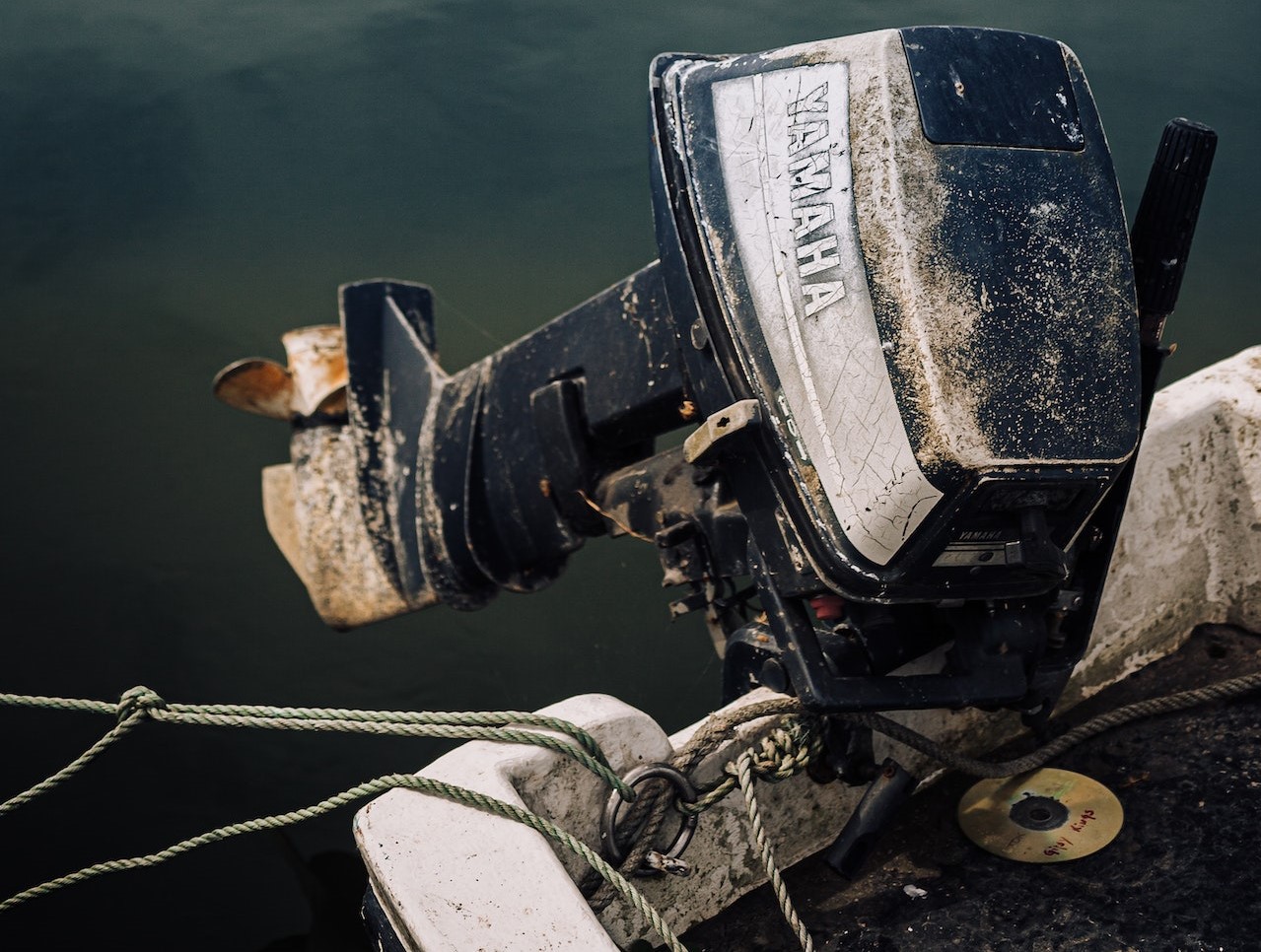
4 Most Common Boat Engine Problems

Common Boat Engine Problems | Goodwill Car Donations Photo by Nuno Fangueiro under Pexels License

The Causes of Those Boat Issues and What You Can Do to Fix Them

Owning an older boat can present various challenges, with engine problems being a common complaint among long-time boat owners. While some issues can be resolved easily, others may require professional assistance, which can be costly.

If you are a boat owner, you’re likely familiar with the most common boat engine problems. Goodwill Car Donations is here to point out the causes of these problems and what you can do to address them.

  1. Sputtering engine

Several factors can cause your boat’s engine to sputter, such as a clogged fuel filter, bad spark plugs, or a dirty air filter. To address this, try cleaning the fuel filter and spark plugs. Consider replacing the air filter as well.

  1. Overheating

This can result from factors like inadequate water flow, a dirty radiator, or a blown head gasket. If your boat’s engine overheats, turn it off while on the water and allow it to cool down. Once cooled, check the water flow, clean the radiator, and inspect for a blown head gasket.

  1. Engine propeller vibration

Abnormal vibrations in the engine can stem from a bent propeller, a loose propeller nut, or an imbalance. If you notice unusual vibrations, inspect the propeller for damage, tighten the propeller nut, and consider having the engine balanced.

  1. Shifting issues

Difficulty shifting gears may indicate problems with the transmission, shift linkage, or gears themselves. Seek the assistance of a qualified mechanic to address this issue.

Is Your Defective Boat No Longer Worth Keeping?

If you own an older boat, engine issues can become major headaches. Repair costs can add up, in addition to the regular expenses of storage, maintenance, and insurance.

If you believe it’s no longer practical to hold onto your old boat and want to dispose of it quickly and easily, we have a win-win solution for you: Donate that boat to Goodwill Car Donations! In doing so, you’ll positively impact the lives of disadvantaged individuals in your local community while allowing you to enjoy a rewarding donating experience.

We will auction off your donated boat and turn over the proceeds to the Goodwill organizations serving your area. These IRS-approved 501(c)(3) nonprofits are committed to helping Americans who face disabilities, lack of education, job experience, or essential skills, as well as other challenges like having a criminal record or being stuck in a welfare mentality. These disadvantages prevent them from accessing opportunities for gainful employment and living a poverty-free life.

Your local Goodwill organizations use the funding to provide their beneficiaries with job training, employment opportunities, scholarships, livelihood assistance, disability benefits, family support, educational services, financial aid, and many other essential support services.

As a Goodwill donor, you’ll have the privilege of enjoying our fast and free towing service anywhere in the country.

Your donation will also entitle you to claim the highest possible tax deduction in the next tax season.

However, the best part about making a charitable contribution to us is the priceless satisfaction you’ll feel, knowing that your donation will be used to improve the lives of the underprivileged people in your community and empower them to succeed in life.

We accept not just boats but nearly all other vehicle types, including those that are no longer in good condition.

To get to know our quick and convenient donation process, check out our FAQs page. If you have questions or concerns, tell us about them here. We will respond to you within 24 hours. You may also give us a call through our 24/7 toll-free hotline at 866-233-8586. We’d be happy to hear from you.

Make a Difference by Saying Goodbye to Your Old Boat Today!

Goodwill Car Donations makes it easy for you to positively impact the lives of your less fortunate neighbors. Your boat donation will help provide them with transformative opportunities. Call Goodwill Car Donations at 866-233-8586 or fill out our secure online donation form now!


What To Do If Your Boat Runs Aground

Get Unstuck with These Practical Tips | Goodwill Car Donations Photo by Zukiman Mohamad under Pexels License

Get Unstuck with These Practical Tips!

Running aground can be a nightmare for any boat owner. This happens when the water is too shallow for the vessel to float.

This situation can cause extensive damage to the boat’s hull, which is the boat’s outer shell that provides buoyancy and protects the interior. The impact can cause cracks, fractures, or punctures in the hull, potentially leading to leaks and water entering the boat.

Running aground can cause structural damage to other parts of the boat, including the keel, propellers, rudders, and other underwater components. These damages can affect the boat’s stability, maneuverability, and propulsion systems.

Such an unfortunate incident can also pose risks to passengers. When the vessel is moving quickly before running aground, its passengers may be thrown off the vessel, resulting in injuries.  The passengers must brace themselves and hold onto secure objects if they sense the boat is running aground.

Furthermore, running aground can harm natural ecosystems, including corals and other marine resources. Additionally, if fuel or other pollutants leak from the boat, it can have detrimental effects on water quality and marine organisms.

Depending on the severity of the grounding, the boat may become stuck or wedged in the shallows, making it difficult to free it without assistance. The type of seabed, such as sand, mud, or rocks, can affect the ease of dislodging the boat.

Steps to Take to Keep Safe and Minimize Damage

If you find yourself in this unfortunate situation during one of your boating trips, here are some steps you can take to ensure your safety and that of your passengers and minimize damage to your boat and the environment as well:

  1. Stop the engine.

Shutting off the engine will help prevent further damage to your boat.

  1. Check for leaks.

Identify the source of any water entering the boat to determine the extent of the damage. This will enable you to plug the leak and prevent flooding.

  1. Attempt to free the boat.

If only one side of your vessel has run aground, try shifting the weight to free it from the ground.

  1. Call for assistance.

Contact the Coast Guard or a towboat for professional help. They can provide guidance and assistance in getting your boat back at sea.

  1. Protect the environment.

If you’re in an environmentally sensitive area, take precautions to avoid further damage. Avoid attempting maneuvers that could harm marine life or delicate ecosystems.

The actions you take when your boat runs aground may vary depending on the specific situation, the size and type of the vessel, and the surrounding conditions. Prioritizing safety, minimizing damage, and seeking professional assistance are the key steps to take in such circumstances.

Looking for the Best Way to Dispose of an Unwanted Boat?

If you haven’t used your boat since your last boating mishap, it could indicate that you’re ready to part ways with it. Consider donating it to Goodwill Car Donations. By donating your boat to us, you can help empower disadvantaged individuals in your community, helping them achieve financial independence.

Once we receive your donated vessel, our team will auction it off, with the proceeds going to Goodwill organizations serving your area. These IRS-approved 501(c)(3) nonprofits share our commitment to improving the lives of disadvantaged Americans who face disabilities, lack of education, job experience, essential skills, and other personal challenges such as having a criminal record or relying on welfare.

Local Goodwill organizations use the funding we provide to offer their beneficiaries job and skills training, vocational services, scholarships, financial aid, mentoring and internship programs, disability benefits, family support, and other vital services.

As a Goodwill donor, you’ll enjoy valuable rewards. These include the free towing of your unwanted boat anywhere in the country and the opportunity to claim the highest possible tax deduction in the next tax season.

Moreover, nothing compares to the joy and satisfaction you’d feel, knowing that your donation will greatly benefit your community in terms of the jobs that it will help create for the benefit of your less fortunate fellow residents.

You can donate not just your unwanted boat but any other type of vehicle you want to dispose of regardless of its age or condition. You can donate even a car that no longer runs. To get a clearer idea of the different types of vehicles we accept, check out this page.

For information about our quick and straightforward donation process and other important details about our vehicle donation program, check out our FAQs page. For your inquiries or concerns, feel free to call us anytime through our toll-free hotline at 866-233-8586 or message us here.

Help Transform Lives | Goodwill Car Donations Photo by Jeswin Thomas under Pexels License

Help Transform Lives Today!

You can help uplift the lives of the underprivileged residents of your community. Your car donation will provide them with limitless opportunities to gain financial freedom and live the life of their dreams. Call Goodwill Car Donations at 866-233-8586 or fill out our secure online donation form now!


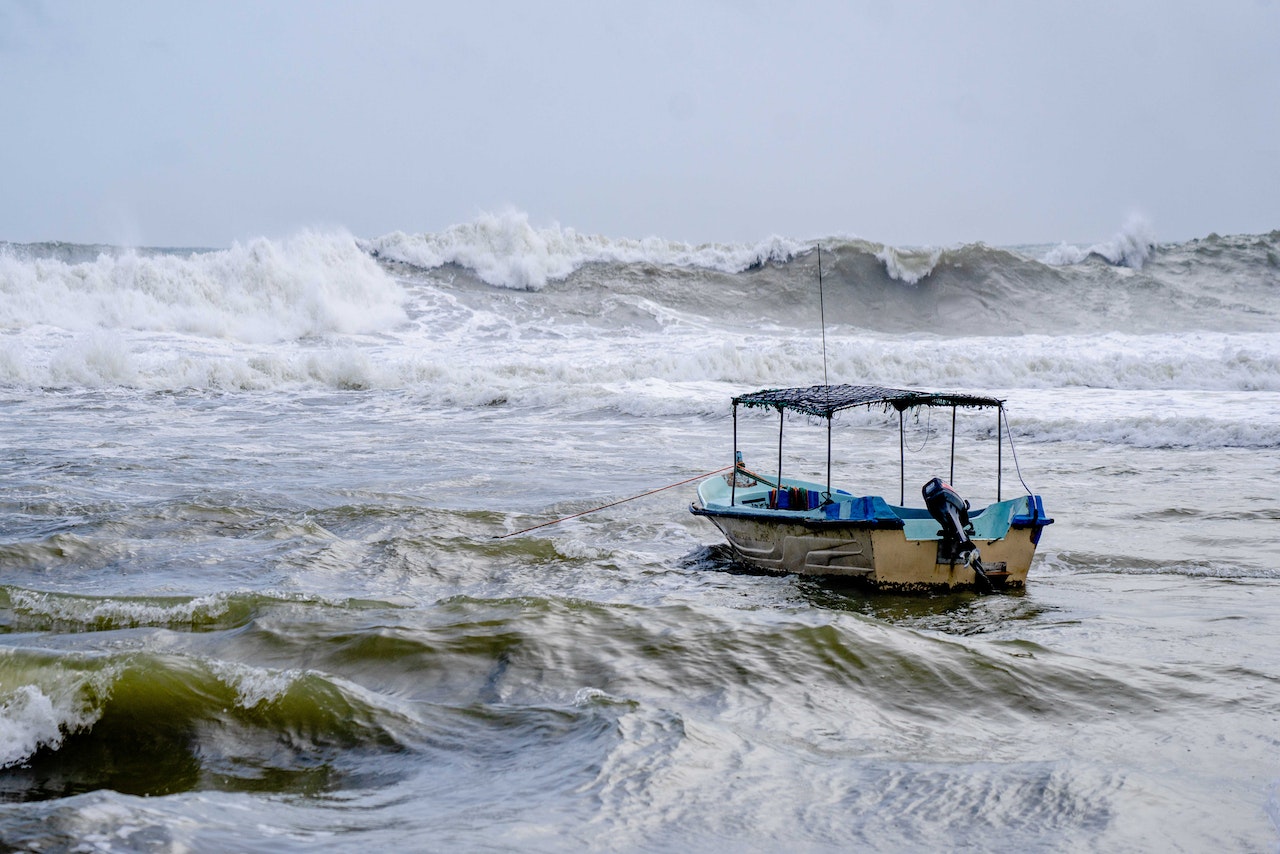
How to Inspect Your Boat After a Storm

How to Inspect Your Boat After a Storm | Goodwill Car Donations Photo by Oleksandr Pidvalnyi under Pexels License

A Storm Just Hit Your Boat — What Now?

If your beloved boat has just weathered a storm, it’s crucial to give it a thorough inspection before taking it out on the water again. Storms can cause significant damage to boats, and even seemingly minor issues can become problematic if left unaddressed.

By following a comprehensive inspection process, you can ensure the seaworthiness and safety of your boat for future adventures.

Goodwill Car Donations is here to guide you through each step of the inspection process, providing helpful tips and reminders along the way. Taking the time to inspect your boat not only protects your valuable asset but also provides peace of mind. Here are the steps you need to take:

  1. Start with a visual assessment.

Take a walk around your boat and give it a good visual inspection. Look for any visible damage such as dents, scratches, or cracks in the hull or topsides. Check the rigging, mast, and sails for any signs of wear or tear. Even small damages can escalate if not addressed promptly, so keep your eyes wide open!

  1. Check below the deck.

Next, venture below the deck and inspect the bilge area for any water accumulation. The water inside your boat can lead to serious problems like mold, electrical issues, and damage to equipment. Also, keep an eye out for any loose or disconnected hoses, broken fittings, or other signs of plumbing or electrical problems.

  1. Look out for leaking seals.

Leaking seals can be a sneaky problem. Examine windows, hatches, and ports for signs of leaks or water intrusion. Check the integrity of the seals and gaskets. Replace them if necessary.

  1. Test the electrical systems.

Carefully inspect the electrical systems onboard. Check the batteries for damage or corrosion. Test all lights, navigational equipment, pumps, and other electrical components to ensure they are functioning properly.

  1. Pay extra attention to the engine.

The engine is the heart of your boat, so it’s critical to give it extra attention. Inspect the engine compartment for water, debris, or oil leaks. Check belts, hoses, and connections for damage or wear. If you’re unsure about anything, consult a professional mechanic.

  1. Review safety equipment.

Safety should never be overlooked. Take a moment to review all your safety equipment, including life jackets, fire extinguishers, flares, and signaling devices. Everything should be in good condition and within its expiry date. Replace or recharge any items that need attention.

Not Sure What to Do with Your Barely Running Boat?

 If your damaged boat is no longer functioning efficiently, it may be time to let it go. Consider donating it to Goodwill Car Donations, where we will convert it into a powerful instrument for improving the lives of disadvantaged individuals in your local community.

We will auction off your boat and turn over the proceeds to the Goodwill organizations serving your local area. These IRS-approved 501(c)(3) nonprofits assist Americans who are burdened with disabilities, lack of education, job experience, or essential skills, and other challenges such as being a former inmate or welfare-dependent, hindering their escape from poverty.

Your local Goodwill organizations use the funding to provide their beneficiaries with job and skills training, employment opportunities, scholarships, livelihood assistance, disability benefits, family support, educational services, financial assistance, and other critical support services.

Your boat donation will bring you high-value rewards. Following the sale of your donated vehicle, we’ll send you by mail its 100% tax-deductible sales receipt. This will entitle you to claim the maximum tax deduction in the next tax season.

We’ll also provide you with our professional towing service anywhere in the United States at absolutely no cost to you.

Best of all, you’ll find absolute satisfaction in doing something that will benefit your entire community when once idle members attain financial stability and live healthy, productive, and fulfilling lives.

We accept not just boats but almost all other types of vehicles whatever their ages or conditions.

Want to know more? The details about our easy and convenient donation process can be found on our FAQs page. For your inquiries or concerns, feel free to call us through our 24/7 toll-free hotline at 866-233-8586 or message us here.

Uplift the Lives of Americans in Need Today!

Even with its defects, your boat can significantly impact the lives of disadvantaged Americans when you donate it to Goodwill Car Donations. So, what are you waiting for? Call 866-233-8586 or fill out our secure online donation form now!


Can I Donate a Boat Trailer Without a Title?

Donate a Boat Trailer Without a Title | Goodwill Car Donations Photo by Kirill Valerich under Pexels License

Donating Made Easy: Is a Boat Trailer Title Necessary?

Are you thinking about donating your boat trailer but finding yourself stuck because you don’t have the title? Don’t worry, you’re not alone. The question of whether you can donate a boat trailer without a title is common, and today we’re here to provide some guidance on the topic.

So, grab a life vest, hop aboard, and let’s navigate through the world of boat trailer donations!

Why Do Titles Matter?

Titles play a crucial role in the world of vehicles, and yes, including boat trailers. They serve as legal documentation of ownership and help ensure the proper transfer of ownership. When you have a title, it proves that you are the rightful owner of the boat trailer and have the authority to sell or donate it.

The title also provides essential information about the trailer, such as its identification number, make, model, and any liens against it. Without a title, establishing legal ownership and completing the donation process smoothly can be challenging.

Check Local Regulations — Title Requirements Vary

Before you get discouraged, it’s important to note that title requirements for boat trailers can vary depending on your location.

The rules and regulations surrounding titles are typically set by state authorities. Some states may require a title for all trailers, while others may have different rules based on factors like trailer weight, length, or age. So, be sure to check the specific regulations in your area before making any assumptions.


What Are Your Solutions?

Just because you don’t have the title anymore doesn’t mean that all hope is lost. While some donation organizations may require a title, others may have alternative processes in place. Here are a few possible options:

  1. Contact donation organizations.

Reach out to charitable organizations that accept boat trailer donations and inquire about their specific requirements. Some may have procedures in place to help you navigate the process without a title, while others have dedicated staff who can guide you through the donation process, offer solutions, or connect you with resources to help you obtain the necessary documentation.

  1. Go for transferable registration.

In some cases, a transferable registration or a bill of sale may be accepted as an alternative to a title. This document can help establish your ownership and provide the necessary information to complete the donation.

  1. Research state-specific rules.

As mentioned earlier, each state has its own regulations regarding boat trailer titles. Certain jurisdictions may have provisions for trailers without titles, such as providing a bond or other forms of documentation. Researching your local rules can help you find potential solutions.

Donating a boat trailer can be a rewarding experience. While having a title makes the process smoother, it’s not always an absolute requirement. By researching local regulations, exploring alternative options, and connecting with donation organizations, you can find a way to make your boat trailer donation a reality, even without a title.

Turn Your Boat Trailer into a Life-Enhancing Tool for Your Neighbors in Need!

Now that you know the rules of donating a boat trailer without a title, you’re probably wondering which platform would be your ideal choice. If you have a soft spot for the folks in your community who are struggling to survive due to poverty, Goodwill Car Donations is a great option.

We’ll put your boat up for auction, with the proceeds going straight to the Goodwill organizations serving your local area. These IRS-certified 501(c)(3) nonprofits use the funding to provide their beneficiaries with job and skills training, employment opportunities, scholarships, livelihood assistance, disability benefits, family support, educational services, financial assistance, and many other essential support services.

In exchange for your donated vessel, we’ll promptly mail you the 100% tax-deductible sales receipt of your car following its auction sale. This receipt will entitle you to claim the maximum tax deduction in the next tax season. Additionally, you’ll have your boat picked up and towed away for free regardless of where it is in the country.

Moreover, your act of charity will bring you an immense sense of satisfaction, knowing that you’ll be contributing to the growth and development of your community by empowering your needy fellow residents through work and learning.

Aside from watercraft, we also accept many other types of vehicles — from cars and motorbikes to trailers, snowmobiles, and more. They don’t even have to be in great shape when we collect them.

For more details on our vehicle donation program, you may head over to our FAQs page. If you have any questions or concerns, you may leave them here or give us a call at 866-233-8586.

Touch Hearts with a Simple Car Donation Today | Goodwill Car Donations Photo by cottonbro studio under Pexels License

Touch Hearts with a Simple Car Donation Today!

Your boat trailer can make a huge impact on the lives of your less fortunate neighbors – that is if you hand it over to Goodwill Car Donations. If you’re ready to let go of it, call us at 866-233-8586 or fill out our secure online donation form now!


Can I Donate a Boat Without a Title?

Donating a Boat Without a Title | Goodwill Car Donations Photo by Belle Co under Pexels License

Donating a Boat Without a Title — Possible or Not?

You’ve got that old boat sitting in your backyard, and it’s been there for ages. You can’t even recall the last time you sailed it, and you no longer have any plans to do so, especially with the sorry condition it’s in now. That’s when you realize, there’s no point in keeping it anymore and that you might as well donate it to a charity.

But then comes the hiccup — the boat title. It’s lost, gone, vanished. You might be wondering, “Can I donate my boat even without a title?”

Goodwill Car Donations is here to provide answers to your questions and guide you through the donation process. We will discuss the legal perspective, how different charities handle situations like this, and steps you can take to obtain a duplicate title if necessary. Let’s explore whether we can turn your old boat into someone’s new treasure!


The Legal Perspective: Do You Need a Title to Donate a Boat?

The short answer to this question is: It depends. This primarily depends on the laws of your state and the policies of the organization to which you intend to donate your boat to.

In some states, a boat title is required for all types of watercraft, while in others, it may only be necessary for certain sizes or types of boats. To start, check with your local DMV or equivalent agency to understand the specific regulations in your state.

You should also inquire about the requirements of the charity you wish to donate to. Some charities may accept boat donations without a title, while others might require one for legal and procedural reasons.

Obtaining a Duplicate Title

If you discover that a title is required for donation, don’t worry! Most states offer a process to apply for a duplicate or replacement title. This typically involves completing an application, paying a fee, and possibly undergoing a boat inspection. Although it may take some time, obtaining a duplicate title will provide you with the necessary documentation to proceed with your generous donation.

Moreover, many charities understand the challenges involved and are ready to assist donors through the process. These organizations often have staff members who are knowledgeable about boat title laws and regulations. They can offer guidance on completing the required paperwork, provide contacts in local government agencies, and ensure a smooth process.

Remember, while obtaining a duplicate title may require patience and time, don’t let that discourage you. Securing the title not only enables you to donate your boat but also ensures the vessel can continue to bring joy and adventure in its next life. Your donation will offer invaluable support to the charity and the individuals they serve.

We’d Love to Accept Your Boat Donation!

Goodwill Car Donations is an online vehicle donation platform that specializes in assisting donors with obtaining a duplicate title of their boats or other types of vehicles in case they’ve lost it. If you’ve been searching for a solution for your missing boat title, your search ends here!

By choosing us as your charity partner, you’ll find it easy to part ways with your unwanted boat while simultaneously making a positive impact on the lives of your disadvantaged neighbors. These individuals face challenges such as disabilities, lack of skills and education, and other personal adversities that hinder their access to opportunities for employment and a poverty-free life.

We will auction off your boat, with the proceeds going directly to the Goodwill organizations serving your area. These IRS-certified 501(c)(3) nonprofits use the funds to provide their beneficiaries with job and skills training, employment opportunities, scholarships, livelihood assistance, disability benefits, family support, educational services, financial aid, and other essential support services.

As a Goodwill donor, you’ll be eligible for the highest possible tax deduction in the next tax season. Additionally, you’ll enjoy the convenience of a fast and free towing service anywhere in the country.

Most importantly, you’ll experience the joy of knowing that your contribution will help empower the less fortunate members of your community to lead productive and fulfilling lives.

In addition to boats, we accept various other types of vehicles, including cars, trucks, RVs, motorbikes, golf carts, and more. The condition of the vehicle is not a hindrance to donating it.

If you’re curious to learn more about our vehicle donation program, including our quick and straightforward donation process, check out our FAQs page. Should you have any questions or concerns, feel free to reach us at 866-233-8586 or send us a message here.

Transform Lives with Your Boat Donation Today!

Positively impact the lives of the struggling men and women in your community through a simple act of charity. We will use your vehicle donation to turn their lives around. Call Goodwill Car Donations at 866-233-8586 or fill out our secure online donation form now!


Boat Disposal Options

5 Ways to Dispose of Your Old Boat the Smart Way
Photo by Anthony under Pexels License

5 Ways to Dispose of Your Old Boat the Smart Way

Are You Looking for the Best Way to Say Goodbye to Your Old Vessel?

Here, you’ll discover five smart, responsible options for getting rid of your old boat, including selling, recycling, salvage yards, local programs, and donation. You’ll also see how donating to Goodwill Car Donations can provide meaningful benefits for you while creating lasting impact in your community.

Has your trusty vessel seen better days? Whether it has simply outgrown its purpose or time and tide have taken their toll, every boat eventually reaches a point when it needs to be disposed of.

If you’re wondering, “How do I properly get rid of my boat?” you’ll find answers here. Goodwill Car Donations is here to assist you in exploring sustainable, legal, and practical boat disposal options, such as the following:

  1. Sell or trade your boat.
    If your boat still has some life left in it, selling or trading it could be the way to go. You’ll find individuals looking for a fixer-upper or a budget-friendly boat. Websites like Craigslist, eBay, or even your local marina’s bulletin board could be the perfect platforms to connect with potential buyers and find your boat a new captain.Keep in mind though that finding a buyer or a trade-in deal can take a lot of time. Plus, boats in poor condition may not fetch the price you want.
  2. Recycle your boat.
    You heard that right: Boats can be recycled! Various parts of your boat, such as metals, certain plastics, and even fiberglass, can be recycled or reused. This ensures that your boat’s legacy lives on while minimizing environmental harm. Companies specializing in boat recycling are just a Google search away. Recycling your boat is not just about bidding it farewell; it’s also about honoring its memory.It’s important to note that recycling might incur costs, which can vary depending on your boat’s size and condition.
  3. Consider boat salvage yards.
    Another good option for disposal is a boat salvage yard. Here, professionals take apart your boat, save the parts that can be reused, and recycle the rest responsibly. It’s like organ donation, but for boats! This choice helps cut down on waste and can also put some money back in your pocket by giving you a fair price for the salvaged parts, making the process a little easier financially.
  4. Explore municipal disposal programs.
    Check with your local city or county offices to see if they have programs for large item disposal or recycling. Some areas include boat disposal as part of these programs, often at little to no cost to you.
  5. Donate your boat.
    Have you considered donating to charity? Numerous organizations accept boat donations, allowing you to support a mission by contributing to essential research, education, or community programs. Moreover, you may be eligible for a tax deduction, creating a win-win situation.

When it’s time to say goodbye to your boat, take the time to choose a responsible option. Whether you decide to recycle, donate, sell, use a salvage yard, or take advantage of a local disposal program, you can find a solution that works for you while helping reduce unnecessary waste. 

Boat disposal doesn’t have to become a stressful project. With a little research and some planning, you can find an option that is practical, responsible, and right for your situation. Your old boat may be finished with its days on the water, but you still have several good ways to give it a proper sendoff. 

What Risks Should You Avoid When Getting Rid of a Boat?

Getting rid of an unwanted boat involves more than finding someone willing to take it. You’ll want to sure ownership is transferred properly. Titles, registration documents, and other requirements vary by state, so check your local rules before handing over the boat. If records still show you as the owner after the vessel leaves your possession, you could face complications if fees, violations, or other issues arise later. 

Abandoning a boat is not a responsible shortcut. Leaving a vessel at a marina, on someone else’s property, near a boat ramp, or along a waterway will eventually leave you responsible for towing or other penalties. Even a boat that seems to have little resale value should go through a legitimate disposal process. 

You should also know who is taking your boat. Research potential buyers, salvage yards, towing providers, and donation programs before agreeing to a transfer. Be cautious if a company cannot clearly explain its process or will not tell you what happens to the vessel after pickup. 

Finally, give your boat a thorough check before it leaves. Remove fishing gear, electronics, paperwork, tools, clothing, valuables, and anything stored in cabinets or compartments. Completing these steps can help you avoid headaches after saying goodbye to your vessel. 

What Signs Show It’s Time to Retire Your Boat?

There is not always one obvious moment when a boat reaches the end of its useful life for you, but there will be signs: 

  • Repairs Are Becoming Too Frequent 
    An occasional repair is part of boat ownership. Constant repairs are another story. Recurring engine trouble, steering problems, electrical failures, plumbing issues, or hull repairs can make a boat increasingly expensive and inconvenient to keep. If you’re repeatedly paying to fix one problem only for another to appear, compare those costs with the boat’s value and how much use you actually get from it. Continuing to repair an aging vessel may eventually stop making financial sense. 
  • The Boat Has Developed Safety Concerns 
    Some problems are more serious than inconvenience. Hull damage, corrosion, soft spots in the deck, persistent leaks, unreliable steering, and faulty electrical systems can affect whether your boat is safe to operate. Do not ignore a problem simply because the vessel can still move through the water. Significant structural, electrical, or mechanical concerns should be evaluated by a qualified professional. If restoring the boat to a safe condition requires extensive work, retirement may be the more practical choice. 
  • You Rarely Use the Boat Anymore 
    A boat does not need to be broken to become a burden. Perhaps it spends nearly every season at the marina or in storage while you continue paying for insurance, registration, winterization, maintenance, and storage or docking fees. If you’re spending considerably more time caring for your boat than enjoying it, consider whether keeping it still fits your priorities. 
  • Your Boating Needs Have Changed 
    Life can change even when your boat hasn’t. You might relocate farther from the water, have new family responsibilities, face health or mobility concerns, or simply lose interest in boating. You do not have to wait until your vessel stops running to let it go. Selling or donating a usable boat while it still has value may provide more options than waiting until its condition deteriorates. 

What Environmental Issues Come With Improper Boat Disposal?

Boats often contain gasoline or diesel fuel, motor oil, coolant, batteries, cleaners, and other substances that require careful handling. An unwanted boat can create environmental problems when it is abandoned or disposed of improperly. If containers, tanks, hoses, or mechanical components deteriorate, these materials can leak into surrounding soil or water. Pollution can eventually reach groundwater, rivers, lakes, bays, and coastal environments. 

The vessel itself also contains materials that should be handled responsibly. Fiberglass, treated wood, plastics, foam, electrical wiring, and various metals may require different disposal or recycling methods. Simply dumping an entire boat does not ensure these materials are processed safely. Proper dismantling can separate potentially reusable and hazardous components before the remaining materials are discarded. 

Abandoned boats can cause additional problems as they deteriorate. Pieces of debris can break loose and enter waterways or collect along shorelines. Wildlife may encounter these materials, while leaking fluids and deteriorating components can further affect sensitive aquatic habitats. 

Before choosing a disposal method, explore whether your boat or some of its components can continue serving a useful purpose. Depending on its condition, resale, salvage, recycling, or donation may provide an alternative to disposal. Engines, electronics, metal parts, trailers, and other components may have reusable or recyclable value even when the entire boat does not. 

Cost and convenience certainly matter when deciding what to do with an unwanted vessel, but they should not be the only considerations. Choosing a responsible boat disposal option can help you protect yourself from future problems while reducing unnecessary waste and limiting potential harm to the environment. 

Like the Sound of Boat Donation?

If you like the idea of using your old vessel to share with those in need while receiving a tax deduction, consider donating it to Goodwill Car Donations. By doing so, you’ll transform it into a life-enhancing tool for members of your community who are facing struggles, offering them opportunities to improve their lives. 

We will auction your vessel to generate funds for the organizations serving your area. Like us, these IRS-certified 501(c)(3) nonprofits are committed to assisting Americans who face disabilities, lack of education or job experience, or other challenges, such as former incarceration or financial hardship. 

Goodwill Car Donations partners with organizations to use the funding to contribute to charity, providing beneficiaries with job and skills training, employment opportunities, scholarships, livelihood assistance, disability benefits, family support, educational services, financial assistance, and other essential support services. 

As a donor, you will be entitled to claim a top tax write-off in the next tax season. We’ll promptly mail you the 100% tax-deductible sales receipt of your boat after its sale. 

You’ll benefit from our free hauling service that will collect your boat wherever it’s moored or stored in the United States. You won’t pay a penny. Best of all, you’ll find great satisfaction when you donate to a cause that will benefit your entire community. 

You can donate more than boats to our donation program. We accept almost all types of vehicles, including those that are barely running. Visit this page for a comprehensive list of vehicles that we are happy to take. 

If you have any questions or concerns, feel free to tell them to us here or call us at 866-233-8586. For more information on our donation program, including our quick and convenient donation process, head over to our FAQs page. 

Let’s Uplift Lives Together | Goodwill Car Donations
Photo by Min An under Pexels License

Let’s Uplift Lives Together!

By teaming up with Goodwill Car Donations, you’ll be able to touch so many lives in your area. Your boat donation can help them overcome their problems and empower them to succeed in life. Start the process now by dialing 866-233-8586 or filling out our online donation form!