What to Do When Your Steering Wheel Becomes Wobbly

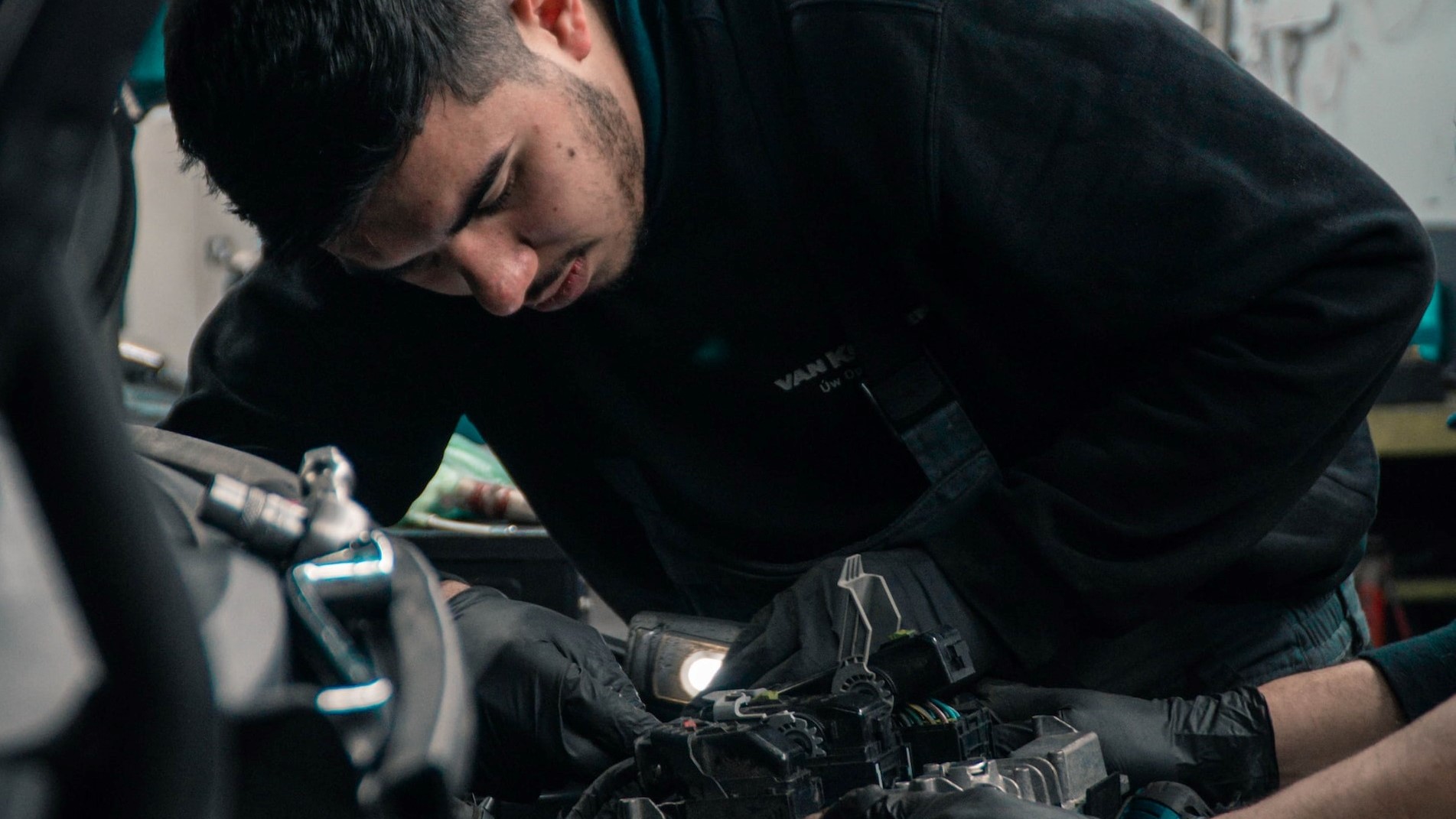
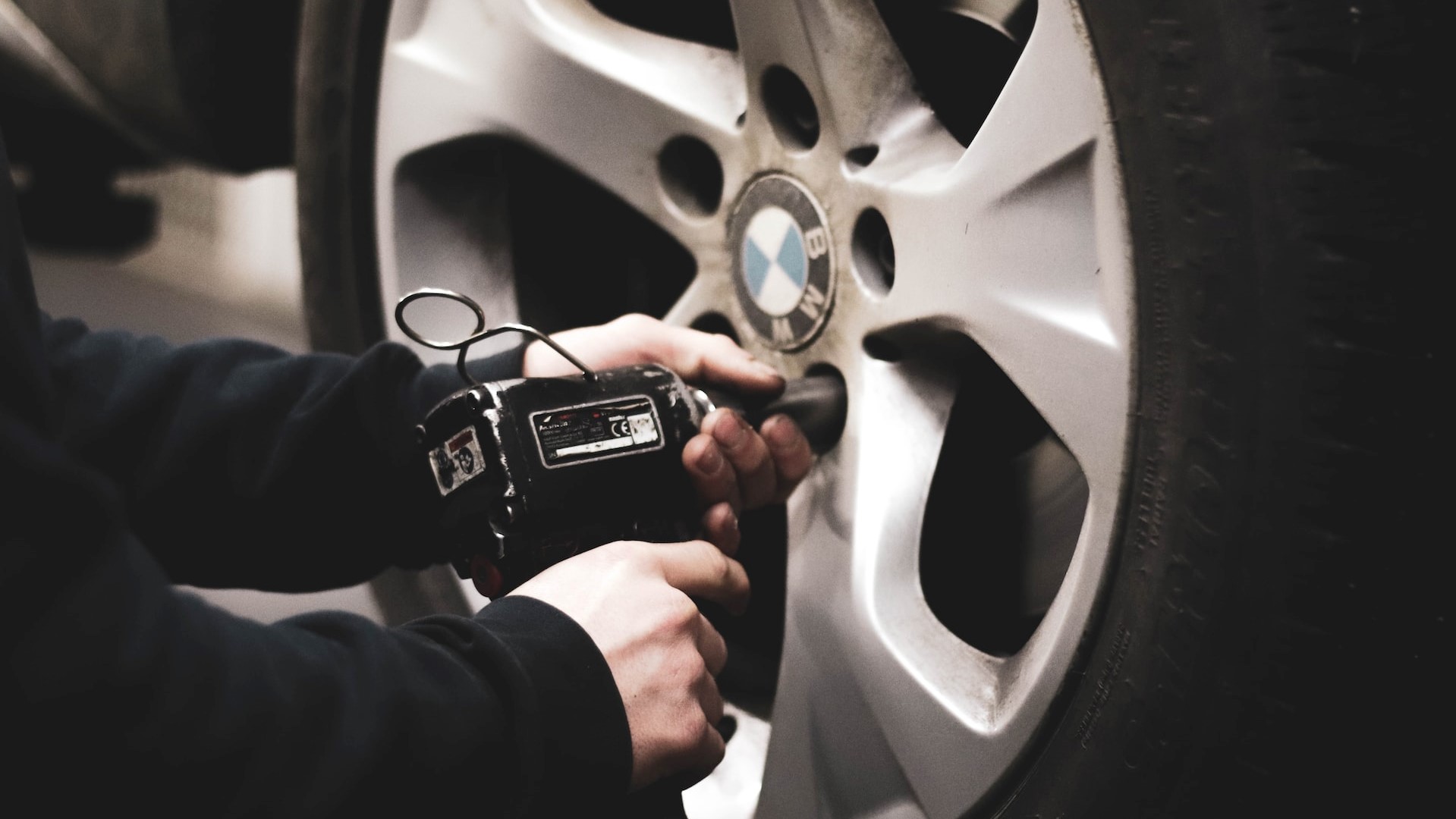
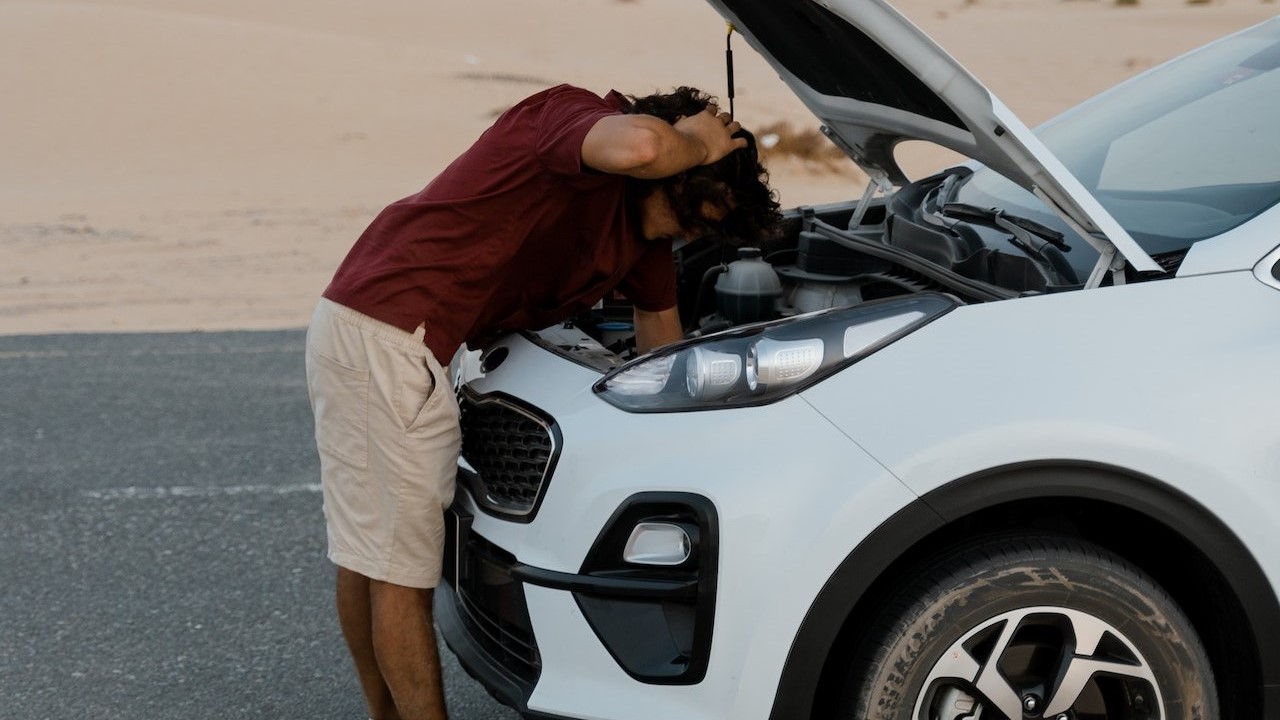
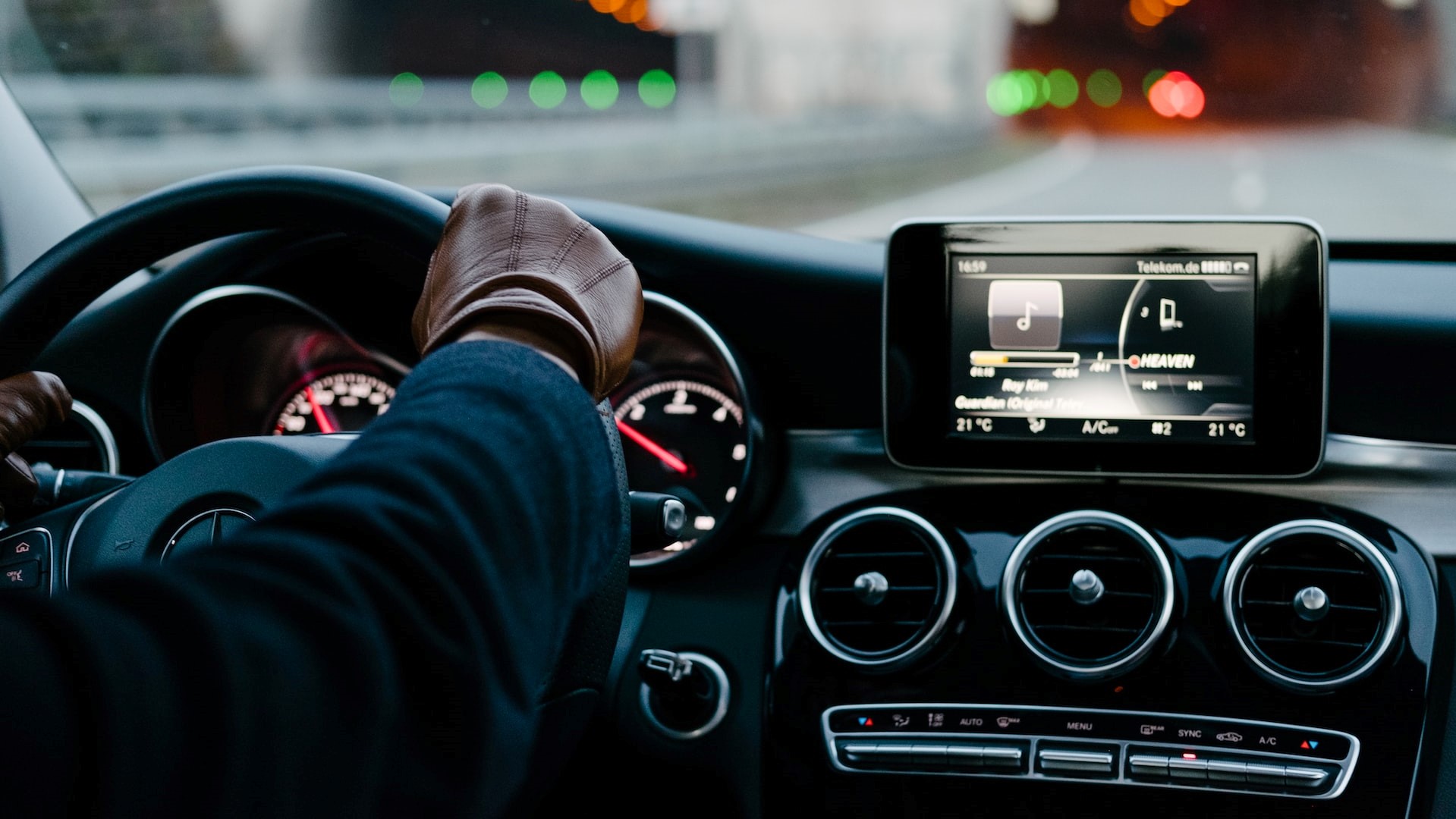
Man on steering wheel | Goodwill Car Donations Photo by Hannes Egler under Unsplash License

Staying in control of your vehicle is what keeps you safe on the road. If you notice your steering wheel is shaking or vibrating when driving, this means that certain maintenance must be done soon. There are several reasons your steering wheel may be shaking or loose, such as problems with your tire balance, brake rotor condition, and suspension. No matter what the issue is, you’ll want to have your car inspected by your trusted mechanic, who can diagnose the problem and get you back behind the wheel in no time. Read on to learn more about the main reasons your steering wheel can become wobbly over time.

A shaking steering wheel is never a good sign. It’s your car telling you something is wrong. But what exactly could it be?

Figuring out the cause is important so you know what to do next. Sometimes it’s a small fix you can handle yourself. Other times, you’ll need to call in a professional mechanic.

To help you understand what might be happening, Goodwill Car Donations has listed three of the most common reasons steering wheels shake, plus what you can do about each one:

  • Reason #1: Your tires are uneven or unbalanced.

Uneven tires can impact your axle and suspension, which then leads to steering wheel vibrations. This is inevitable since tires tend to get unbalanced due to several factors like poor road conditions, inflation differences, seasonal changes, and rough driving patterns.

Solution: Getting a routine tire balancing service should be your best bet. Ideally, you should have your tires balanced every 10,000 to 12,000 miles.

  • Reason #2: Your brake rotors are warped.

If your steering wheel vibrates whenever you slow down or stop your car, warped brake rotors are the likeliest suspect. Bent rotors will cause the brake pads to press against an uneven surface when braking, thereby creating the vibration. You might also feel some shaking from the brake pedal each time you push your foot down on it.

Solution: You need to bring your car to your local repair shop as soon as you can. If the shaking indeed comes from your rotors, your mechanic will most likely advise you to get them replaced. However, if you got to catch the issue early enough, they may be able to resurface your rotors to make them smooth and even again.

  • Reason #3: Your suspension components are loose.

Your car’s suspension consists of systems that connect your vehicle to its tires. Any components like the shock absorbers, bushings, or joints that encounter an issue can potentially produce steering wheel shaking or even a total loss of steering.

Solution: Such an instance will likely require an inspection from a professional mechanic, considering that suspension troubles can get really complicated.

As you can see, there are several reasons that your steering wheel can become wobbly, some more severe than others. If you have unbalanced or uneven tires, this is a quick fix. You can have your tires adjusted during your routine tire rotation, which should be done between every 5,000 to around 8,000 miles. The more serious signs are when your brake rotors are warped or if you have suspension components loose. Schedule a time to bring in your vehicle to your trusted local mechanic so they can take a look and make the right repairs. This will ensure they catch any other issues before they get worse, so you can get back behind the wheel and enjoy a smooth ride.

Here’s the Best Way to Dispose of a Clapped-Out Vehicle

Is a shaky steering wheel just one of the many problems making your car unsafe to drive? If you’ve lost confidence that it will ever be properly fixed, it might be time to let that clunker go.

The easiest and most rewarding way to get rid of a problematic vehicle is to donate it to Goodwill Car Donations. You will free yourself from the burden and costs of keeping an unwanted car, all while helping people in your community who are struggling.

We auction off every donated vehicle to raise money for local Goodwill organizations. These are IRS-certified nonprofits that help disadvantaged Americans. They serve people facing challenges like disabilities, a lack of education or job skills, a prison record, or welfare dependency. These barriers can make it very hard for someone to find a stable job and escape poverty.

Your local Goodwill nonprofits use the funding from your donation to provide critical services. These include job training, employment opportunities, scholarships, and disability benefits for the people they serve.

Your donation directly supports these services. This gives underprivileged people in your community the chance to use their own potential, gain skills, and work toward financial independence.

Our donation process is completely hassle-free for you. You do not have to leave your home or pay anything. We will arrange for a licensed towing company to pick up your vehicle, free of charge, anywhere in the country.

Shortly after your vehicle is sold, we will mail the 100% tax-deductible sales receipt right to your door. You can use this receipt to claim the maximum possible tax deduction during the next tax season.

You will also get the great satisfaction of knowing your donation helps create jobs and new opportunities, strengthening your entire community.

We accept nearly all types of vehicles, whether they are running or not. However, we do have some limitations. Please contact us to confirm if your specific vehicle is accepted.

If you have any questions, you can call us anytime at 866-233-8586.

Turn Your Beater into a Catalyst for Your Community’s Growth Today!

Donating your unwanted vehicle to us can make a lasting impact on the lives of the less fortunate folks in your area. Let us transform your car into a powerful tool for changing lives. Call Goodwill Car Donations at 866-233-8586 or fill out our secure online donation form now!

Old beater car | Goodwill Car Donations Photo by Ashutosh Sonwani under Pexels License
Does Car Insurance Cover Salt Damage?

How to Prevent Salt Damage on Your Vehicle | Goodwill Car Donations Photo by Lezgin Epik under Pexels License

Learn How to Prevent Salt Damage on Your Vehicle This Winter!

The winter season is about to go into full swing, and motorists are naturally concerned about road safety. Thankfully, local and state authorities are on standby, ready to plow, sand, and salt the roads to ensure safe driving. Salt is used to lower the freezing point of water, thus preventing hazardous ice from forming on roads.

However, while salting is integral to keeping the roads safe during winter, it can also cause significant damage to vehicles. Unless you take precautionary measures, you might find yourself dealing with a rusty car exterior and massive repairs that could cost you thousands of dollars.

How Does Road Salt Damage Your Car?

Salt is a corrosive substance. Whenever it comes into contact with water, it creates a chemical reaction known as oxidation. This reaction then causes rust to form on metal surfaces, such as the exterior of a vehicle.

Besides causing considerable damage to a vehicle’s paint job, salt can also wreak havoc on your car’s brake lines and other important components. Once these sensitive parts deteriorate and corrode, they can compromise your safety on the road. In addition, you’ll likely be hit with a bill for shockingly expensive repairs.

Does Car Insurance Cover Salt Damage?

The short answer is “no”. Road salt damage is considered normal wear and tear since it is caused by continued exposure to road salt.

Most car insurance policies cover only unexpected damages, such as those resulting from accidents or natural disasters. Insurance companies might not cover the cost of repairing salt damage since it is an “expected” phenomenon.


How to Prevent Salt Damage

Since auto insurance typically doesn’t cover salt damages, you’ll want to protect your vehicle from road salt’s destructive effects. Goodwill Car Donations is here to help you do just that with these tips:

  1. Avoid driving before or after a snowstorm.

Avoid driving before, during, or after a snowstorm if you can. Highway authorities are more likely to layer the roads with salt in anticipation of extreme weather.

  1. Wash your car regularly.

Wash your car at least once a week to remove salt traces from its exterior. After driving your car during a snowstorm, you need to wash your vehicle immediately once the storm has passed. While at it, ensure that your tires and undercarriage are clean and salt-free.

  1. Wax your vehicle’s exterior.

Since waxing your car’s exterior allows you to create a barrier against salt, it prevents corrosion. For this reason, experts recommend waxing your vehicle at least once every six months.

  1. Avoid puddles.

Puddles during winter are a reservoir for salt. If you’re driving, it’s best to avoid going over them to avoid splashes of salted water on your car.

  1. Prep your vehicle for winter.

The best way to prevent salt damage is to prep your vehicle for winter ahead of time. Before the authorities apply salt on roads, wax your car and fix the chips of paint and scrapes on it. These areas are prime targets for salt damage and rust.

What to Do If Your Car Is No Longer Safe to Drive?

Is your old beater compromising your safety on the road? If you no longer feel safe driving it during the winter months, consider handing it over to us at Goodwill Car Donations. We’ll turn it into a powerful tool for transforming the lives of disadvantaged individuals in your community.

Our team will have it fixed before selling it through an auction. We’ll use the proceeds to fund the community-based life-improvement programs of the Goodwill organizations serving your area. These IRS-approved 501(c)(3) nonprofit organizations are committed to helping destitute Americans who are burdened with disabilities, lack of education, job experience, or essential skills, and other limiting personal circumstances, such as being a former inmate or welfare-dependent.

Your local Goodwill organizations use the funding we give them to provide their beneficiaries with job and skills training, employment opportunities, scholarships, livelihood assistance, disability benefits, family support, educational services, financial assistance, and many other essential support services.You won’t be going home empty-handed after making your donation. You’ll enjoy awesome rewards such as getting entitled to claim the maximum tax deduction in the next tax season. You’ll also benefit from the free professional towing service that we’ll provide you regardless of where you’re located in the country.

Best of all, you’ll find great satisfaction in doing something that will benefit your entire community when once-idle members attain financial stability and live productive and fulfilling lives.

We accept almost all vehicle types, including those that are damaged or no longer working properly.

For more details about our easy and convenient donation process, visit our FAQs page. You can also call us through our 24/7 toll-free hotline at 866-233-8586 or leave us a message here for your inquiries or concerns.


You Can Be a Local Hero Today!

Be a Local Hero Today | Goodwill Car Donations Photo by lalesh aldarwish under Pexels License

Why hold on to an old and unwanted vehicle when you can use it to help the less fortunate people in your community attain financial stability and live productive lives? Call Goodwill Car Donations at 866-233-8586 or fill out our secure online donation form now!


Noisy Engine: 5 Common Noises You Shouldn’t Ignore

Somehting noisy in car | Goodwill Car Donations Photo by Sten Rademaker under Unsplash License

They’re Telling You to Check Your Car ASAP!

Like babies, cars make noises when they need your attention. They can produce such a variety of noises that often make it hard for most drivers to pinpoint what exactly is going on.

Some noises are perfectly normal, like the sound of the engine running or the exhaust system rattling. However, others are signs that there’s something wrong with your car. If you hear any strange noise coming from your engine, it’s important to address it before it turns into a bigger problem.

Goodwill Car Donations identifies some of the most common engine noises and what they’re telling you:

  1. Squealing

A squealing noise coming from under the hood may be telling you that your serpentine belt is loose or worn out. With this belt responsible for controlling all the engine accessories, you’ll want to get a replacement ASAP.

You may also hear squealing when you step on the brake. In this case, you may be dealing with either dirty brake pads, rusty rotors, or a defective braking system. Another time squealing occurs is when your steering system is experiencing an issue.

  1. Grinding

Numerous factors can cause your car to produce a grinding noise. The most common ones are as follows:

  • When driving and idling: worn bearings
  • When taking a turn: bad CV joint or another suspension-related issue
  • When shifting: damaged clutch
  • When braking: brakes are down to the metal
  1. Sputtering

If your vehicle sputters or continues to run even after taking the keys off the ignition, the odds are, it’s the effect of dieseling. Dieseling takes place whenever fuel is ignited by another heat source aside from the spark plug.

While this issue is fairly limited to older engines with carburetors, there’s still a chance that you’d hear a coughing noise from your engine after turning it off.

  1. Tapping or clicking

Expect your engine to make a distinctive sound when you’re running low on oil. It will notify you by producing a clicking, tapping, or ticking noise. You can solve this problem by simply refilling your oil tank. You can then figure out what’s causing your oil level to drop.

  1. Rumbling

Does your car sound like it’s competing at NASCAR when you accelerate? If so, you better check your muffler to see if there’s a hole. Muffler holes may not be detrimental to car performance, but they can be dangerous as they allow toxic fumes to leak into the passenger compartment.

Donate Your Unwanted Vehicle to Support a Meaningful Cause

If your car is suffering from multiple problems and continues to make strange noises despite having it fixed numerous times, perhaps it’s time to give it up. You don’t want to compromise your safety on the road and pose a hazard to other drivers, do you?

Your best option is to hand over that vehicle to us at Goodwill Car Donations. When you do that, you’ll be supporting the disadvantaged members of your community. These are the men and women who are burdened with disabilities, lack of education, essential skills, or job experience, and other disadvantages that make it difficult for them to find decent jobs and livelihoods that can enable them to rise from poverty.

Our team will have your car auctioned off, with the proceeds going to the Goodwill organizations serving your area. These IRS-certified 501(c)(3) nonprofits are dedicated to helping disadvantaged Americans. They use the funding that we give them to provide their beneficiaries with job and skills training, employment opportunities, scholarships, livelihood assistance, disability benefits, family support, educational services, financial assistance, and other essential support services.

Donating to Goodwill Car Donations is not only easy and hassle-free, but it’s super rewarding, too. Your gift will entitle you to claim the maximum tax deduction in the next tax season.  You will also benefit from our free towing service, which you can get wherever you are in the country.

Best of all, your act of charity will bring you an immense sense of personal satisfaction. Thanks to your gift, your community will be seeing more productive individuals and contented families. You’ll be amazed to discover how your unneeded car can transform so many lives.

We accept nearly all types of vehicles regardless of their conditions. You can donate even a damaged or non-working car.

To get to know our simple and convenient vehicle donation process and other relevant information, visit our FAQs page. For your questions and concerns, call us anytime through our toll-free hotline at 866-233-8586 or leave us a message here.

Bring Hope to the Less Fortunate Today!

Man sitting sad | Goodwill Car Donations Photo by Download a pic Donate a buck! under Pexels License

Give the underprivileged members of your community a chance to achieve financial stability and live decent and productive lives. You can help empower them with your car donation. Call Goodwill Car Donations at 866-233-8586 or fill out our secure online donation form now!


5 Tips to Get Your Vehicle Road Trip Ready

Planning trip | Goodwill Car Donations Photo by Roadpass under Unsplash License

Don’t Let Car Trouble Ruin Your Next Adventure!

There’s nothing like embarking on the great American road trip. Whether you’re looking to get away for a long trip to the lake or you’re heading out of state, you’ll want to make sure that your set of wheels is up to the task. The last thing you’d want is to find yourself stuck in the middle of nowhere because of car trouble.

How to Get Your Car Ready for Your Upcoming Road Trip

Although you can’t always prevent every mechanical breakdown that could happen to your car, performing a few maintenance tasks before hitting the road can spell the difference between having fun and wasting valuable vacation time in the car shop. To help you get your vehicle ready for your next road trip adventure, Goodwill Car Donations has compiled these practical tips:

  1. Check your owner’s manual for scheduled maintenance items.

You wouldn’t want to go on a 2,000-mile odyssey without checking your owner’s manual for the list of your vehicle’s scheduled maintenance items. In most cases, these items are listed by the age of your vehicle and/or its mileage. You can check out your manual’s electronic version online if you can’t find that manual in your glove box.

  1. Inspect your battery.

If your car’s battery is more than two years old, you’ll want to have it checked. If it shows signs of corrosion, you’ll have to disconnect the battery and use a wire brush to clean the connectors. In case you’re not aware, car batteries contain corrosive acid that could leak when their connectors are forced off. For this reason, it’s best to leave this job to a professional if you’ve never checked and cleaned a car battery before.

  1. Assess your brakes.

Worn brake pads usually produce odd, squealing noises. Moreover, your brake fluid may be low if your brake pedal feels spongy whenever you press it. If you notice the symptoms of a faulty brake system, you should take your car to a trusted auto mechanic right away and have it repaired before you hit the road.

  1. Top off all fluids.

It’s best to check the levels of your engine oil, windshield washer, as well as your power steering and transmission fluids. If they’re low, you shouldn’t hit the road without replenishing them. You should also have your oil change done before your road trip if your car is close to needing one.

While you’re at it, check if your engine coolant or antifreeze tank is filled based on the manufacturer’s recommended level. If you spot floating debris in the coolant, have it replaced. Since your coolant can become acidic over time, have the tank checked for signs of corrosion which can cause damage to your hoses or radiator.

  1. Examine your tires.

Tires that don’t have enough pressure in them can affect your vehicle’s fuel economy and compromise your safety on the road. For these reasons, it’s best to check your tire pressure before leaving for your trip. Moreover, you’ll want to check your tire tread by placing a penny upside down between the ribs of the tread. Seeing the top of Abraham Lincoln’s head on the penny indicates it’s time to replace your tire.

You may also have to rotate, align, and balance your tires before your trip if you notice uneven wear on all of them. It’s best to hire a trusted mechanic to examine your rubber and recommend corrective action as needed.

You Can Use Your Unwanted Car to Uplift Lives

Perhaps your road-tripping days are over because your aging car says so. However, even though your vehicle no longer runs the way it used to, you can still use it to uplift the lives of the disadvantaged and impoverished people in your local community.

You can make that happen when you hand over that vehicle to us at Goodwill Car Donations.

Our team will have your auto fixed before selling it through an auction. The proceeds will go directly to the Goodwill organizations serving your area. Just like us, these IRS-approved 501(c)(3) nonprofits are committed to helping disadvantaged Americans — those men and women who are saddled with disabilities, lack of education, job experience, or essential skills, and other limiting personal issues, such as having police records or a welfare mentality.

Your local Goodwill organizations use the funding we give them to provide their beneficiaries with job and skills training, employment opportunities, scholarships, livelihood assistance, disability benefits, family support, educational services, financial assistance, and other essential support services.

You won’t be going home empty-handed after making your donation. Your charitable contribution will entitle you to receive the highest possible tax deduction in the next tax season. You’ll also get our free professional pickup and towing service. We can provide you with this service wherever you’re located in the United States.

However, the best thing about donating to Goodwill is the priceless joy and satisfaction you’ll feel when you see the less fortunate people in your community achieving a better quality of life, thanks to your donation.

Feel free to donate almost any type of vehicle whatever its age or condition. You can donate even a damaged car or a truck that’s no longer running.

For more information about our vehicle donation program, including our quick and easy donation process, feel free to check out our FAQs page. If you have any questions or concerns, don’t hesitate to call us anytime through our toll-free hotline at 866-233-8586 or leave us a message here.

Make a Difference in Your Community Today!

Sedan parked on dirt | Goodwill Car Donations Photo by Erik Mclean under Pexels License

Give your old vehicle a new and worthy purpose by using it to create opportunities for the disadvantaged residents of your community to harness their full potential so they can achieve financial independence. Your car donation can help free them from a life of misery. Call Goodwill Car Donations at 866-233-8586 or fill out our secure online donation form now!


3 Questions You Need to Ask When Choosing a Mechanic to Fix Your Car

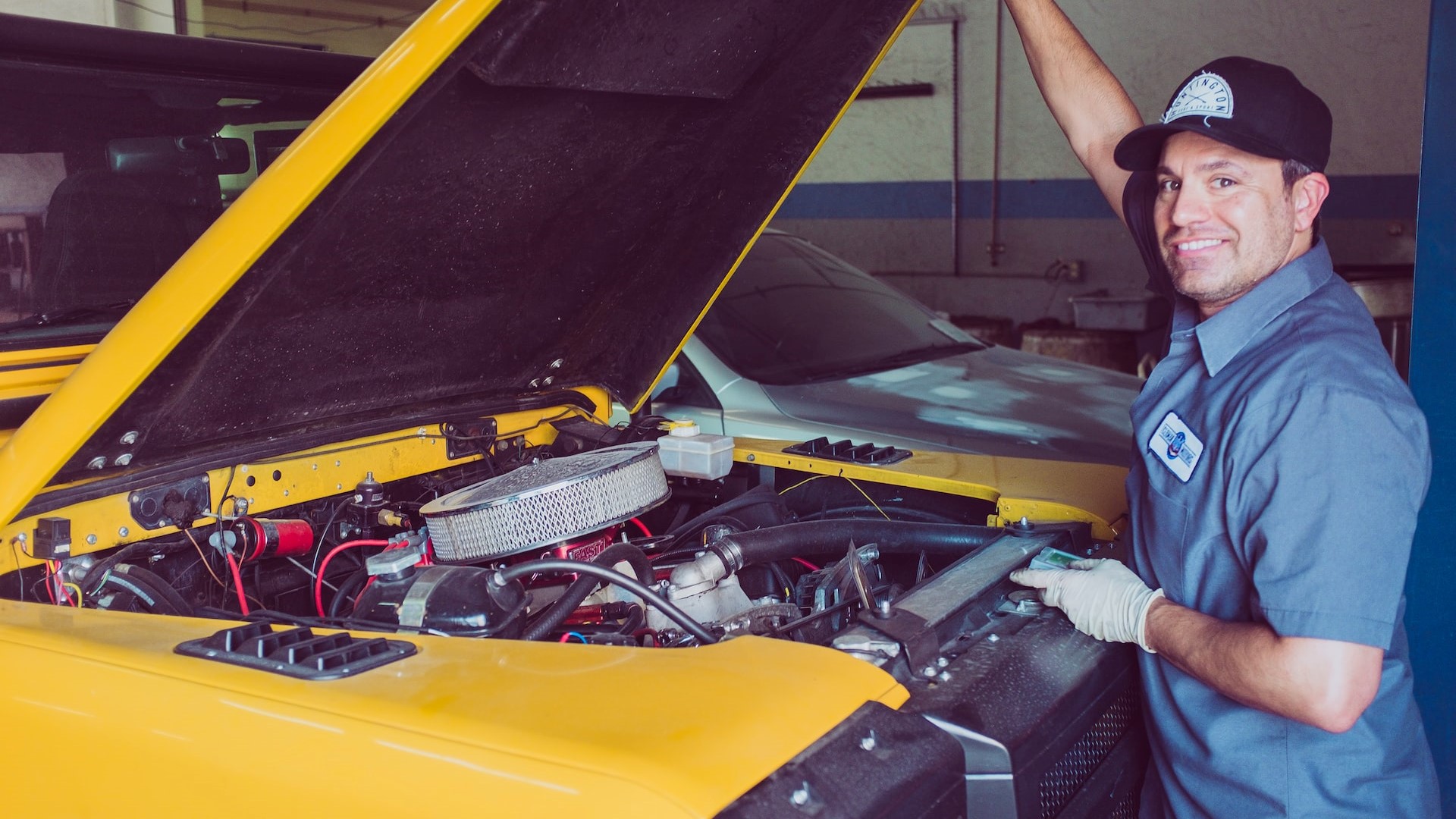
Good Mechanic | Goodwill Car Donations Photo by Kenny Eliason under Unsplash License

How to Determine If They Are the Right Fit

After investing a substantial amount of money to purchase a car, keeping it in its best condition is something you’ll want to do. Whether your vehicle needs a tune-up or major repairs, the last thing you’d want is to have untrained hands working on your precious vehicle. For this reason, it’s best to take it to a qualified and reliable auto mechanic.

Top 3 Questions to Ask When Looking for a Qualified Mechanic

With many auto shop options out there, choosing the right person to fix your car can be a little tricky. However, it’s worth noting that your first conversation with a new mechanic sets the tone for the rest of your service experience. To help you out, Goodwill Car Donations shares the three most important questions you need to ask your prospective mechanic to see if they are the right fit:

  1. “How long has your shop been in business?”

Since good auto mechanics are experienced at what they do, you’ll want to ask how long they’ve been in business before moving forward with their service. If they’ve been in business for a long time, they should have a long list of satisfied customers and excellent reviews of their work on Google or social media.

Besides having plenty of experience to back up their claims, the ideal mechanic prides themself on going above and beyond to ensure customer satisfaction and build lasting relationships with their clients. Always look for one with a good track record. This will assure you that your mechanic will do a great job at fixing your vehicle.

  1. “Have you ever worked on cars like mine before?”

You can find vehicle repair shops that specialize in certain types of vehicles with auto technicians certified to handle the maintenance and repairs of specific makes and models. When hiring a new mechanic, it’s best to ask if they’ve worked on vehicles with the same make and model as yours.

For instance, if you’re driving a European car or a diesel truck that requires special maintenance, you wouldn’t want to choose a mechanic who isn’t an expert in repairing such a vehicle.

  1. “How does your shop handle unexpected costs?”

You’ll probably walk away happy after taking your car to the mechanic and agreeing on the timeline for the repair of your car and how much this will cost you. However, what happens when they open the hood and discover other repair issues? Unless you’re willing to run the risk of facing an unexpected bill that’s higher than what you initially agreed to pay, you’ll need to know how your new mechanic handles unexpected costs.

Consider yourself lucky if your state requires auto shops to call customers to get their approval on repairs and parts that exceeded the price they agreed on. However, if your state doesn’t require your mechanic to call you if anything comes up on top of what was quoted on the written estimate, you’ll want to ask them how they handle situations like this.

Reach Out to the Disadvantaged Folks in Your Community

If you have an unwanted vehicle you’re looking to dispose of quickly, at no cost to you, and with no hassle on your part, talk to us at Goodwill Car Donations. Handing over that auto to us will allow you to enjoy a highly rewarding donating experience that will benefit the disadvantaged and struggling residents of your local community.

Our team will sell your car through an auction and use the proceeds to support the life-enrichment programs of the Goodwill organizations serving your area. These IRS-certified 501(c)(3) nonprofits are fully committed to uplifting the lives of disadvantaged Americans — those who are burdened with disabilities, lack of education, job experience, or essential skills, and other limiting personal circumstances, such as having prison or police records, or being welfare-dependent.

Your local Goodwill organizations use the funding sourced from the sale of donated vehicles to provide their beneficiaries with job and livelihood opportunities, disability benefits, financial assistance, family support, internship programs, scholarships, and other vital support services.

In return, you’ll have the privilege of enjoying our free towing service, which is available anywhere in the country. Your charitable contribution will also entitle you to claim the maximum tax deduction in the next tax season.

Best of all, you’ll find great satisfaction in knowing that you’re empowering your disadvantaged neighbors to realize their full potential and live productive and fulfilling lives.

Feel free to donate any type of vehicle, regardless of its year, make, model, mileage, or condition.

Check out our FAQs page for more information about our vehicle donation program, including our quick and easy donation process. If you have questions, call us anytime through our toll-free hotline at 866-233-8586 or message us here.


Use Your Unwanted Vehicle to Impact Lives Today!

Minicooper | Goodwill Car Donations Photo by Oleksandr Pidvalnyi under Pexels License

Instead of letting your unwanted vehicle rot in your garage, use it to transform lives today! Call Goodwill Car Donations at 866-233-8586 or fill out our secure online donation form now!


How to Take Care of Your Car Tires

how to take care of your tires | Goodwill Car Donations Photo by Benjamin Brunner under Unsplash License

6 Ways to Keep Your Tires in Tip-Top Shape

Tires are a critical component of any vehicle. They can affect your ride quality, the handling of your car, and most importantly, your safety and that of your passengers and other people on the road. They’re also the only parts of your auto that touch the ground, making them more prone to wear and tear than your car’s other components.

As such, your tires need proper care for them to last longer. Moreover, investing in tire maintenance can go a long way in ensuring that they stay in optimum condition.

While some vehicle owners know the right time to replace their tires and set aside a budget for them, many others don’t get to find out their tires are already worn out until they suffer flats or blowouts. Since replacing your damaged tires with new ones may impact your budget, you’ll want to learn how to take care of them. Goodwill Car Donations shows you how to do just that with the following tips:

  1. Check tire pressure at least once a month.

Did you know that a tire can lose air approximately one pound per square inch (psi) per month? It could lose even more air when the weather is cold. Although this might not seem like a big deal to you, the difference could have an impact on the quality of your drive and your car’s overall safety. Plus, it can increase the wear and tear of your vehicle’s tires.

For these reasons, you need to check your car’s tire pressure at least once a month. In doing this, make sure that your tire pressure gauge is in good condition and shows accurate readings.

  1. Inspect your tires after going out for a drive.

Since tires encounter various road conditions on any given day, it pays to check for tire damage after going out for a drive. In physically inspecting your tires, check for gouges, cuts, and bulges. It’s also important to look for embedded debris such as small rocks, glass, screws, and other items that can puncture your tires, which will then need to be repaired or replaced.  

  1. Rotate your tires every six months.

One of the best ways to maximize the tread wear of your tires is to rotate them periodically. The front tires of your vehicle are especially prone to premature wear and tear. During tire rotation, technicians exchange the front and back tires, which helps even out the tread wear of all four tires.

Depending on the vehicle type, it’s generally recommended that rotation be done every six months or 6,000 to 8,000 miles. To be sure, check the recommended tire rotation schedule on your vehicle’s user manual.

  1. Avoid putting extreme weight on your car.

A car can tolerate only a certain weight or load limit. Anything more than that can overload the vehicle. If this happens, the tire could become subject to extreme pressure, which can cause underinflation, or worse, tire failure.

  1. Realign your tires once a year.

Driving on bumps and potholes could misalign your vehicle’s tires. Misaligned tires can lead to uneven wear and tear and premature tire failure, which could render your car unsafe for driving. To prevent this, it’s generally recommended to have your car’s tires checked and realigned by an experienced mechanic at least once a year.

  1. Check your tires’ treads.

Tire treads are important in helping a vehicle maintain its traction and grip on wet or icy roads. Over time, the treads of tires can wear out, reducing their ability to maintain their grip on the road. If this happens, you’ll most likely need to replace your tires with new ones.

The easiest way to check the tread of a tire is to place a penny between the tread ribs on your tire, with Abraham Lincoln’s head facing the outside. If the tread can still cover the top portion of the head, then it is still fine. However, if the tread no longer covers the entirety of the coin’s head, it may be time to replace the tire.

Looking to Dispose of an Unwanted Vehicle?

If putting an end to your car problems requires more than just replacing your tires, consider donating your troublesome auto to us at Goodwill Car Donations. We’ll give your unwanted vehicle a new and worthy purpose by using it to uplift the lives of the disadvantaged and impoverished residents of your community.

Our team will have your vehicle fixed before selling it through an auction. Once it’s sold, we’ll turn over the proceeds to the Goodwill organizations serving your area.

These IRS-approved 501(c)(3) nonprofits are dedicated to helping Americans who are suffering from disabilities, lack of education, job experience, or essential skills, and other disadvantages that serve as barriers in their pursuit of a productive and meaningful life.

Your local Goodwill organizations use the funding we give them to provide their beneficiaries with job and skills training, employment opportunities, scholarships, livelihood assistance, disability benefits, family support, educational services, financial assistance, and other essential support services.

You’ll also benefit greatly from your donation since this will entitle you to receive outstanding rewards, such as getting the privilege to claim the highest possible tax deduction in the next tax season. We’ll also pick up and tow away your unwanted auto anywhere in the country. We’ll provide you with this service for free!

Best of all, you’ll find great satisfaction in doing something that will benefit your entire community when formerly idle members get to enjoy stable and decent sources of income, thus achieving what they’ve long been dreaming of.

Nearly all vehicle types can be donated to us, even those that are no longer running.

For information about our quick and hassle-free car donation process and other relevant details, visit our FAQs page. You can also call Goodwill Car Donations through our 24/7 toll-free hotline at 866-233-8586 or leave us a message here for your inquiries or concerns.


Empower Your Disadvantaged Neighbors Today!

Blue sedan on road | Goodwill Car Donations Photo by Sebastian Arie Voortman under Pexels License

It only takes a vehicle donation to help the disadvantaged folks in your community hurdle roadblocks to opportunities. Your car donation can help transform not only their lives but your community as a whole as well. Call Goodwill Car Donations at 866-233-8586 or fill out our secure online donation form now!


4 Signs That You Have a Fuel Leak

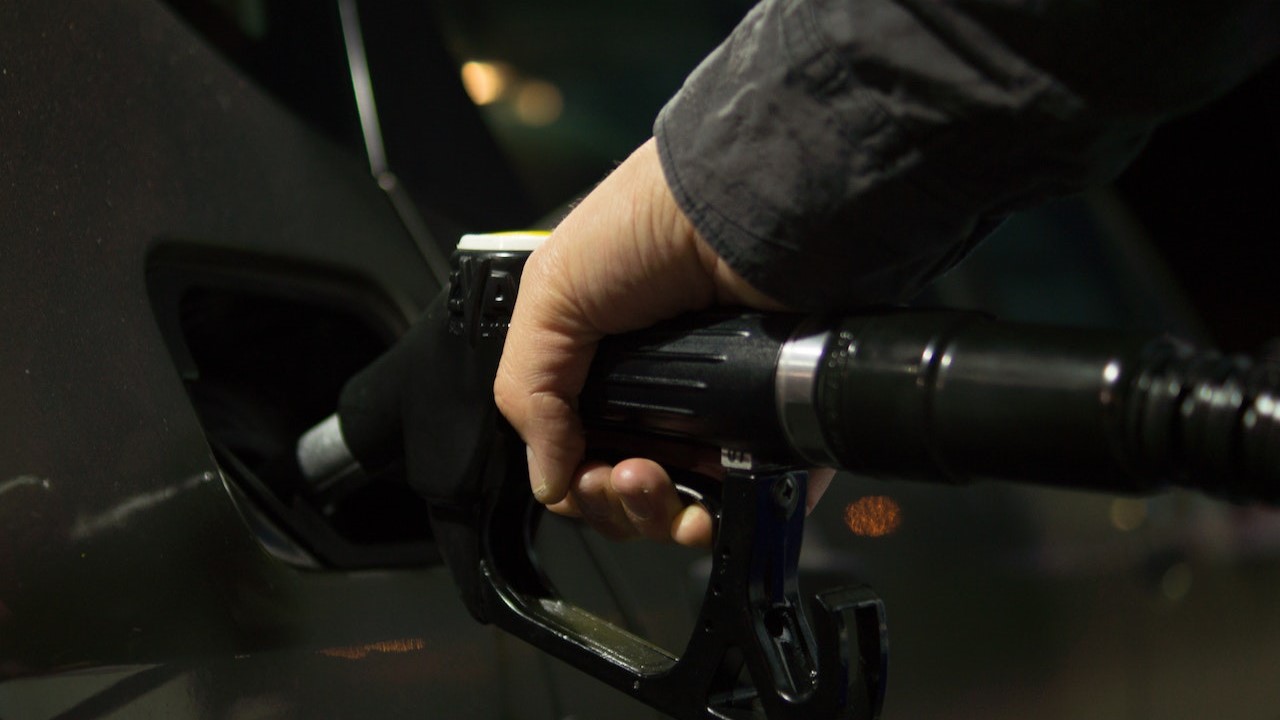
Fuel top up | Goodwill Car Donations Photo by ClickerHappy under Pexels License

Leaking Fuel? Here Are the Most Common Signs

If you suddenly smell gas inside your car while driving, you could be dealing with a gas leak. It can be as minor as a small hole in your gas tank. Nevertheless, it can be a major cause of concern that can put you and your passengers in danger on the road. The leaking fuel can ignite, creating a fire or an explosion if the flames make it to the tank.

Fortunately, telltale signs will warn you about this issue before the situation gets worse. If you suspect that there’s a leak in your tank, the following signs will confirm your suspicions:

  1. Strong gas odor

The overwhelming smell of gasoline in your cabin, whether you’re driving or parked, is one of the clearest signs of a leak. Although your fuel system isn’t necessarily airtight, you should not detect any gas fumes inside your vehicle if there’s no leak. In most cases, drivers who do have a leaking fuel tank will notice the odor before anything else.

  1. An unusual drop in the fuel gauge

A huge drop in your fuel gauge, especially if you haven’t been driving, is another common symptom of leaking fuel. However, unless you’re losing a large amount of gasoline, this can be hard to determine.

What you can do here is take note of your gas gauge when you’re parked for the night and check it again first thing in the morning. If you see a difference, then you should make that trip to the repair shop.

  1. Spots of moisture under your car

Another red flag to pay attention to is a small puddle underneath your fuel tank. It can be difficult to detect though as it’s usually translucent. To confirm that leakage is indeed to blame, simply place a piece of cardboard or newspaper beneath your fuel tank to see if any gas leaks on it.

  1. Engine trouble

A fuel leak can affect your engine’s performance. Leaking due to a damaged hose in any of your car’s fuel lines can compromise your engine, resulting in issues such as misfires, stalling, and hard starting. It can prevent your automobile from running at all.

Think Your Car Is in Its Final Days? Give It a Meaningful Retirement!

As long as you regularly check your gas tank to ensure there’s no leak and you follow your car’s maintenance schedule, you have nothing to worry about. However, if your car is facing numerous issues, making it look like it’s beyond redemption, getting your hands off it is a wise choice, especially if all those costly repairs did so little to restore its condition.

The good news is that there’s still a way to put that vehicle to good use. By simply donating it to us at Goodwill Car Donations, you get to help transform the lives of the impoverished disadvantaged men and women in your community — those who are burdened with disabilities, lack of education, job experience, or essential skills, and other limiting personal issues, such as being a former inmate or having a welfare mentality.

Our team will sell your donated vehicle through an auction and hand over the proceeds to the Goodwill organizations serving your area. These IRS-certified 501(c)(3) nonprofits cater to disadvantaged individuals, using the funding we give them to provide their beneficiaries with job and skills training, employment opportunities, scholarships, livelihood assistance, disability benefits, family support, educational services, financial assistance, and other essential support services.

As a Goodwill donor, you’ll enjoy our fast and free towing service anywhere in the United States. Your donation will also entitle you to claim the highest possible tax deduction in the next tax season. Plus, you don’t have to deal with paperwork anymore. Our donation specialists will gladly do it for you.

Best of all, your act of charity will bring you an immense sense of satisfaction, knowing that you’ll be contributing to the growth and development of your community by empowering your needy fellow residents through work and learning.

We take almost all types of vehicles whatever their ages or conditions. You can donate even a clapped-out car that has defective or missing parts.

If you want more information about our quick and hassle-free donation process, head over to our FAQs page. If you have questions or concerns, call us anytime through our toll-free hotline at 866-233-8586 or contact us here. We’ll respond to you as soon as we can.

Help Transform the Lives of Your Needy Neighbors Today!

Needy Neighbors | Goodwill Car Donations Photo by Nicole Michalou under Unsplash License

A simple vehicle donation can make all the difference in improving the lives of the disadvantaged people in your area. Let’s work together to give them a better future. Call Goodwill Car Donations at 866-233-8586 or click here to begin your donation process now!


Is Your Engine Overheating? Here Are 5 Telltale Signs

Overheating car | Goodwill Car Donations Photo by Gustavo Fring under Pexels License

Catch Those Signs Quickly Before They Put You in Big Trouble!

Even with diligent care and maintenance, your car may overheat. You may then experience complicated issues as a result, especially if you fail to address the problem right away.

Engine overheating damage may vary depending on how high the temperature gets. For instance, if it rises to 20 to 40 degrees above the normal engine temperature, you could experience an engine knock, which could crack a piston or shatter a piston ring if you continue to run the engine. Driving with an engine that’s 40 to 80 degrees hotter could damage the bearings and the engine’s interior.

When your engine overheats, expect an expensive trip to the repair shop if you don’t act on it swiftly.

The good news is that warning signs will alert you that your engine is in trouble before it overheats. Catching those signs quickly can save you from the headaches of facing costly major engine repairs.

That being said, Goodwill Car Donations points out the following early signs of an overheating engine:

  1. Strange engine smells

You’ll notice a distinctive odor when your engine heats up enough to start burning oil. It can be any of these three:

Burning oil: As your engine oil begins to burn, you’ll most likely smell a sulfur-like odor.

Burning plastic: Vulnerable engine components like rubber seals and plastic valves may melt when your engine overheats, thus emitting the smell of burning plastic.

Sweet: The radiator fluid’s coolant is ethylene glycol, which is molecularly similar to the sugar compound. As such, you may smell something that resembles maple syrup or butterscotch if the coolant burns.

  1. Temperature gauge

Most cars today come with a warning light or temperature gauge that shows how hot your engine is. You’ll know your engine is heating excessively if the gauge indicates that the temperature is approaching the maximum level or if the dashboard warning light flashes on. However, since this light functions by measuring the coolant’s temperature, it won’t be able to measure anything in case the coolant leaks.

  1. Coolant on the ground

A puddle of coolant under your parked car is a good indicator of engine overheating. This either tells you that there’s a leak somewhere in your cooling system that caused the engine to run hot, or that the coolant has boiled and has been relieved by the coolant overflow tank.

  1. Clanking or clicking noise

An overheating engine will cause oil to lose its lubrication properties. In such cases, you might hear a clicking or clanking noise coming from your engine components as they work together without the buffer of your oil.

  1. Poor engine performance

Acceleration and performance troubles aren’t uncommon for drivers who are experiencing engine overheating. If you find that your engine isn’t working properly, check your temperature gauge and pay attention to any weird smell to confirm that overheating is indeed to blame.

Turn Your Problematic Car into a Vital Source of Support for Disadvantaged Folks

If your car continues to have engine issues despite numerous trips to the auto shop and spending a fortune each time, you’d be better off disposing of it. Splurging on repairs would be unwise since they can’t guarantee that your car would be restored to its former pristine condition.

You can still put that vehicle to good use though. By handing it over to us at Goodwill Car Donations, you’ll be helping the struggling disadvantaged people in your local area find opportunities to improve their living conditions.

Our team will have your vehicle auctioned off to generate funds for the Goodwill organizations serving your local area. Like us, these IRS-certified 501(c)(3) nonprofits are dedicated to helping disadvantaged Americans — those who are saddled with disabilities, lack of education, job experience, or essential skills, and other limiting personal circumstances, such as being a former inmate or welfare-dependent.

Your local Goodwill organizations use the funding we give them to provide their beneficiaries with job and skills training, employment opportunities, scholarships, livelihood assistance, disability benefits, family support, educational services, financial assistance, and other essential support services.

You’ll also reap outstanding rewards from your charitable contribution. It will entitle you to claim the maximum tax deduction in the next tax season. You will also benefit from our free towing service, which we give to our donors throughout the country. Plus, you don’t need to worry about paperwork — our donation specialists will handle that for you.

We accept almost all vehicle types, including those that are damaged or no longer working properly.

For information about our quick and convenient vehicle donation process, tax deductions, and other important details about our vehicle donation program, feel free to check out our FAQs page. If you have any questions or concerns, don’t hesitate to call us at 866-233-8586 or leave us a message here.

Be a Ray of Hope to Your Less Fortunate Neighbors Today!

happy community | Goodwill Car Donations Photo by Andrea Piacquadio under Pexels License

Don’t miss this chance to contribute to uplifting the lives of the less fortunate folks in your area. Your auto donation will bring positive changes in their lives. Call Goodwill Car Donations at 866-233-8586 or fill out our secure online donation form now!


5 Common Signs of a Cracked or Blown Head Gasket

Car Gasket | Goodwill Car Donations Photo by Artem Podrez under Pexels License

Take Your Car to the Mechanic ASAP When You See Any of These Red Flags!

You wouldn’t want to face the problem of having a blown head gasket. It will certainly cost you a lot to get a cracked engine block repaired as a result of ignoring the issue. Worst case scenario? Finding out that you’ll need an engine replacement! That’s going to drain your wallet in an instant!

That’s why it’s best to address the problem right away as soon as you notice signs that there’s something off about your head gasket. Make sure to take your vehicle to a professional for a thorough diagnosis as soon as you see any of these red flags:

  1. Engine overheating

An engine that chronically overheats can be caused by several factors, one of which is a cracked or blown head gasket. That’s because a failing head gasket will cause the engine to work harder to create power. What’s more, it can result in a drop in coolant levels, causing the cooling system to underperform.

  1. White or blue exhaust smoke

If you see white or blue fumes coming out of your exhaust, then you’re most likely having a head gasket problem.

White smoke is emitted when antifreeze leaks past the gasket and into the cylinders, after which it turns to steam through combustion. In rare instances, you might be seeing blue smoke, which suggests that your engine is burning oil. With both colors being major red flags, you should have your car checked by your trusted mechanic as soon as possible.

  1. Faulty cylinders

Another sign that your head gasket is about to give up is when your cylinders start malfunctioning. Once you notice a breach between two cylinders, it’s time to visit your auto repair shop.

  1. Rough idling

A bad head gasket usually causes the engine to lose compression. In turn, the engine ends up knocking or running roughly at idle mode.

Then again, there are other causes of rough idling. Your technician can diagnose this by performing a compression leak test on your car. If they find that combustion gases are mixing with the engine oil, then it’s pretty clear that your head gasket has failed internally.

  1. Oil contamination

One of the most evident signs that you have a blown head gasket is the presence of a milky sludge on the dipstick or the underside of the oil filter cap. This typically happens as a result of the coolant entering the oil or vice versa. Since contaminated engine oil will no longer be able to protect your engine from heat or friction, you’ll need to have your gasket fixed urgently.

Allow Us to Turn Your Unwanted Car into a Tool for Uplifting Lives

If a cracked or blown head gasket is just one of the many parts of your vehicle that need to be fixed or replaced, take time to assess whether the repairs would only be a waste of your hard-earned money. If you believe that your vehicle has turned into a money pit, consider handing it over to us at Goodwill Car Donations. We’ll use it to provide opportunities for the disadvantaged residents of your local community to harness their full potential so they can live productive and fulfilling lives.

Our team will have your car fixed before putting it up for auction. We’ll then use the proceeds to support the life improvement and community development programs of the Goodwill organizations serving your area.

These IRS-certified 501(c)(3) nonprofits cater to disadvantaged Americans — those who are being weighed down by their disabilities, lack of education, essential skills, or job experience, as well as other limiting personal issues, such as being welfare-dependent or having prison or police records.

Your local Goodwill organizations use the funding we give them to provide their beneficiaries with job and skills training, employment opportunities, scholarships, livelihood assistance, disability benefits, family support, educational services, financial assistance, and other essential support services.

As a reward for your generous donation, you’ll get high-value rewards. They include receiving our free vehicle towing service anywhere in the country and getting entitled to claim the maximum tax deduction in the next tax season.

Best of all, you’ll find great satisfaction in doing something that will benefit your entire community when once-idle members get the chance to find decent employment or livelihood, empowering them to attain financial stability.

We accept almost all vehicle types. You can donate even a damaged or non-working vehicle.

You can find more information about Goodwill Car Donations, including our quick and convenient donation process, on our FAQs page. For your inquiries or concerns, feel free to call us at 866-233-8586 or write to us here.


Touch the Lives of the Less Fortunate Today!

Less Fortunate | Goodwill Car Donations Photo by aga2rk under Pixabay License

Your old and barely-running car can play a key role in bettering the lives of the suffering folks in your community. Donating that vehicle to us will surely boost their hopes. Call Goodwill Car Donations at 866-233-8586 or fill out our secure online donation form now!


5 Possible Reasons Why Your Car Is Stalling

Man fixing his car on the road | Goodwill Car Donations Photo by MART PRODUCTION under Pexels License

Fix the Issue by Understanding What Caused It!

Regardless of their makes and models, most cars are bound to stall at some point. It can happen at any moment, whether you’re driving, idling, or coming to a stop. There are even rare instances when vehicles stall when cruising at operating speeds. You certainly wouldn’t want to experience that.

As soon as your car stalls, you can assume that your engine has died. You’ll then probably wonder what caused it.

Knowing and understanding the causes of a stalled engine is the first step to fixing the issue. To help you out, Goodwill Car Donations has listed the possible causes of stalling as follows:

  • Reason #1: You have a faulty battery.

Most of the time, a worn battery is to blame if your engine stalls while you’re driving. It might also be due to corroded battery terminals since they prevent the engine from getting enough voltage.

The only way to find out is by having your mechanic diagnose your battery. They will use a voltmeter to determine if the stalling is caused by a dead battery. From there, they’ll tell you whether you need a new battery or simply have your terminals cleaned.

  • Reason #2: You have electrical issues.

Modern cars come with engines that are controlled by computers and modules that need to communicate with each other. When that communication fails because of electrical issues, you’re likely to end up with a stalled car. The components wouldn’t know what to do without getting the right signals.

Most car electrical problems are caused by loose, corroded, or damaged wires and terminals. Whatever electrical issue you’re faced with, your best bet is to have a professional auto mechanic look at your car’s electrical system.

  • Reason #3: You have insufficient airflow.

Your engine won’t be able to perform at its peak level if it doesn’t have enough airflow. So, if you live in an area with lots of dust or debris, or if you often drive to such places, expect your car to stall every now and then. Avoiding this is as simple as maintaining your air filter and getting it checked every time you get an oil change or a tune-up.

  • Reason #4: You have a bad torque converter.

Automatic transmission cars must be able to efficiently manage the level and pressure of their transmission fluid when they’re idling. A torque converter is what gets the job done. When it fails to do that, the engine will stall.

Have No More Use for Your Defective Car? We Can Repurpose It!

If you’ve experienced all sorts of car problems besides stalling, if you’ve already wasted a lot of hard-earned money paying for their costly repairs, you must have realized by now that you would have been better off if you had saved that money and used it to buy a new set of wheels instead.

What if we told you that you can make good use of that troublesome car? By handing it over to us at Goodwill Car Donations, you get to help uplift the lives of the disadvantaged men and women in your community who are struggling to break free from poverty. They are those who are suffering from disabilities, lack education, job experience, or essential skills, and some other disadvantages (such as having prison records or a welfare mentality) that make it hard for them to find decent and stable sources of income.

We will have your vehicle auctioned off with the proceeds going straight to the Goodwill organizations serving your area. These IRS-approved 501(c)(3) nonprofits use the funding we give them to finance their programs aimed at empowering disadvantaged individuals. From these programs, the beneficiaries get job and skills training, employment opportunities, scholarships, livelihood assistance, disability benefits, family support, educational services, financial assistance, and other essential support services.

As our token of gratitude, we’ll promptly send to you the 100% tax-deductible sales receipt of your vehicle after it gets sold. The receipt will entitle you to claim the maximum tax deduction in the next tax season.

You will also benefit from our free pickup and towing service, which is available to our donors in all parts of the United States.

We accept almost all types of vehicles, including those that are no longer in good condition. Head over to this page to get a comprehensive list of the vehicles we commonly accept as donations.

For more information about our donation program, you may browse through our FAQs page. Send us a message here if you have any concerns or inquiries, or give us a call at 866-233-8586.

Let Your Disadvantaged Neighbors Know You Care Today!

People sitting in the park | Goodwill Car Donations Photo by Mental Health America (MHA) under Pexels License

While you might see your old car as virtually worthless, the less fortunate folks in your community see it as their saving grace. Donate it to Goodwill Car Donations to help turn their lives around. Call us at 866-233-8586 or fill out our secure online donation form now!