Slipping Automatic Transmission? Look Out for These 5 Signs!

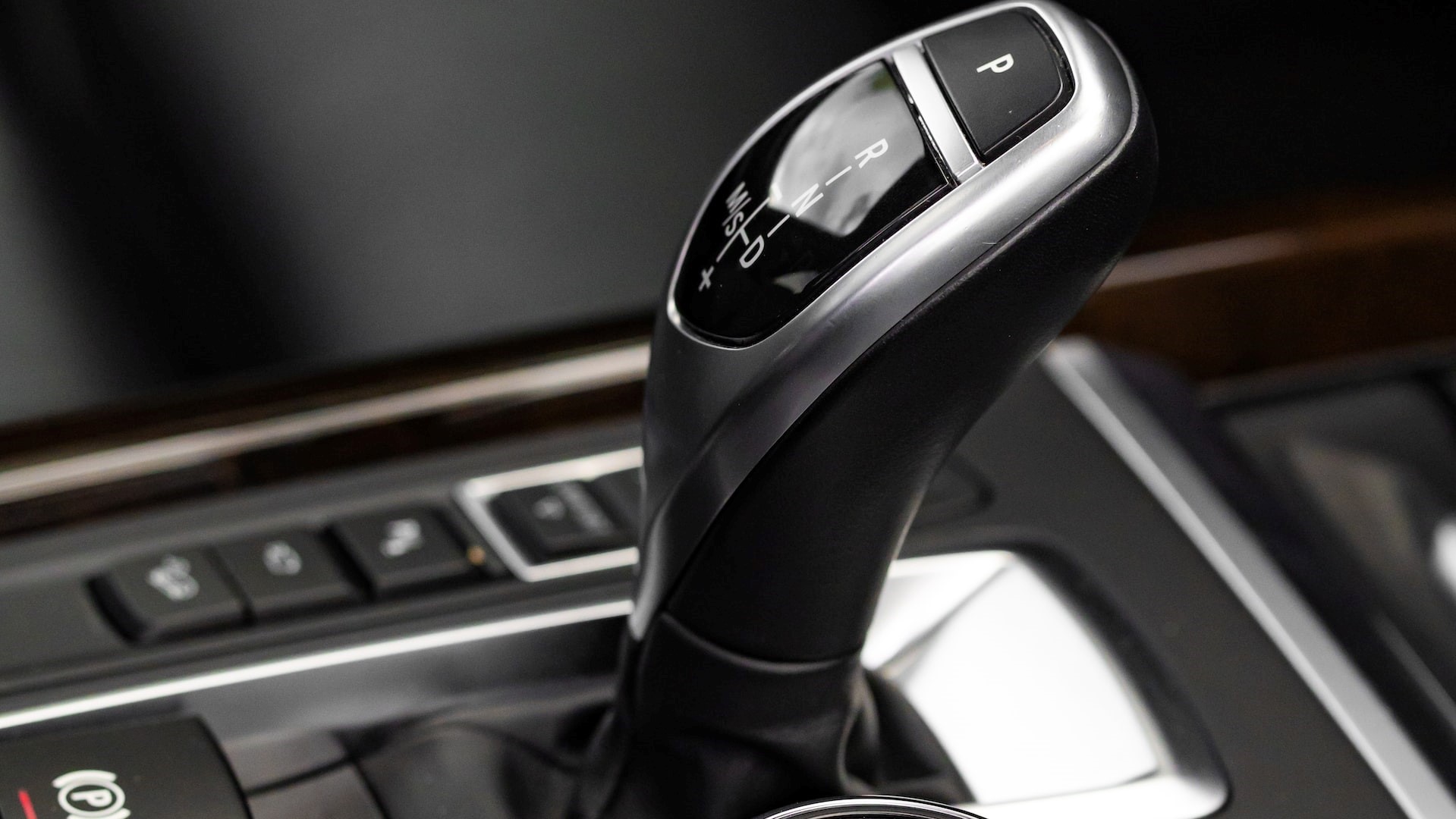
Car automatic shifter | Goodwill Car Donations Photo by Tim Bernhard under Unsplash License

Know What’s Causing Your Automatic Transmission to Slip

Having a slipping automatic transmission is something no driver would want to happen to them. It may seem like a minor nuisance at first, but over time, it can get really dangerous. A slipping automatic transmission can leave you stranded on the road. As such, you’ll want to deal with this issue as soon as you can to avoid major costly repairs.

The transmission system of a vehicle is among the most expensive and complex mechanical components to fix or replace. The longer you put off its repair, the more likely the damage will worsen, which means spending a large chunk of money.

What Is Automatic Transmission Slipping?

This happens when your transmission does not properly switch gears when you want it to, or it starts switching gears when it shouldn’t. Sometimes, the transmission suddenly causes your gear to switch to neutral. At other times, the transmission will reject the gear change you made and revert to its previous gear.

This is not only an annoying experience, but it can also increase your risk of getting into a vehicle mishap.

Signs to Pay Attention To

Knowing the early warning signs of a defective automatic transmission system will enable you to stop the problem from worsening.

There are several indicators you can look out for if you suspect that your transmission may be slipping. A transmission slippage exhibits the following symptoms:

  1. Your car feels sluggish.

A vehicle that doesn’t accelerate as quickly as it should is often one that has a slipping transmission. You’ll observe a long break in which your car revs the engine while you press the gas pedal. It won’t accelerate forward as it normally would. When this happens, get your car inspected by a certified mechanic right away. Don’t wait until the problem gets worse.

  1. Your transmission fluid is leaking.

If you see red fluid underneath your parked car, a slipping transmission might be the culprit. That’s because most transmission slipping incidents occur when cars have low levels of fluids due to leakage.

As soon as you notice the leak, seal it right away. Dismissing it and driving your car could cause the complete failure of your entire transmission system.

  1. Your gears have trouble changing smoothly.

Another sign suggesting that your transmission is slipping is when your car is unable to change gears with ease. You’ll hear a clunk or thud as your vehicle goes up or down in gears.

  1. Your check engine light turns on.

An illuminated check engine light is a clear indication that there’s something wrong with your engine. It also warns you whenever there are issues with the transmission, and that includes slipping.

Since there are numerous other possibilities, it’s best to consult your trusted mechanic. They will use a special diagnostic tool to identify what’s causing the warning light to turn on.

  1. Your car hesitates before moving.

A long lag after the gear shift moves from “park” to “drive” may indicate that your transmission has slipped. During this period, your engine revs but goes nowhere. This should be enough to prompt you to visit the nearest auto repair shop in your area.

Here’s the Best Way to Dispose of an Unwanted Vehicle

If you’re experiencing transmission issues or some other major problems with your car that threaten your safety on the road, it’s probably about time to let it go. If you’ve taken your vehicle to the repair shop countless times to no avail, you have all the more reason to consider disposing of it before it causes you something you’ll regret later on.

Here’s the best way to get your hands off it: Donate it to us at Goodwill Car Donations. Doing so will enable you to help your disadvantaged neighbors while freeing yourself from the burden of maintaining a problematic automobile.

We’ll have your car repaired at our expense before putting it up for auction. Once it is sold, we’ll use the proceeds to support the life-improvement programs of the Goodwill organizations serving your local area. These IRS-approved 501(c)(3) nonprofits cater to disadvantaged Americans — those who are burdened with disabilities, lack education, job experience, or essential skills, and other limiting personal issues, such as having criminal records or a welfare mentality.

Your local Goodwill organizations use the funding we give them to provide their beneficiaries with job and skills training, employment opportunities, scholarships, livelihood assistance, disability benefits, family support, educational services, financial assistance, and other essential support services.

As a donor, you will receive outstanding perks. Your gift will entitle you to claim the maximum tax deduction in the next tax season. We’ll send you your 100% tax-deductible sales receipt within days after selling your car.

You will also have the privilege of getting your vehicle picked up at a time and place of your convenience — and you’ll pay nothing for this service. We offer free towing of donated vehicles anywhere in the United States.

We take nearly all types of vehicles, including those that are no longer in good shape. You may head over to this page to get a list of the common types of vehicles we welcome in our program.

To learn more about our donation process, feel free to visit our FAQs page. For inquiries, you may contact us at 866-233-8586 or leave us a message here.

Turn Your Beater into a Life-Changing Tool Today!

Yellow van parked on the side of the road | Goodwill Car Donations Photo by StockSnap under Pixabay License

Your car donation could help free the less fortunate residents of your community from the grip of poverty. Call Goodwill Car Donations at 866-233-8586 or fill out our secure online donation form now!
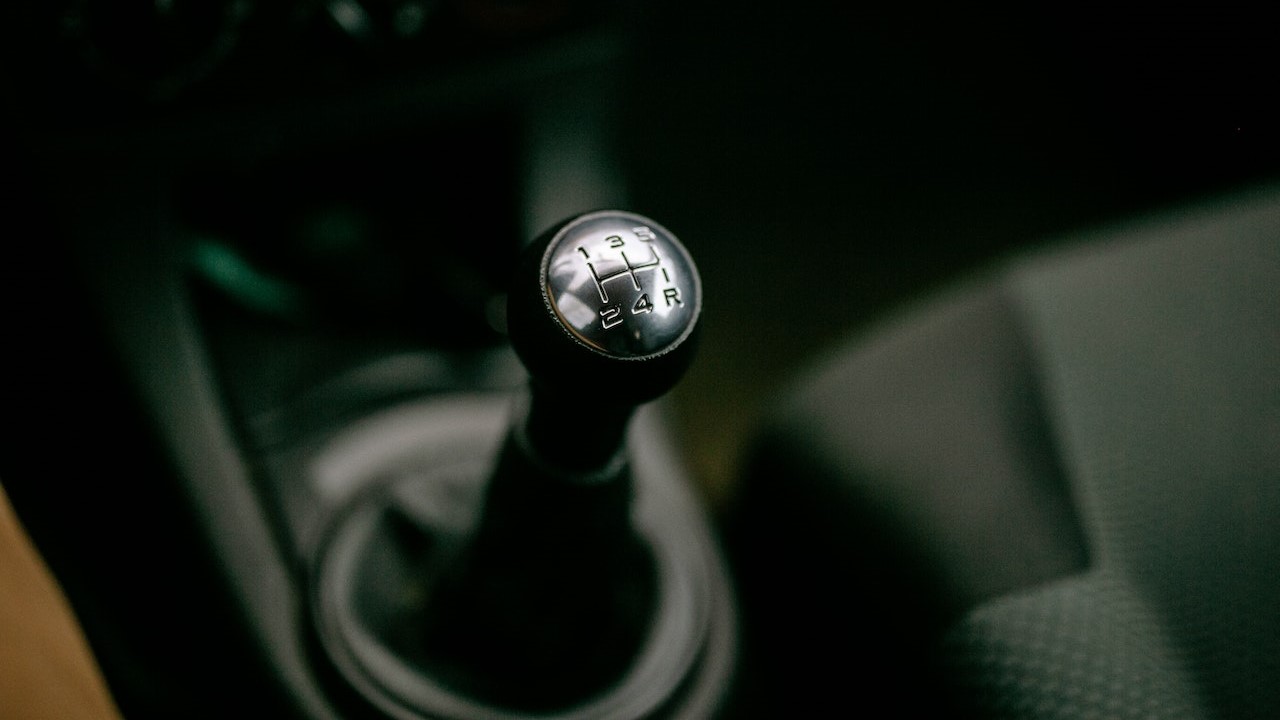

Top 5 Signs of Transmission Failure

Close-up of a Gear Shifter in a Car | Goodwill Car Donations Photo by Yan Krukau under Unsplash License

Recognize These Warning Signs Before It’s Too Late!

Responsible for moving power from the engine to the wheels, the transmission system is one of the most critical parts of a car. It’s there to make sure that your engine spins at the right rate without going too fast or too slow.

A bad transmission can cause your engine to overheat. If left untreated, it can lead to massive repair bills, headaches on the road, and perhaps even leaving you no choice but to ditch your old car and buy a new one.

The best way to avoid transmission failure is by knowing its early signs so you can prevent the situation from getting worse.

The earlier you detect issues with your transmission, the sooner you can take your vehicle to a professional mechanic. The sooner you get it fixed, the better chances you’ll have of preventing transmission failure and costly repairs.

So, what signs should you be keeping an eye on? Goodwill Car Donations has taken note of them as follows:

  1. Delayed or no response

If your car is hesitant to respond or doesn’t respond at all when you step on the gas, then you have its transmission to blame.  For automatic vehicles, this may feel like a delay when shifting from drive to park before the gear engages. As for cars with manual transmissions, the lack of response is usually in the form of a disconnect between the revving of the actual speed and the engine’s RPMs.

  1. Burning smell

A burning smell from your car suggests several things, one of which is a defective transmission. It could indicate that your transmission is overheating or the transmission is old and burnt. Either way, you should get it inspected as soon as you can.

  1. Strange noises

Unusual sounds such as buzzing, humming, clunking, or whining coming from under the hood may indicate that your transmission’s mechanical parts are no longer working properly. This may be due to blocked transmission filters or broken transmission pumps.

  1. Slipping gears

Gears that slip in and out impulsively as you drive are clear signs that your transmission isn’t functioning correctly. You’ll know you have gear slippage when you hear your engine revving during a gear change. Gear slippage can happen to both manual and automatic transmissions, and it can put you at higher risk on the road.

So, when your car abruptly stops, slips between gears, or continues to switch to neutral for no reason, your gut should tell you to take it to a transmission repair facility immediately.

  1. Leaking fluid

An automatic transmission fuel leak is easy to spot by its red color and sweet smell, though it may also take on a darker color and toasty smell if it’s been there for some time. To confirm that there’s a leak after noticing the fluid on your driveway, warm up your engine with a short drive, then check the transmission dipstick. If the transmission fluid is low, there’s indeed a leak.

Don’t Want to Keep Your Old Car Anymore? We’d Love to Have It!

Is transmission failure just one of the many issues you have with your car that are giving you constant headaches? Are you now thinking of parting ways with that vehicle after spending a fortune on its repairs to no avail? Here’s a suggestion that should perk you up: Give your beater a new and worthy purpose by turning it into a vital source of assistance for your less fortunate neighbors. You can do that by donating that auto to us at Goodwill Car Donations.

We will quickly relieve you of your problem by hauling off your car for free while giving you all the rewards you deserve for taking part in our vehicle donation program.

More importantly, your vehicle donation will allow you to help the disadvantaged people in your community overcome the tough challenges they face that will eventually enable them to break free from poverty.

We will auction off your vehicle and turn over the proceeds to the Goodwill organizations serving your area. These IRS-approved 501(c)(3) nonprofits are dedicated to helping disadvantaged Americans — those who are being weighed down by their disabilities, lack of education, job experience, or essential skills, and other limiting personal issues, such as being a former inmate or having a welfare mindset.

Your local Goodwill organizations use the funding they get from us to provide their beneficiaries with job and skills training, employment opportunities, scholarships, livelihood assistance, disability benefits, family support, educational services, financial assistance, and other essential support services.

As a Goodwill donor, you will be entitled to claim the maximum tax deduction in the next tax season. Expect to receive by mail the 100% tax-deductible sales receipt of your vehicle within days after it gets sold.

You will also benefit from our free towing service, which is available to our donors in all parts of the United States.

Better yet, you will savor the satisfaction of having done something wonderful for your community by supporting the creation of new jobs and livelihood opportunities. This will surely contribute to the growth and progress of your community.

You can donate almost any type of vehicle. It doesn’t even have to be in good shape when we haul it off.

For more details on our vehicle donation program, including our quick and convenient donation process, check out our FAQs page. If you have any concerns or questions, feel free to reach us anytime through our toll-free hotline at 866-233-8586 or leave us a message here.

Touch Lives with a Charitable Act Today!

Multiracial colleagues shaking hands at work | Goodwill Car Donations Photo by Sora Shimazaki under Pexels License

If you’ve always wanted to make a difference in your community, now’s the best time to make it happen. It only takes a simple vehicle donation. Call Goodwill Car Donations at 866-233-8586 or click here to begin your donation process now!


How to Inspect Your Oil Properly

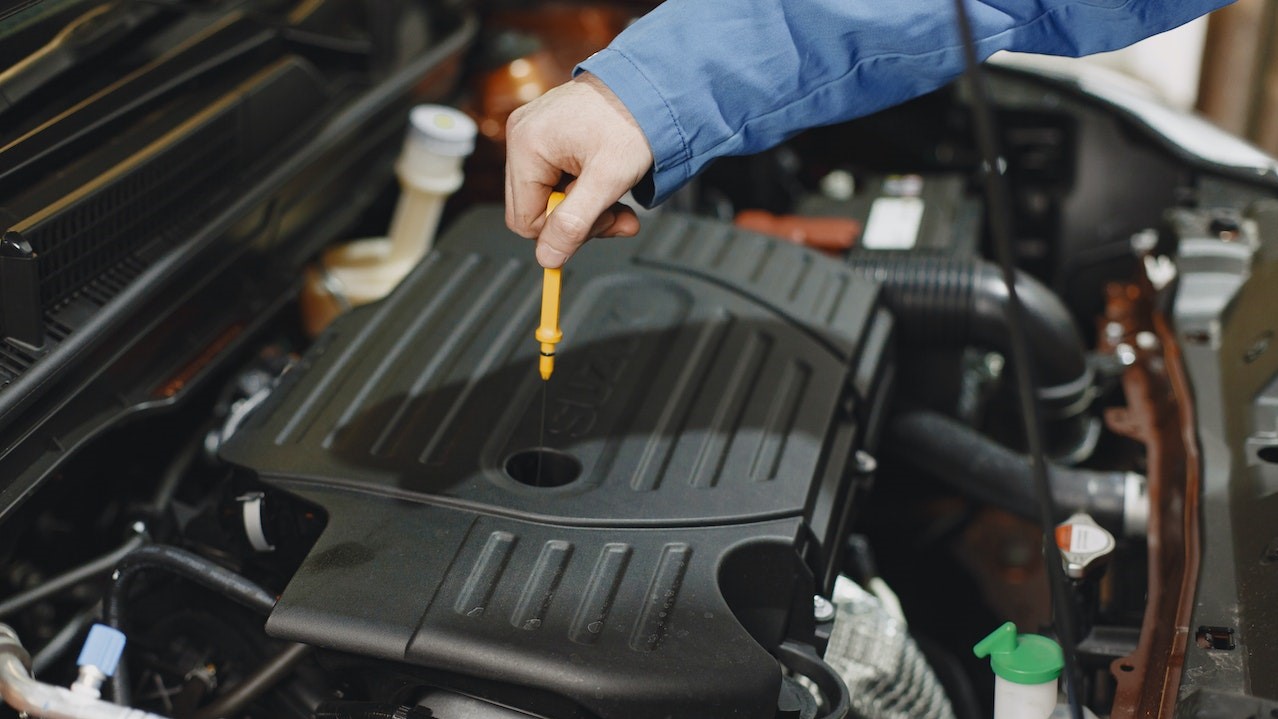
Person Checking the Oil of an Engine | Goodwill Car Donations Photo by Gustavo Fring under Pexels License

Checking Your Car’s Oil Level Isn’t Rocket Science!

Motor oil is your car’s lifeblood. Besides keeping the engine clean by preventing dirt buildup, it lubricates the engine parts and protects them from premature wear. What’s more, your motor oil helps keep your engine from overheating.

Inspecting Your Motor Oil: A Step-by-Step Guide

Needless to say, doing regular oil checks is important to your auto’s health and overall performance. Thankfully, checking your vehicle’s oil level isn’t rocket science. You need to take just a few simple steps to get it done properly. Goodwill Car Donations lists these steps so you can keep your vehicle healthy and running smoothly.

  • STEP 1: Warm up your vehicle.

Since experts recommend checking your oil while it’s still warm, warm up your car by driving around the block or to the nearest supermarket before doing your oil inspection.

  • STEP 2: Park your car.

Park your car on level ground with the engine turned off, the transmission in Park, and the parking brake on. However, if you’re using manual transmission, place it in a lower gear. You should wait until your car has cooled off to check your oil level. When the engine is running, the oil will splash up the dipstick and give a false reading.

  • STEP 3: Raise the hood.

Pop open the hood. Most cars feature a hood-release lever located under the instrument panel on the left side. You might have to unlatch the safety catch under the hood’s front edge before you can lift the hood.

  • STEP 4: Find the dipstick.

You can check your owner’s manual for instructions if you don’t know how to do this or if you’re unfamiliar with what’s under the hood. You should see a detailed description of where you can find your dipstick.

Most cars have their dipsticks on the left side of the engine. Look for the dipstick’s yellow or orange circular handle marked with the oil can symbol. Once you’ve located the dipstick, pull it like you’re pulling a sword from its sheath. You should see a long piece of metal sliding out of your engine. Engine oil collects at the bottom where the dipstick enters the crankcase.

  • STEP 5: Clean the dipstick and put it back into the tube.

You’ll need to use an old t-shirt or a lint-free rag to clean the dipstick. Then, insert it into the tube.

  • STEP 6: Note the oil level, texture, and color.

Pull out the dipstick once again. You should see two lines at the tip of the dipstick indicating the high and low levels of engine oil. The oil level should be between these two marks. Either too high or too low is bad for your car.

Use two fingers to touch the end of the dipstick so you can feel the oil’s texture. If your oil is gritty, leaves a smudge, feels gritty on your fingers, or has a burning smell, you will need to have it changed immediately. Moreover, its color should be amber.

  • STEP 7: Reinsert the dipstick.

If everything’s normal, reinsert the dipstick back in.

Use Your Unwanted Car to Help Transform Lives!

If you’re looking to get rid of an old and unwanted vehicle, consider donating it to us at Goodwill Car Donations. We’ll repurpose your auto by using it to provide opportunities for success to the disadvantaged residents of your local community.

Our team will have your car fixed before putting it up for auction. We’ll then hand over the proceeds to the Goodwill organizations serving your area. These IRS-certified 501(c)(3) nonprofits are committed to helping disadvantaged Americans — those who are burdened with disabilities, lack of education, job experience, or essential skills, and other limiting personal issues, such as having prison records or a welfare mentality.

Your local Goodwill organizations use the funding we give them to provide their beneficiaries with job and skills training, employment opportunities, scholarships, livelihood assistance, disability benefits, family support, educational services, financial assistance, and other essential support services.

Your donation will entitle you to receive the maximum tax deduction in the next tax season. We’ll also provide you with a free pickup and towing service wherever you’re located in the country.

Best of all, your act of charity will bring you an immense sense of personal satisfaction, knowing that you’ll be helping the less fortunate folks in your area find opportunities for using their potential to improve the quality of their lives.

We accept a wide range of vehicle types. We take in even damaged or non-working vehicle donations.

To get to know our simple and convenient vehicle donation process and other relevant information, visit our FAQs page. For other questions and concerns, get in touch with us at Goodwill Car Donations anytime by calling our toll-free hotline at 866-233-8586 or writing to us here.

Parked Hyundai Palisade | Goodwill Car Donations Photo by Hyundai Motor Group under Pexels License

Turn your Vehicle Into a Life-Changer Today!

If the cost of maintaining and repairing your old car is already draining your pockets dry, consider giving it a fitting retirement by donating it to Goodwill Car Donations. When you do that, you’ll turn that auto into a vehicle of hope for your less fortunate neighbors. Call Goodwill Car Donations at 866-233-8586 or fill out our secure online donation form now!


3 Signs That Your Sensors Are Malfunctioning

Car sensors | Goodwill Car Donations Photo by Anna Shvets under Pexels License

Take Your Car to a Licensed Mechanic as Soon as You Notice Any of These Signs!

Sensors play a vital role in the performance of your vehicle’s engine. They act as its eyes and ears, transmitting information to the engine control computer and monitoring all of the engine’s functions. They’re also designed to manage throttle control and cruise control.

Several sensors are located beneath your car’s bonnet, and each of them has an important part to play. When one sensor stops working, you’ll notice a difference in your auto’s performance. You’ll find it harder to drive, or worse, the entire system starts to break down, increasing your risk of getting into an accident.

That being said, it’s crucial to know the warning signs before your sensors finally give up on you. Goodwill Car Donations points out the functions of three common car sensors along with the signs that they’re malfunctioning:

  1. Oxygen sensor

Your car’s oxygen sensor is responsible for measuring the amount of oxygen remaining in the exhaust. It also accounts for altitude, barometric pressure, and ambient/engine temperature to determine whether the engine burns a rich or lean mixture.

A defective oxygen sensor can no longer regulate exhaust gas, ensure efficient fuel combustion, or trigger accurate fuel injection levels. In addition to having subpar performance, it may release harmful pollutants or carbon-based compounds.

Here are the signs of a bad oxygen sensor:

  • Continuous failed emissions tests
  • Poor engine performance
  • Black exhaust fumes
  • Misfiring, rough idling, or stalling
  • Illuminated check engine light
  • Poor fuel economy
  • Engine overheating
  • The smell of what seems like a rotten egg or sulfur from the exhaust
  1. Coolant temperature sensor (CTS)

As the name suggests, the coolant temperature sensor is used to measure the temperature of your engine coolant. It maintains the optimal temperature of the engine and prevents it from overheating.

If the CTS fails, it will transmit cold signals to the computer, confusing and stimulating it to enrich the fuel mixture unnecessarily. This can result in several issues, including poor engine performance and overheating.

Signs of a bad coolant temperature sensor:

  • The electrical cooling fan doesn’t come on
  • Poor mileage
  • Trouble starting the car
  • Black exhaust fumes
  • Illuminated check engine light
  1. Knock sensor

The knock sensor is a small listening device found in or on the engine that detects sounds and irregular vibrations coming from the engine block. These can be clicking, pinging, or knocking noises. Think of it as the computer’s ear to the engine to identify if it’s working properly.

A faulty knock sensor can cause the engine to produce higher emissions as if it’s running hot. Detonation won’t be regulated correctly, which increases the likelihood of major engine damage.

Signs of a bad knock sensor:

  • Loud thumping noise from the engine
  • Shaking or vibrating
  • Engine misfiring
  • Illuminated check engine light
  • Poor fuel economy
  • Acceleration problems like dragging or jerking

Once you notice that any of your sensors is failing, be sure to consult a professional mechanic right away to avoid further damage. They’ll perform a diagnostic check to determine which sensor isn’t working, after which they’ll decide whether to replace it or simply clean it.

Vintage white Mustang | Goodwill Car Donations Photo by Joey Banks under Unsplash License

Use Your Barely Running Car to Transform Lives!

Having malfunctioning sensors may not be a major concern as you can easily get them fixed. However, if your car is experiencing other issues to the extent that having them repaired will cost more than the overall value of your vehicle, then it’s probably best to simply retire it.

Have no regrets though since you can still give that vehicle a new and worthy purpose. That’s when you hand it over to us at Goodwill Car Donations. We’ll use it to uplift the lives of the disadvantaged members of your local community. They are the men and women who are suffering from disabilities, lack of education, job experience, or essential skills, and other limiting personal issues, such as being a former inmate or having a welfare mentality.

Our team will have your vehicle fixed before auctioning it off. We’ll then turn over the proceeds to the Goodwill organizations serving your area. These IRS-approved 501(c)(3) nonprofits are dedicated to helping disadvantaged individuals, using the funding we give them to sustain their delivery of life-enhancement services to their beneficiaries.

Thanks to your donation, your local Goodwill chapters will be able to provide more deserving people with job and skills training, employment opportunities, scholarships, livelihood assistance, disability benefits, family support, educational services, financial assistance, and other essential support services.

You’ll also benefit from your charitable contribution since it will entitle you to claim the maximum tax deduction in the next tax season. Plus, we’ll provide you with our free professional pickup and towing service at your convenience anywhere in the country.

We accept almost all types of vehicles, including those that are no longer in good condition. Visit this page to learn what else you can contribute aside from standard cars.

For more information about our vehicle donation program, including our quick and easy donation process, head over to our FAQs page. If you have questions or concerns, feel free to send them here or call us at 866-233-8586. We’ll be more than happy to address them.

Reach Out to Your Less Fortunate Neighbors Today!

You can impact the lives of your less fortunate neighbors with your vehicle donation. It will help them achieve a better quality of life while spurring growth and progress in your community. Call Goodwill Car Donations at 866-233-8586 or fill out our secure online donation form now!


4 Warning Signs That Your Radiator Is Leaking

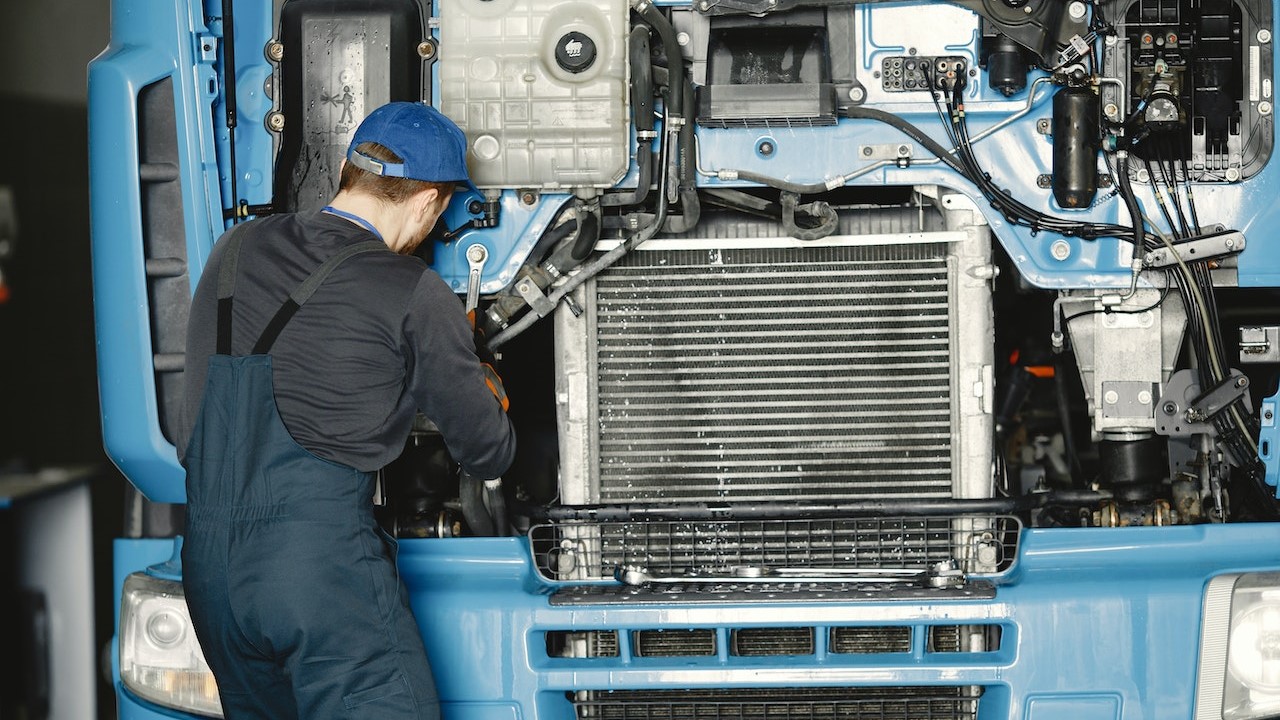
Radiator of truck | Goodwill Car Donations Photo by Gustavo Fring under Pexels License

Don’t Get Stranded on the Road with a Leaking Radiator!

A leaking radiator will damage your cooling system, causing the engine to overheat. This will increase your odds of getting stranded on the road — and that’s the last thing any motorist would want.

Knowing the early signs of a radiator leak is the best way to ensure your car doesn’t end up dying and leaving you stranded on the road. To help you detect a leaking radiator, Goodwill Car Donations shares its warning signs:

  1. A steep drop in the coolant level

Since the coolant level usually rises and falls depending on the engine’s temperature, a small dip in the reservoir level is not uncommon. However, a drastic drop indicates that your radiator is suffering from a leak.

  1. Discoloration or corrosion

Carefully examine the underside of your radiator and the adjacent engine parts. If you see any discoloration or corrosion, expect a leak in your radiator.

  1. Puddle underneath the engine

Another clear sign of leaking radiation is the appearance of slimy fluid under the engine. You’ll be able to pinpoint the problem right away when the fluid you’re looking at is either bright green, pink, or orange in color.

  1. Persistent engine overheating

Since the radiator keeps the engine from overheating, a dripping radiator is a likely culprit when your engine suddenly heats up.

How to Fix a Leaking Radiator

You have two options after finding out that your radiator is leaking: Buy a new radiator or get your old one repaired by a certified technician. However, you can do a temporary repair job to make your radiator work for a short duration.

Once you’ve identified the problem, allow the radiator to cool. Then, look for the leak and plug it in using a leak repair product. Bear in mind that this is only a temporary fix. Your best bet is to visit your trusted mechanic and see whether they can still save your old radiator or you’ll need to get a replacement.

Turn Your Old Car into a Vital Tool for Transforming Lives

Your car’s components aren’t designed to last forever, and your radiator is no exception. You’re left with no choice but to either replace worn-out parts or get them repaired. Otherwise, you could put your safety on the road at risk.

If the total cost of keeping your old car in good shape has gotten much higher than its actual value, perhaps it’s time for you to part ways with it. The best way to do so is by donating that vehicle to us at Goodwill Car Donations.

We’ll transform it into a powerful tool for improving the lives of the disadvantaged members of your community. These are the men and women who are burdened with disabilities and other personal issues that prevent them from finding decent sources of income and breaking free from a life of poverty.

We’ll auction off your vehicle and turn over the proceeds to the Goodwill organizations serving your area. These IRS-certified 50(c)(3) nonprofits use the funding sourced from the sale of vehicle donations to provide deserving individuals with job and skills training, employment opportunities, scholarships, livelihood assistance, disability benefits, family support, educational services, financial assistance, and other essential support services.

You’ll enjoy meaningful rewards for your generosity. Your gift will entitle you to claim the maximum tax deduction in the next tax season as well as a free professional towing service anywhere in the United States.

Best of all, you’ll find great satisfaction in doing something that will benefit your entire community when once-idle members get to enjoy stable and decent sources of income, thus attaining financial stability.

We accept nearly all types of vehicles, including those that are no longer in good condition. Whether it’s an outdated car, a scooter you haven’t used in ages, or a golf cart you no longer want, we’ll be more than happy to accept it.

If you have any questions or concerns, feel free to reach us at 866-233-8586 or send us a message here. For more information on our quick and easy donation process, head over to our FAQs page.

Take Part in a Worthwhile Cause Today!

Man distresed | Goodwill Car Donations Photo by Andrea Piacquadio under Pexels License

A car that’s stressing you out can give the disadvantaged members of your community the chance to turn their lives around. Don’t miss this opportunity to convert your clunker into a life-changer. All you have to do is hand it over to Goodwill Car Donations. Call 866-233-8586 or fill out our secure online donation form now!


Why You Shouldn’t Ignore Your Warning Lights

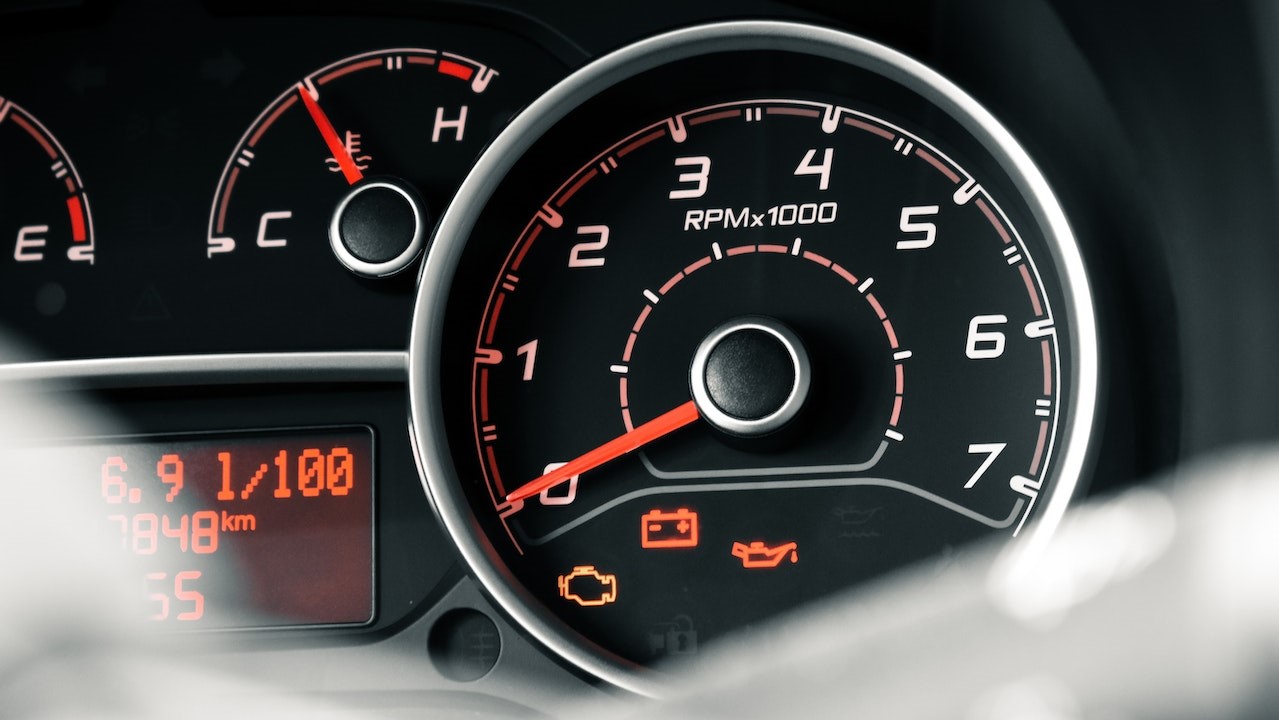
Close-up on Cars Dashboard | Goodwill Car Donations Photo by Abdulvahap Demir under Pexels License

Top 4 Reasons Why You Shouldn’t Dismiss Your Car’s Caution Signs

The warning lights on your dashboard tell you when something in your car isn’t as it should be so you can address the problem immediately. Dismissing what these lights tell you may not only lead to major car issues and expensive repairs. Worse, it may also compromise your safety on the road,

Some drivers wait for the fuel light indicator to pop up on their dashboards before rushing to the gas station. While low fuel is one warning light you wouldn’t want to ignore, many drivers disregard other caution signs. Goodwill Car Donations shares the top reasons why you shouldn’t ignore your car’s warning lights:

  1. You’ll get a snapshot of your vehicle’s health.

It doesn’t hurt to learn as much as you can about the basics of car maintenance and repair. Modern vehicles come with a high level of sensors and monitoring such as RPMs and MPH. However, dashboard lights can also give car owners a snapshot of their vehicle’s performance without having to look under the hood.

  1. Dashboard lights warn you when a problem arises.

Most of today’s cars feature advanced technology that monitors and tracks their systems’ various components — from the engine parts and fluid levels to the tires and emergency brakes. Your modern car has sensors that deliver messages to its computer after scanning a wide range of car operations. The sensors detect issues and your car’s internal system translates these issues through your dashboard lights. Since each light represents a specific concern, you’ll want to learn what they mean.

  1. They help you save money.

It’s worth noting that problems can still arise even when your car is operating at peak levels. Unless you’re willing to risk facing serious repairs down the road, it’s best to promptly address the issue as soon as you notice a warning light turning on. Knowing what your dashboard lights are telling you can spell the difference between replacing a faulty auto part and being towed.

  1. They ensure your safety.

Your dash lights light up when your engine needs to be checked or when you’re driving on tires that don’t have sufficient pressure. Driving a vehicle when it needs fixing increases your risk of getting into an accident. Since you’re sharing the road with other drivers, you wouldn’t want to put yourself and others at risk by driving a vehicle that isn’t working properly.

Is It Time to Give Your Old Auto a New Purpose?

If you think the time has come to retire your old and beloved car, consider donating it to us at Goodwill Car Donations. We’ll give that auto a memorable retirement by using it to help unlock the full potential of the disadvantaged members of your community, enabling them to live productive and fulfilling lives.

We’ll auction off your donated vehicle to generate funds for the Goodwill organizations serving your area. These IRS-approved 501(c)(3) nonprofits are dedicated to helping disadvantaged Americans — those who are burdened with disabilities, lack of education, job experience, or essential skills, and other limiting personal issues, such as having police or prison records, or a welfare mentality.

Your local Goodwill organizations use the funding we give them to provide their beneficiaries with job training, employment opportunities, scholarships, livelihood assistance, disability benefits, and other support services.

You won’t be going home empty-handed after making your donation. It’s a win-win for you because your gift will entitle you to claim the highest possible tax deduction in the next tax season. You will also benefit from the free pickup and towing service that we will provide you wherever you are in the country.

More importantly, your act of charity will bring you an immense sense of satisfaction, knowing that you’ll be contributing to the growth and development of your community by empowering your disadvantaged fellow residents through work and learning.

Nearly all vehicle types can be donated to us. We accept even damaged or non-working vehicles.

Want to know more about Goodwill Car Donations? Find out about our convenient vehicle donation process on our FAQs page. You can also call us anytime through our toll-free hotline at 866-233-8586 or message us here for your inquiries or concerns.

Start Uplifting Lives Today!

Are you ready to give your old car a fitting retirement? Allow us to convert it into a mighty tool for transforming the lives of the underprivileged members of your community. Call Goodwill Car Donations at 866-233-8586 or fill out our secure online donation form now!

What Are the Benefits of Tire Rotation?

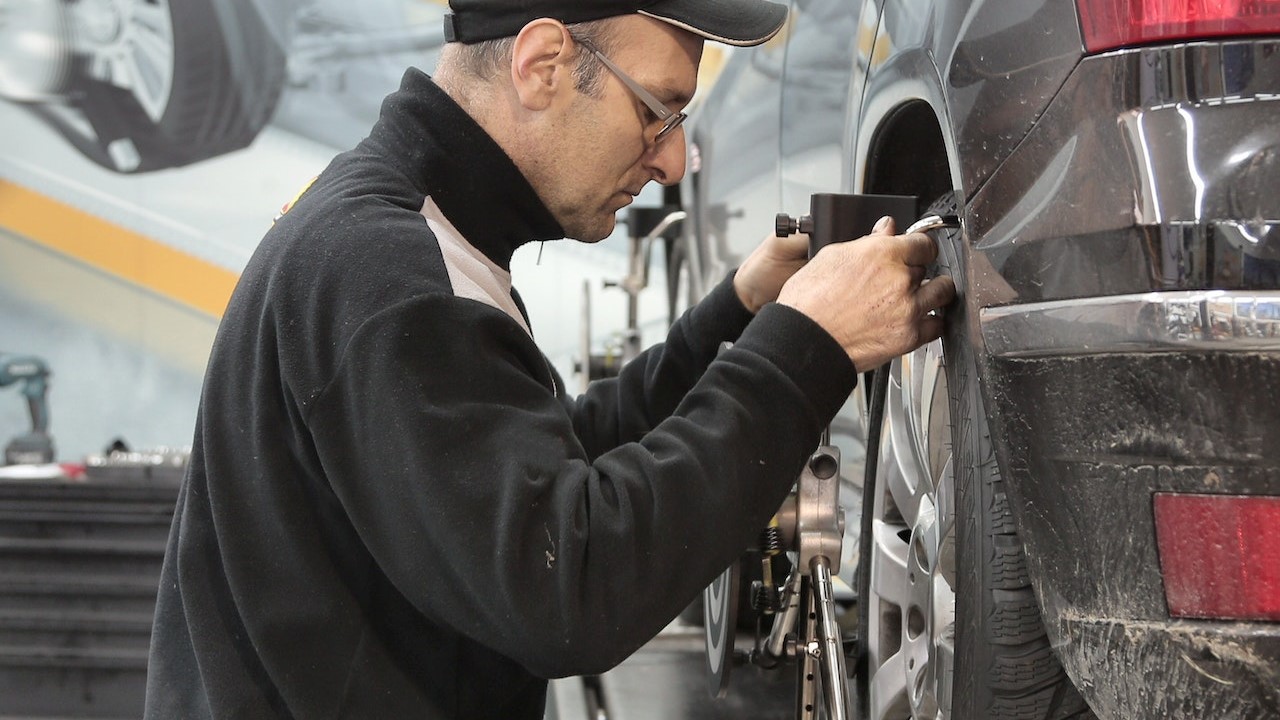
Man in Black Jacket and Black Cap | Goodwill Car Donations Photo by Andrea Piacquadio under Pexels License

Make Routine Tire Rotations a Part of Your Car’s Maintenance

Tire rotation involves the process of changing your tires’ positions. In most cases, the front wheels lose tread faster than the rear wheels. For this reason, most people swap tires on the front with those on the rear. While this may be a common practice among many car owners, it’s still best to check your owner’s manual for the recommended pattern for tire rotation.

Top 3 Reasons Why You Should Rotate Your Tires

Did you know that tire rotations significantly impact your safety on the road? Since rotating your tires allows you to minimize tread wear and keep your tires in better condition, this translates to better traction and braking performance when you’re driving. Conversely, failing to rotate your tires increases your risk of losing control of your vehicle when you need to brake quickly.

The benefits of periodically rotating your tires go far beyond ensuring safe driving. Goodwill Car Donations has compiled the best reasons why you should make this a part of your vehicle’s routine maintenance.

  1. You’ll enjoy a smooth and quiet ride.

Tires on your vehicle’s front axle wear differently than those on the rear axle. When tires are never rotated, they’ll show uneven tire wear that increases road noise and gives you a bumpier experience behind the wheel. Conversely, regular tire rotations ensure even tire wear, which translates to a quieter ride with fewer bumps and vibrations. If you want to enjoy a comfortable ride when you’re road-tripping and hear the music and conversations in your vehicle much more clearly, do yourself a favor by rotating your tires.

  1. It boosts your car’s gas mileage.

Besides providing you with better traction, periodic tire rotations reduce the load your rubber has to bear while minimizing vehicle friction and pull. As a result, your car doesn’t have to burn as much gas to do all the work. If you’re looking to reduce the amount you spend at the pump and enjoy better gas mileage, it’s best to ensure regular tire rotations.

  1. You won’t have to replace individual tires as often.

Keeping your car tires rotated at regular intervals allows you to steer clear of expensive mechanical repair issues that may result from having worn or uneven treads. If you don’t want to spend hundreds of dollars on new tires, you’ll want to maximize the use of each of your tires by rotating them.

Tired of Taking Your Car to the Repair Shop?

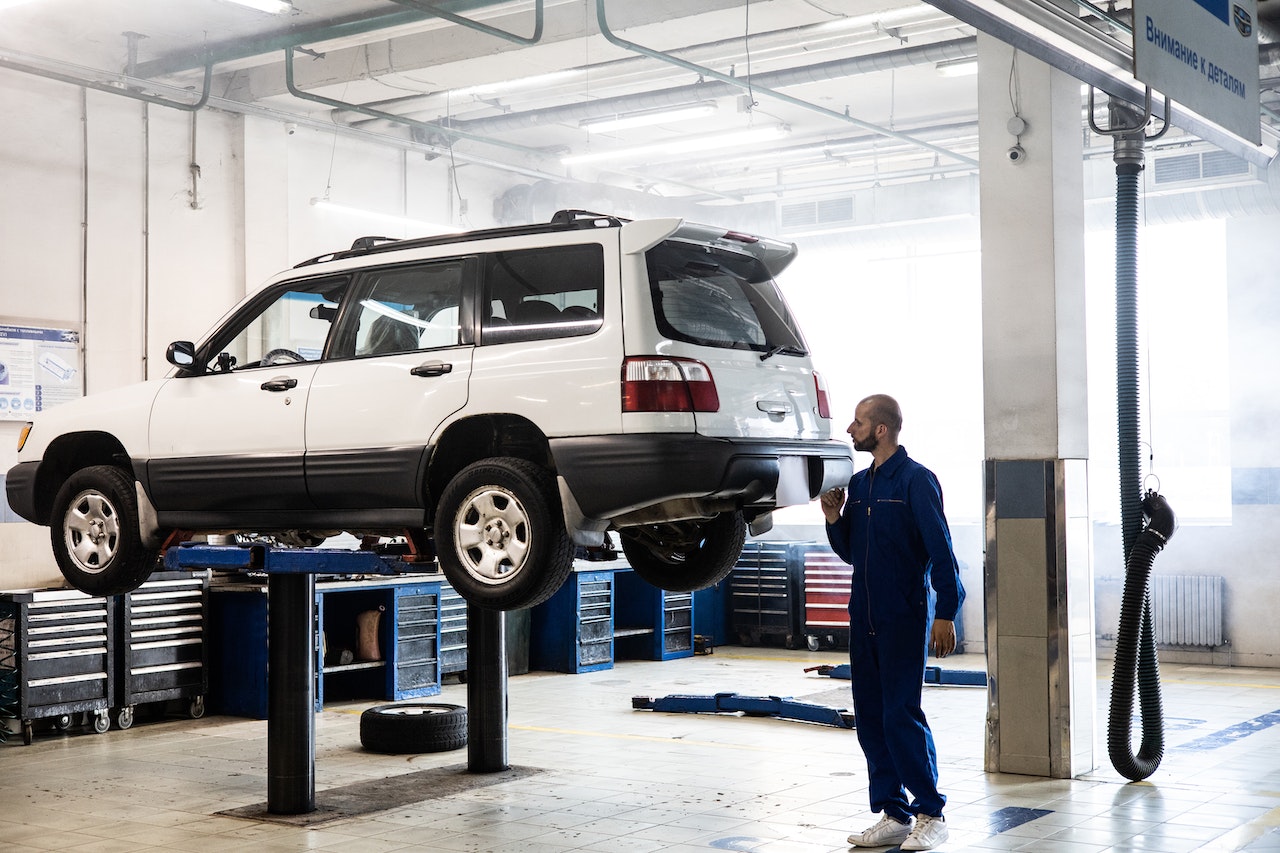
Man Inspecting A White Car | Goodwill Car Donations Photo by Artem Podrez under Pexels License

If your auto is already old and worn out, regular tire rotations may do little to improve your ride. If you’re tired of taking your car to the repair shop and paying hefty bills, consider retiring it in the best way possible.

Hand it over to us at Goodwill Car Donations, and we’ll see to it that you get the best rewards for your act of charity while repurposing your car to uplift the lives of the less fortunate people in your local community.

Our team will fix and polish your vehicle before auctioning it off, with the proceeds going to the Goodwill organizations serving your area. These IRS-certified 501(c)(3) nonprofit organizations are dedicated to helping disadvantaged men and women throughout the country — those who are burdened with disabilities, lack of education, job experience, or essential skills, and other limiting personal circumstances, such as being a former inmate and welfare-dependent.

Your local Goodwill organizations use the funding we give them to provide their beneficiaries with job and skills training, employment opportunities, scholarships, livelihood assistance, disability benefits, family support, educational services, financial assistance, and other essential support services.

Donating a vehicle to us is super easy and convenient. You’ll breeze through our donation process in no time at all!

Your vehicle donation will also allow you to receive valuable rewards, including your entitlement to claim the maximum tax deduction in the next tax season. We will also provide you with our free professional pickup and towing service anywhere in the United States.

Moreover, your donation will bring you immense satisfaction, knowing that you’ll be contributing to the growth and development of your community by empowering your needy fellow residents through work and learning.

We accept almost all vehicle types whatever their ages, mileages, or conditions. We take even damaged vehicles or those that are no longer running.

Want to learn more? Head over to our FAQs page. For your questions and concerns, feel free to call us through our 24/7 toll-free hotline at 866-233-8586 or message us here.

Start Uplifting Lives Today!

We make it easy for you to dispose of an unwanted vehicle while touching the lives of your disadvantaged neighbors and helping bring progress to your community. Donate your auto by calling Goodwill Car Donations at 866-233-8586 or filling out our secure online donation form now!


How to Keep Your Car Cleared of Ice and Snow This Winter

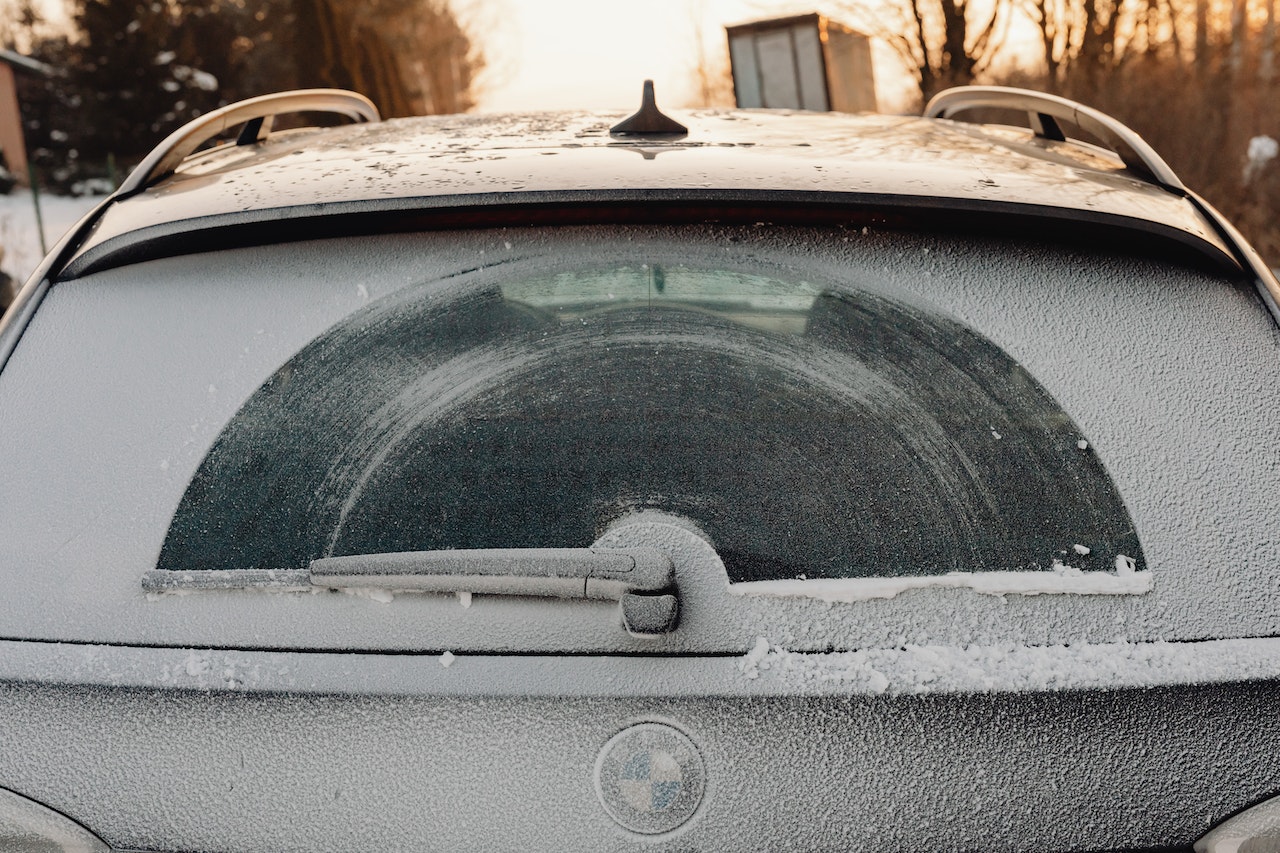
Vehicle Covered with Snow | Goodwill Car Donations Photo by www.kaboompics.com under Pexels License

Snow Buildup on Your Car Can Compromise Your Safety on the Road!

Clearing your vehicle of frost and ice can be one of the most laborious tasks you have to do during winter. However, if you treat your car as your most prized possession, it’s one task that you shouldn’t skip. Besides causing damage, snow buildup left on your car can make winter driving unsafe.

How to Keep Your Car Frost-Free

Clearing off ice and snow on your car is easier than you might think. Goodwill Car Donations has pulled together some easy steps you can follow.

  1. Turn on your defroster.

Turn on your car’s defroster and wait a few minutes for it to warm up. Once it does, it will make clearing snow and ice on your car easier. You can then manually remove the snow off your car’s roof, hood, and trunk using snow removal tools.

Before starting your car and turning on your defroster, make sure that your vehicle’s tailpipe is free of snow. Otherwise, ice can clog up the tailpipe and prevent carbon monoxide from escaping.

  1. Clear your side and rear windows.

Clean your side and rear windows using a foam brush or non-abrasive snow broom. While at it, dust off the snow on your headlights, taillights, and signal light. Doing your side and rear windows first gives enough time for the defroster to heat up and melt the ice buildup on your windshield.

  1. Get ice off the wipers.

If you can remove the wipers, do it. However, test them beforehand to see if they still work. Replace them immediately if they don’t. While getting the ice off the wipers, try checking their fluid nozzles. Snow might clog up in there and prevent water from coming out.

  1. Scrape ice off your windows.

Ice scrapers typically come with a smoother side that you can use to scrape any frost off the windows. If you don’t have a scraper and the frost isn’t that thick, you can use an old plastic card to scrape ice off your windows. Moreover, you can use commercially available products to lessen the ice buildup on your vehicle during winter. You can ask your trusted mechanic to point you to the right product.

  1. Work on the windshield.

Use the ridged side of the scraper to remove the ice on your car’s window. Never pour hot water on the glass to melt the ice. The rapid temperature change can cause it to crack or break, leaving you with a bigger and more expensive problem.

  1. Remove snow on the body of your car.

Grab your snow brush and clear the snow around your car’s exterior. If you see ice getting stuck on the sides, use your scraper and lightly scrape the surface to remove it. Do not use screwdrivers or shovels when removing snow to avoid the risk of damaging your car’s exterior.

  1. Park your car inside the garage.

Parking your car inside the garage, especially during a snowstorm, is one of the best ways to keep ice and snow at bay. However, if you don’t have a garage, use a car cover or create an overhang to reduce ice buildup.

Reach Out to the Needy in Your Community!

If keeping your ancient vehicle no longer makes sense, consider donating it to us at Goodwill Car Donations. We’ll turn it into a powerful tool for transforming the lives of the struggling disadvantaged residents of your community.

We’ll sell your car through an auction, with the proceeds used to support the life-improvement programs of the Goodwill organizations serving your area. These IRS-certified 501(c)(3) nonprofit organizations are dedicated to helping people burdened with disabilities, lack of education, job experience, or essential skills, and other limiting personal issues, such as having prison or police records and a welfare mindset.

Your local Goodwill organizations use the funding they get from us to provide their beneficiaries with job and skills training, employment opportunities, scholarships, livelihood assistance, disability benefits, family support, educational services, financial assistance, and other essential support services.

As a Goodwill donor, you’ll get free vehicle pickup and towing anywhere in the country. You’ll also get to claim the highest possible tax deduction in the next tax season.

What’s more, you’ll find utmost satisfaction in doing an act of charity that will help generate new jobs and livelihood opportunities in your community that will benefit everyone.

We accept almost all types of vehicles, regardless of year, make, model, or condition.

To find out the details of our easy and convenient vehicle donation process and other relevant information, head over to our FAQs page. For your questions and concerns, call us anytime through our toll-free hotline at 866-233-8586 or leave us a message here.

Black Car Parked Beside a Building | Goodwill Car Donations Photo by Abdulwahab Alawadhi under Pexels License

Give Hope to Those Who Are Deprived of It Today!

Turn your unwanted car into a beacon of hope for the less fortunate people in your community. Your car donation can help transform their lives. Call Goodwill Car Donations at 866-233-8586 or fill out our secure online donation form now!

6 Common Reasons for Emissions Test Failure

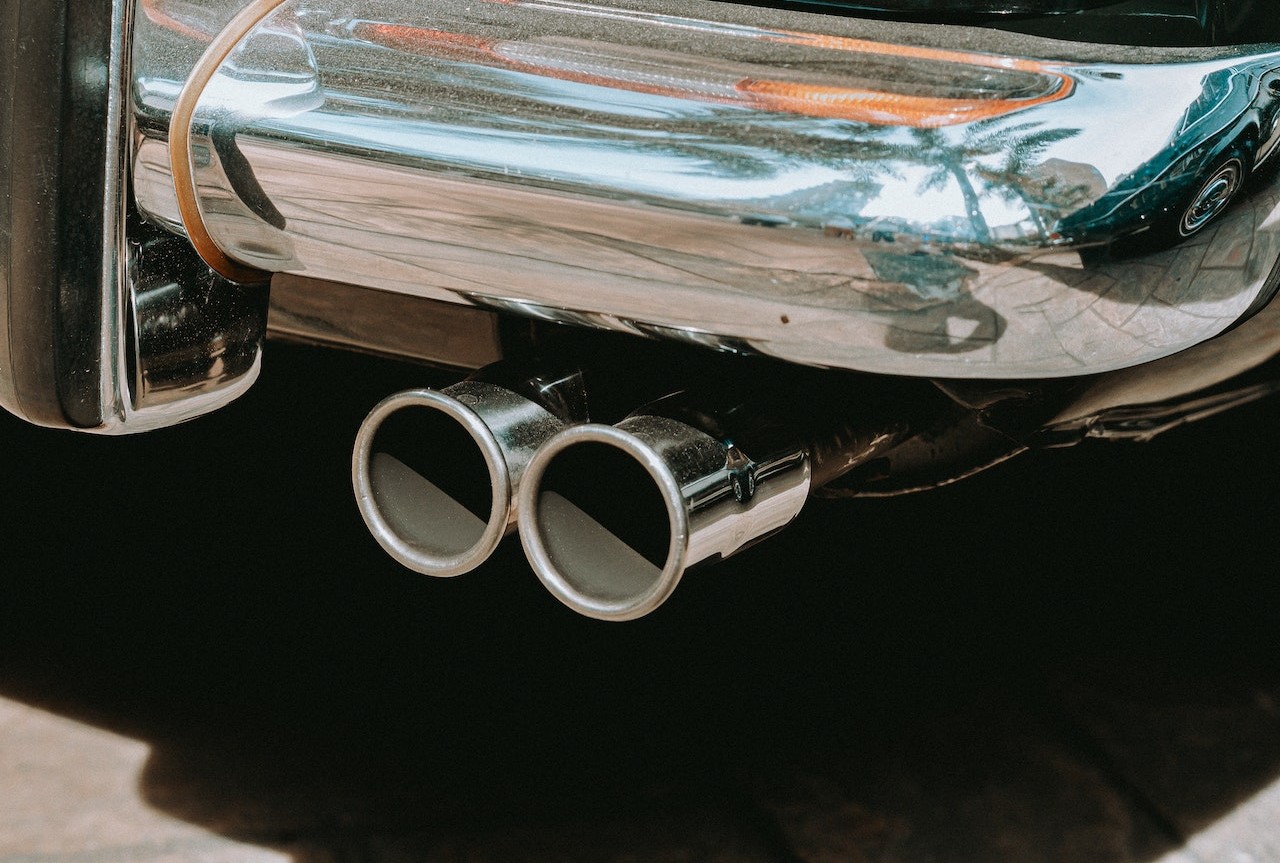
Car Exhaust | Goodwill Car Donations Back of a Vintage Mercedes · Free Stock Photo (pexels.com)

Wondering What Went Wrong During Your Emissions Test?

So, you just found out that your car failed the emissions test. Frustrating, isn’t it?

You don’t get it. Everything seemed normal during the test. But now you’re left wondering what happened. Why did your vehicle fail? What can you do to enable your car to pass the test?

These questions may come running through your mind, and we totally get you — you need to do everything to have your car pass the retest or you won’t be able to get it registered.

To help you out, Goodwill Car Donations has rounded up the six most common reasons why vehicles fail their emissions tests. This way, you’ll know which parts of your car you should be paying extra attention to before taking the test.

  1. Your spark plugs are worn.

Your spark plugs are there to ignite the combustion needed to start your car. They are set to fire in a particular order. If they’re defective, your vehicle might fail the emissions test. Additionally, old spark plugs tend to cause misfiring. If you’re using such spark plugs, they may reduce the odds of your car passing the test.

  1. You have a defective fuel injector.

If your fuel injector isn’t working the way it should, then expect your air/fuel mixture to have too much fuel. You wouldn’t want this to happen on the day your car takes an emissions test. Excess fuel in the mix can result in excess carbon gases being released through your car’s exhaust. This will make it impossible for your car to pass the test.

  1. Your gas cap is loose.

Your car’s gas cap is what prevents the harmful gas fumes in the tank from dissipating into the air. That’s why its condition is a major factor in determining whether a car passes the emissions test or not. You need to ensure that your gas cap is sealed tightly before taking the test.

  1. Your motor oil needs replacement.

If you can’t remember the last time you had your motor oil changed, don’t be surprised when you learn that your car didn’t pass the emissions test. Having dirty motor oil can also harm your engine.

  1. Your air filter is dirty.

A dirty or blocked air filter will cause abnormal levels of carbon monoxide or hydrocarbons to register in the emissions test. You’ll likely get a failing score on the emissions test if your air filter is dirty.

  1. Your check engine light is on.

As soon as the emissions specialists see your check engine light turning on, it’s game over for you right there and then. Whatever the reason for the warning light turning on wouldn’t matter to them. Even if this was caused by a defective engine control module and not by anything related to your car’s emissions, your car will automatically fail the test.

What Happens If You Fail an Emissions Test?

Failing an emissions test means you won’t be able to register your car in most states. You need to have it repaired or serviced first before you’re allowed to take a retest so you can register and drive your car legally.

You will receive a vehicle inspection report that outlines the reasons why your car failed the test. Bring it with you to the auto shop to guide the technicians with the diagnostics and the required repairs.

Is Failing an Emissions Test Just One of Your Many Car Problems?

If your answer is a resounding “yes”, perhaps it’s time to get your hands off it. Stop wasting your hard-earned money trying to restore your old car to its former condition when that is no longer possible.

Here’s the quickest, easiest, and most rewarding way to dispose of your beater: Donate it to us at Goodwill Car Donations. Doing so will allow you to reach out to the disadvantaged and impoverished residents of your local community, helping them to turn their lives around.

Our team will put your vehicle up for auction. We’ll then turn over the proceeds to the Goodwill organizations serving your area. These IRS-approved 501(c)(3) nonprofits cater to disadvantaged U.S. citizens — those who are burdened with disabilities, lack of education, job experience, or essential skills, and other limiting personal issues, such as having prison records or a welfare mindset.

Your local Goodwill organizations use the funding we give them to provide their beneficiaries with job and skills training, employment opportunities, scholarships, livelihood assistance, disability benefits, family support, educational services, financial assistance, and other essential support services.

Expect to be sufficiently rewarded for your charitable contribution. We’ll pick up and tow your vehicle for free anywhere in the United States. Your donation will also entitle you to claim the maximum tax deduction in the next tax season.

Best of all, your act of charity will bring you an immense sense of satisfaction, knowing that you’ll be contributing to the growth and development of your community by empowering your needy fellow residents through work and learning.

We accept almost all types of vehicles, including those that are no longer in good condition

To find out the details of our vehicle donation process, and other relevant information, visit our FAQs page. Questions? Call us at 866-233-8586 or leave us a message here.


De-Stress Yourself While Touching Lives Today!

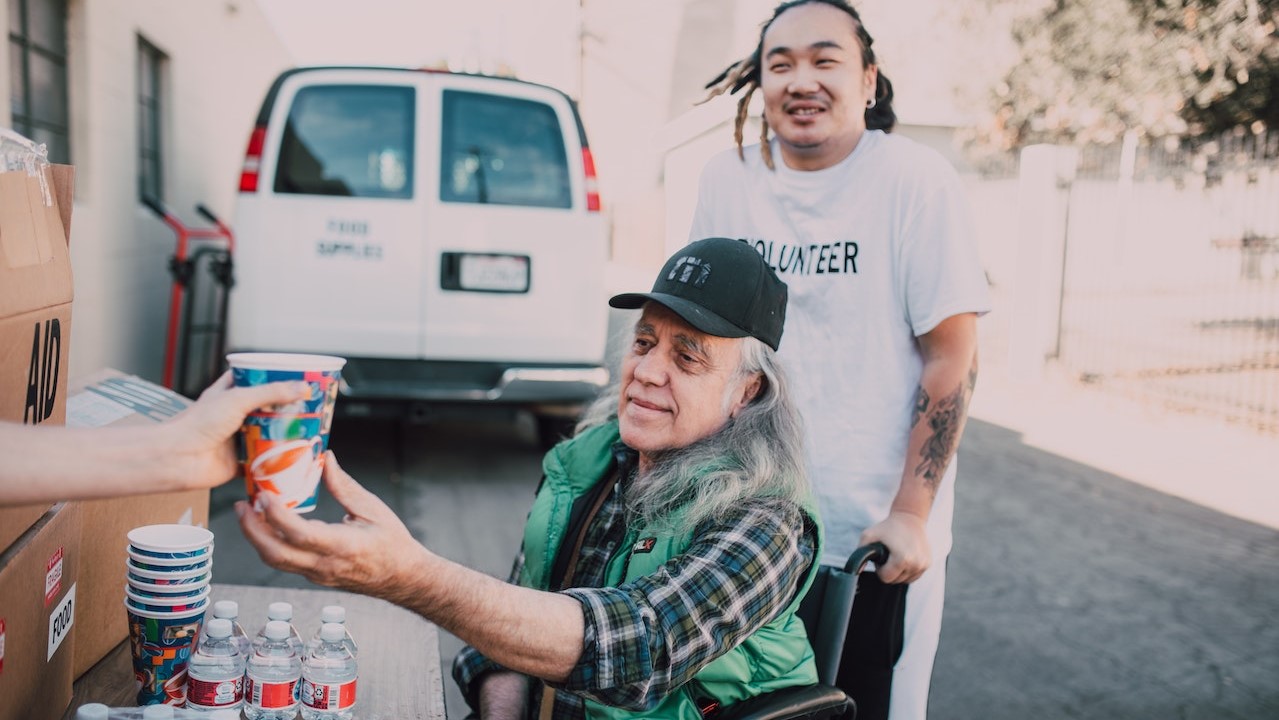
Volunteers Giving Drink to a Wheelchair Bound Elderly | Goodwill Car Donations Photo by RDNE Stock project under Pexels License

Why continue to punish yourself by spending a fortune on your outdated car’s costly repairs when you can just donate it to us? Besides saving you a lot of money, your act of charity will make a difference in the lives of your less fortunate neighbors. Call Goodwill Car Donations at 866-233-8586 or fill out our secure online donation form now!

How to Fix and Prevent Frozen Car Door Locks This Winter

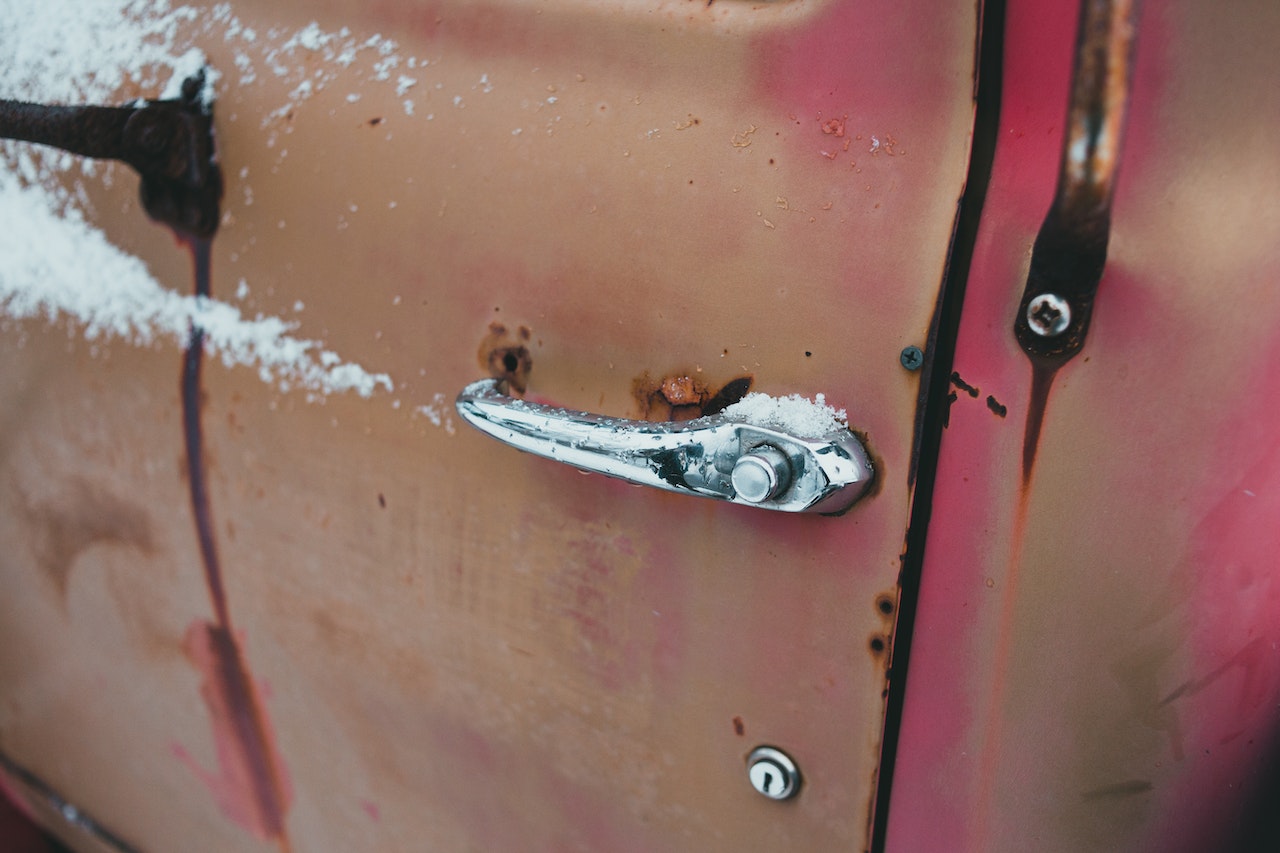
Fix and Prevent Frozen Car Door Locks | Goodwill Car Donations Photo by Erik Mclean under Pexels License

Don’t Let This Winter Problem Ruin Your Day!

Most vehicle owners are fully aware of the myriad of car problems winter can bring — from poor visibility and salt corrosion to frozen car door locks. Although frozen car door locks aren’t as dangerous as other winter problems, they can certainly ruin a good day for any motorist.

You can easily fix a frozen car door lock if it does happen to you. You can also avoid the problem by taking preventive measures. Goodwill Car Donations has pulled together these tips to help you do those things.

Preventing Frozen Car Door Locks

  1. Place a magnet over the lock.

Placing a magnet over the keyhole is one of the simplest tricks to prevent frozen car door locks. However, you’ll need a big magnet to cover the entire keyhole. When you place it over your car lock overnight, the magnet will attach to the lock’s metal part, preventing moisture from entering and freezing.

  1. Spray WD-40 on your locks.

Although WD-40 doesn’t smell like daisies, this lubricant can help prevent your car door locks and the lock in your trunk from freezing in the winter. Spraying a little into the lock prevents ice and frost buildup for a few days.

  1. Use Glycerin or Vaseline.

Glycerin and Vaseline have antifreeze properties that help keep your car door locks frost-free. Simply rub some on your key and insert it into the keyhole before turning it several times to ensure the Vaseline is evenly distributed onto all the lock parts. You won’t find yourself locked outside your car if you do this at least once a week during winter.

Fixing Frozen Car Door Locks

  1. Heat the key.

If your car unlocks using a metal key, grab a match or a lighter and heat the key. If the keyhole is completely covered in ice, you may heat the key a few more times before inserting it into the lock. Slowly turn the key in both directions until it turns completely and unlocks the door.

  1. Use a hair dryer.

You can use a hair dryer to de-ice your car door locks. Simply plug it in an extension cord and turn the heat up so the ice melts in the locks as you blow dry it. Just be sure to keep the extension cords from getting wet, or you might have a bigger problem.

  1. Use a de-icing spray.

De-icing sprays are available in the market, and you can use one to help thaw out frozen car locks. It’s always best to have one tucked in the glove compartment and another in your bag or drawer at the office and home in case your car locks freeze in the winter.

If you don’t have a de-icing spray, you can use hand sanitizer or rubbing alcohol. The sanitizer’s alcohol (ethanol or isopropyl) content can lower the water’s freezing point and melt the ice inside the lock within a few seconds.

Help the Disadvantaged People in Your Community!

If you’re looking for a solid way to reach out to the needy in your community, consider donating your old and unwanted vehicle to us at Goodwill Car Donations. We’ll sell your auto donation through an auction and use the proceeds to support the life-changing programs of the Goodwill organizations serving your area. These IRS-approved 501(c)(3) nonprofits cater to individuals who are burdened with disabilities, lack of education, job experience, or essential skills, and other disadvantages, such as having prison or police records or being welfare-dependent.

Your local Goodwill organizations use the funding they get from us to provide their beneficiaries with job and skills training, employment opportunities, scholarships, livelihood assistance, disability benefits, family support, educational services, financial assistance, and other essential support services.

As a Goodwill donor, you’ll get free vehicle pickup and towing anywhere in the country. Moreover, you’ll get to claim the highest possible tax deduction in the next tax season.

However, these material rewards may pale in comparison to the priceless joy of knowing that you’re empowering others to attain financial stability.

We accept almost all vehicle types regardless of age or condition.

For more information about our vehicle donation program, including our quick and easy donation process, head over to our FAQs page. If you have questions, call us anytime through our toll-free hotline at 866-233-8586 or contact us here.

Choose to Become Someone’s Hero Today!

Turn your old beater into a powerful tool that can change lives! Call Goodwill Car Donations at 866-233-8586 or fill out our secure online donation form now!

Choose to Become Someone’s Hero Today | Goodwill Car Donations Photo by Jem Sahagun under Unsplash License