Winter Tires vs. All-Season Tires

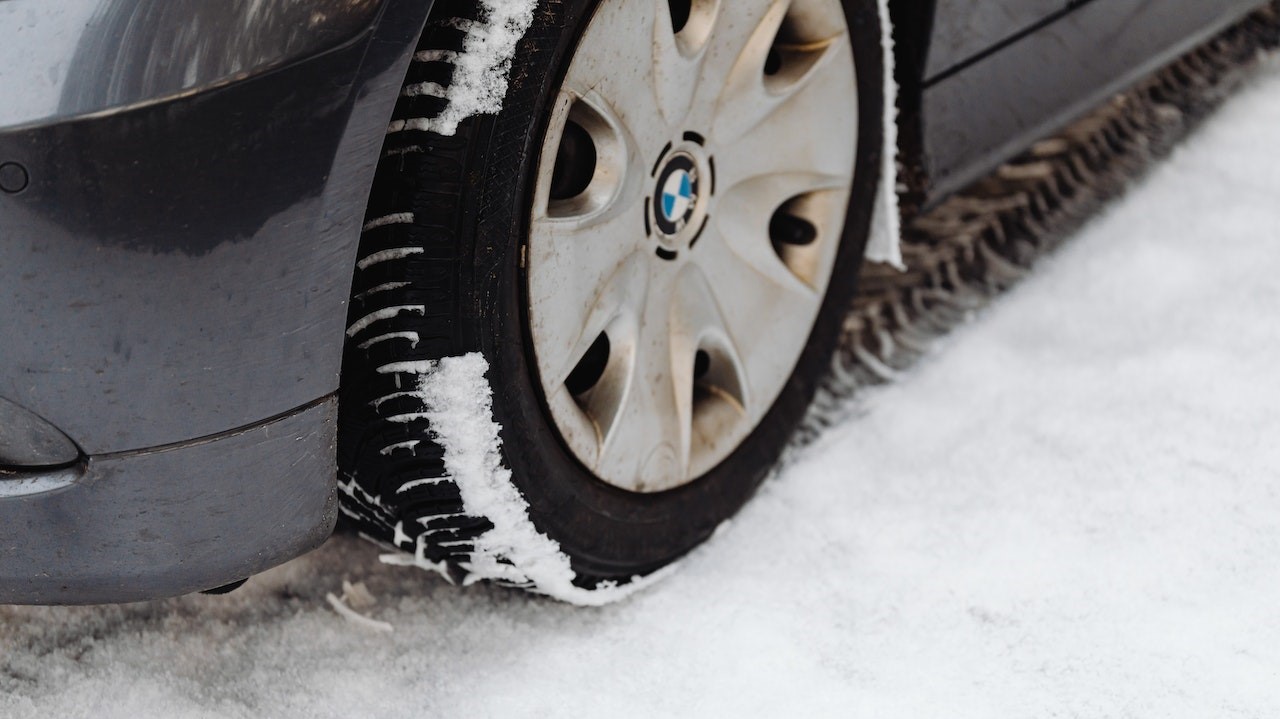
Close Up Shot of a Tire | Goodwill Car Donations Photo by www.kaboompics.com under Pexels License

How to Choose the Right Tires for Your Car

Any driver would agree that road conditions change as seasons do. As a car owner, you’ll want to ensure that your vehicle is safe and free from any issues.

Your choice of tires is one of the most important things you need to consider. Besides having safety implications, the type of tires you choose may be more suitable for one season than another.

These four rings of grooved rubber do a lot more than just stand between the road and your vehicle. Since your tires affect braking, handling, ride, noise, and fuel economy, they’re integral to your car’s overall performance. Indeed, your tire choice matters.

However, deciding which tire is best for your vehicle can be a challenge. The most common dilemma among car owners, especially those who live in areas that experience snow or extreme drops in temperature, is whether they should use winter tires or all-season tires. Although both types come with compelling claims, one may be a better choice than the other depending on the area and the driving conditions.

What Are Winter Tires?

Winter tires are designed to withstand temperatures less than 45 degrees Fahrenheit. They’re also engineered for extreme winter conditions — from heavy snowfall to black ice.

What Are All-Season Tires?

All-season tires perform well in any given weather and season all year round. While these tires do offer some traction on icy and wet roads during winter, they aren’t designed for heavy snowfall.

Comparing Winter Tires with All-Season Tires

To give you a better understanding of how winter tires and all-season tires differ from each other, Goodwill Car Donations presents a quick comparison between the two based on their tread rubber, depth, and siping:

  1. Tread Rubber

Winter tires usually have jagged treads, allowing them to have a better grip on slippery or icy roads. They also have silica added to their rubber to give them more flexibility and added grip on the road.

On the other hand, all-season tires have treads that easily stiffen when temperatures drop to zero. This prevents them from achieving the traction needed to maintain their grip on icy or wet roads.

  1. Tread Depth

Winter tires are designed to have deeper treads that help prevent snow build-up. The lesser the snow builds up on the tires, the better their grip and traction are when driven under extreme weather conditions.

While all-season tires typically have shallower treads, they can still provide enough traction when snow is light. However, if you constantly experience brutal winter days in your area, their tread depth may not be suitable for your vehicle because it doesn’t provide as much grip and traction as that of winter tires during heavy snow.

  1. Siping

The practice of tire siping allows tires to gain better traction and grip on the road. Essentially, the more sipes a tire has, the better its grip and traction will be on icy and wet roads. In general, winter tires tend to have more sipes than all-season tires.

Which One Is Better?

The answer will ultimately depend on the driving conditions in the area you live in.  All-season tires work well on wet roads and light winter driving. However, if the driving conditions in your area are a combination of ice, cold temperatures, and snow, you’ll want to get yourself a set of winter tires.

An Excellent Way to Transform Lives

If you’re looking to replace your old car and not just its tires, consider donating it to us at Goodwill Car Donations. We’ll use your charitable contribution to transform the lives of the disadvantaged and impoverished residents of your local community. With your help, they can harness their full potential and live productive and fulfilling lives.

We’ll sell your donated vehicle through an auction and use the proceeds to support the life improvement programs of the Goodwill organizations serving your area. These IRS-certified 501(c)(3) nonprofit organizations cater to disadvantaged Americans — those who are burdened with disabilities, lack of education, job experience, or essential skills, and other limiting personal issues, such as being a former inmate or having a welfare mentality.

Your local Goodwill organizations use the funding we give them to provide their beneficiaries with job and livelihood opportunities, skills training, vocational services, scholarships, financial assistance, disability benefits, family support, and other types of vital support services.

It’s easy to donate to us. At Goodwill Car Donations, we make sure our donors get to experience a stress-free donation process. You don’t even have to leave the comfort of your home. All you have to do is contact us online or by phone.

Also, your donation will entitle you to receive high-value rewards, including getting our free professional vehicle towing service, which we provide our donors anywhere in the country.

Your gift will also entitle you to claim the highest possible tax deduction in the next tax season.

Best of all, you’ll find great satisfaction in doing something that will benefit your entire community when once idle members get to enjoy stable and decent sources of income, thus attaining financial stability.

Feel free to donate nearly all vehicle types. We’ll accept anything you hand over to us with open arms, including a car that’s no longer in good condition. We’ll take even vehicles that won’t start or run anymore.

Know more about Goodwill Car Donations, our mission, and our quick and easy donation process by visiting our FAQs page. You can also call us anytime through our toll-free hotline at 866-233-8586 or leave us a message through our online contact form.

People in Circle Formation | Goodwill Car Donations Photo by Julia M Cameron under Pexels License

Start Uplifting Lives Today!

Now is the best time to make a difference in the lives of the disadvantaged individuals and families in your area. Your car donation to us will make that happen. Call Goodwill Car Donations at 866-233-8586 or fill out our secure online donation form now!

Understanding Your Car’s Emergency Lights

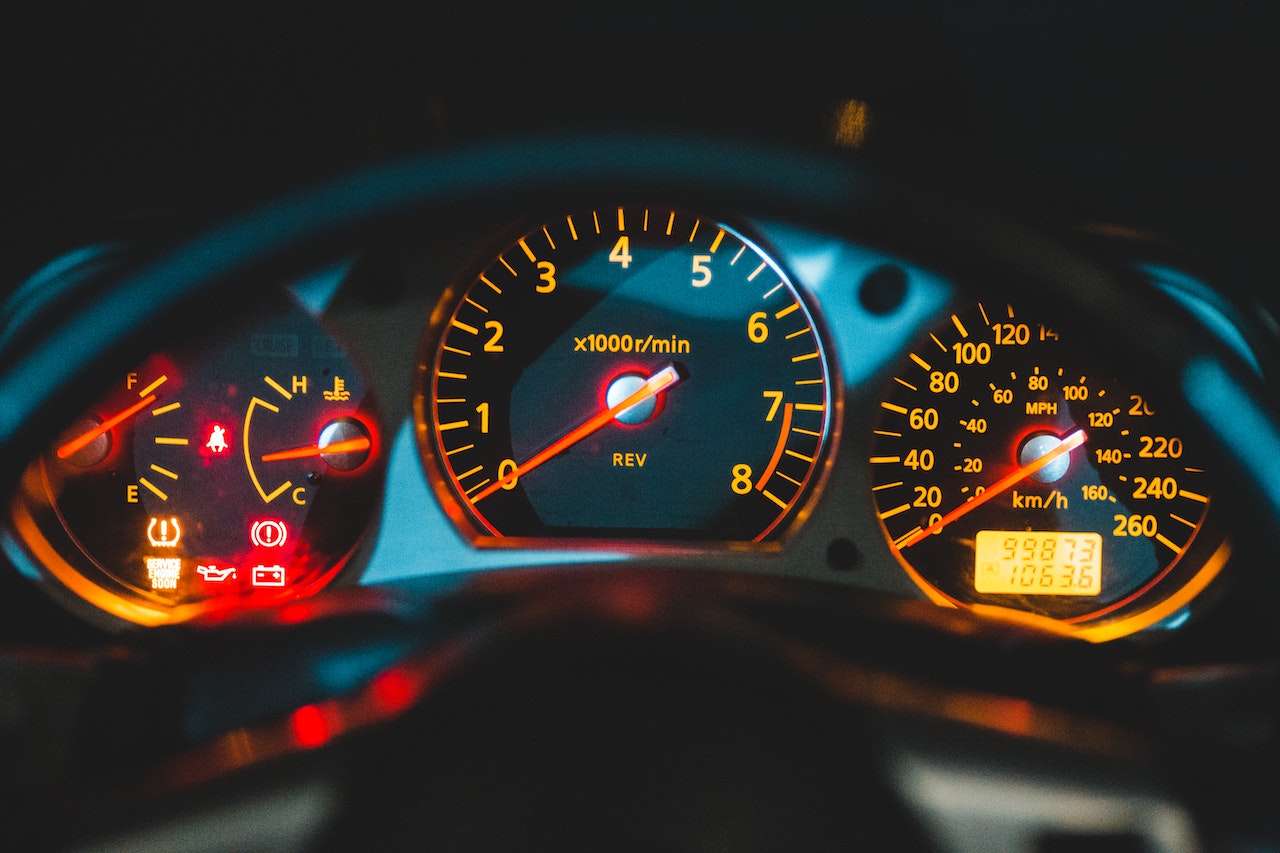
Bright Dashboard | Goodwill Car Donations Photo by Erik Mclean under Pexels License

Don’t Ignore These 7 Warning Signs!

While every car is unique, all motor vehicles have one common feature designed to ensure the safety of the driver, their passengers, and other people on the road: emergency lights. Whether you’re driving a car with an automatic or one with a manual transmission, you shouldn’t ignore your dashboard warning lights.

Otherwise, things could take a turn for the worse and cost you a fortune to fix. If you don’t want to run the risk of getting stranded in the middle of nowhere or being left with a gargantuan repair bill, it’s best to understand what your vehicle’s emergency lights are telling you.

If you’re looking to get the most out of your vehicle and steer clear of car trouble, you’ll need to decipher what the lights in your dashboard mean. Goodwill Car Donations identifies the most important car emergency lights you should know:

  1. Check engine

The check engine light is one of the most potentially dangerous and often overlooked signs. While an engine’s silhouette may represent this warning light in some cars, an all-caps “CHECK ENGINE” sign may also be present in others. When the check engine light is on, it could mean anything — from an ill-fitting gas cap to ignition system failure, faulty wirings, or engine damage.

If you see the check engine light turning on, resist the urge to either panic or dismiss the warning. It’s best to have your car checked by a trusted mechanic promptly. It’s worth noting that vehicles manufactured after 1996 have a built-in onboard diagnostic (OBD) system, which checks the car’s emission levels and other engine problems, making it easier to spot any issue.

  1. Battery warning light

A red-illuminated triangle with a “+” and “-” sign on both ends usually represents the battery light in most vehicles. As the name implies, the warning light has something to do with your car’s battery. The battery light usually turns on because of a problem with the battery’s alternator belt or voltage regulator or if your battery wirings are corroded or faulty.

Normally, the battery warning light will turn on and then off after you start your car. However, if it turns on while you’re driving, be sure to pull over at a safe place. Otherwise, you could end up with a drained battery in the middle of the road.

  1. Fuel indicator

The fuel indicator is probably the emergency light best recognized by most car owners. When it turns on, it simply means that your fuel is running out. If you don’t fill up your tank soon, don’t be surprised if your car comes to a sudden halt.

  1. Coolant temperature light

A thermometer sign typically represents the coolant temperature light. Your car may be overheating if you see your coolant temperature light lighting up. A faulty thermostat, broken water pump, or a leak in your radiator can also cause this issue.

  1. Brake system light

The brake system light is represented by a circle with an exclamation point or the letter “P” in the middle. Some cars may simply show an illuminated “BRAKE” on their dashboards. When the brake system light comes on, it could indicate a problem with the brake cylinder, low brake fluid levels, or problems with the anti-lock braking system (ABS).

Ignoring a blinking brake system light is a huge mistake. Driving with your brake system light flashing can cause more damage to your braking system. Unless you promptly resolve the issue, this problem can seriously compromise your safety.

  1. Traction and stability control

The traction and stability control appears on a car’s dashboard as a car with skid marks on the road. It works hand-in-hand with the anti-lock braking system. When you see it briefly turning on, it means that it’s working to prevent your wheels from slipping on a slippery road.

However, if it remains on even after you turn it off, it could mean that your traction and stability control is inactive. Moreover, seeing it on while your vehicle is running at a moderate speed on a dry surface could indicate a flaw in the system.

  1. Seatbelt warning sign

The seatbelt warning sign features a person wearing a seatbelt. If it’s on, it simply means that the driver or passenger isn’t wearing a seatbelt. It should immediately turn off once you or your front-seat passenger wears the seatbelt. However, if the light still appears even after you have buckled up, you should have the seatbelt checked by a mechanic.


You Can Turn Your Car into a Tool for Transforming Lives

If your car is giving you more problems than pleasure, consider giving it up and donating it to us at Goodwill Car Donations. We’ll promptly free you from the responsibility of keeping that auto minus the hassle and without costing you anything.

At the same time, we’ll give your old vehicle a new and worthy purpose as we transform it into a tool for improving the living conditions of the disadvantaged and impoverished people in your local community.

Our team will auction off your donated vehicle and turn over the proceeds to the Goodwill organizations serving your area. These IRS-certified 501(c)(3) nonprofits cater to disadvantaged Americans — those who are saddled with disabilities, lack of education, job experience, or essential skills, and other limiting personal issues, such as being welfare-dependent and having prison or police records.

Your local Goodwill organizations use the funding we give them to provide deserving individuals with job and skills training, employment opportunities, scholarships, livelihood assistance, disability benefits, family support, educational services, financial assistance, and other essential support services.

With these services that you will help support with your vehicle donation, the disadvantaged residents of your community will be able to make full use of their potential and find decent jobs or livelihood opportunities, eventually freeing themselves from poverty.

Taking part in our donation program won’t require you to leave the comfort of your home or pay for the towing of your vehicle. We’ll dispatch a licensed towing crew to pick up your vehicle for free. Plus, we’ll have the 100% tax-deductible sales receipt of your vehicle delivered to your home address after we get it sold. With this receipt, you can claim the maximum tax deduction for your charitable contribution in the next tax season.

Best of all, you’ll find great satisfaction in doing something that will benefit your entire community when once-idle members attain financial stability and live productive and fulfilling lives.

We accept nearly all vehicle types, whether they’re still in good condition or no longer. Your location won’t be a problem since we can collect your donated vehicle wherever you’re located in the United States.

You can learn more about how everything works in our vehicle donation program by checking out our FAQs page. If you have questions or concerns, don’t hesitate to call us anytime through our toll-free hotline at 866-233-8586 or contact us here.

Make a Lasting Impact in Your Community Today!

Distressed woman on beach | Goodwill Car Donations Photo by Pixabay under Pexels License

Why hold on to an unwanted car when you can use it to make an impact in your community? Your donation can help transform the lives of the less fortunate residents of your community. Call Goodwill Car Donations at 866-233-8586 or fill out our secure online donation form now!


Fight Inflation with These Money-Saving Driving Tips

Steering Wheel While Driving | Goodwill Car Donations Photo by Tobi under Pexels License

7 Ways to Help You Save on Gas and Maintenance Costs

The raging Russia-Ukraine war continues to interrupt the global supply chain, increasing the costs of basic commodities and utilities. Gas has not been spared from price hikes.

Soaring gas prices are causing additional expenses for people who use their cars to drive themselves to work, take their kids to school, and run errands.

The good news is that you can drive more efficiently without burning up more gas than you need. It all boils down to being smart with your driving practices. Goodwill Car Donations has compiled the following practical tips to save money on gas:

  1. Drive steadily.

Sharp acceleration may feel cool, but it burns up more gas than when you drive smoothly and steadily. When you drive steadily, you also save your tires from rapid wear and tear, which means substantial savings since so you don’t have to buy tire replacements that often.

  1. Refrain from idling.

If you’re stuck in traffic and you think that you’ll be stuck in one place for several minutes, cut the engine instead of idling. Idling needlessly uses up gas and contributes to air pollution. As such, you’ll do yourself and Mother Earth a huge favor if you stop your engine while stuck in traffic.

  1. Monitor your tire pressure.

Underinflation causes premature wear and tear to your tires, shortening their lifespan. Get the most out of your tires by making sure that they have the proper pressure.

  1. Change oil regularly.

Use the right oil for your car. Also, change your oil and oil filters at the right intervals to prevent additional pressure on your engine and help it run smoothly. Insufficient or dirty oil can lead to engine damage, which could cost you a pretty penny.

  1. Fill up early in the week.

If you need to fill up on gas, do it early in the week. It’s because gas price hikes usually take effect toward the end of the week.

  1. Don’t use the AC if you don’t have to.

Turn off your car’s air conditioning if you don’t need it. Running the AC adds around 25% to your fuel consumption.

  1. Drive a more fuel-efficient car.

You can save a lot of gas money if you use a more fuel-efficient model such as a hybrid or an electric car.

Save Money by Getting Rid of Your Gas Guzzler

If you’re thinking of giving up your old gas guzzler and upgrading to a more fuel-efficient car, consider donating the former to us at Goodwill Car Donations. We’ll help you conveniently get rid of your beater for free to make space for your new car in your garage. We will then use your donated vehicle to provide opportunities for the impoverished and disadvantaged men and women in your area to attain financial independence.

Our team will put your vehicle up for auction and turn over the proceeds to the Goodwill organizations serving your area. These IRS-approved 501(c)(3) nonprofits are dedicated to helping disadvantaged Americans — those who lack education, job experience, or essential skills and those who are burdened with disabilities and other limiting personal issues, such as being welfare-dependent and having past prison or police records.

Your local Goodwill organizations use the funding we give them to provide their beneficiaries with job training, employment opportunities, scholarships, livelihood assistance, disability benefits, family support, educational services, financial assistance, and other essential support services.

Your donation will also bring you high-value rewards. Within days after selling your donated vehicle, we’ll send you by mail its 100% tax-deductible sales receipt. This will entitle you to claim the maximum tax deduction in the next tax season.

We’ll also provide you with our professional towing service at absolutely no cost to you anywhere in the United States.

Best of all, you’ll find absolute satisfaction in having done something that will benefit your entire community when once-idle members attain financial stability and live productive and fulfilling lives, thanks to your donation.

We accept almost all types of vehicles whatever their ages or conditions.

Want to know more? The details about our easy and convenient donation process can be found on our FAQs page. For your inquiries or concerns, feel free to call us through our 24/7 toll-free hotline at 866-233-8586 or contact us here.

Man Leaning on Wooden Table | Goodwill Car Donations Photo by Andrew Neel under Pexels License

Reach Out to Your Less Fortunate Neighbors Today!

Extend a helping hand to the underprivileged members of your community. Your car donation will open the door to limitless opportunities for them. Call Goodwill Car Donations at 866-233-8586 or fill out our secure online donation form now!


6 Ways to Prevent Salt Corrosion in Winter

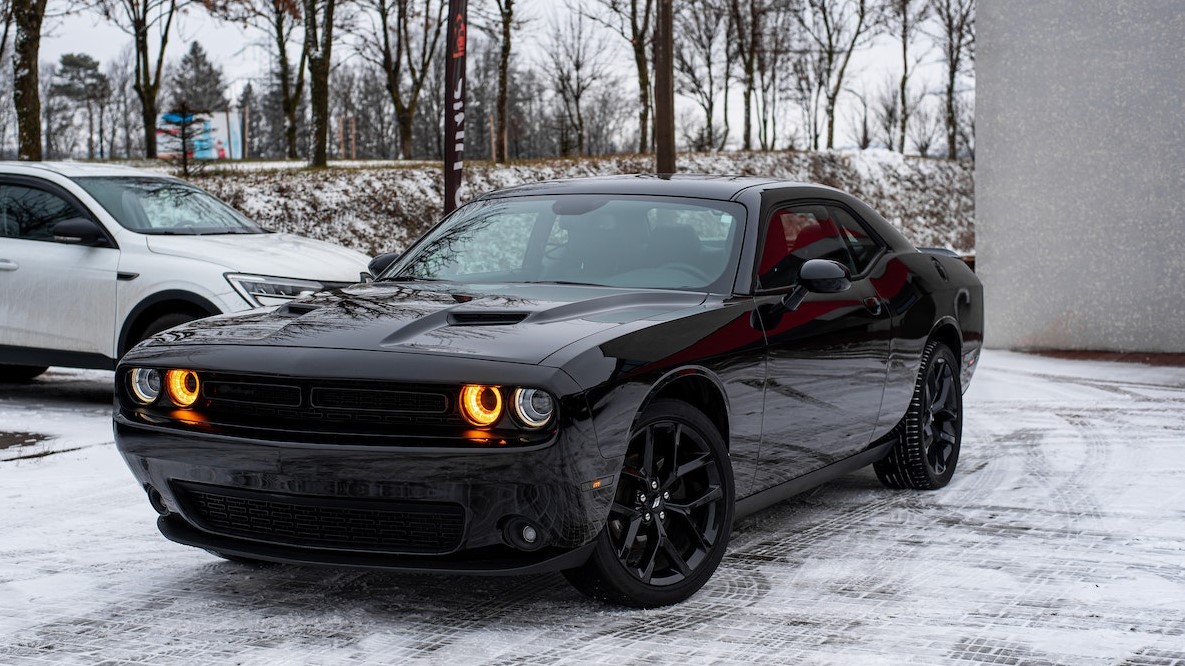
A Black Dodge Car Parked on a Snow Covered Ground | Goodwill Car Donations

Photo by Ivan Kazlouski under Pexels License

Salt Can Be Your Car’s Worst Enemy!

Winter is beautiful. However, it can also cause considerable damage to your car if you’re not careful. While people often associate this season with snow and icy roads, many forget about road salt and its effects on vehicles.

How to Protect Your Car Against Salt Corrosion

Highway authorities lay layers of salt on main thoroughfares to keep motorists safe during winter. The salt helps prevent ice from forming on the ground and posing as road hazards.

Unfortunately, salt can also cause considerable damage to a vehicle’s engine and exterior. For this reason, Goodwill Car Donations shares these precautionary measures to help you protect your car from salt corrosion.

  1. Set a regular car washing schedule.

Preventing salt from getting on your vehicle during winter is nearly impossible. However, following a regular washing schedule can reduce the chances of corrosion. Experts recommend washing your car with warm water every 10 days to avoid salt accumulation.

  1. Wash your vehicle’s undercarriage.

The engine and other vital components that make your car run are located in its undercarriage. Due to its location below the car, the undercarriage gets the most exposure to road salt. Unless you regularly wash it, salt can eat away at metal parts, including the engine, causing it to fail.

Do your car a favor by rinsing its undercarriage after a drive to eliminate the salt that might have adhered to it. If possible, avoid driving during or after a snowstorm to prevent salt from building up in the undercarriage.

  1. Wax your car’s exterior often.

Waxing your car adds a layer of protection to your car’s exterior. Since the wax allows salt and other debris to stick to it without penetrating the metal parts, it prevents road salt from wreaking havoc on your car’s exterior. If you use wax, be sure to reapply it occasionally because its protection wears off after constant exposure to environmental elements.

  1. Coat your vehicle with a paint protection film.

You can protect your car’s exterior against road salt damage during winter by coating it with a paint protection film. Using it ensures that your car’s true paint remains in its original color, regardless of exposure to road salt and other elements. You can use this product on the undercarriage, rocker panels, front and rear wheel openings, bumper, and more.

  1. Keep wet leaves off your vehicle.

Although wet leaves may seem harmless, they carry moisture and salt that can damage your car. They’re more likely to cause rusting of your vehicle’s exterior the longer they sit there. For this reason, removing wet leaves as soon as possible from your hood, wheels, and other hidden parts is highly recommended.

  1. Avoid driving in deep snow.

Driving in deep snow poses a danger to you and your passengers and can also cause packed salt to stick to your vehicle’s undercarriage. Once the salt particles get into the undercarriage, they can penetrate tiny crevices where they’re more difficult to remove. Over time, this leads to rusting and costly engine damage.

Make a Difference This Winter!

If your car has more serious problems than corrosion, perhaps it’s time to get yourself a brand-new set of wheels. Consider donating your old beater to us at Goodwill Car Donations. We’ll use it to bring new hope to the less fortunate folks in your community.

We’ll put up your vehicle for auction and hand over the proceeds to the Goodwill organizations serving your area. These IRS-certified 501(c)(3) nonprofits cater to disadvantaged individuals — those who are burdened with disabilities, lack of education, job experience, or essential skills, and other limiting personal circumstances, such as having prison or police records and being welfare-dependent.

Your local Goodwill organizations use the funding they get from us to provide their beneficiaries with job and skills training, employment opportunities, scholarships, livelihood assistance, disability benefits, family support, educational services, financial assistance, and other essential support services.

As a Goodwill donor, you’ll be entitled to a fast and free towing service anywhere in the country. You’ll also have the privilege of claiming the highest possible tax deduction in the next tax season.

Moreover, your charitable contribution will bring you an immense sense of satisfaction, knowing that you’re empowering the underprivileged residents of your community through learning and work.

Since we accept almost all vehicle types for donation, feel free to donate a car, truck, van, RV, or even an old riding lawnmower. We’re not picky with donations and accept even those that are old and no longer in good condition.

Check out our FAQs page for more information about our vehicle donation program, including our quick and easy donation process. If you have questions, call us anytime through our toll-free hotline at 866-233-8586 or message us here.

Start Changing Lives Today!

You’ll become a champion of the disadvantaged folks in your community when you donate a vehicle to Goodwill Car Donations. Your car donation will help them lead healthy and productive lives. Call us at 866-233-8586 or fill out our secure online donation form now!


5 Effective Ways to Save Money at the Gas Pump

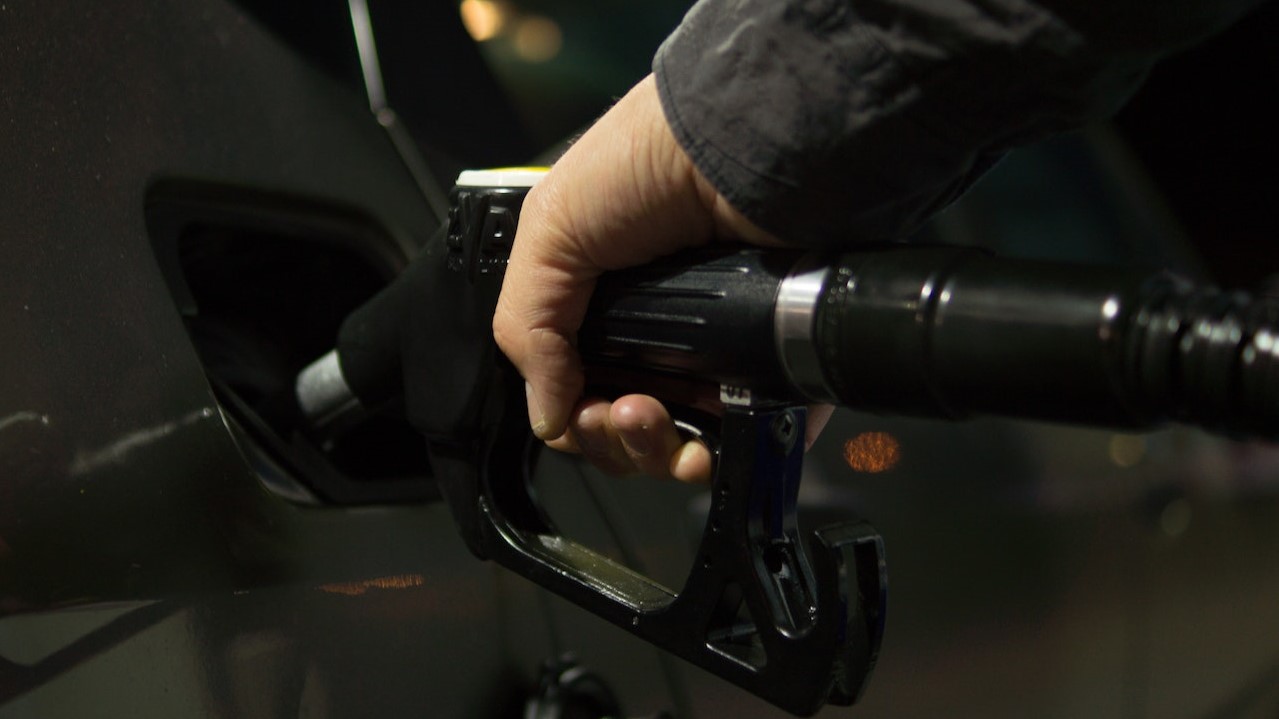
Man holding a gas pump | Goodwill Car Donations Photo by sippakorn yamkasikorn under Unsplash License

Use Your Smarts to Fight Inflation!

High demand for crude oil and low supply compounded by the war in Ukraine have caused gas prices to rise in the past few months, adding yet another burden to American motorists who are already finding it hard to work around their budgets.

As we slowly adjust to the new normal with the worst of the pandemic behind us, many of us are affected by the rising costs of fuel, food, and other consumer products. Those who use their cars to get to work, take their kids to school, and run errands feel the impact of the raging inflation when they get less gas for the same amount of money they used to spend on it.

Fortunately, there are ways to save on gas at the pump. Goodwill Car Donations shares some practical tips on how you can get more value for your buck when gassing up.

  1. Get gas station apps.

Gas station apps feature information about pump prices, amenities, and reviews from customers. You can find good gas deals in locations that are not situated along major highways by checking those apps. You can also take advantage of promotions offered by some gas stations.

  1. Explore different ways to pay.

Some gas stations offer good deals based on the mode of payment you opt to use. For example, some stations offer discounts for cash payments. Some gas credit cards also offer rewards or rebates once your purchases reach certain limits.

  1. Drive steadily.

Avoid fast acceleration as it uses up a lot more gas than normal driving. Instead, develop the habit of driving smoothly and steadily. This can save you 15-20% of the cost of gas.

  1. Check your tire pressure.

Underinflated tires are not only prone to damage. They also affect your car’s performance and fuel efficiency. Refer to your owner’s manual to know your vehicle’s proper tire pressure.

  1. Reduce your trips.

Before heading out, plan your route so you can accomplish more things with less mileage. You can also try walking or biking if your errands are nearby. The best way to reduce fuel consumption is by making fewer trips.

Give Up Your Gas Guzzler for a Good Cause!

No matter what fuel-saving measures you take, if you have an old car, it will use up more gas than a newer model. With the prices of gas soaring, it might not be practical to hold on to your old gas guzzler, especially if it is costing you hundreds of dollars to repair and maintain every year.

If you’re thinking of disposing of that vehicle in the best way possible, consider turning it over to us at Goodwill Car Donations. We will use your donation to improve the lives of the disadvantaged men and women in your community. They are those who are burdened by their disabilities as well as their lack of education, job experience, essential skills, and other limiting personal issues, such as being welfare-dependent or former inmates.

Our team will sell your donated vehicle in one of the best auction houses in our network, with the proceeds going to the Goodwill organizations serving your area.

These IRS-certified 501(c)(3) nonprofits cater to disadvantaged Americans, using the funding sourced from the sale of donated vehicles to provide them with job and skills training, employment opportunities, scholarships, livelihood assistance, disability benefits, family support, educational services, financial assistance, and other essential support services.

Donating to Goodwill Car Donations means getting your unwanted vehicle picked up and towed away for free. It also means getting entitled to receive the maximum tax deduction in the next tax season.

Moreover, your act of charity will bring you an immense sense of satisfaction, knowing that you’ll be contributing to the growth and development of your community by empowering your needy fellow residents through work and learning.

Making a car donation to Goodwill is super easy. It’s quick, convenient, and hassle-free. All you need to do is contact us. We’ll handle everything else.

We accept a wide range of vehicle types. Whether you’re donating a car, a motorbike, or even a broken-down truck, we’ll be glad to receive it.

Your location should not be a problem either. We can collect your donation anywhere in the United States.

You can get more information about us, including our quick and easy donation process, by checking out our FAQs page. Should you have any questions or concerns, you may reach us through our 24/7 toll-free hotline at 866-233-8586. You may also message us here.

Give a Worthy Purpose for Your Old Car Today!

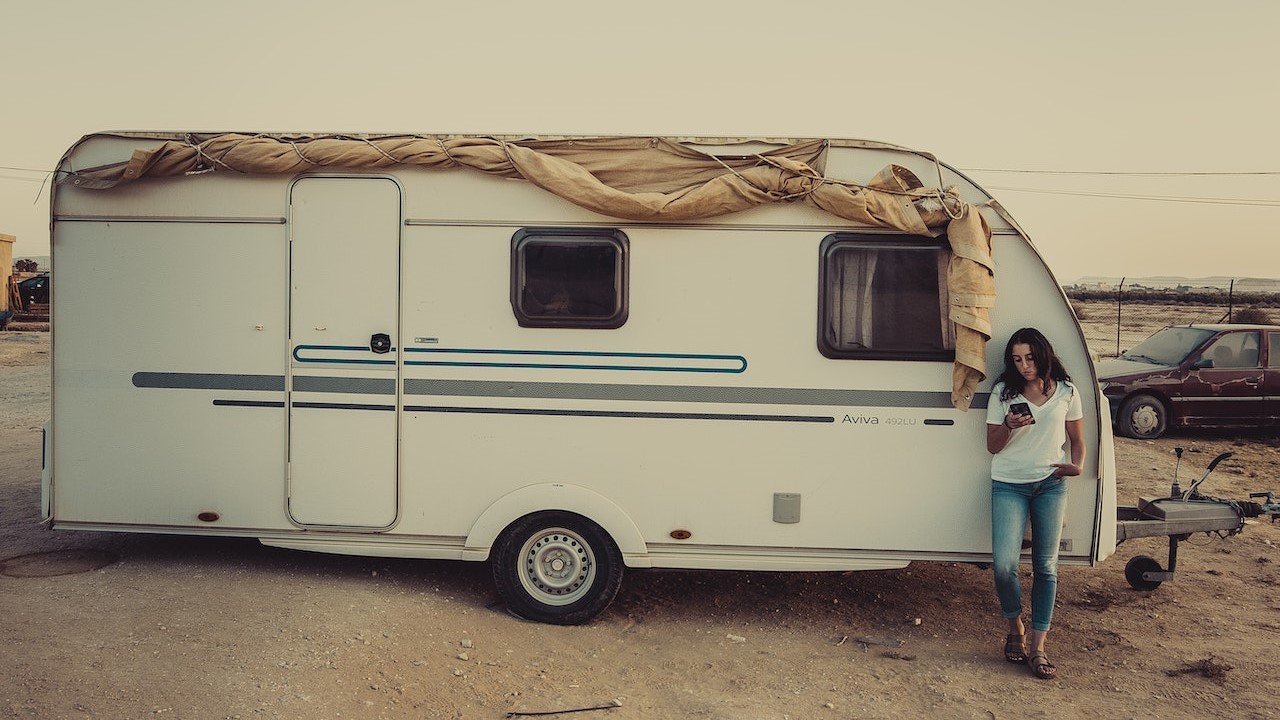
Woman holding a mobile phone near the white rv | Goodwill Car Donations Photo by zvika shmaya under Pexels License

Reach out to the disadvantaged residents of your community with your car donation today. We will turn your unwanted auto into a powerful tool that can help transform their lives. Call Goodwill Car Donations at 866-233-8586 or fill out our secure online donation form now!

Don’t Do These 4 Things If You Want Your Car to Retain Its Value

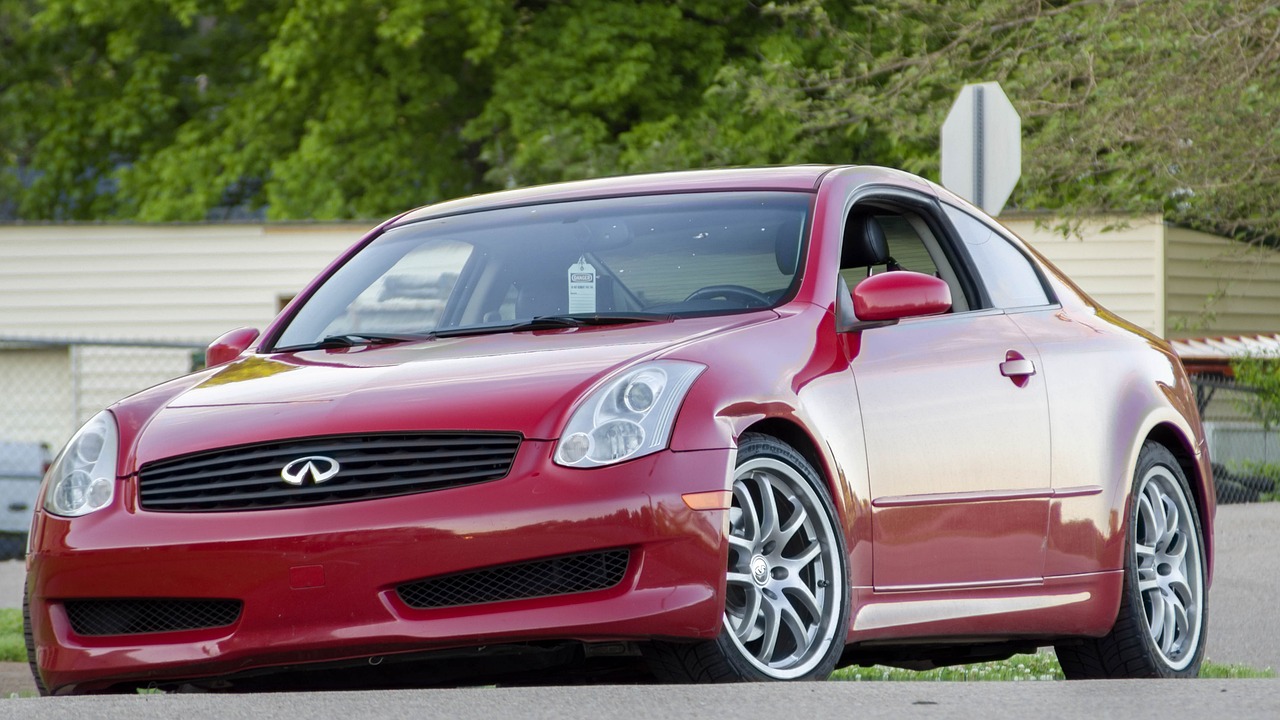
G35 Infiniti Car Coupe Red Sporty Automobile | Goodwill Car Donations Photo by Bromine under Pixabay License

Learn How to Minimize Your Car’s Depreciation

Did you know that a new car loses 11% of its value as soon as it exits the car dealership? Not only that, but in the next five or more years, it loses another 15% to 25% of its original value annually.

However, while you can’t stop your vehicle from losing its original value after a few years of use, you can minimize its depreciation value.

The Mistakes You Need to Avoid

Goodwill Car Donations points out the top things you should avoid doing to retain your vehicle’s value. By doing these, you can make sure that you’ll get the maximum trade-in value for your vehicle should you decide to switch to a newer model later on:

  1. Leaving your vehicle’s documents all over the place

You should keep all your vehicle’s documents and receipts because they could come in handy when you decide to put your car up for sale. The potential new owners may ask for the official receipt, registration, service booklet, ownership history, and other pertinent documents about the vehicle.

However, avoid keeping the documents in the same place as where you keep your other paperwork. Put all your car documents in one folder and keep this folder in a place where you can easily find it. If you lose any of the documents that a potential buyer asks for, they might decide to back out and drop the deal.

  1. Overlooking the importance of car maintenance

It’s called car maintenance for a reason. Making sure that you schedule regular maintenance appointments for your vehicle will ensure that it will stay in tip-top condition. Taking it in for its regular check-ups also allows you to spot potential problems in their early stages where they’re still easily repairable. The sooner the issues are fixed, the lesser their chances of creating serious damage that can drastically decrease the value of your car.

  1. Not cleaning your car often

Dust and dirt can easily settle in your car’s interior. If these are left alone for a long time, they can contribute to the wear and tear of your precious vehicle. Additionally, smoking in your car will cause the smell of tobacco to stick to the fabric, leather, and other surfaces. Dirt and tobacco smell could prompt a dealer or buyer to take hundreds or thousands of dollars off the original value of your car.

It’s also important to take the time to clean your car as often as needed as part of your regular auto maintenance. Use a vacuum cleaner to keep the surfaces clean and remove any dirt that might have settled in hard-to-reach places. A spotless vehicle will give you better chances of retaining the trade-in or market value of your vehicle.

  1. Not repairing damages/scratches sooner

The exterior of a car also plays an important part in its valuation. Your prospective buyer or dealer would be attracted to a pristine-looking exterior. They wouldn’t like to see dents or scratches on it.

If your car has suffered a few dents or damages, it’s better to have them fixed immediately before they cause irreparable damage that could bring down your car’s resale value. Make sure that your car’s exterior is in its best form by investing in ceramic paint protection products or waxing your car at least once a month to keep it nice and shiny.

A Small Act of Charity Can Make a Big Difference

If you’re looking to dispose of a vehicle that you no longer want or need, consider donating it to us at Goodwill Car Donations. This small act of charity can make a big difference in the lives of the disadvantaged and impoverished people in your community.

We’ll have your car auctioned off, with the proceeds going toward the life-enrichment programs of the Goodwill organizations serving your area. These IRS-approved 501(c)(3) nonprofits are dedicated to helping disadvantaged Americans — those who are burdened with disabilities, lack of education, job experience, or essential skills, and other limiting personal circumstances, such as having prison or police records, or being welfare-dependent.

Your local Goodwill organizations use the funding we give them to provide their beneficiaries with financial assistance, disability benefits, family support, vocational services, scholarships, skills training, job and livelihood opportunities, internship programs, and other vital support services.

In return for your donation, you’ll get our fast and free towing service from any point in the country plus the privilege of claiming the highest possible tax deduction in the next tax season.

Best of all, you’ll find great satisfaction in knowing that your donation will help empower the underprivileged residents of your community to realize their full potential, enabling them to live productive and fulfilling lives.

Don’t hesitate to donate any type of vehicle whatever its age or working condition. Visit our FAQs page, leave us a message here, or call us anytime through our toll-free hotline at 866-233-8586 to learn more about our donation process.

Start Transforming Lives Today!

A Person Holding Another Person's Hand | Goodwill Car Donations Photo by Timur Weber under Pexels License

Ready to retire your old and unwanted vehicle and start transforming lives in your community? Call Goodwill Car Donations at 866-233-8586 or fill out our secure online donation form now!


How to Deal with Frozen Windshield Wipers

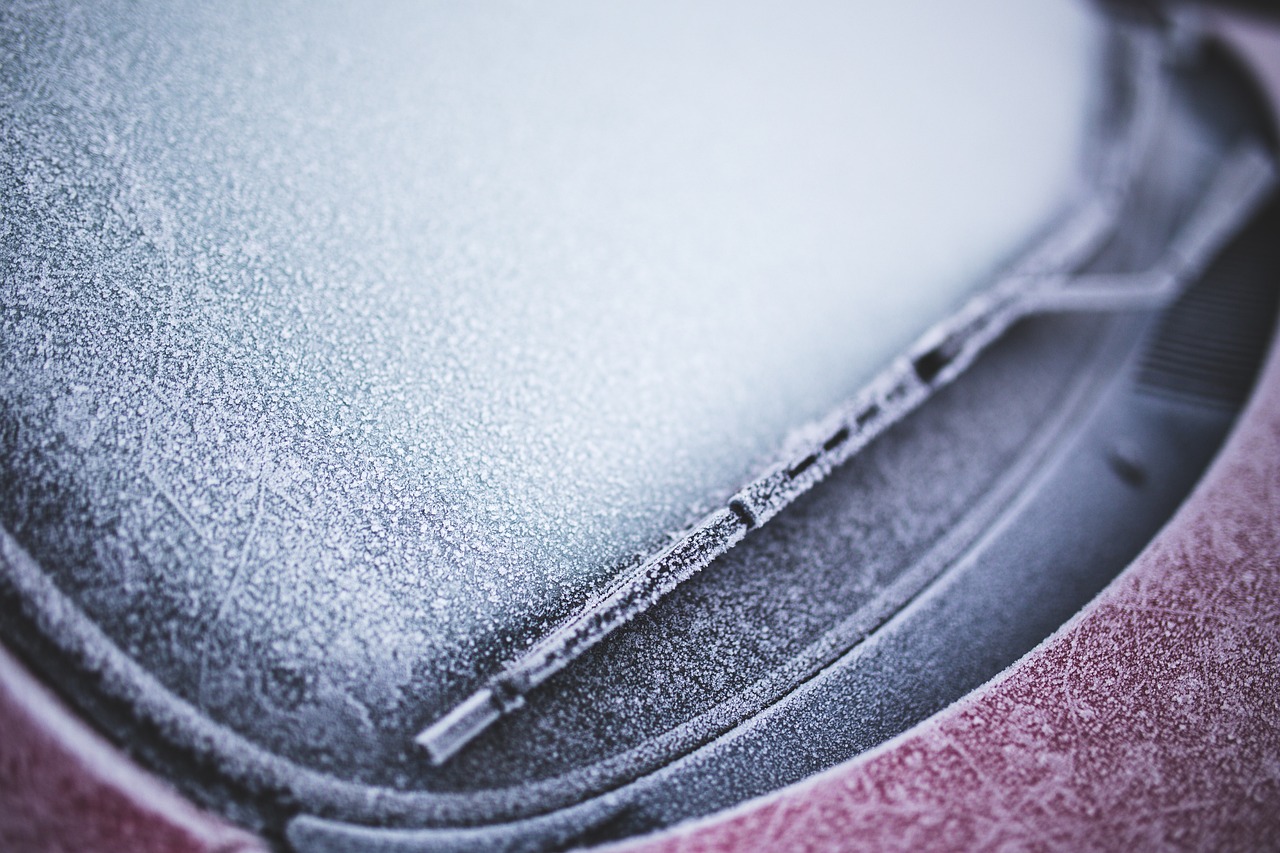
Frozen Windshield | Goodwill Car Donations Photo by kaboompics under Pixabay License

Don’t Let Frozen Windshield Wipers Ruin Your Day!

There’s nothing more frustrating than having to scrape ice off your frozen windshield and windshield wipers on a cold winter morning, especially when you’re running late for school or an important meeting. These depressing sights can throw a wrench in your plans for the day.

Tips to Help You Handle Frozen Windshield Wipers

Since frozen windshields and wiper blades can be a hassle, you’ll want to learn how to deal with this common issue. Otherwise, you can’t drive safely under this condition. Goodwill Car Donations shares some easy and simple ways to fix this annoying winter vehicle problem.

  1. Turn on the defroster button.

Turn on your vehicle’s defroster to melt some ice off the wiper and windshield. Since defrosting takes time, you’ll need to do it a few minutes before you hit the road. By the time you need to leave, the wipers will hopefully no longer be stuck on the windshield.

  1. Switch to winter-specific windshield fluid.

The windshield fluid you used during summer may not be the best fluid to use in wintertime. Summer windshield fluid can freeze your windshield and wipers during winter. For this reason, be sure to switch to a winter-specific windshield fluid when the temperature starts dropping.

  1. Spray a defrosting solution.

Spraying a de-icing solution on your blades can help them thaw faster. Once they’re thawed, you can easily separate them from your windshield.

  1. Use full-strength rubbing alcohol to defrost your windshield wipers.

If you don’t have a defrosting solution available, you can always concoct an alternative defrosting solution. Simply soak a soft cloth with a mix of 1/3-part water and 2/3-part isopropyl alcohol and wipe your wiper blades with it.

While this homemade solution may not defrost the entire wiper blades right away, the rubbing alcohol will prevent the wipers from sticking into the windshield, allowing you to use them while driving.

Tips to Avoid Frozen Windshield Wipers

The best way to handle frozen windshield wipers is to prevent the problem from occurring in the first place. Below are some preventive measures you can follow to avoid frozen wipers and the damages associated with them.

  1. Cover your windshield.

Covering your windshield with a piece of cloth, carpet, or even cardboard boxes can prevent ice from forming and freezing on your windshield and wipers. You can also park your vehicle inside a garage to keep ice off your windshield and prevent freezing.

  1. Cover your wipers with socks.

Aside from covering your car, you can also cover both wiper blades with long socks to keep them from sticking to the windshield overnight.

  1. Replace your blades every 6-12 months.

Since wipers get worn out, it’s best to replace them every 6 to 12 months. If you’ve been using your windshield wipers for over a year, they may have become brittle. Brittle wiper blades are less likely to survive harsh winter days.

Do a Good Deed This Winter!

If your car has more irritating problems than just frozen windshield wipers, you might want to get yourself a brand-new ride. Instead of selling your old beater or driving it to the nearest car graveyard, consider donating it to us at Goodwill Car Donations. We’ll give it a new and worthy purpose that will uplift the lives of the disadvantaged folks in your community.

We’ll fix it, sell it through an auction, and use the proceeds to support the critical community-building programs and services of the Goodwill organizations serving your area. These IRS-certified 501(c)(3) nonprofits cater to people who are burdened with disabilities, lack of education, job experience, or essential skills, and other limiting personal issues, such as having prison or police records or being welfare-dependent.

Your local Goodwill chapters will use the funding they get from us to provide the beneficiaries in your area with job and skills training, employment opportunities, scholarships, livelihood assistance, disability benefits, family support, educational services, financial assistance, and other essential support services.

In exchange for your car donation, you’ll get free pickup and towing no matter where your car is parked or stored in the country. In addition, your good deed will entitle you to claim the highest possible tax deduction in the next tax season.

Best of all, you’ll have a deep sense of personal fulfillment, knowing that you’re making a difference in other people’s lives.

We accept almost all vehicle types, including those that barely run.

Feel free to check out our FAQs page or leave us a message here to get more information about our simple and convenient donation process. For your questions and concerns, call us anytime through our toll-free hotline at 866-233-8586.

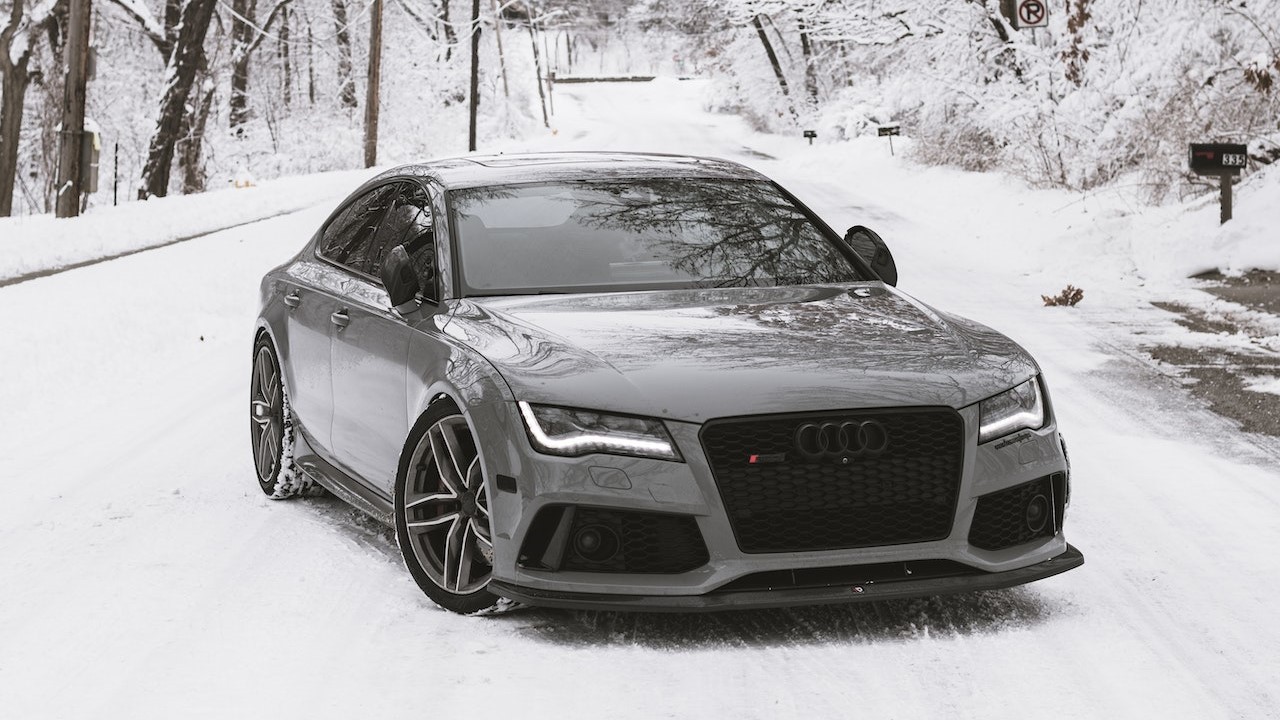
Gray Car Parked on Snow Covered Road | Goodwill Car Donations Photo by Lee chinyama under Pexels License

Help Change Lives Today!

Are you ready to make a massive impact in your community? Your car donation can certainly do that. Call Goodwill Car Donations at 866-233-8586 or fill out our secure online donation form now!

Starter Motor Failure: 5 Signs That It’s About to Give Up

Man checking the engine of a car | Goodwill Car Donations Photo by Andrea Piacquadio under Pexels License

Having Trouble Starting Your Car?

Your starter motor is responsible for the kinetic kick that gets your car engine revving and running. In other words, you just can’t go anywhere when your starter motor gives up on you.

Like any other key components of your vehicle, the starter motor will show signs of failing before it conks out. You can still save this little powerhouse by addressing the signs it gives ASAP. Once you notice any of them, take your car to a trusted auto technician immediately to avoid further damage.

So, what signs should you be keeping an eye on? Goodwill Car Donations shows what they are below:

  1. The engine won’t start.

The most common indicator of starter motor failure is that nothing happens when you turn the ignition key or press the start button. This is typically caused by a burned-out solenoid or motor, though a dead battery may also be to blame in some instances. Whatever the real reason is, make sure to have your car inspected by a specialist.

  1. You hear a grinding or clicking noise.

If you hear odd grinding or clicking noise when turning the key or hitting the start button, this may mean that your starter motor is about to call it quits. Worn components of your starter will cause it to produce a noise similar to what you hear when you re-engage the ignition switch after starting the engine.

As soon as you experience this issue, ask your mechanic to look into it and, if warranted, replace your starter with a new one to avoid damaging the flywheel. Otherwise, you could end up shelling out a chunk of dollars to get the flywheel fixed.

  1. You see or smell smoke.

As with any other mechanical system, the starter motor is powered by electricity. This means that excessive and continuous power can cause it to overheat. You’ll then notice smoke coming from the engine bay. Possible causes of this include a blown fuse, a bad ignition switch, or a short circuit. You need to contact your mechanic the moment this happens.

  1. The starter stays engaged after you start the engine.

Once your engine fires up, you automatically release your key from the start position or remove your finger from the start button. Your motor should already be off after that. If it still keeps going, it most likely means that there’s a major problem somewhere in your system’s electrical circuitry. Get it checked quickly or it can affect other components.

  1. Your car experiences intermittent start issues.

If your engine fails to start instantly after turning the key but works fine when you try again, you probably have a faulty starter relay. The starter relay either sends full electrical current or nothing at all to the starter. With intermittent issues being much trickier to fix, it’s best to bring your car to an auto repair shop to have it checked as soon as you can.

Is Your Car Giving You Persistent Headaches?

You can easily replace a defective starter motor. However, if your vehicle has an assortment of other mechanical issues that are stressing you out and burning a big hole in your pocket, the most practical thing to do is to get your hands off that machine.

What if we told you that despite its condition, your clunker can still be used for a meaningful purpose? When you donate it to us at Goodwill Car Donations, we will use that vehicle to uplift the lives of the disadvantaged and impoverished residents of your local community.

We will have your vehicle fixed the best way we can before putting it on the auction block. We’ll then use the proceeds to help finance the life enhancement and community improvement programs of the Goodwill organizations serving your area. These IRS-certified 501(c)(3) nonprofits cater to disadvantaged Americans — those who are saddled with disabilities, lack of education, essential skills, or job experience, as well as other limiting personal issues, such as being welfare-dependent or having past prison records.

Your local Goodwill organizations use the funding we give them to provide their beneficiaries with job and skills training, vocational services, scholarships, financial aid, disability benefits, family support, and other essential support services.

You’ll also benefit from your charitable contribution since this will entitle you to receive the maximum tax deduction in the next tax season. Plus, we’ll provide you with our free pickup and towing service at a date and place most convenient to you. Take note that we can collect your donation anywhere in the country.

Best of all, you’ll find matchless satisfaction in doing something that will benefit your entire community when once-idle residents attain financial stability and live productive and fulfilling lives.

We accept nearly all vehicle types, even those that are no longer running or working properly.

For information about our quick and easy vehicle donation process and other details, feel free to check out our FAQs page. If you have questions or concerns, don’t hesitate to call us through our 24/7 toll-free hotline at 866-233-8586 or contact us here.

Convert Your Beater into a Life-Changing Instrument Today!

Orange wildtrak pick up parked at the beach | Goodwill Car Donations Photo by SookyungAn under Pixabay License

Free yourself from the hassles and dangers of driving a troublesome car while uplifting the lives of your underprivileged neighbors. Your auto donation will mean so much to them. Call Goodwill Car Donations at 866-233-8586 or fill out our secure online donation form now!

How to Protect Your Vehicle’s Undercarriage from Road Salt

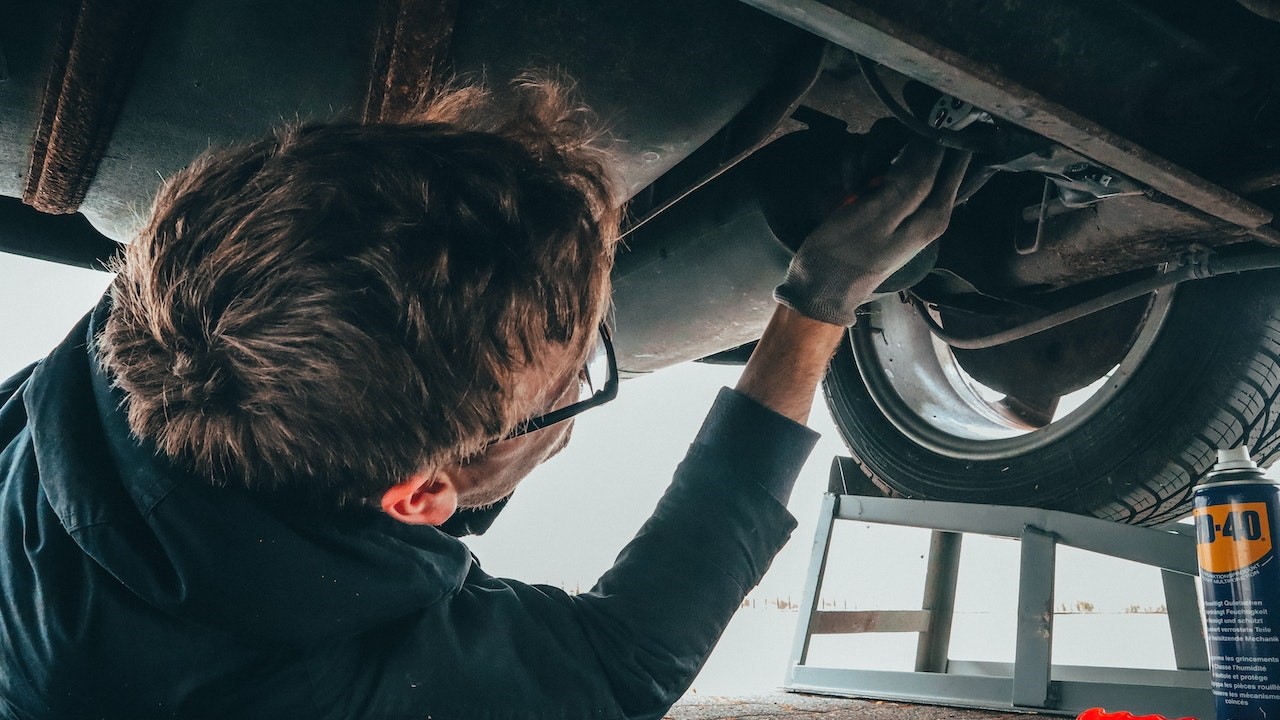
Car fixing underneath | Goodwill Car Donations Photo by Malte Luk under Pexels License

Keep Your Car’s Undercarriage Safe This Winter!

You’re probably familiar with road salting, a measure taken by the authorities to keep commuters safe on the road during winter. This is done particularly in areas where snow and ice are common during winter. Road crews sprinkle salt on roads to lower the water’s freezing point so ice won’t easily form and pose hazards to motorists.

Although this measure helps keep the roads safe, it can wreak havoc on your vehicle’s undercarriage when the salt gets into contact with it.


What You Can Do to Protect Your Car’s Undercarriage

Your vehicle’s undercarriage houses the engine, brake lines, fuel lines, and other vital components. Once the road salt sticks and builds up on them, it causes damage to these parts, eventually compromising your safety. To help you avoid this problem, Goodwill Car Donations shares the following tips on how you can protect your vehicle’s undercarriage from road salt and ensure safe winter driving.

  1. Avoid driving in deep snow.

Snow and salt can accumulate in your car’s undercarriage when driving in deep snow. In some cases, salt particles in the snow can get into the crevices, making it difficult to remove them. Once the salt particles settle in those spaces, they can react with the metal, creating rust and damaging your car parts.

  1. Don’t drive before, during, and after snowstorms.

Road crews typically lay road salt before a snowstorm. Besides being unsafe, driving before, during, and after these conditions exposes your undercarriage to a thick layer of salt.

  1. Avoid puddles.

Puddles are cesspools of dirt and road salt. As much as possible, avoid driving over them while on the road. Water with salt particles can splash into your car’s undercarriage, leading to potentially expensive damages.

  1. Wash your undercarriage regularly.

Unless you never drive during winter, it’s very difficult to prevent road salt from getting into your undercarriage. As salt is likely to stick to this area, wash it once every two weeks to avoid damage.

When doing this, you’ll need to use a pressure washer to remove accumulated salt, snow, and grime from essential car parts. You can use a garden hose if you don’t have a pressure washer. However, you might have to use additional scrubbing tools to remove hardened salt and dirt.

  1. Apply wax on the undercarriage.

Ideally, you should apply wax or sealants on the undercarriage of your car before winter. Doing so will help prevent salt buildup. For extra protection, you can also apply another layer of wax in the middle of winter after thoroughly washing your vehicle.

  1. Rust-proof your undercarriage.

Rust-proofing involves applying oil to your vehicle’s undercarriage, including in crevices where rust is less likely to be detected. If you live in an area with harsh winter weather conditions, you should consider rust-proofing since roads there will typically have thicker layers of salt.

An Excellent Way to Help Your Community’s Needy Folks

While keeping your car’s undercarriage safe from road salt, spare a thought for the needy individuals and families in your local area. These include those burdened with disabilities, lack of education, job experience, or essential skills, and other limiting personal circumstances, such as having prison or police records or being welfare-dependent.

You can provide life-changing support to these folks when you donate an unwanted vehicle to us at Goodwill Car Donations. We’ll use your donation to improve their living condition.

Our team will have your car auctioned off, with the proceeds used to support the life improvement and community development programs of the Goodwill organizations serving your area. These IRS-certified 501(c)(3) nonprofits use the funding they get from us to provide disadvantaged individuals with job and skills training, employment opportunities, scholarships, livelihood assistance, disability benefits, family support, educational services, financial assistance, and other essential support services.

In return for your donation, you’ll get our fast and free towing service from any point in the country plus the privilege of claiming the highest possible tax deduction in the next tax season.

Best of all, you’ll find great satisfaction in knowing that your donation will help empower the underprivileged residents of your community to realize their full potential, enabling them to live productive and fulfilling lives.

Don’t hesitate to donate any type of vehicle regardless of its age or working condition. Visit our FAQs page, leave us a message here, or call us anytime through our toll-free hotline at 866-233-8586 to learn more about our donation process.

Reach Out to Your Disadvantaged Neighbors This Winter!

Homeless man | Goodwill Car Donations Photo by MART PRODUCTION under Pexels License

Are you ready to give the needy new hope for a better life? Your car donation can help transform their lives. Call Goodwill Car Donations at 866-233-8586 or fill out our secure online donation form now!

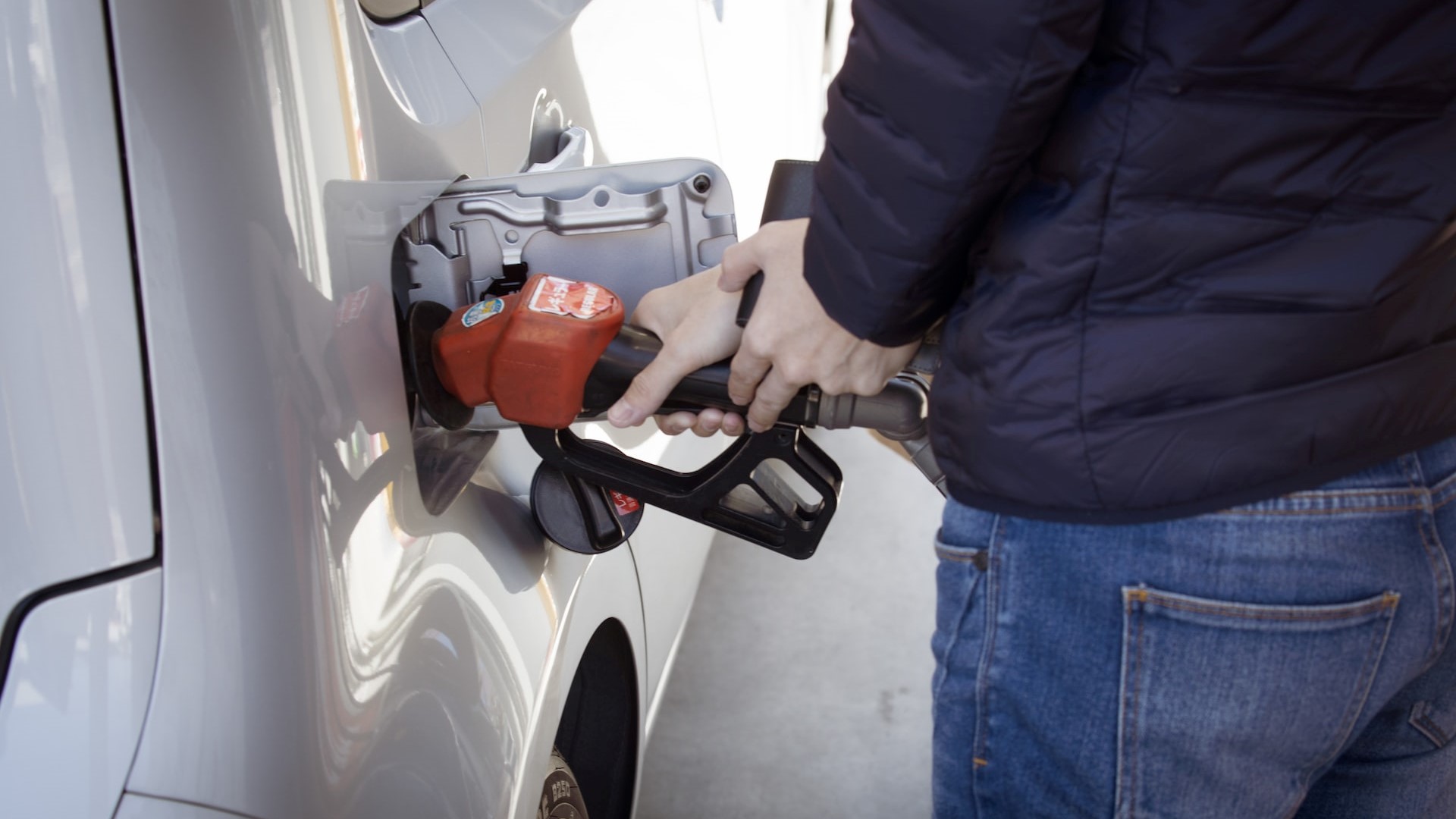
Why Gas Prices and Inflation Are Related

Holding Gasoline Nozzle | Goodwill Car Donations Photo by ClickerHappy under Pexels License

4 Things That Affect the Cost of Gasoline at the Pump

As we slowly get used to living in the new normal after surviving the worst of the pandemic, we are faced with a new challenge: the skyrocketing cost of goods due to inflation.

Inflation is generally defined as the rising cost of goods and the fall in the purchasing power of money. It means that as the prices of products increase, the value of the dollar shrinks. As a result, you can buy less than what you used to spend for the same amount.

As we take a look at the causes of inflation, we begin to realize that the cost of energy is one of the factors that contribute greatly to it.

Early this year, U.S. consumer price gains rose to a new 40-year high on rising gasoline prices as well as food and housing costs, according to a Bloomberg report. Inflation worsened further following Russia’s invasion of Ukraine. As the costs of production and transport grow, the additional costs are passed on to the consumers.


What Affects the Cost of Gas?

While it’s easy to blame the rising costs of power and gas as the main culprits for inflation, several factors come into play in terms of determining these costs. To better understand how gas prices are set, Goodwill Car Donations identifies some of the factors that affect the cost at the pump.

  1. Price of crude oil

The price of crude oil in the world market affects the cost of gasoline sold at the pump since crude oil is the primary component of gasoline. Supply issues drive up the prices and conflicts like wars and political issues disrupt the production and delivery of crude oil to other countries, resulting in higher prices. Fortunately, increased domestic petroleum production in the United States helps alleviate the country’s dependence on imported crude oil.

  1. Taxes

Federal, state, and local government taxes contribute to the retail price of gasoline. As of January 2022, total state taxes were estimated at 31.02 cents per gallon.

  1. Refining cost and profit

One of the major expenses of oil companies is the refining cost as different gasoline types are processed through different technologies. The cost of other ingredients blended into gasoline is also factored into the cost at the pump. Oil companies also have to add on to the costs to turn up a profit and stay in business.

  1. Distribution

Transport and marketing costs also add to the cost of fuel at the pump. After the refining process, gasoline is delivered by tanker trucks to gasoline stations.

A Practical Solution to Your Car Woes

If you are driving an old and fuel-inefficient car, you must be reeling from the double whammy of rising fuel prices as well as the frequent costly repairs of that vehicle. If you are thinking of giving up your gas guzzler and upgrading to a more fuel-efficient auto, we have just the right suggestion for you: Consider donating your old ride to us at Goodwill Car Donations.

We will quickly and conveniently free you from the hassles of keeping such a problematic vehicle while giving you a great opportunity to be of service to your community.

Our team will auction off your donated automobile, with the proceeds going to the Goodwill organizations serving your area. These IRS-approved 501(c)(3) nonprofits cater to disadvantaged Americans — those who lack education, job experience, or essential skills, as well as those who are burdened with disabilities and other limiting personal issues, such as being welfare-dependent and having past prison or police records.

Your local Goodwill organizations use the funding they get from us to provide their beneficiaries with job and skills training, employment opportunities, scholarships, livelihood assistance, disability benefits, family support, educational services, financial assistance, and other essential support services.

As a Goodwill donor, you’ll have the privilege of enjoying our fast and free towing service wherever you are in the country.

Your gift will also entitle you to receive the highest possible tax deduction in the next tax season.

However, the best part about making a charitable contribution to us is the priceless satisfaction you’ll feel, knowing that your donation will be used to improve the lives of the underprivileged people in your community and empower them to succeed in life.

We accept nearly all vehicle types, including those that are no longer in good condition.

To get to know our quick and convenient donation process, check out our FAQs page. If you have questions or concerns, tell us about them here. We will respond to you within 24 hours. You may also give us a call through our 24/7 toll-free hotline at 866-233-8586. We’d be happy to hear from you.

BMW Parked | Goodwill Car Donations Photo by Jonathan Daniels under Unsplash License

Give Your Old Auto a New and Worthy Purpose Today!

Your unwanted car can help transform the lives of the disadvantaged locals in your area. Donating it to us can help create new jobs and break the barriers to success and progress in your community. Call Goodwill Car Donations at 866-233-8586 or fill out our secure online donation form now!