What Are Deductible Amounts and Coverage Limits in Auto Insurance Policies?

A Person Holding a Black Pen | Goodwill Car Donations Photo by Mikhail Nilov under Pexels License

Find Everything You Need to Know About These Insurance Terms Here!

Car ownership implies responsibility. In case of an accident that results in damages both to your car and that of another motorist, you’ll need money to pay for auto repairs and other related expenses. Auto insurance can help you with this, thus protecting your bank account.

People who have owned vehicles for many years now must already be familiar with deductibles and coverage limits in auto insurance policies. However, if this is your first time buying an insurance policy, those terms might sound unfamiliar to you. To help you fully understand these two important insurance terms, Goodwill Car Donations is here to dissect them.


What Is an Insurance Deductible?

A deductible is the amount of money the policyholder has to pay out-of-pocket before the insurance policy begins to cover damages to their vehicle. A deductible could go as low as $250 or as high as $2,500, depending on the terms stipulated in your auto insurance policy. For instance, if you get insurance with a $250 deductible, and the damage is estimated to be worth $1,000, you’ll have to pay $250 out of pocket first before the insurance company can cover the remaining $750.

Lower deductibles generally result in higher premiums because in this case, the insurance company will cover a large amount for the damage. Conversely, a higher deductible will result in lower premiums because the policyholder will assume a large portion of the cost.

When Do I Pay the Insurance Deductible?

You pay your deductible when you file a claim under coverage that carries a deductible, assuming the damage to your car is covered and costs more than your deductible amount. If your insurer approves your claim, they will simply subtract your deductible amount from your claim’s approved payout. For example, if you have a claim approved for $4,000 and your deductible is $250, your insurance company will issue you a check for $3,750.

There are instances, however, when you don’t have to pay a deductible. One example is when you cause an accident that didn’t damage your car. In this case, your liability coverage would pay for the other driver’s injuries and property damage, which doesn’t carry a deductible. However, if your car is damaged in the accident, and you decide to file a collision claim, then you would pay your collision deductible.

You also won’t have to pay your deductible if the other driver is officially deemed at fault for the accident. In this case, their insurance company can pay for your vehicle’s repairs. If you have collision coverage, you can also choose to go through your insurer, who will seek reimbursement (including your deductible) from the other driver’s insurance company.

What is an Auto Insurance Coverage Limit?

Auto insurance coverage limit refers to the maximum amount the insurance company is willing to pay or cover in the event of an accident. Once the policyholder goes beyond that limit, they’ll have to pay the remaining out-of-pocket amount.

Many states in America require vehicle owners to get the minimum coverage for their auto insurance policies. Coverage limits are typically expressed in three values, for example, $50,000/$100,000/$50,000. The values simply mean that the insurer will:

  • Pay a maximum of $50,000 per person for bodily injuries
  • Pay a maximum of $100,000 for bodily injuries per accident
  • Pay a maximum of $50,000 for property damages to the other party involved in the accident.

It’s worth noting that with comprehensive and collision insurance policies, the maximum coverage is usually equivalent to the value of your car at the time of the accident. Furthermore, you may be required to purchase this insurance policy if you’re leasing or financing your car.

Still Paying Premiums for a Car You No Longer Use?

Continuing to pay for your car’s insurance premiums doesn’t make sense if you’re no longer using that vehicle. When you donate that vehicle to us at Goodwill Car Donations, you’ll not only stop shelling out precious insurance money but, more importantly, you’ll be extending meaningful assistance to the disadvantaged residents of your local community. Your donation will become a vital source of support for them.

We’ll have your car auctioned off, with the proceeds going straight to the Goodwill organizations serving your area. These IRS-certified 501(c)(3) nonprofits cater to men and women who are burdened with disabilities, lack of education, essential skills, or job experience, and other limiting personal issues, such as being a former inmate or having a welfare mentality. These disadvantages prevent them from finding decent sources of income that can enable them to escape from the grip of poverty.

Your local Goodwill organizations use the funding we give them to provide their beneficiaries with job and skills training, employment opportunities, scholarships, livelihood assistance, disability benefits, family support, educational services, financial assistance, and many other essential support services.

Expect to receive the 100% tax-deductible sales receipt of your auto by mail soon after its auction. You’ll need it to claim your top tax deduction in the next tax season.

Moreover, we’ll provide you with our free towing service at a date and place most convenient to you anywhere in the country.

Your gift will also allow you to savor the satisfaction of serving your community by helping empower your less fortunate neighbors.

We accept nearly all vehicle types, even those that are no longer in good condition.

For more information about our vehicle donation program, including our quick and easy donation process, feel free to check out our FAQs page. If you have questions or concerns, call us anytime through our toll-free hotline at 866-233-8586 or leave us a message here.

Group of People Standing on Green Grass With Happy Faces | Goodwill Car Donations Photo by RDNE Stock project under Pexels License

Reach Out to the Needy in Your Area Today!

Now’s your chance to extend a helping hand to the disadvantaged people in your community. Your donation can make you a hero to them. Call Goodwill Car Donations at 866-233-8586 or fill out our secure online donation form now!


What Is Collision Auto Insurance?

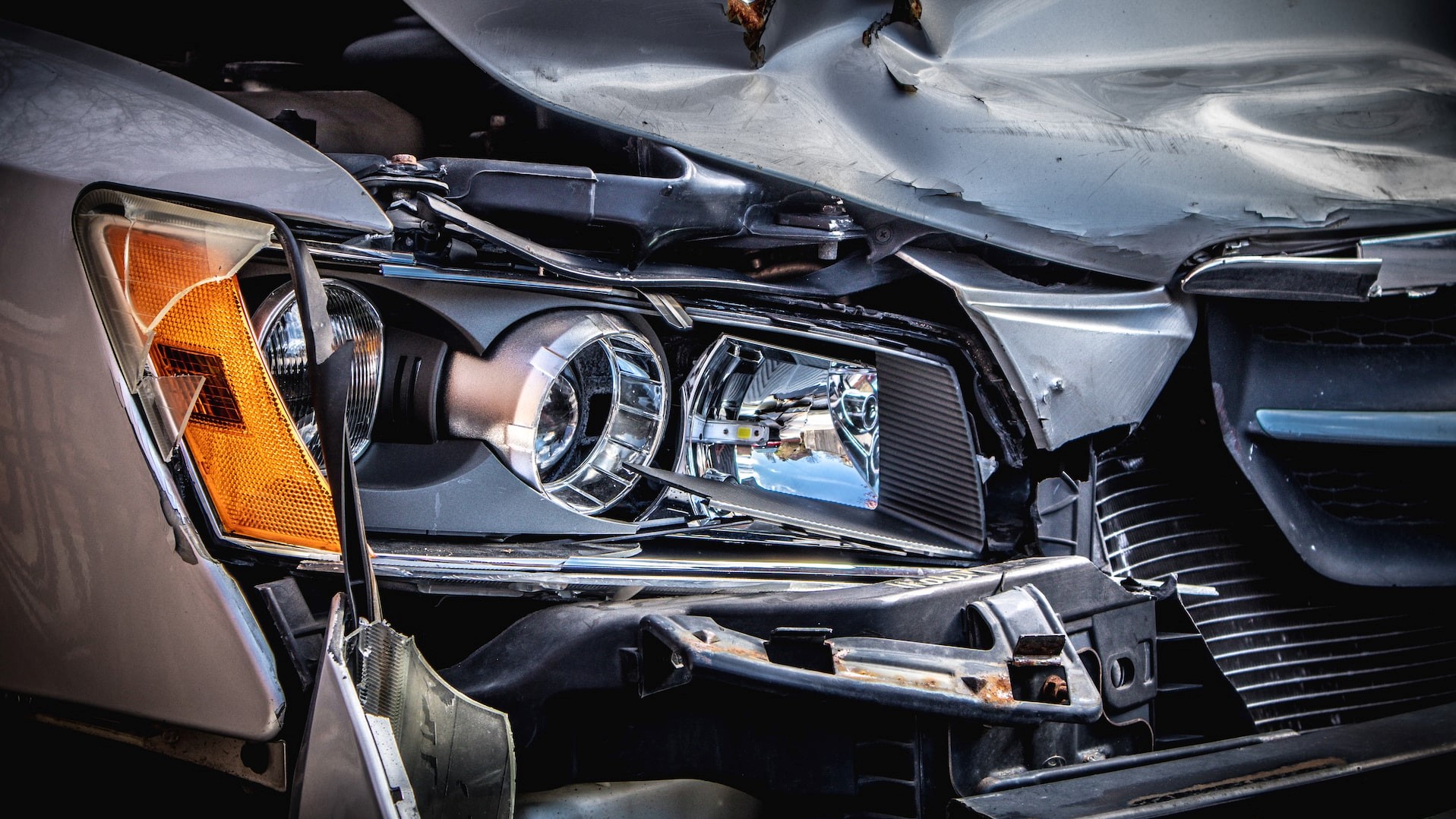
silver and black car engine photo | Goodwill Car Donations Photo by Clark Van Der Beken under Unsplash License

Your Definitive Guide to Collision Auto Insurance

If you’re driving around uninsured, the risks you face could be a lot greater than what you expect. Aside from the physical injuries you might sustain, a single road accident could leave you with financial losses that can last for years.

To protect yourself and maximize your peace of mind on the road, it’s important to understand what collision insurance can do for you.

In this post, we’ll break down all things related to collision auto insurance — what it is, its benefits, costs, and coverage limits — so that when it’s time for you to decide about your car’s protection, choosing a policy will be an easy choice.

Ready to get started? Let’s do it!

What Is Collision Auto Insurance?

Collision auto insurance is a type of coverage that reimburses insured drivers for damages to their vehicles resulting from collisions with other vehicles (regardless of who was at fault) or objects. It typically pays for repairs or replacements of damaged parts, as well as any rental cars you might need while your vehicle is being fixed. Depending on the policy you choose, it may also provide you with the funds you need to replace a totaled car.

Although this type of insurance coverage is not required by law, it would serve you well to get the coverage to keep yourself financially protected in case your car hits or gets hit by another vehicle or object. You can add it as an extension of your basic auto insurance policy. However, if you’re leasing or financing your car, your lender will most likely require you to buy collision auto insurance.

How Much Does Collision Auto Insurance Cost?

The amount you’ll pay for this coverage will vary depending on factors such as your car’s value, year, and model, as well as the deductible amount. Some insurance companies offer discounts to motorists with a good driving record and those who take defensive driving courses.

When dealing with insurance, it’s crucial to remember this: lower deductibles mean higher premiums, and higher deductibles mean lower premiums. So, if you’re shopping for collision auto insurance, your best bet is to pick a higher deductible to reduce its cost.

Common deductibles typically range from $250 to $1,000. Then again, with your car’s value being a major factor, you should keep it in mind when determining your deductible amount.

What Collision Auto Insurance Covers?

Collision insurance can make all the difference in case you get into accidents such as:

  • A collision with another car or an object like a tree or fence
  • A single-car accident that involves falling over or rolling
  • Someone crashing into your parked vehicle

What Collision Auto Insurance DOES NOT Cover?

Collision auto insurance won’t reimburse you if your car encounters any of these misfortunes:

  • Natural calamities
  • Theft
  • Vandalism
  • Medical bills (yours, your passenger/s, or the other party)
  • Losses other than auto damage from a collision
  • Accidents with animals

So, what’s your option here? Simple: just bundle your collision auto insurance with one of the following:

  • Comprehensive auto insurance
  • Property damage liability insurance
  • Bodily injury liability insurance

Why Consider Getting Collision Auto Insurance?

Collision auto insurance can give you peace of mind, knowing that even in the worst-case scenario, you won’t have to worry about coming up with large amounts of money for repairs. No longer will you have to pay out-of-pocket for any damage to your car if it gets into a road accident. Your insurer will help pay for repairing or replacing your car depending on the extent of damage and its overall value.

Having this coverage can also help you if someone else causes an accident that damages your car. It will protect you from having to pay for any legal costs that might arise if the other party tries to sue you.


Save Your Insurance Money by Getting Rid of That Beater!

Are you still paying for the insurance of an old car you haven’t driven for ages? Save your hard-earned money by canceling its policy. As for that unwanted vehicle, hand it over to us at Goodwill Car Donations! We’ll give it a new and worthy purpose by using it to uplift the lives of the struggling disadvantaged people in your community.

Our team will have your vehicle auctioned off, with the proceeds going to the Goodwill organizations serving your area. These IRS-certified 501(c)(3) nonprofits are dedicated to helping disadvantaged Americans — those who are suffering from disabilities, lack of education, job experience, or essential skills, and other limiting personal issues, such as being a former inmate or having a welfare mentality.

Your local Goodwill organizations use the funding they get from us to sustain their delivery of life-enhancement services to deserving residents of your community. Thanks to your donation, more disadvantaged folks in your area will be able to benefit from free Goodwill job and skills training, vocational services, and scholarships, as well as financial assistance, disability benefits, family support, and other vital support services.

You’ll also benefit from your charitable contribution since this will entitle you to claim the maximum tax deduction in the next tax season. Moreover, we’ll provide you with our free professional pickup and towing service at your convenience anywhere in the country.

Best of all, you’ll find great satisfaction in doing something that will benefit your entire community, with once-idle members getting great opportunities to harness their full potential, leading to their attainment of financial security.

Don’t hesitate to donate any type of vehicle regardless of its year, make, model, mileage, or working condition. We’ll take your car, truck, van, RV, motorcycle, or riding lawnmower as it is.

For more information about our vehicle donation program, including our quick and easy donation process, feel free to check out our FAQs page. If you have questions, don’t hesitate to call us anytime through our toll-free hotline at 866-233-8586 or leave us a message here.

girl friends hands piled together | Goodwill Car Donations Photo by Hannah Busing under Unsplash License

Let’s Work Together to Empower Struggling Americans Today!

Whatever vehicle you donate to us will no doubt help a lot in empowering the disadvantaged residents of your community. It will play a role in breaking the barriers that prevent them from achieving their dreams. Call Goodwill Car Donations at 866-233-8586 or fill out our secure online donation form now!


What Is Comprehensive Auto Insurance?

Magnifying Glass and a Document | Goodwill Car Donations Photo by Vlad Deep under Pexels License

Find Out Everything You Need to Know About Comprehensive Auto Insurance Here!

Are you trying to figure out what type of auto insurance is best for your car? You’ve likely heard people mention the term “comprehensive auto insurance” several times, but what exactly does this mean?

Whether you’re a first-time car buyer or an experienced driver looking to update your coverage, comprehensive auto insurance will provide you with the essential protection you need.

What Is Comprehensive Auto Insurance?

Comprehensive auto insurance is a type of car insurance designed to cover damage to your car from causes other than a collision — hence, earning the moniker, “other than collision” coverage. It can help pay for damages caused by natural disasters, theft, fire, and other events.

It’s important to note that comprehensive auto insurance is supplementary, which means that it’s an optional coverage that you can add to your policy. If you’re looking for maximum protection, for instance, you can pair it with liability and collision coverage, or you can opt for classic car insurance that offers flexible usage and coverage specifically made for classic cars.

However, if you’re leasing or financing your vehicle, your lender will most likely require you to buy this coverage.

How Much Does Comprehensive Auto Insurance Cost?

The cost of comprehensive auto insurance will vary depending on several factors, such as your vehicle type, its value, its place of registration, your driving history, and the coverage limits you choose. Some companies may also offer discounts for certain safety or security features on your car. The best way to get an accurate estimate of what comprehensive auto insurance might cost you is to compare quotes from multiple insurers.

What Does Comprehensive Auto Insurance Cover?

With comprehensive coverage, you’ll be reimbursed for damages caused by the following:

  • Fire
  • Natural disasters like floods, hurricanes, and earthquakes
  • Vandalism
  • Theft
  • Contact with animals
  • Broken windshields
  • Falling objects like rocks, branches, or hail

What Comprehensive Auto Insurance DOES NOT Cover?

The policy won’t be able to help you cover:

  • Damage to your car from a collision
  • Damage to another driver’s car from a collision
  • Legal fees
  • Medical expenses
  • Property stolen from your car
  • Lost salary from you or your passengers if you miss work after a vehicular accident

Who Needs Comprehensive Coverage?

Vehicle owners can undoubtedly benefit from comprehensive auto insurance. However, it’s especially ideal for folks who live in areas where cases of theft, natural disasters, or vandalism are common.

If you’re on the fence, here are three questions to ask yourself:

  1. How much is your car worth?

If it’s less than what you’d pay for your comprehensive auto insurance premium, you should skip this type of insurance coverage.

  1. Do you reside in a heavily populated area?

Cities and towns with more people are at higher risk of experiencing theft and vandalism, so if you happen to live in one, you’ll want to purchase comprehensive auto insurance.

  1. Does your car lender require comprehensive coverage?

As mentioned earlier, leasing or financing a vehicle usually requires comprehensive coverage. Your leaser won’t be able to give you the car without it.

Still Paying Insurance for a Car You No Longer Want?

Why burn a hole in your pocket paying for your car’s insurance when you don’t find it useful anymore? It’s time to do yourself a favor by putting an end to your financial hemorrhage!

No, we’re not suggesting you sell that vehicle, as it could mean spending a fortune to make it look decent and presentable to prospects.

Our advice is much, much better: turn it into a vital source of assistance for the struggling disadvantaged men and women in your area. You can do that by donating it to us at Goodwill Car Donations.

Our team will have your vehicle fixed before selling it in one of the best auction houses in our network. The proceeds will go to the Goodwill organizations serving your community. These IRS-certified 501(c)(3) nonprofits are dedicated to helping disadvantaged Americans — those who are suffering from disabilities, lack of education, job experience, or essential skills, and other limiting personal issues, such as being a former inmate or having a welfare mentality.

Your local Goodwill nonprofits use the funding they get from us to provide their beneficiaries with job and skills training, employment opportunities, scholarships, livelihood assistance, disability benefits, family support, educational services, financial assistance, and many other essential support services.

In exchange for your generous gift, we’ll mail you a tax receipt which will entitle you to claim a top tax deduction in the next tax season. You will also benefit from our free pickup and towing services, which we offer our donors in all parts of the United States. Plus, you can count on us to take care of all the paperwork on your behalf.

Your gift will also allow you to savor the satisfaction of having served your community by helping empower your less fortunate neighbors.

We accept a wide range of vehicle types regardless of age or condition. Whether you’re planning to give us your car, a motorbike, or even a rundown truck, we’ll be more than glad to receive it.

If you have any questions or concerns, feel free to leave them here or give us a call at 866-233-8586. For more information on our car donation program, including our quick and easy donation process, head over to our FAQs page.

Happy Women Hugging Each Other | Goodwill Car Donations

Photo by Jules Amé under Pexels License

Become a Local Hero Today!

Making a simple vehicle donation will allow you to make a lasting impact on the lives of the disadvantaged people in your community. We’ll transform your unwanted car into a life-enhancing tool for them. Call Goodwill Car Donations at 866-233-8586 or fill out our secure online donation form now!


What You Need to Know About Car Leases

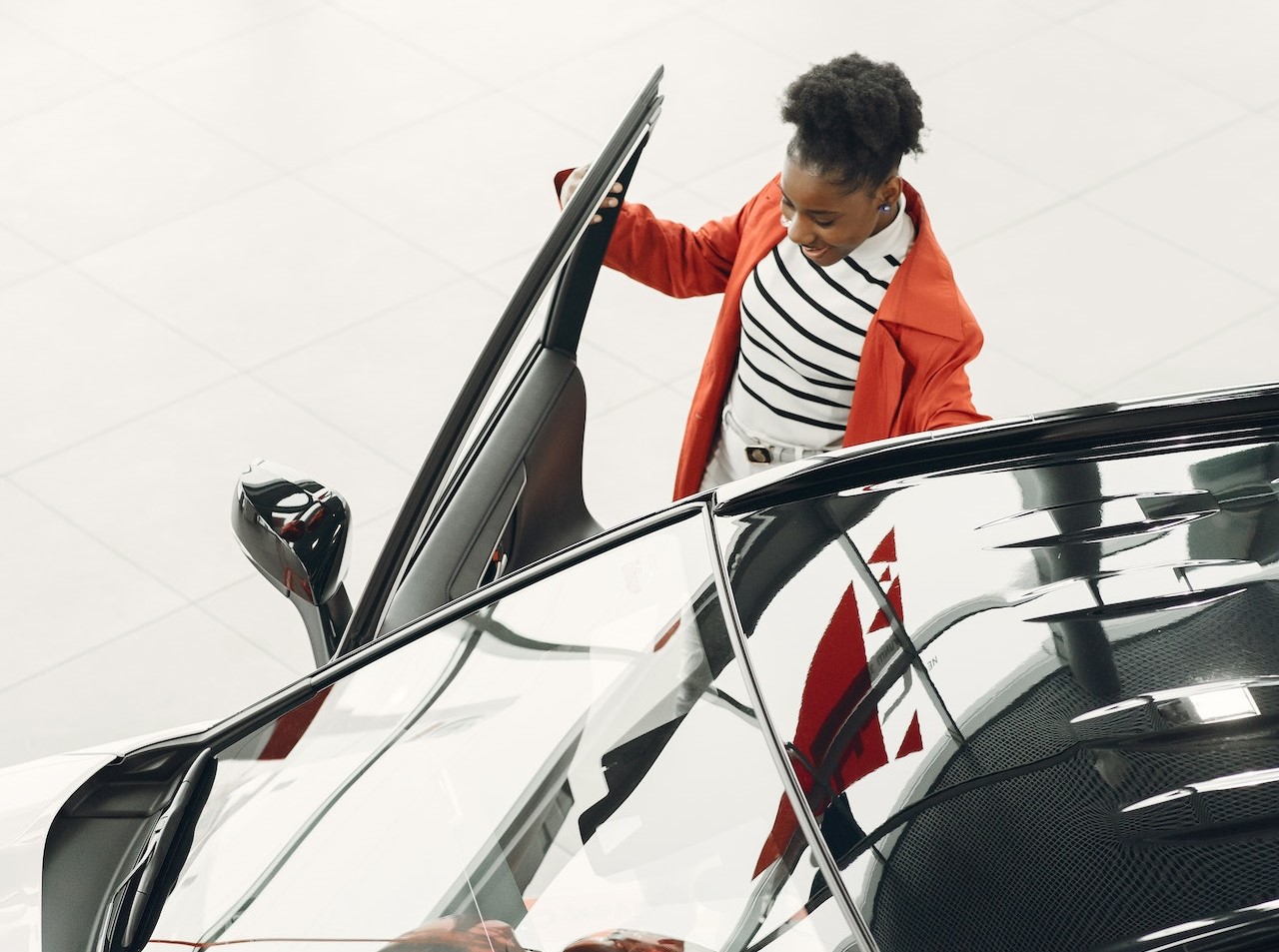
Man Opening a Car Door | Goodwill Car Donations Photo by Pavel Danilyuk under Pexels License

There’s More to Car Leasing Than Meets the Eye!

Leasing a car can be a good option for some people. In this arrangement, you can drive a car for a specified period without spending a ton of money upfront or paying for insurance. After the lease ends, you can renew the contract or return the vehicle.

However, there’s more to car leasing than meets the eye.

Car Leasing: Get Your Facts Straight!

Are you planning to rent a car for the first time? Goodwill Car Donations shares these car leasing facts you should know before putting your signature on the dotted line:

  1. Your credit score will affect your car lease qualifications.

Don’t let car commercials deceive you. The interesting terms they offer are only available for those with stellar credit scores. Your credit score gives the lessee a clear snapshot of your reliability when paying your dues.

For this reason, you need a high credit score to get a good lease term. The higher your credit score, the more power it gives you to negotiate for a much better lease term.

  1. Monthly payments are based on the car’s depreciation value.

Unlike buildings, a car’s value depreciates over time. Since the leased car won’t be as valuable as the time you took it out of the leasing company’s compound, the company is bound to face losses.

To mitigate this, most leasing companies charge renters based on the difference between the car’s capitalized cost and its residual value at the end of the lease term. The leasing company will also charge an interest rate, thus increasing the monthly payment.

  1. There’s a mileage limit.

One of the main considerations of car leasing is mileage. Car lessees typically limit their car mileage since they cannot exceed the limit stipulated in the contract. Otherwise, they will have to pay additional fees. Because of this restriction, you’ll need to estimate how much mileage you can consume within the specific time frame you’ll use the car.

Depending on the terms, a car lease is typically limited to a mileage of 10,000 miles per year. Other lessors may allow as high as 15,000 miles per year. If you go above that, the leasing company may penalize you for up to $0.30 per 1,000 miles excess.

  1. You will be responsible for maintaining the vehicle.

The lessor expects the lessee to return the car at the end of the leasing period in tip-top condition. They expect you to follow the car’s maintenance schedule and keep it scratch-free when you use the vehicle. Once your lease contract expires, the lessor will inspect the vehicle. If they spot an issue, they may charge you for repairs.

  1. The leasing company can charge you if you end your lease prematurely.

The lessor calculates the monthly payments based on the months you’ll be leasing the car to ensure they won’t be taking any losses at the end of the lease period.

If you end the lease earlier than agreed, the company may require you to pay the penalty. While some companies may have a fixed amount in mind, others may demand balloon payments to cover the remaining months of the lease. For this reason, it’s best to read the contract before signing.

Planning to Retire Your Old Beater?

If you’ve just rented a car because your old ride is once again under repair at the shop, perhaps it’s time to retire it. Consider handing it over to us at Goodwill Car Donations. We’ll turn your old beater into an instrument of change that will impact the lives of the disadvantaged individuals and families in your community.

Our team will have your car auctioned off, with the proceeds used to help fund the life improvement programs of the Goodwill organizations serving your area. These IRS-certified 501(c)(3) nonprofits are dedicated to helping men and women burdened with disabilities, lack of education, job experience, or essential skills, and other limiting personal issues such as being welfare-dependent or having prison records.

Your local Goodwill organizations use the funding they get from us to provide them with job and skills training, employment opportunities, scholarships, livelihood assistance, disability benefits, family support, educational services, financial assistance, and many other essential support services.

Donating a vehicle to us will also benefit you in more ways than one. We’ll provide you with our free professional pickup and towing service at the time and date most convenient to you. Our team will have your vehicle hauled off wherever you had it parked or stored anywhere in the country.

That’s not all. Your charitable contribution will also entitle you to claim the maximum tax deduction in the next tax season.

Moreover, your act of charity will bring you an immense sense of satisfaction, knowing that you’ll be contributing to the growth and development of your community by empowering your needy fellow residents through work and learning.

You can donate almost any type of vehicle. In most cases, we accept even vehicles that are no longer in good running condition.

For more information on our vehicle donation program, including our quick and easy donation process, head over to our FAQs page. If you have any inquiries, call us anytime through our toll-free hotline at 866-233-8586. You may also write to us here and we’ll respond to you ASAP.

Friends Hugging Each Other | Goodwill Car Donations Photo by EKATERINA BOLOVTSOVA under Pexels License

Help the Needy in Your Area Today!

We make it easy for you to extend a helping hand to the struggling underprivileged residents of your community. All you have to do is donate an unwanted vehicle to us. Call Goodwill Car Donations at 866-233-8586 or fill out our secure online donation form now!


5 of the Most Fuel-Efficient Cars on the Market Today

Person Putting Gasoline on a Vehicle | Goodwill Car Donations Photo by Erik Mclean under Pexels License

Find the Best Fuel-Efficient Vehicle That Suits Your Needs and Budget!

When purchasing their next car, most people consider several factors, such as safety and reliability. However, there’s another major factor you need to look into, and that’s fuel efficiency.

If you’re looking to reduce the number of times you stand next to a gas pump, watching your dollars click by as you fill your tank, it’s best to get yourself a fuel-efficient vehicle. Thanks to higher consumer expectations and increasingly tough fuel economy standards, it’s easier today to find a fuel-efficient car that suits your needs and budget.

What Are the Most Fuel-Efficient Cars Today?

While electric cars are now widely available, gasoline-powered cars remain popular mainly because they’re less expensive.

Another major factor that people consider when buying gasoline-powered or hybrid vehicles is fuel efficiency. If you’re looking for a short list of the leading fuel-efficient cars on the market today, Goodwill Car Donations has compiled five of them based on their mile-per-gallon (mpg) ratings:

  1. 2022 Hyundai Ioniq Hybrid

Hyundai released its first set of hybrid vehicles, called Ioniq, in 2017. The model offers a fuel-efficient trim — rated at 58 mpg for city driving and 60 mpg on the highway. Hyundai also updated its exterior since the model’s launch, including a mesh grill, LED headlights and taillights, and daytime running lights.

In addition, the Hyundai Ioniq lineup boasts several standard safety features, an easy-to-use infotainment screen, and a spacious interior, which will surely appeal to many. The 2022 Hyundai Ioniq (photo shown above) is priced between $23,600 and $33,250.

  1. 2022 Toyota Prius Hybrid

While the Toyota Prius received a rating of 44 mpg in previous years, its latest model achieved a rating of 52 mpg overall.

Aside from fuel efficiency, the Toyota Prius offers the usual hatchback versatility, a 7-inch touch-screen infotainment system with smartphone integration, and enormous cargo space. The Toyota Prius has a starting MSRP of $24,325.

  1. 2020 Toyota Camry Hybrid

The Toyota Camry is one of the best-selling passenger vehicles in the United States. The 2020 model comes with a more expressive exterior design. It also received an EPA rating of 52 mpg, which is 30% more compared to its previous model.

Interior-wise, the Toyota Camry also doesn’t disappoint.  It has a trunk space of 15 cubic feet, giving you enough room for storage. The Toyota Camry’s price starts at $28,430.

  1. Mitsubishi Mirage

Powered by a tiny 1.2 L 78 horse-power cylinder, the Mitsubishi Mirage runs at 39 mpg. Unlike the car models mentioned above, the Mitsubishi Mirage is purely gasoline-powered.

While it may not be as efficient as the other cars on our list, it’s still a good choice considering that it’s the second cheapest gasoline-run vehicle in America. If you’re considering the Mitsubishi Mirage, the price starts at $16,125.

  1. Hyundai Elantra

Another fuel-efficient, purely gasoline-run vehicle is the Hyundai Elantra. This 147-horsepower CVT non-hybrid model is rated at 37 mpg overall. Not only is the Elantra fuel-efficient, but it is also considered one of the most attractive sedans that are priced at just a little over $20,000.

Furthermore, the Hyundai Elantra features remarkable standard safety features, including automatic emergency braking with pedestrian detection, standard lane-departure warning, and adaptive cruise control.

What You Can Do With Your Old Gas Guzzler

If your old vehicle suffers from poor fuel economy and is no longer the reliable and impressive ride it once was, consider donating it to us at Goodwill Car Donations. Besides ridding yourself of a gas guzzler, your charitable contribution will help provide the disadvantaged men and women in your community with the means to gain financial independence and live productive and fulfilling lives.

Our team will sell your vehicle through an auction and use the proceeds to support the life improvement programs of the Goodwill organizations serving your area. These 501(c)(3) nonprofits are dedicated to helping disadvantaged Americans — those who are burdened with disabilities and those who lack education, job experience, or essential skills, and other limiting personal issues, such as having prison records or being welfare-dependent.

Your local Goodwill organizations use the funding we give them to provide their beneficiaries with job and skills training, vocational services, scholarships, financial aid, disability benefits, family support, and many other types of vital support services.

In return for your gift, you’ll get free towing from any point in the country plus the privilege to claim a top tax deduction in the next tax season.

Moreover, your act of charity will bring you an immense sense of satisfaction, knowing that you’ll be contributing to the growth and development of your community by empowering your needy fellow residents through work and learning.

Feel free to donate any type of vehicle whatever its age or condition.

Interested in learning more about us? Additional information about Goodwill Car Donations and the specifics on how you can become a Goodwill vehicle donor can be found on our FAQs page. You can also call us through our 24/7 toll-free hotline at 866-233-8586 or message us here.

Friends spending time together with guitar | Goodwill Car Donations Photo by Andrea Piacquadio under Pexels License

You Can Make a Difference Today!

Get rid of your unwanted vehicle for free while making a difference in your community! If you’re ready to donate that automobile, call Goodwill Car Donations at 866-233-8586 or fill out our secure online donation form now!


How to Choose the Best Vehicle for You

Woman with Black Car in Salon | Goodwill Car Donations Photo by Gustavo Fring under Pexels License

Car Shopping: Know Before You Go!

Whether your last purchase of a brand-new set of wheels was years ago or you’re buying your first car, knowing where to start can be challenging. With so many options to choose from, the last thing you’d want is to let your emotions trump logic.

Stepping into the dealership without knowing what specific vehicle brand you want increases your chances of having a car pushed on you by the dealer. If you allowed yourself to be swayed, you might regretfully find out later on that the car didn’t suit your needs.

Although knowing the exact make or model you want before hitting the dealership isn’t necessary, asking yourself the right questions can help narrow your options and improve your car shopping experience.

Questions to Ask Yourself When Choosing the Best Vehicle for You

Most car salespeople tend to pressure people to leave the auto store with a purchased vehicle. Don’t let them push you around. You can do this by arming yourself with information about vehicles you’re interested in and the budget you can afford. Otherwise, you won’t have what you need to negotiate properly.

To help you pick the best vehicle, Goodwill Car Donations has compiled the following top questions you should ask yourself before stepping into a dealership:

  • ‘What Kind of Vehicle Do I Want?’

Vehicles are more than just machines that people drive to move around. They’re extensions of their drivers’ personalities and lifestyles. For this reason, it’s best to pick a vehicle brand and model that fits your personality and lifestyle. Knowing what you like will help thin out your options.

If you’re the adventurous type that falls under the “active lifestyle” category, off-road capable vehicles are likely on your list. However, if you’re a family man who values comfort and convenience for your brood, you’re probably drawn to minivans or crossover SUVs.

  • ‘What Kind of Vehicle Do I Need?’

Once you’ve thought about the type of car you want, it’s time to figure out what car you need. If you have three kids and another bun in the oven, choosing a vehicle that can fit your entire family is best. However, if you’re a business professional who regularly shepherds your clients around, consider buying a more upscale ride than a high-mileage subcompact.

  • ‘What Can I Afford?’

Since most car dealers focus on the monthly payment, they’ll try to convince car buyers to stretch out their payments and pay thousands more in interest as a result. If you don’t want to increase your financial risk, it’s best to focus more on the car’s total cost, including registration, insurance, maintenance, and fuel.

You can stretch your purchasing power by staying informed about what’s going on in the market. Manufacturers typically offer new, lease, and used car deals each month. Consider finding a new vehicle with a cash-back or low-interest financing offer to save big money.


Do You Have an Unwanted Vehicle in Your Garage?

Are you looking to replace your old beater with a shiny new car? Consider donating it to us at Goodwill Car Donations. We guarantee that you’ll find more satisfaction in doing that than selling that vehicle or driving it to the nearest car graveyard. We’ll give your old car a new and worthy purpose by using it to transform the lives of the disadvantaged folks in your community.

Our team will put your vehicle up for auction and turn over the proceeds to the Goodwill organizations serving your area. These IRS-approved 501(c)(3) nonprofits cater to disadvantaged Americans — those who suffer from disabilities and those who lack education, job experience, or essential skills, and other limiting personal issues, such as having criminal records or a welfare mentality.

Your local Goodwill organizations use the funding they get from us to provide their beneficiaries with job and skills training, employment opportunities, scholarships, livelihood assistance, disability benefits, family support, educational services, financial assistance, and many other essential support services.

While helping the underprivileged members of your community with your car donation, you’ll also get outstanding rewards yourself. These include getting our fast and professional towing service at no cost to you and also at a date and place of your choice anywhere in the country.

Your gift will also entitle you to claim the maximum tax deduction in the next tax season.

Moreover, your donation will allow you to savor the satisfaction of serving your community by helping empower your less fortunate neighbors through work and learning.

We take nearly all types of vehicles, including those that are no longer in good shape. You may head over to this page to get a list of the types of vehicles acceptable to us.

To learn more about our vehicle donation program, including our quick and easy donation process, feel free to visit our FAQs page. Call us anytime and any day at 866-233-8586 or message us here if you have any questions or concerns.

Group of People Showing Teamwork and Unity | Goodwill Car Donations Photo by Pavel Danilyuk under Pexels License

Start Changing Lives Today!

Your unwanted vehicle can help the impoverished and disadvantaged residents of your community live healthy and productive lives. We’ll use your car donation to transform their lives. Call Goodwill Car Donations at 866-233-8586 or fill out our secure online donation form to make your donation now!


5 Signs That Your Engine Is Misfiring or Sputtering

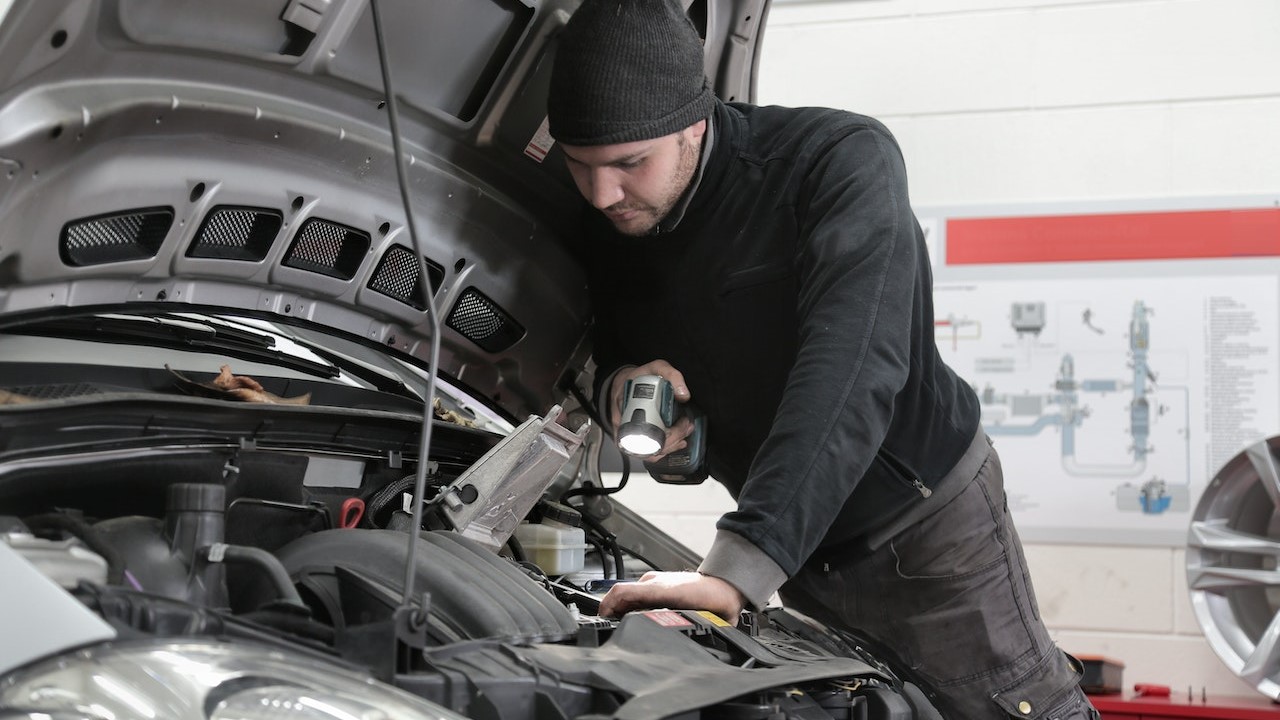
Car mechanic checking the car | Goodwill Car Donations Photo by Andrea Piacquadio under Pexels License

Don’t Ignore These Signs If You Don’t Want to Face Bigger Car Woes!

An engine misfire usually occurs when an engine component is excessively worn or damaged. When this happens, you’ll find your engine momentarily stumbling, causing it to lose speed.

Fortunately, most misfires tend to dissipate, with the engine regaining its normal speed after a couple of seconds. However, this doesn’t mean you won’t face the same issue in the future.

Once you notice your engine misfiring, it’s important to figure out what’s causing it as soon as possible. The longer you ignore it, the more fuel you’ll waste. The more fuel you waste, the more likely the damage will spread to core engine components and the more toxic emissions will be released into the environment.

Do You Think Your Engine Is Misfiring? These Signs Will Confirm Your Suspicion!

So, how can you tell if your engine is misfiring or sputtering? Goodwill Car Donations shares the warning signs of this engine malfunction:

  1. Rough idling

An engine that idles in a rough or clunky manner may indicate a misfire. When the air-to-fuel mixture in the cylinder gets compromised, your engine may jump up and down, causing your vehicle to start and stop all of a sudden. As a result, your ride will be a bumpy one.

  1. Black exhaust

A cloud of thick, black smoke coming out of your exhaust pipes is another sign that your engine isn’t passing fuel and air properly. If you see that your car is emitting this type of exhaust smoke, you can safely assume that you’re experiencing an engine misfire.

  1. Sluggish acceleration

If your engine is sputtering, your car will find it hard to reach adequate speeds. It will respond to engaging acceleration slowly and sluggishly. You may also feel a jerking motion when you step on the gas.

  1. Illuminated “check engine” light

Many cars today come with built-in sensors that monitor engine performance. For instance, an illuminated “check engine” light is your engine telling you to get it inspected by a certified mechanic as it is struggling with certain issues, including a misfire.

  1. Engine sound changes

Sudden changes in your engine’s sound are possible signs that the internal combustion reaction has been interrupted due to a misfire. If you hear an unusual sound coming from your engine bay, such as coughing or clanking, it’s best to have your car checked by your trusted technician.

Got an Old Car That’s Giving You Headaches?

If your old car is showing multiple issues, including a misfiring or sputtering engine, and your mechanic can’t say for sure that repairing them will restore your auto to its former condition, perhaps you’d be better off buying a new car instead.

You need not worry though since you can still make good use of that beater. By handing it over to us at Goodwill Car Donations, you’ll be able to extend valuable assistance to the disadvantaged people in your local community. They are the men and women who are struggling with disabilities, lack of education, skills, or job experience, and other barriers to living a productive and financially secure life.

Our team will have your car auctioned off after fixing it, with the proceeds used to help fund the life improvement and community development programs of the Goodwill organizations serving your area.

These IRS-approved 501(c)(3) nonprofits are dedicated to uplifting the lives of disadvantaged people, using the funding we give them to provide their beneficiaries with job and skills training, employment opportunities, scholarships, livelihood assistance, disability benefits, family support, educational services, financial assistance, and other essential support services.

Being a donor will benefit you in more ways than one. We’ll provide you with our professional pickup and towing service at zero cost to you and at a time and date most convenient to you. We can collect your vehicle wherever you had it parked or stored anywhere in the country.

Your charitable contribution will also entitle you to claim the maximum tax deduction in the next tax season.

Best of all, your act of charity will bring you an immense sense of satisfaction, knowing that you’ll be contributing to the growth and development of your community by empowering your needy fellow residents through work and learning.

We accept almost all types of vehicles whatever their ages or conditions. We take even vehicles with defective and/or missing parts.

For more information on our vehicle donation program, including our quick and easy donation process, head over to our FAQs page. If you have any inquiries, call us anytime through our toll-free hotline at 866-233-85866. You may also drop us a message here and we’ll respond to you ASAP.

Give Your Old Car a New and Worthy Purpose Today!

Black jeep car | Goodwill Car Donations Photo by Denniz Futalan under Pexels License

We can turn your unwanted commuter car into a powerful tool that can free the needy folks in your community from the clutches of poverty. You’ll be in awe when you see how huge of an impact your gift can bring to their lives. Call Goodwill Car Donations at 866-233-8586 or fill out our secure online donation form now!


How to Get the Right Tax Deduction for Your Car Donation

Get the Right Tax Deduction for Your Car Donation | Goodwill Car Donations Photo by Negative Space under Pexels License

Don’t Get Short-Changed!

Did you know that you won’t go home empty-handed once you decide to donate an unwanted vehicle to an IRS-certified 501(c)(3) nonprofit organization? That’s because such a vehicle donation will qualify you for a top tax deduction in the next tax season.

That’s just one of the rewards in store for you when you make a charitable vehicle donation. This option will allow you to dispose of your unwanted car quickly and at no cost to you. It’s so much better than trying to sell an old car that needs a lot of work. If you try to sell such an auto, you’d have to endure the hassles and the rigors of doing so without any assurance that you’ll get a good enough price for it.

In contrast, if you decide to simply donate an unneeded vehicle to charity, you won’t have to spend your hard-earned money on fixing and refurbishing it to make it sellable.

What You Need to Know Before Donating a Vehicle to a Charity

The perks of making a charitable car donation indeed look enticing. However, you need to do this the right way. Otherwise, you might feel short-changed. Goodwill Car Donations is here to guide you on what you need to do.

  1. Find a nonprofit organization.

The first thing you need to do is to look for a reputable nonprofit organization that supports a cause you believe in. Once you find one, ask its staff whether they accept vehicle donations.

  1. Check if the organization is a 501(c)(3) charity.

If you’re donating a vehicle with the hope of getting a tax deduction from it, you’ll need to find a 501(c)(3) charity or a tax-exempt religious organization. If you’re not sure whether or not a charity is an IRS-certified 501(c)(3) organization, you can call the IRS hotline or simply visit its website.

  1. Put the charity’s name on the car title.

One of the biggest mistakes that many donors make is leaving the car’s title ownership blank upon making a vehicle donation. Some organizations instruct car donors to do this so they won’t have to retitle the vehicle. If the charity you approached does this, find another one.

In the absence of a formal transfer of ownership, you might be liable for anything that happens to your vehicle. For instance, you’d still be liable for paying parking tickets. An unscrupulous person in an organization might also use your car to commit a criminal act. If the charity fails to register the vehicle under its name, you’ll remain its owner.

  1. Determine whether you can use your vehicle’s Fair Market Value or standard deduction for your tax write-off.

When claiming a tax deduction for your vehicle donation, you can either use your vehicle’s Fair Market Value (FMV) or the standard deduction. In general, you can use your vehicle’s FMV if the charity did any of the following actions:

  • It used your vehicle for its operations.
  • It made improvements to the vehicle before auctioning it.
  • It sold your car for less than $500.
  • It sold your vehicle at a low price to a person with a low income.

However, if the charity did none of these actions, you can opt for the standard deduction. Many charities allow their vehicle donors to get tax deductions equivalent to their vehicles’ selling prices.

  1. Be sure to keep the documents after donating your vehicle.

You should get a written receipt from the charity once you hand over your vehicle to it. Be sure to keep the receipts and other documents since the IRS will look for them when you claim your tax deduction for your vehicle donation.

Have a Satisfying Car Donation Experience with Us!

If you’re looking for the most satisfying car donation experience, you’ll find it at Goodwill Car Donations. When you donate your unwanted car to us, you’re assured of a hassle-free donating experience. We will also ensure that you get to receive the highest possible tax deduction and all other rewards that you’re entitled to get for your car donation.

We’ll auction off your donated vehicle to generate funds for the Goodwill organizations serving your local area. These IRS-approved 501(c)(3) nonprofits cater to disadvantaged U.S. citizens — those who are burdened with disabilities, lack of education, job experience, or essential skills, and other disadvantages that serve as roadblocks in their pursuit of a productive and meaningful life.

Your local Goodwill nonprofits will provide the underprivileged residents of your community with job and skills training, employment opportunities, scholarships, livelihood assistance, disability benefits, family support, educational services, financial assistance, and other essential support services.

You’ll not be the only one doing the giving when you donate to us. To thank you for your kindness and generosity, we’ll make sure you’ll receive substantial rewards. They include getting our free professional towing service anywhere in the country and also the highest possible tax deduction you can claim in the next tax season.

Moreover, nothing compares to the joy and satisfaction you’d feel, knowing that your charitable contribution will greatly benefit your community in terms of the jobs and livelihood opportunities that it will help generate for the empowerment of your less fortunate fellow residents.

Nearly all vehicle types are accepted in our donation program. They include vehicles that are no longer in good condition.

For information about our quick and simple vehicle donation process, visit our FAQs page. You can also call us anytime through our toll-free hotline at 866-233-8586 or write to us here for your inquiries or concerns.

Donate a Car Today to Get a Tax Deduction!

Car Key on hand | Goodwill Car Donations Photo by Karolina Grabowska www.kaboompics.com under Pexels License

If you’re looking to get rid of an old car while making an impact in your community and getting a tax deduction to boot, you can put check marks on all that when you donate that vehicle to Goodwill Car Donations. Call us at 866-233-8586 or fill out our secure online donation form now!

What Is a 501(c)(3) Organization?

What Is a 501(c)(3) Organization | Goodwill Car Donations Photo by RDNE Stock project under Pexels License

Want to Donate to a Charity that Allows You to Claim a Top Tax Deduction?

When it comes to donating clothes, equipment, vehicles, or other personal items to charity, one of the most important things you should consider is whether the organization you’re donating to is an IRS-certified 501(c)(3) nonprofit.

If you are a long-time supporter of a charity, you must already know what this means and why it’s important. However, if it will be your first time to make a charitable contribution, it’s best to understand what a 501(c)(3) nonprofit organization is all about.

What Is a 501(c)3 Organization and Why It’s Important to Know This?

An organization is classified as tax-exempt if it meets the requirements defined in section 501(c)(3) of the IRS code. If the IRS recognizes an organization as 501(c)(3), this organization will not be required to pay federal taxes. This means the organization can keep all the donation proceeds it has received in full. This also means that the contributions made by its donors are tax-deductible.

It’s worth noting that although many organizations accept donations, not all of them are classified as 501(c)(3). Donations to non-501(c)(3) organizations are not tax-deductible. For the IRS to consider a charity a 501(c)(3) organization, it must operate exclusively as a nonprofit organization that has any of the following classifications:

  • Charitable
  • Educational
  • Scientific
  • Literary
  • Fostering national and international sports competition
  • Preventing children cruelty
  • Working against animal cruelty

What Are the 2 Types of 501(c)(3) Organizations?

The IRS recognizes two types of 501(c)(3) organizations: public and private charities. Here’s how each of them works.

  • Public Charities

In most cases, 501(c)(3) organizations are public charities, each of which is typically run by a board of directors, who may or may not be related to each other. The IRS closely scrutinizes these nonprofit organizations to ensure their compliance with mandated rules and regulations.

A private individual may donate up to 50% of their income to a public charity while corporations can donate up to 10% of their revenue without being taxed.

  • Private Organizations

Private non-operating foundations are another type of 501(c)(3)-certified organizations. An individual or a group of people may fund these organizations. However, most private organizations are usually funded by a family.

Additionally, private organizations often assist other nonprofits or individuals who are working toward the same tax-exempt purposes. Their donors may give 30% of their income without paying taxes on it.

How Can I Identify a 501(c)(3) Nonprofit Organization?

If you’re considering donating your vehicle or other belongings to a charity, you’ll want to verify if it’s an IRS-approved 501(c)(3) nonprofit. Here’s what you need to do:

  1. Check the IRS database.

One of the easiest ways to check whether an organization is a 501(c)(3)-certified nonprofit or not is through the IRS website. First, get the organization’s name, city, state, country, and employer identification number or EIN. You’ll need this information to search the IRS database. If it is not on the list, it’s not a 501(c)(3) organization.

  1. Call the IRS.

Another way to check is to call the IRS directly. One of its officers can search the agency’s database directly and advise you on the 501(c)(3) status of the organization.

  1. Ask to see a determination letter.

501(c)(3) nonprofits receive determination letters once they are recognized by the IRS as tax-exempt organizations. If you’re thinking of donating to one such organization, ask to see its determination letter. If its staff hesitates to show you the letter, it’s most likely not a 501(c)(3) nonprofit. You might be better off finding another organization to donate to.

Donate Your Car to a 501(c)(3) Nonprofit Today!

You are assured of dealing with a 501(c)(3) nonprofit that will entitle you to a top tax deduction when you donate an unwanted vehicle to us at Goodwill Car Donations. It’s because we are the online vehicle donation platform of Goodwill organizations throughout the country, all of which are 501(c)(3) nonprofits.

Once you decide to donate to us, we will quickly haul off your unwanted car for free while giving you all the rewards you deserve for taking part in our vehicle donation program.

More importantly, your vehicle donation will allow you to help the disadvantaged people in your community overcome the tough challenges they face that will eventually enable them to break free from poverty.

We will auction off your vehicle and turn over the proceeds to the Goodwill organizations serving your area. These nonprofits are dedicated to helping disadvantaged Americans — those who are being weighed down by their disabilities, lack of education, job experience, or essential skills, and other limiting personal issues, such as being a former inmate or having a welfare mindset.

Your local Goodwill organizations use the funding they get from us to provide their beneficiaries with job and skills training, employment opportunities, scholarships, livelihood assistance, disability benefits, family support, educational services, financial assistance, and other essential support services.

As a Goodwill donor, you will be entitled to claim the maximum tax deduction in the next tax season. Expect to receive by mail the 100% tax-deductible sales receipt of your vehicle within 30 days after it gets sold.

You will also benefit from our free towing service, which is available to our donors in all parts of the United States.

Better yet, you will savor the satisfaction of having done something wonderful for your community by supporting the creation of new jobs and livelihood opportunities. This will surely contribute to the growth and progress of your community.

You can donate almost any type of vehicle. It doesn’t even have to be in good shape when we collect it.

For more details on our vehicle donation program, including our quick and convenient donation process, check out our FAQs page. If you have any concerns or questions, feel free to reach us anytime through our toll-free hotline at 866-233-8586 or leave us a message here.

Start Making a Difference Today!

People Sorting Donations | Goodwill Car Donations Photo by Julia M Cameron under Pexels License

Is it time to retire your old beater? Give it a new and worthy purpose by using it to help your disadvantaged neighbors. Call Goodwill Car Donations at 866-233-8586 or click here to begin your donation process now!


5 Common Signs of Excessive Oil Consumption

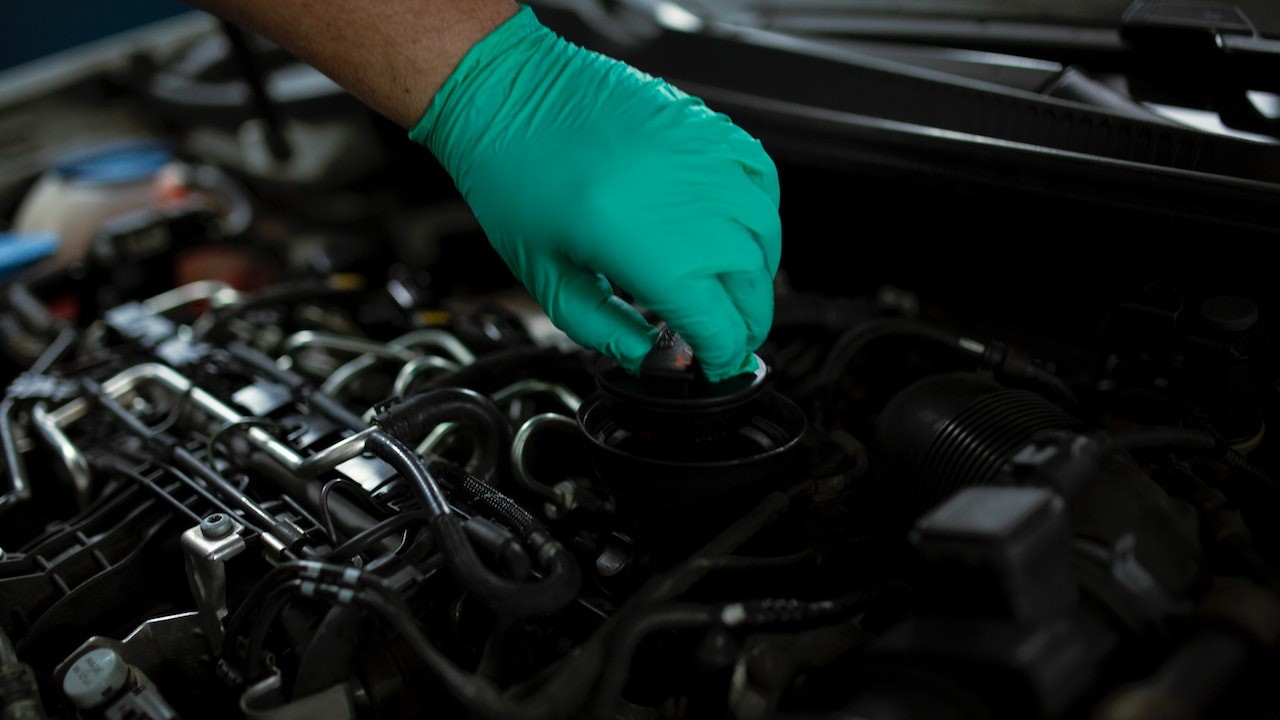
Car oil Change | Goodwill Car Donations Photo by Fatih Erden under Pexels License

How to Tell If Your Engine Is Burning Too Much Oil

High oil consumption can be detrimental to your engine, which could shorten its lifespan. If you notice your engine using up more than the required amount of oil during normal operating conditions, expect your car to encounter some trouble while you drive.

Increased oil consumption is caused by poor oil quality, oil leaks, loss of oil ring mobility, and defective crankcase ventilation — just to name a few factors. Once you realize that your engine is burning too much oil, it’s best to bring your car to the repair shop.

The question is, how can you tell if it is indeed burning too much oil? Goodwill Car Donations points out the following signs of excessive oil consumption in your car:

  1. Blue or grey smoke appearing

If you see blue or grey smoke coming out of your exhaust pipe, it’s possible that engine oil has entered the combustion chamber and is burning away. However, this can also be due to other factors such as damaged cylinder walls or worn piston rings.

  1. Topping up more frequently than usual

Been finding yourself needing to top up your oil level more often? If so, you can assume that your car is consuming too much oil. The same goes if you notice your oil level gradually dropping over time.

  1. Unusual noise from your engine

At some point, you may hear a strange sound coming from your engine. A knocking or ticking noise usually means you’re running low on oil. The noise is caused by metal parts rubbing together without enough lubrication.

  1. Failing coolant

Coolant deterioration is another sign that you’re losing engine oil. This occurs when your engine comes in contact with the cooling system, resulting in excessive oil consumption. The mixture of oil and coolant also affects heat transfer.

  1. Engine running hotter than normal

A temperature gauge that’s reading higher than usual is another sign that your engine is consuming too much oil. Since an abnormally hot engine can cause major damage, you need to have this fixed by a professional ASAP.

If you notice any of these signs, drive your car to your trusted mechanic right away and have them check your oil consumption. Excessive oil consumption can be caused by a variety of things, so it’s best to have a professional diagnose the problem.

Not Sure What to Do with Your Troublesome Car? Here’s a Sure Winner of a Solution!

Getting stressed over your car consuming too much oil and exhibiting other signs of deterioration? Frustrated that its costly repairs didn’t work out for long? Put an end to your car troubles and find peace of mind by letting that vehicle go. Donate it to us at Goodwill Car Donations, and you’ll be freeing yourself from your car woes while making a difference in your community at the same time.

We’ll use your donation to improve the lives of the disadvantaged residents of your community. These are the men and women living among you who are suffering from disabilities, lack of education, job experience, or essential skills, and other personal issues that keep them chained to a life of poverty.

We’ll have your vehicle auctioned off, with the proceeds used to support the life-enhancement programs and services being delivered by the Goodwill organizations serving your local area. These IRS-certified 501(c)(3) nonprofits cater to disadvantaged individuals, providing them with job and skills training, employment opportunities, scholarships, livelihood assistance, disability benefits, family support, educational services, financial assistance, and other essential support services.

Expect to receive your 100% tax-deductible sales receipt by mail soon after your vehicle’s auction. You’ll need it to claim your top tax deduction in the next tax season.

Also, you can take advantage of our free towing service, which we offer our donors throughout the country. It’s up to you to pick the time, date, and place for this.

Best of all, your gift will allow you to savor the satisfaction of serving your community by helping empower your less fortunate neighbors.

We accept almost all types of vehicles whatever their ages or conditions.

For more information about our vehicle donation program, including our quick and easy donation process, feel free to visit our FAQs page. If you have questions or concerns, call us anytime through our toll-free hotline at 855-588-2477 or message us here.

Give Your Old Beater a New Purpose Today!

Silver Sedan parked near house | Goodwill Car Donations Photo by Erik Mclean under Pexels License

If you own a vehicle that no longer serves your purpose, it’s time to give it a new one — one that can uplift the lives of the struggling folks in your area. Donate that vehicle by calling Goodwill Car Donations at 866-233-8586 or filling out our secure online donation form now!