Don’t Do These 4 Things If You Want Your Car to Retain Its Value

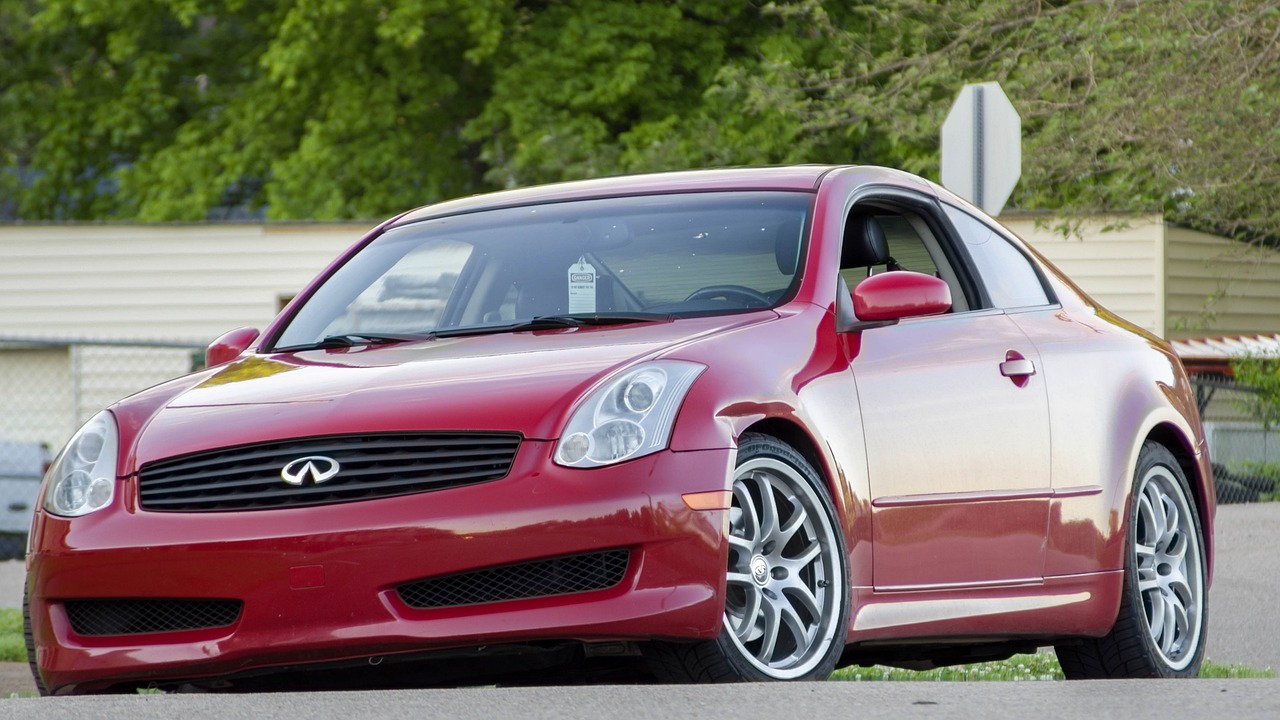
G35 Infiniti Car Coupe Red Sporty Automobile | Goodwill Car Donations Photo by Bromine under Pixabay License

Learn How to Minimize Your Car’s Depreciation

Did you know that a new car loses 11% of its value as soon as it exits the car dealership? Not only that, but in the next five or more years, it loses another 15% to 25% of its original value annually.

However, while you can’t stop your vehicle from losing its original value after a few years of use, you can minimize its depreciation value.

The Mistakes You Need to Avoid

Goodwill Car Donations points out the top things you should avoid doing to retain your vehicle’s value. By doing these, you can make sure that you’ll get the maximum trade-in value for your vehicle should you decide to switch to a newer model later on:

  1. Leaving your vehicle’s documents all over the place

You should keep all your vehicle’s documents and receipts because they could come in handy when you decide to put your car up for sale. The potential new owners may ask for the official receipt, registration, service booklet, ownership history, and other pertinent documents about the vehicle.

However, avoid keeping the documents in the same place as where you keep your other paperwork. Put all your car documents in one folder and keep this folder in a place where you can easily find it. If you lose any of the documents that a potential buyer asks for, they might decide to back out and drop the deal.

  1. Overlooking the importance of car maintenance

It’s called car maintenance for a reason. Making sure that you schedule regular maintenance appointments for your vehicle will ensure that it will stay in tip-top condition. Taking it in for its regular check-ups also allows you to spot potential problems in their early stages where they’re still easily repairable. The sooner the issues are fixed, the lesser their chances of creating serious damage that can drastically decrease the value of your car.

  1. Not cleaning your car often

Dust and dirt can easily settle in your car’s interior. If these are left alone for a long time, they can contribute to the wear and tear of your precious vehicle. Additionally, smoking in your car will cause the smell of tobacco to stick to the fabric, leather, and other surfaces. Dirt and tobacco smell could prompt a dealer or buyer to take hundreds or thousands of dollars off the original value of your car.

It’s also important to take the time to clean your car as often as needed as part of your regular auto maintenance. Use a vacuum cleaner to keep the surfaces clean and remove any dirt that might have settled in hard-to-reach places. A spotless vehicle will give you better chances of retaining the trade-in or market value of your vehicle.

  1. Not repairing damages/scratches sooner

The exterior of a car also plays an important part in its valuation. Your prospective buyer or dealer would be attracted to a pristine-looking exterior. They wouldn’t like to see dents or scratches on it.

If your car has suffered a few dents or damages, it’s better to have them fixed immediately before they cause irreparable damage that could bring down your car’s resale value. Make sure that your car’s exterior is in its best form by investing in ceramic paint protection products or waxing your car at least once a month to keep it nice and shiny.

A Small Act of Charity Can Make a Big Difference

If you’re looking to dispose of a vehicle that you no longer want or need, consider donating it to us at Goodwill Car Donations. This small act of charity can make a big difference in the lives of the disadvantaged and impoverished people in your community.

We’ll have your car auctioned off, with the proceeds going toward the life-enrichment programs of the Goodwill organizations serving your area. These IRS-approved 501(c)(3) nonprofits are dedicated to helping disadvantaged Americans — those who are burdened with disabilities, lack of education, job experience, or essential skills, and other limiting personal circumstances, such as having prison or police records, or being welfare-dependent.

Your local Goodwill organizations use the funding we give them to provide their beneficiaries with financial assistance, disability benefits, family support, vocational services, scholarships, skills training, job and livelihood opportunities, internship programs, and other vital support services.

In return for your donation, you’ll get our fast and free towing service from any point in the country plus the privilege of claiming the highest possible tax deduction in the next tax season.

Best of all, you’ll find great satisfaction in knowing that your donation will help empower the underprivileged residents of your community to realize their full potential, enabling them to live productive and fulfilling lives.

Don’t hesitate to donate any type of vehicle whatever its age or working condition. Visit our FAQs page, leave us a message here, or call us anytime through our toll-free hotline at 866-233-8586 to learn more about our donation process.

Start Transforming Lives Today!

A Person Holding Another Person's Hand | Goodwill Car Donations Photo by Timur Weber under Pexels License

Ready to retire your old and unwanted vehicle and start transforming lives in your community? Call Goodwill Car Donations at 866-233-8586 or fill out our secure online donation form now!
How to Deal with Frozen Windshield Wipers

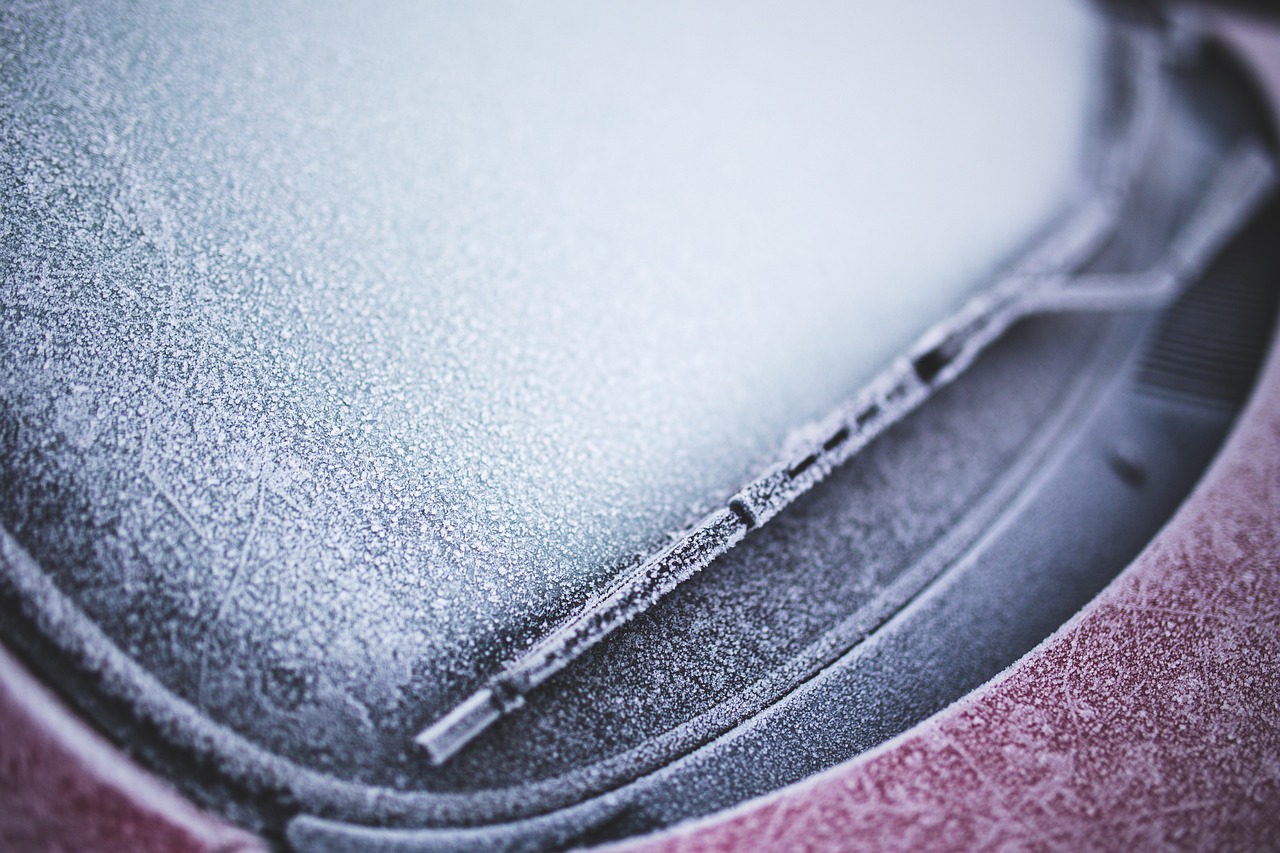
Frozen Windshield | Goodwill Car Donations Photo by kaboompics under Pixabay License

Don’t Let Frozen Windshield Wipers Ruin Your Day!

There’s nothing more frustrating than having to scrape ice off your frozen windshield and windshield wipers on a cold winter morning, especially when you’re running late for school or an important meeting. These depressing sights can throw a wrench in your plans for the day.

Tips to Help You Handle Frozen Windshield Wipers

Since frozen windshields and wiper blades can be a hassle, you’ll want to learn how to deal with this common issue. Otherwise, you can’t drive safely under this condition. Goodwill Car Donations shares some easy and simple ways to fix this annoying winter vehicle problem.

  1. Turn on the defroster button.

Turn on your vehicle’s defroster to melt some ice off the wiper and windshield. Since defrosting takes time, you’ll need to do it a few minutes before you hit the road. By the time you need to leave, the wipers will hopefully no longer be stuck on the windshield.

  1. Switch to winter-specific windshield fluid.

The windshield fluid you used during summer may not be the best fluid to use in wintertime. Summer windshield fluid can freeze your windshield and wipers during winter. For this reason, be sure to switch to a winter-specific windshield fluid when the temperature starts dropping.

  1. Spray a defrosting solution.

Spraying a de-icing solution on your blades can help them thaw faster. Once they’re thawed, you can easily separate them from your windshield.

  1. Use full-strength rubbing alcohol to defrost your windshield wipers.

If you don’t have a defrosting solution available, you can always concoct an alternative defrosting solution. Simply soak a soft cloth with a mix of 1/3-part water and 2/3-part isopropyl alcohol and wipe your wiper blades with it.

While this homemade solution may not defrost the entire wiper blades right away, the rubbing alcohol will prevent the wipers from sticking into the windshield, allowing you to use them while driving.

Tips to Avoid Frozen Windshield Wipers

The best way to handle frozen windshield wipers is to prevent the problem from occurring in the first place. Below are some preventive measures you can follow to avoid frozen wipers and the damages associated with them.

  1. Cover your windshield.

Covering your windshield with a piece of cloth, carpet, or even cardboard boxes can prevent ice from forming and freezing on your windshield and wipers. You can also park your vehicle inside a garage to keep ice off your windshield and prevent freezing.

  1. Cover your wipers with socks.

Aside from covering your car, you can also cover both wiper blades with long socks to keep them from sticking to the windshield overnight.

  1. Replace your blades every 6-12 months.

Since wipers get worn out, it’s best to replace them every 6 to 12 months. If you’ve been using your windshield wipers for over a year, they may have become brittle. Brittle wiper blades are less likely to survive harsh winter days.

Do a Good Deed This Winter!

If your car has more irritating problems than just frozen windshield wipers, you might want to get yourself a brand-new ride. Instead of selling your old beater or driving it to the nearest car graveyard, consider donating it to us at Goodwill Car Donations. We’ll give it a new and worthy purpose that will uplift the lives of the disadvantaged folks in your community.

We’ll fix it, sell it through an auction, and use the proceeds to support the critical community-building programs and services of the Goodwill organizations serving your area. These IRS-certified 501(c)(3) nonprofits cater to people who are burdened with disabilities, lack of education, job experience, or essential skills, and other limiting personal issues, such as having prison or police records or being welfare-dependent.

Your local Goodwill chapters will use the funding they get from us to provide the beneficiaries in your area with job and skills training, employment opportunities, scholarships, livelihood assistance, disability benefits, family support, educational services, financial assistance, and other essential support services.

In exchange for your car donation, you’ll get free pickup and towing no matter where your car is parked or stored in the country. In addition, your good deed will entitle you to claim the highest possible tax deduction in the next tax season.

Best of all, you’ll have a deep sense of personal fulfillment, knowing that you’re making a difference in other people’s lives.

We accept almost all vehicle types, including those that barely run.

Feel free to check out our FAQs page or leave us a message here to get more information about our simple and convenient donation process. For your questions and concerns, call us anytime through our toll-free hotline at 866-233-8586.

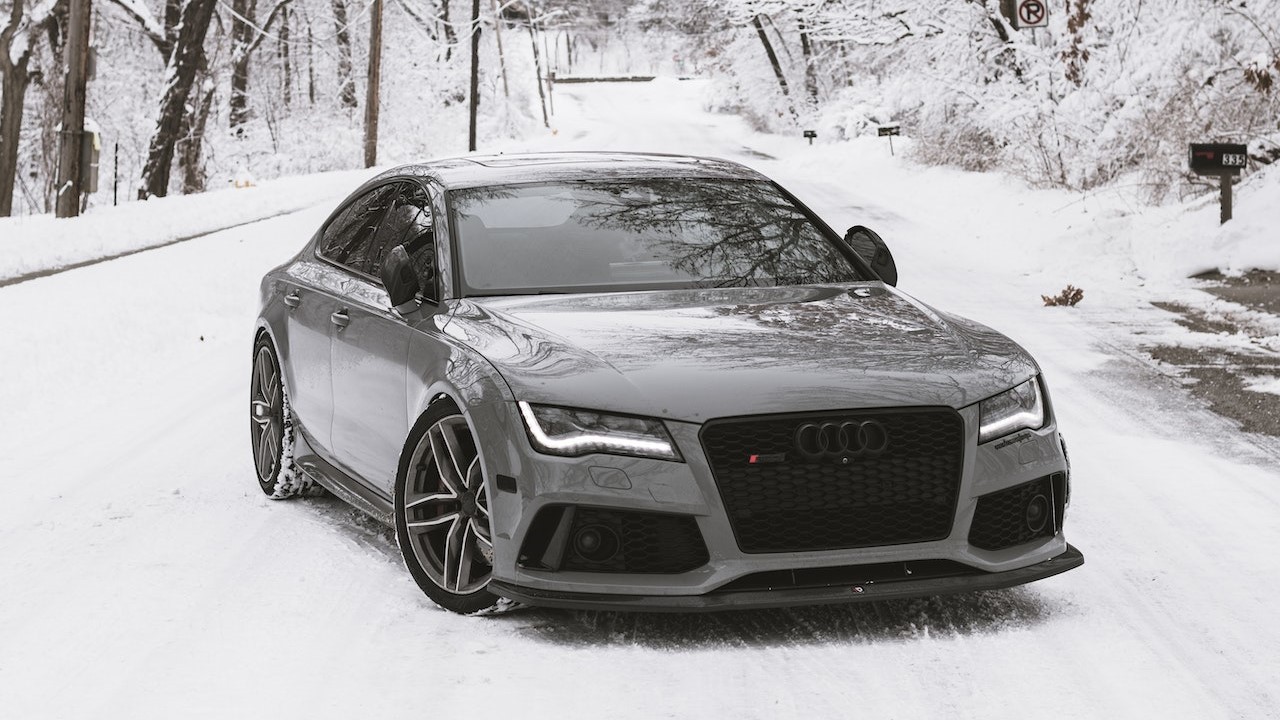
Gray Car Parked on Snow Covered Road | Goodwill Car Donations Photo by Lee chinyama under Pexels License

Help Change Lives Today!

Are you ready to make a massive impact in your community? Your car donation can certainly do that. Call Goodwill Car Donations at 866-233-8586 or fill out our secure online donation form now!

Starter Motor Failure: 5 Signs That It’s About to Give Up

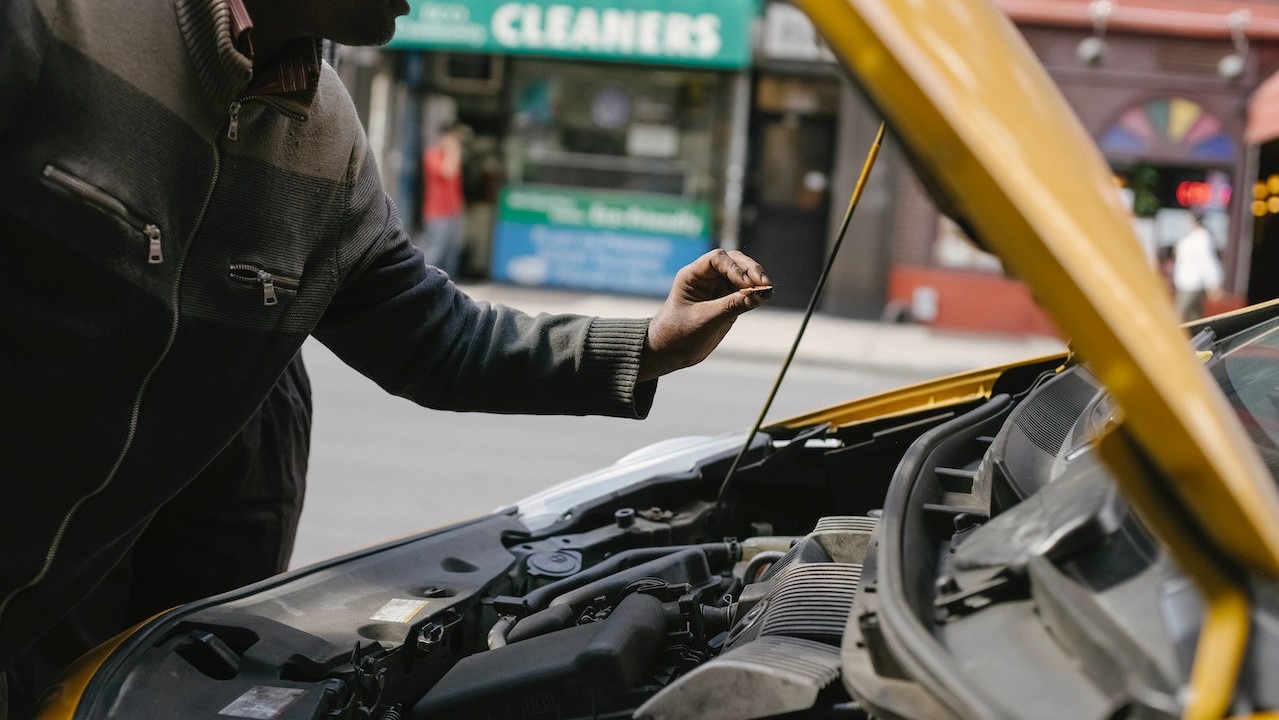
Man checking the engine of a car | Goodwill Car Donations Photo by Andrea Piacquadio under Pexels License

Having Trouble Starting Your Car?

Your starter motor is responsible for the kinetic kick that gets your car engine revving and running. In other words, you just can’t go anywhere when your starter motor gives up on you.

Like any other key components of your vehicle, the starter motor will show signs of failing before it conks out. You can still save this little powerhouse by addressing the signs it gives ASAP. Once you notice any of them, take your car to a trusted auto technician immediately to avoid further damage.

So, what signs should you be keeping an eye on? Goodwill Car Donations shows what they are below:

  1. The engine won’t start.

The most common indicator of starter motor failure is that nothing happens when you turn the ignition key or press the start button. This is typically caused by a burned-out solenoid or motor, though a dead battery may also be to blame in some instances. Whatever the real reason is, make sure to have your car inspected by a specialist.

  1. You hear a grinding or clicking noise.

If you hear odd grinding or clicking noise when turning the key or hitting the start button, this may mean that your starter motor is about to call it quits. Worn components of your starter will cause it to produce a noise similar to what you hear when you re-engage the ignition switch after starting the engine.

As soon as you experience this issue, ask your mechanic to look into it and, if warranted, replace your starter with a new one to avoid damaging the flywheel. Otherwise, you could end up shelling out a chunk of dollars to get the flywheel fixed.

  1. You see or smell smoke.

As with any other mechanical system, the starter motor is powered by electricity. This means that excessive and continuous power can cause it to overheat. You’ll then notice smoke coming from the engine bay. Possible causes of this include a blown fuse, a bad ignition switch, or a short circuit. You need to contact your mechanic the moment this happens.

  1. The starter stays engaged after you start the engine.

Once your engine fires up, you automatically release your key from the start position or remove your finger from the start button. Your motor should already be off after that. If it still keeps going, it most likely means that there’s a major problem somewhere in your system’s electrical circuitry. Get it checked quickly or it can affect other components.

  1. Your car experiences intermittent start issues.

If your engine fails to start instantly after turning the key but works fine when you try again, you probably have a faulty starter relay. The starter relay either sends full electrical current or nothing at all to the starter. With intermittent issues being much trickier to fix, it’s best to bring your car to an auto repair shop to have it checked as soon as you can.

Is Your Car Giving You Persistent Headaches?

You can easily replace a defective starter motor. However, if your vehicle has an assortment of other mechanical issues that are stressing you out and burning a big hole in your pocket, the most practical thing to do is to get your hands off that machine.

What if we told you that despite its condition, your clunker can still be used for a meaningful purpose? When you donate it to us at Goodwill Car Donations, we will use that vehicle to uplift the lives of the disadvantaged and impoverished residents of your local community.

We will have your vehicle fixed the best way we can before putting it on the auction block. We’ll then use the proceeds to help finance the life enhancement and community improvement programs of the Goodwill organizations serving your area. These IRS-certified 501(c)(3) nonprofits cater to disadvantaged Americans — those who are saddled with disabilities, lack of education, essential skills, or job experience, as well as other limiting personal issues, such as being welfare-dependent or having past prison records.

Your local Goodwill organizations use the funding we give them to provide their beneficiaries with job and skills training, vocational services, scholarships, financial aid, disability benefits, family support, and other essential support services.

You’ll also benefit from your charitable contribution since this will entitle you to receive the maximum tax deduction in the next tax season. Plus, we’ll provide you with our free pickup and towing service at a date and place most convenient to you. Take note that we can collect your donation anywhere in the country.

Best of all, you’ll find matchless satisfaction in doing something that will benefit your entire community when once-idle residents attain financial stability and live productive and fulfilling lives.

We accept nearly all vehicle types, even those that are no longer running or working properly.

For information about our quick and easy vehicle donation process and other details, feel free to check out our FAQs page. If you have questions or concerns, don’t hesitate to call us through our 24/7 toll-free hotline at 866-233-8586 or contact us here.

Convert Your Beater into a Life-Changing Instrument Today!

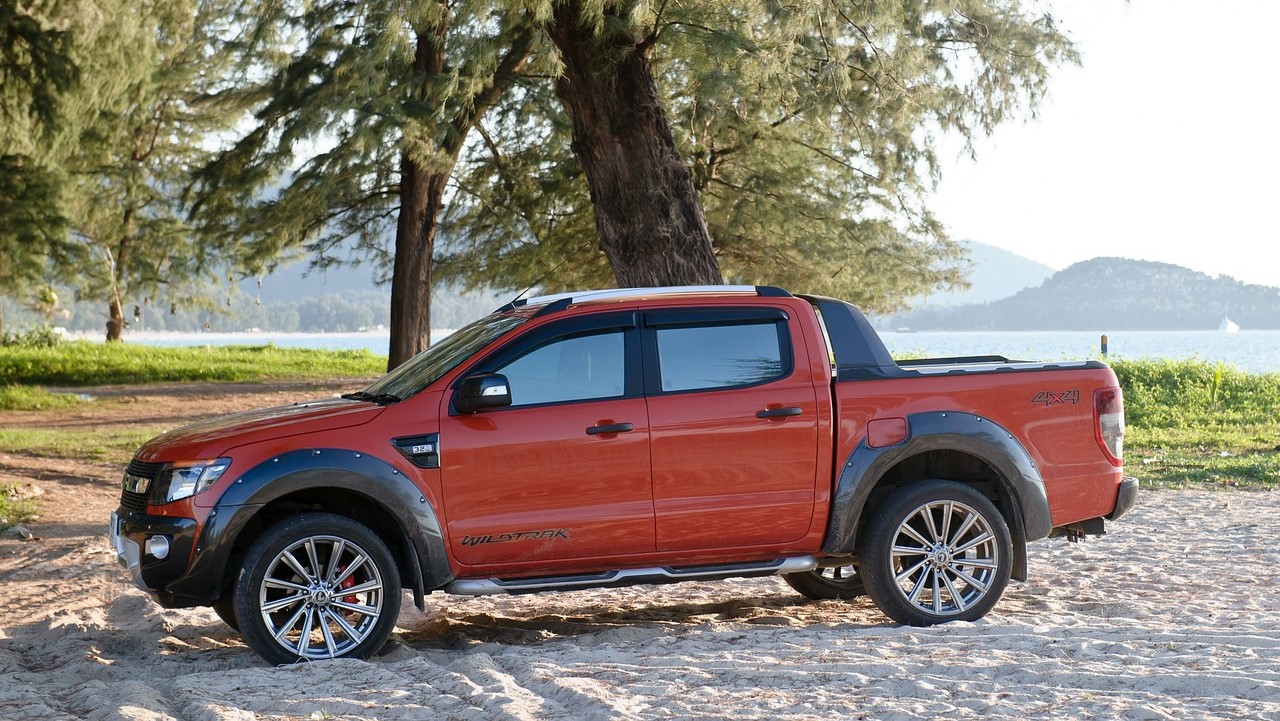
Orange wildtrak pick up parked at the beach | Goodwill Car Donations Photo by SookyungAn under Pixabay License

Free yourself from the hassles and dangers of driving a troublesome car while uplifting the lives of your underprivileged neighbors. Your auto donation will mean so much to them. Call Goodwill Car Donations at 866-233-8586 or fill out our secure online donation form now!

How to Protect Your Vehicle’s Undercarriage from Road Salt

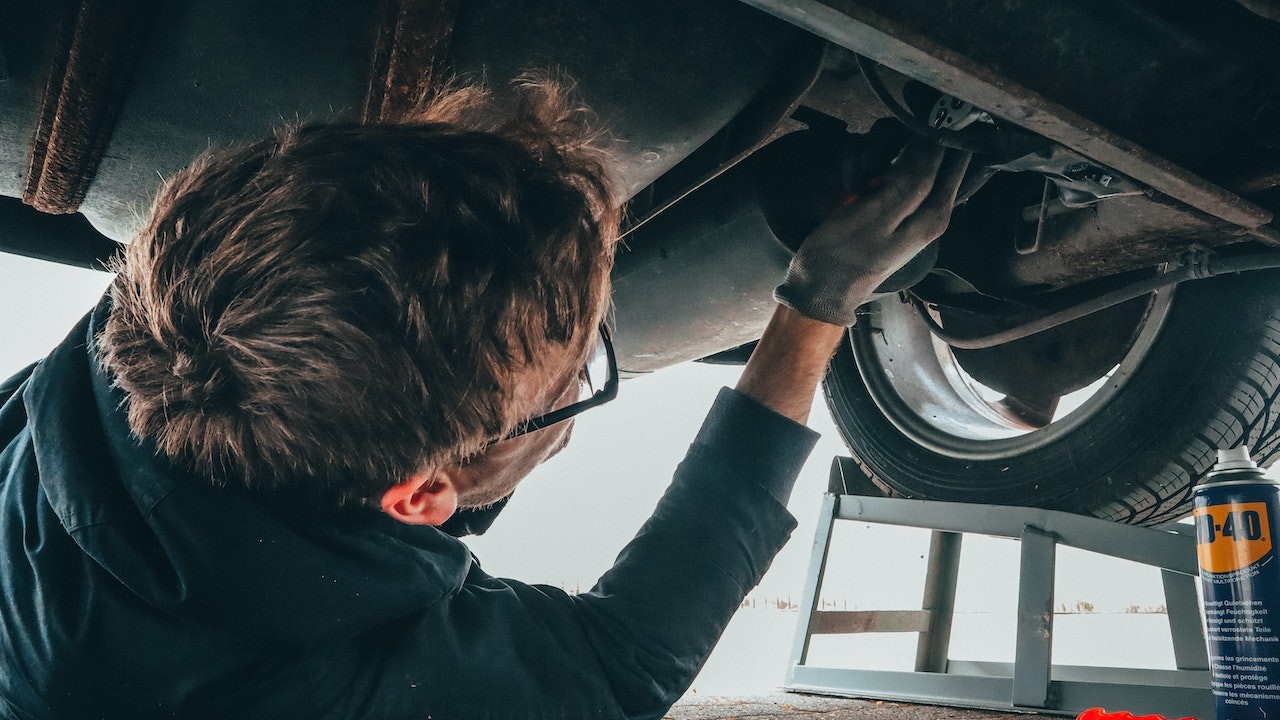
Car fixing underneath | Goodwill Car Donations Photo by Malte Luk under Pexels License

Keep Your Car’s Undercarriage Safe This Winter!

You’re probably familiar with road salting, a measure taken by the authorities to keep commuters safe on the road during winter. This is done particularly in areas where snow and ice are common during winter. Road crews sprinkle salt on roads to lower the water’s freezing point so ice won’t easily form and pose hazards to motorists.

Although this measure helps keep the roads safe, it can wreak havoc on your vehicle’s undercarriage when the salt gets into contact with it.


What You Can Do to Protect Your Car’s Undercarriage

Your vehicle’s undercarriage houses the engine, brake lines, fuel lines, and other vital components. Once the road salt sticks and builds up on them, it causes damage to these parts, eventually compromising your safety. To help you avoid this problem, Goodwill Car Donations shares the following tips on how you can protect your vehicle’s undercarriage from road salt and ensure safe winter driving.

  1. Avoid driving in deep snow.

Snow and salt can accumulate in your car’s undercarriage when driving in deep snow. In some cases, salt particles in the snow can get into the crevices, making it difficult to remove them. Once the salt particles settle in those spaces, they can react with the metal, creating rust and damaging your car parts.

  1. Don’t drive before, during, and after snowstorms.

Road crews typically lay road salt before a snowstorm. Besides being unsafe, driving before, during, and after these conditions exposes your undercarriage to a thick layer of salt.

  1. Avoid puddles.

Puddles are cesspools of dirt and road salt. As much as possible, avoid driving over them while on the road. Water with salt particles can splash into your car’s undercarriage, leading to potentially expensive damages.

  1. Wash your undercarriage regularly.

Unless you never drive during winter, it’s very difficult to prevent road salt from getting into your undercarriage. As salt is likely to stick to this area, wash it once every two weeks to avoid damage.

When doing this, you’ll need to use a pressure washer to remove accumulated salt, snow, and grime from essential car parts. You can use a garden hose if you don’t have a pressure washer. However, you might have to use additional scrubbing tools to remove hardened salt and dirt.

  1. Apply wax on the undercarriage.

Ideally, you should apply wax or sealants on the undercarriage of your car before winter. Doing so will help prevent salt buildup. For extra protection, you can also apply another layer of wax in the middle of winter after thoroughly washing your vehicle.

  1. Rust-proof your undercarriage.

Rust-proofing involves applying oil to your vehicle’s undercarriage, including in crevices where rust is less likely to be detected. If you live in an area with harsh winter weather conditions, you should consider rust-proofing since roads there will typically have thicker layers of salt.

An Excellent Way to Help Your Community’s Needy Folks

While keeping your car’s undercarriage safe from road salt, spare a thought for the needy individuals and families in your local area. These include those burdened with disabilities, lack of education, job experience, or essential skills, and other limiting personal circumstances, such as having prison or police records or being welfare-dependent.

You can provide life-changing support to these folks when you donate an unwanted vehicle to us at Goodwill Car Donations. We’ll use your donation to improve their living condition.

Our team will have your car auctioned off, with the proceeds used to support the life improvement and community development programs of the Goodwill organizations serving your area. These IRS-certified 501(c)(3) nonprofits use the funding they get from us to provide disadvantaged individuals with job and skills training, employment opportunities, scholarships, livelihood assistance, disability benefits, family support, educational services, financial assistance, and other essential support services.

In return for your donation, you’ll get our fast and free towing service from any point in the country plus the privilege of claiming the highest possible tax deduction in the next tax season.

Best of all, you’ll find great satisfaction in knowing that your donation will help empower the underprivileged residents of your community to realize their full potential, enabling them to live productive and fulfilling lives.

Don’t hesitate to donate any type of vehicle regardless of its age or working condition. Visit our FAQs page, leave us a message here, or call us anytime through our toll-free hotline at 866-233-8586 to learn more about our donation process.

Reach Out to Your Disadvantaged Neighbors This Winter!

Homeless man | Goodwill Car Donations Photo by MART PRODUCTION under Pexels License

Are you ready to give the needy new hope for a better life? Your car donation can help transform their lives. Call Goodwill Car Donations at 866-233-8586 or fill out our secure online donation form now!


Why Gas Prices and Inflation Are Related

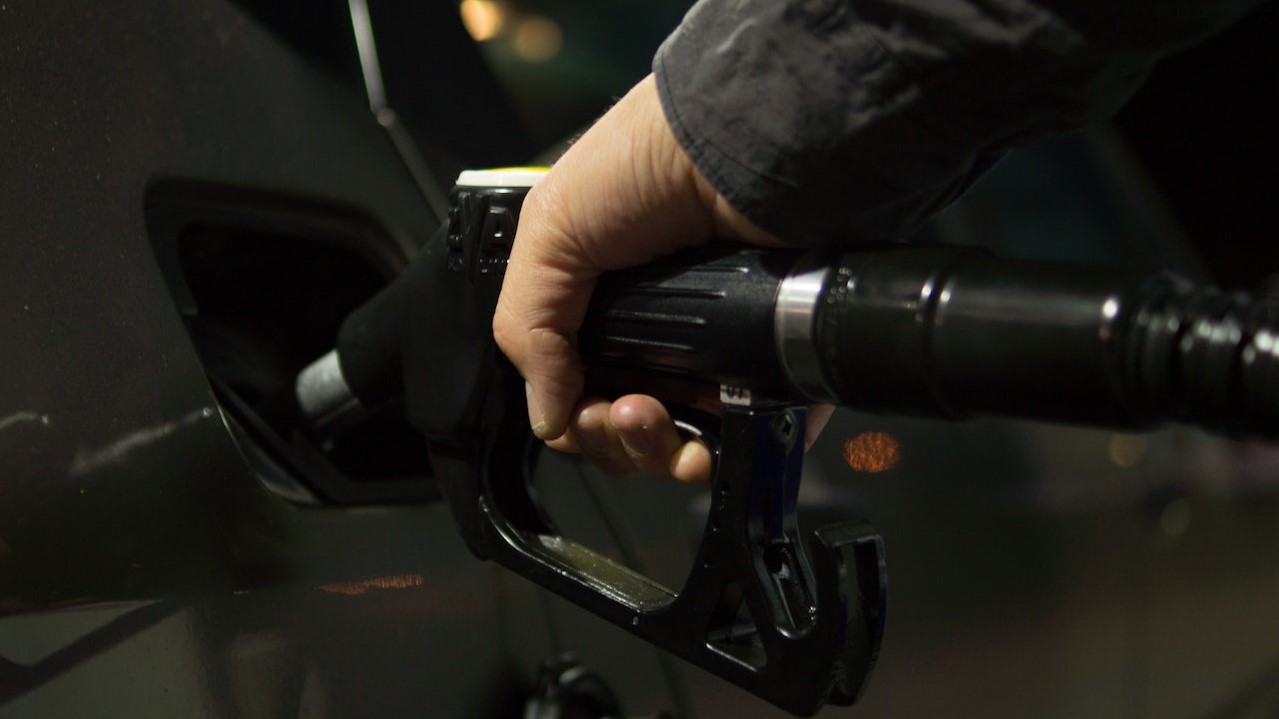
Holding Gasoline Nozzle | Goodwill Car Donations Photo by ClickerHappy under Pexels License

4 Things That Affect the Cost of Gasoline at the Pump

As we slowly get used to living in the new normal after surviving the worst of the pandemic, we are faced with a new challenge: the skyrocketing cost of goods due to inflation.

Inflation is generally defined as the rising cost of goods and the fall in the purchasing power of money. It means that as the prices of products increase, the value of the dollar shrinks. As a result, you can buy less than what you used to spend for the same amount.

As we take a look at the causes of inflation, we begin to realize that the cost of energy is one of the factors that contribute greatly to it.

Early this year, U.S. consumer price gains rose to a new 40-year high on rising gasoline prices as well as food and housing costs, according to a Bloomberg report. Inflation worsened further following Russia’s invasion of Ukraine. As the costs of production and transport grow, the additional costs are passed on to the consumers.


What Affects the Cost of Gas?

While it’s easy to blame the rising costs of power and gas as the main culprits for inflation, several factors come into play in terms of determining these costs. To better understand how gas prices are set, Goodwill Car Donations identifies some of the factors that affect the cost at the pump.

  1. Price of crude oil

The price of crude oil in the world market affects the cost of gasoline sold at the pump since crude oil is the primary component of gasoline. Supply issues drive up the prices and conflicts like wars and political issues disrupt the production and delivery of crude oil to other countries, resulting in higher prices. Fortunately, increased domestic petroleum production in the United States helps alleviate the country’s dependence on imported crude oil.

  1. Taxes

Federal, state, and local government taxes contribute to the retail price of gasoline. As of January 2022, total state taxes were estimated at 31.02 cents per gallon.

  1. Refining cost and profit

One of the major expenses of oil companies is the refining cost as different gasoline types are processed through different technologies. The cost of other ingredients blended into gasoline is also factored into the cost at the pump. Oil companies also have to add on to the costs to turn up a profit and stay in business.

  1. Distribution

Transport and marketing costs also add to the cost of fuel at the pump. After the refining process, gasoline is delivered by tanker trucks to gasoline stations.

A Practical Solution to Your Car Woes

If you are driving an old and fuel-inefficient car, you must be reeling from the double whammy of rising fuel prices as well as the frequent costly repairs of that vehicle. If you are thinking of giving up your gas guzzler and upgrading to a more fuel-efficient auto, we have just the right suggestion for you: Consider donating your old ride to us at Goodwill Car Donations.

We will quickly and conveniently free you from the hassles of keeping such a problematic vehicle while giving you a great opportunity to be of service to your community.

Our team will auction off your donated automobile, with the proceeds going to the Goodwill organizations serving your area. These IRS-approved 501(c)(3) nonprofits cater to disadvantaged Americans — those who lack education, job experience, or essential skills, as well as those who are burdened with disabilities and other limiting personal issues, such as being welfare-dependent and having past prison or police records.

Your local Goodwill organizations use the funding they get from us to provide their beneficiaries with job and skills training, employment opportunities, scholarships, livelihood assistance, disability benefits, family support, educational services, financial assistance, and other essential support services.

As a Goodwill donor, you’ll have the privilege of enjoying our fast and free towing service wherever you are in the country.

Your gift will also entitle you to receive the highest possible tax deduction in the next tax season.

However, the best part about making a charitable contribution to us is the priceless satisfaction you’ll feel, knowing that your donation will be used to improve the lives of the underprivileged people in your community and empower them to succeed in life.

We accept nearly all vehicle types, including those that are no longer in good condition.

To get to know our quick and convenient donation process, check out our FAQs page. If you have questions or concerns, tell us about them here. We will respond to you within 24 hours. You may also give us a call through our 24/7 toll-free hotline at 866-233-8586. We’d be happy to hear from you.

BMW Parked | Goodwill Car Donations Photo by Jonathan Daniels under Unsplash License

Give Your Old Auto a New and Worthy Purpose Today!

Your unwanted car can help transform the lives of the disadvantaged locals in your area. Donating it to us can help create new jobs and break the barriers to success and progress in your community. Call Goodwill Car Donations at 866-233-8586 or fill out our secure online donation form now!

Why Donate Your Vehicle Before December 31st?

Reasons Why Charities Encourage Car Donations Before the Year Ends | Goodwill Car Donations Photo by revac film’s&photography under Pexels License

Top 5 Reasons Why Charities Encourage Car Donations Before the Year Ends

Do you live in a snowy state? Until you get rid of that old beater in your garage before the first snowflake falls, you probably won’t be as excited about the winter season as everyone else. Be glad to know that you can easily dispose of that unwanted vehicle by donating it to support a worthy cause while getting free towing services and entitlement to claim the highest possible tax deduction!

Do you wonder why charitable organizations encourage donors to donate their vehicles before midnight on December 31st? Goodwill Car Donations has compiled the top reasons why that makes a lot of sense.

  1. You get to claim your tax deduction in the quickest time possible.

When you donate your vehicle to an IRS-approved 501(c)(3) nonprofit on or before December 31st this year, you can claim the tax deduction on it on or before the April 18th tax-filing deadline next year. You’ll qualify for a tax write-off even if your car gets picked up a few days later. As long as you donate by 11:59 PM on December 31st, you’re qualified for the deduction.

If you make your donation after the December 31st tax deduction cutoff date, you’ll have to wait for the next tax-filing season in 2024 before you can claim your tax deduction.

  1. Free yourself from plowing and shoveling around an unwanted car.

You wouldn’t want to spend the last day of the year clearing up snow around a vehicle you’re no longer using. Donating your vehicle before December 31st frees you from worrying about shoveling and plowing. Best of all, it allows you to celebrate New Year’s Eve with your family without worrying about your car.

  1. Free up space.

An unused car takes up valuable space in your driveway or garage. Getting rid of it allows you to use the extra space for your kids’ play area or your brand-new vehicle that you intend to buy at the start of the New Year.

  1. Avoid damage caused by snow-related damages.

Snow can create significant damage to any vehicle. If you’re planning to either sell or donate your old car, you’ll want to do it before it gets snowed in and incurs damage as a result. A damaged vehicle will naturally be much more difficult to sell at a good price and will sell for less at an auction if you decide to donate it to a charity. If it sells for less, that means the tax deduction you can claim from it will also be lesser. In addition, donating a vehicle in good condition ensures safe journeys for whoever gets to buy and drive your car next.

  1. You get to send relief to the needy and underprivileged.

Aside from the hefty tax deduction, the biggest reward of donating a vehicle to charity is that you get to help the less fortunate people being served by that charity. By donating your old, run-down vehicle, you get to make the holiday season a memorable one for them.

End The Year With a Good Deed!

If you’re looking to contribute to the growth and development of your community before the year is over, turn over your unwanted vehicle to us at Goodwill Car Donations on or before December 31st. We’ll use your donation to empower the struggling disadvantaged residents of your community so they can live healthy, productive, and fulfilling lives.

We’ll have your auto auctioned off with the proceeds going straight to the Goodwill organizations serving your area. Just like us, these IRS-approved 501(c)(3) nonprofits are dedicated to helping people burdened with disabilities, lack of education, job experience, or essential skills, and other limiting personal issues, such as having prison or police records and a welfare mindset.

Your local Goodwill organizations use the funding they get from us to provide their beneficiaries with job and livelihood opportunities, skills training, vocational services, scholarships, financial assistance, disability benefits, family support, and other vital support services.

Making a Goodwill car donation is super easy. You’ll be taking the easiest route to dispose of your unwanted auto while getting your fair share of rewards. We’ll pick up and tow your vehicle for free anywhere in the United States. Your donation will also entitle you to receive the maximum tax deduction in the next tax season.

Moreover, your act of charity will bring you an immense sense of satisfaction, knowing that you’ll be making a difference in your community by empowering your needy fellow residents through work and learning.

You can donate not just a car but also a truck, motorcycle golf cart, farm tractor, and almost any other type of vehicle, including a boat. We’ll welcome whatever type of vehicle you can donate regardless of its age or condition.

Interested to know more? Find more information about Goodwill Car Donations, including our quick and simple donation process, by visiting our FAQs page. You can also give us a ring anytime through our toll-free hotline at 866-233-8586 or contact us here.

End The Year With a Good Deed | Goodwill Car Donations  Photo by Lukas under Pexels License

Start Changing Lives Today!

Become the hero you were meant to be! Help your disadvantaged neighbors turn their lives around this holiday season with your car donation. Call Goodwill Car Donations at 866-233-8586 or fill out our secure online donation form before December 31st!


Winterizing your RV? Avoid These 5 Common Mistakes!

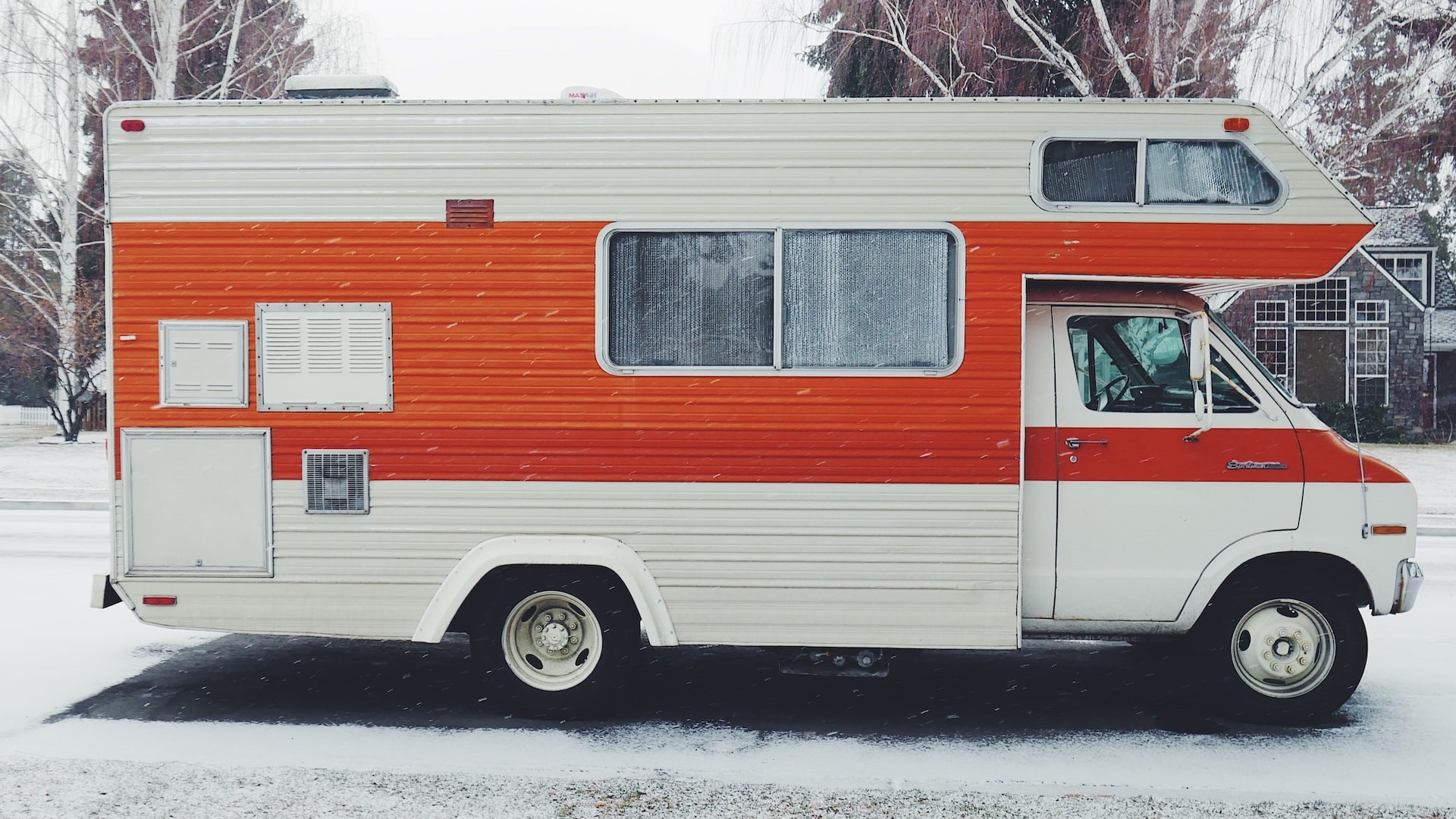
Orange and White RV by Snow | Goodwill Car Donations Photo by Frankie under Unsplash License

It’s Time to Prepare Your RV for its Winter Hiatus!

Winter’s just around the corner, and once again you face the task of preparing your RV for its annual hiatus. RV winterization can be tedious, but taking shortcuts isn’t an option. However, if you want to keep your vehicle in the best possible shape until your next summer trip, you’ll need to winterize it properly.

Mistakes to Avoid When Winterizing Your RV

The last thing you’d want is to miss a few essential details while getting your precious RV ready for winter storage. Goodwill Car Donations has compiled the following common RV winterization mistakes that you should avoid:

  1. Overlooking your RV’s tires

When temperatures reach near freezing, the pressure inside the tires expands, causing premature wear and tear. For this reason, you wouldn’t want to be that RV owner who forgot to winterize their tires. Otherwise, your tires will continue to expand until they eventually burst. Unless you’re willing to run the risk of spending your hard-earned money on expensive RV tire replacements, it’s best to lower the pressure on each of the tires before putting them away for winter.

  1. Leaving water on the tank and pipes

RV owners should not forget to drain the water from their RVs when putting them away for winter. Water left in the tanks and pipes of a motorhome can expand when the temperature drops. Consequently, the pipes and septic tanks could burst, causing damage to the vehicle and creating a biohazard.

In draining the pipes and tanks of your RV, you’ll want to use an air compressor to eliminate even a small amount of water remaining inside them.

  1. Skipping the antifreeze

After removing all the water from the pipes and tanks, you should apply antifreeze to protect them. Since antifreeze lowers the water’s freezing point, it prevents damage caused by ice formation. You’ll want to run it through every hot and cold line, including the toilet pipes.

However, avoid using too much antifreeze to avoid wreaking havoc on your engine’s wiring and electrical system. Two gallons of antifreeze should be enough no matter the size of your RV.

  1. Leaving your RV uncovered

Keeping your RV covered during winter is always a smart idea. The sun’s UV rays in winter can be as damaging as they are in summer. Be sure to cover the tires as well. Doing so will save you the expense of purchasing new tires when winter’s over.

  1. Forgetting to drain all the fuel in the generator

RV owners often use generators to have electricity. If you use one, be sure to drain all the fuel before storing your RV for the winter. Failing to do so could result in clogging, which would reduce your generator’s efficiency and functionality. Worse, retained fuel and constant clogging might irreversibly damage your generator, requiring you to buy a new one.


Reach Out to the Needy in Your Community!

If you’ve grown tired of winterizing your old RV or if it’s time to retire it, consider handing it over to us at Goodwill Car Donations. We’ll turn your unwanted vehicle into a life-changing tool for the struggling disadvantaged folks in your local area.

We’ll sell it through an auction and use the proceeds to support the life-enhancement programs of the Goodwill organizations serving your community. These IRS-approved 501(c)3 nonprofits are dedicated to raising the quality of life of individuals who are saddled with disabilities, lack of education, job experience, or essential skills, and other limiting personal circumstances, such as being a former inmate or welfare-dependent.

Your local Goodwill nonprofits provide their beneficiaries in your area with job and skills training, employment opportunities, scholarships, livelihood assistance, disability benefits, family support, educational services, financial assistance, and other essential support services.

In return, we’ll collect your vehicle for free no matter where you had it stored or parked in the country. We’ll also send you your vehicle’s 100% tax-deductible sales receipt, which you can use to claim the highest possible tax deduction in the next tax season.

Above all, you’ll experience the joy of knowing that you’re empowering the needy to use their full potential to attain healthy and productive lives.

We accept nearly all vehicle types, including those that are no longer in condition.

For more details about our easy and convenient donation process, visit our FAQs page. You can also call us through our 24/7 toll-free hotline at 866-233-8586 or leave us a message here for your inquiries or concerns.

Making a Difference Today | Goodwill Car Donations  Photo by Markus Spiske under Unsplash License

Make a Difference Today!

Use your unwanted vehicle to transform the lives of your less fortunate neighbors! Call Goodwill Car Donations at 866-233-8586 or fill out our secure online donation form now!


Checklist for Selling Your Boat

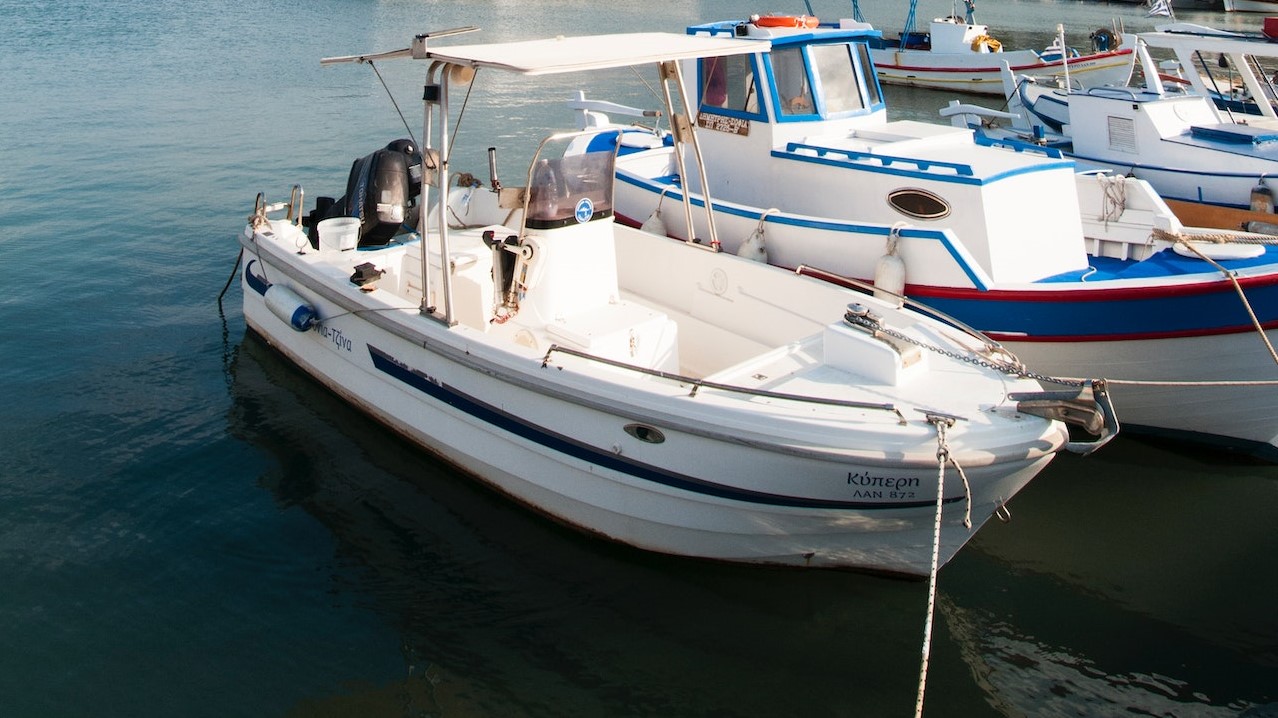
Motorized boats moored on lake under cloudy sky in port | Goodwill Car Donations Photo by Yuliya Kosolapova under Pexels License

Planning to Sell Your Boat? We Can Help!

So, after years of sailing and exploring the sea with your beloved boat, you’ve realized that it’s finally time to let go of it. The question is, where do you begin? How can you find a potential buyer and ensure that they’re not taking advantage of you?

Selling a used boat privately can be a daunting task, especially if it’s your first time. Fortunately for you, Goodwill Car Donations is here to help you with the ins and outs of boat selling.

  • Step 1: Gather all the necessary documents.

Before anything else, let’s talk about your boat’s service records and other documents. Make sure that you have the bill of sale, title, proof of any loan payoff, and, if applicable, a trailer registration and trailer title. You’ll need them for two reasons: writing your online listing description and proving ownership.

  • Step 2: Clean your boat.

Once you’ve compiled all those papers, your next move is to get your vessel in tip-top shape. You’ll want it to look its best so it can grab everyone’s attention in just a snap. For that, here’s a quick guide to follow:

  • Thoroughly clean the interior and exterior of your boat.
  • Fix minor cosmetic and mechanical problems.
  • Book your engine in for a service.
  • Disinfect surfaces for in-person showings.
  • De-clutter the boat to clearly display the space onboard.
  • Check and repair your boat trailer if possible.
  • Step 3: Take photos of your boat.

If you’re extremely pleased with your boat’s makeover, you may now take it for a photoshoot. See to it that your images are of the highest quality, although you don’t really need to hire a pro. Using an iPhone or any other smartphone will do.

Look for an attractive, uncluttered spot for the best possible imagery. Avoid shooting in direct sunlight as it can cause glares and odd shadows that can distort the boat’s appearance. Ideally, you can shoot during the golden hour or in the morning when the sun rises.

  • Step 4: Determine your boat’s value.

The factors that determine the value of a pre-owned boat include its age, size, and model. You’ll also have to consider its equipment and condition. You can use resources like Boat Trader’s boat price checker tool to quickly find the value of your boat.

  • Step 5: Price your boat accurately.

As much as you want to get the highest price for your boat, you want to be as reasonable as possible to avoid scaring potential buyers away. In case you’ve made extensive modifications that have greatly increased your boat’s value, highlight those points within your listing description. Most accessories don’t tend to affect the price, so make sure that you deliberately think it through.

  • Step 6: List your boat online.

Finally, you’re all set to put your boat on the market. While we suggest you cast a broad net, it’s also a good idea to focus on the places where boaters browse, such as the following: boats.com, Boat Trader, Yacht World, eBay, Craigslist, and Facebook.

A Great Alternative to Selling Your Boat

If you’re having second thoughts about selling your boat and you want to dispose of it differently, we have the perfect solution for you: Donate it to us at Goodwill Car Donations! Doing so eliminates all the hassles and costs of getting your boat fixed, and you don’t have to wait for months for a buyer anymore. We’ll take it from you whenever you want!

Even better, you’ll be helping us improve the living conditions of the disadvantaged folks in your local community. They are those who are saddled with disabilities, lack of skills and education, and other personal adversities that prevent them from accessing opportunities for gainful employment and living a poverty-free life.

We’ll auction off your boat, with the proceeds going straight to the Goodwill organizations serving your local area. These IRS-certified 501(c)(3) nonprofits use the funding sourced from our vehicle donation program to assist disadvantaged Americans all over the country, providing them with job and skills training, employment opportunities, scholarships, livelihood assistance, disability benefits, family support, educational services, financial assistance, and other essential support services.

Donating to Goodwill Car Donations means getting your unwanted boat picked up and towed away for free. It also means getting entitled to receive the maximum tax deduction in the next tax season.

Moreover, your act of charity will bring you an immense sense of satisfaction, knowing that you’ll be contributing to the growth and development of your community by empowering your needy fellow residents through work and learning.

Making a car donation to Goodwill is super easy. It’s quick, convenient, and hassle-free. All you need to do is contact us. We’ll handle everything else.

Aside from watercraft, we also accept cars and many other types of vehicles. They don’t even have to be in good condition when we pick them up. Head over to this page for an extensive list of vehicle types that we welcome in our donation program.

Your location should not be a problem since we can collect your donation anywhere in the United States.

You can get more information about us, including our quick and easy donation process, by checking out our FAQs page. Should you have any questions or concerns, you may reach us through our 24/7 toll-free hotline at 866-233-8586. You may also send us a message here.


Ready to Part Ways with Your Unwanted Boat?

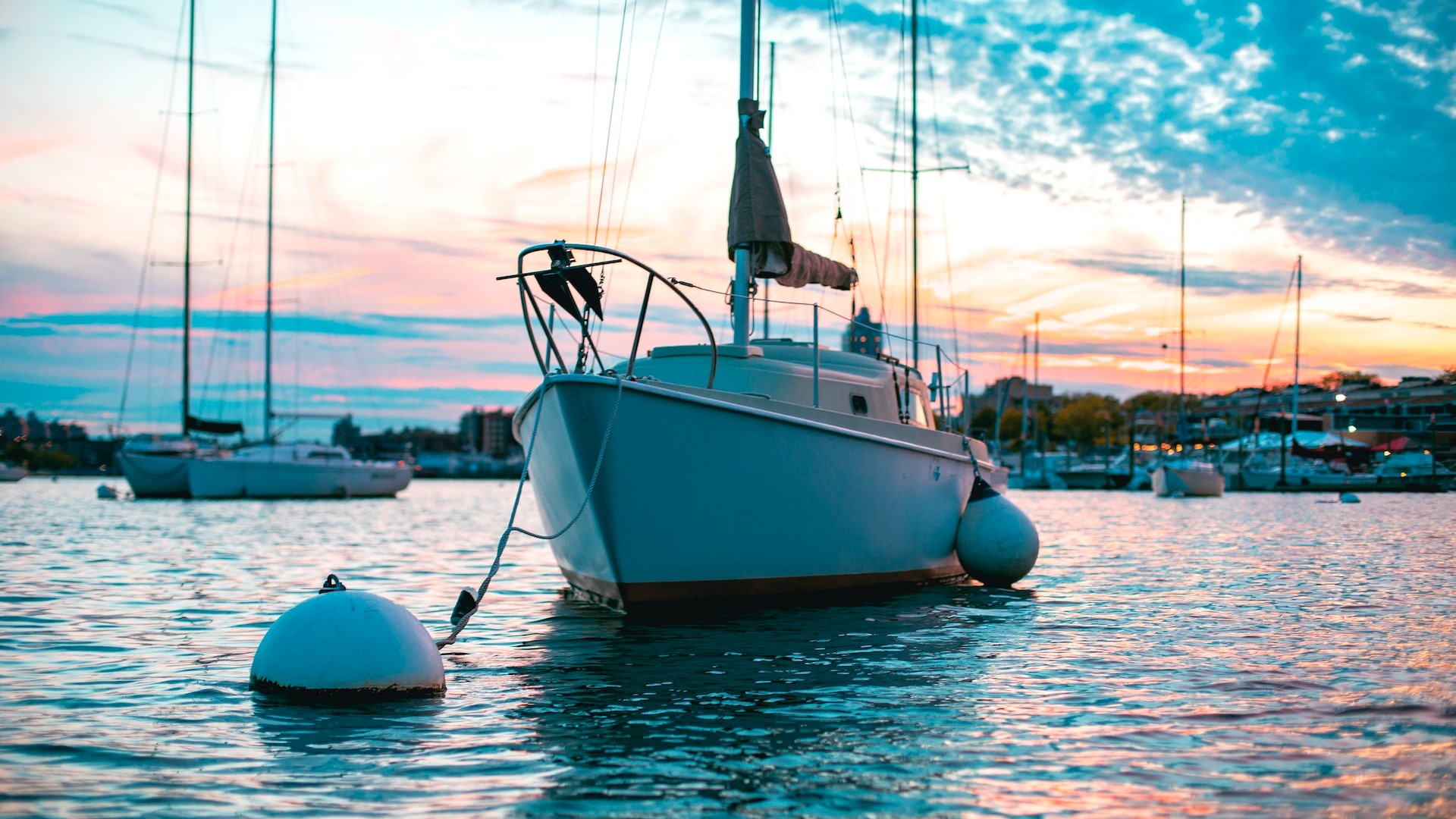
Mooring in Brooklyn | Goodwill Car Donations Photo by Johnny killroy under Unsplash License

Dispose of your unwanted boat by donating it for the benefit of the impoverished and disadvantaged residents of your community. You’ll be in awe when you find out how huge of an impact your donation can have on their lives. Call Goodwill Car Donations at 866-233-8586 or fill out our secure online donation form now!

3 Worst Things About Selling Your Boat

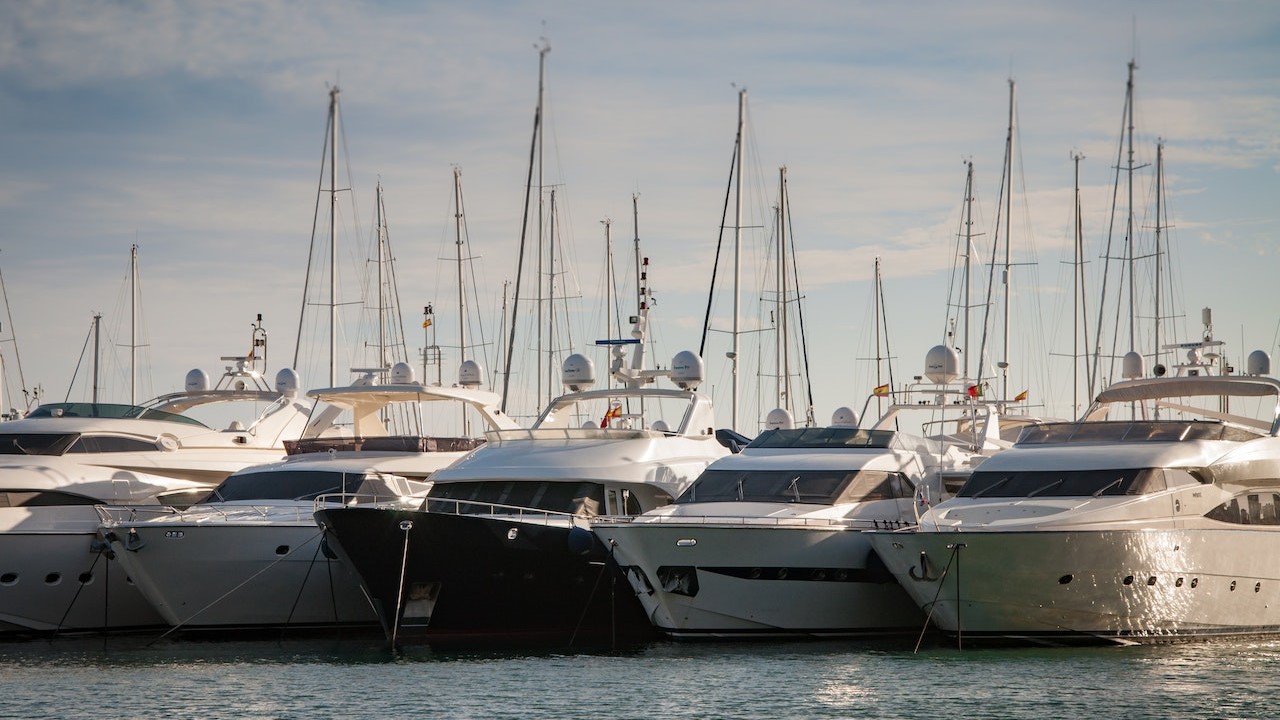
5 yachts docked | Goodwill Car Donations Photo by mali maeder under Pexels License

Selling Your Boat? Know the Cons First!

Today’s boat market has gotten tougher than ever for sellers. If you’ve decided to get rid of your beloved watercraft by putting it on the market, you should be fully aware of its cons first. To make sure you won’t regret your decision, Goodwill Car Donations is here to examine three of the worst things about selling your boat:

  1. Selling your boat yourself may be costlier than you think.

With secondhand boat prices dropping, we won’t be a tad bit surprised if you’re planning to sell your vessel yourself instead of hiring the services of a boat dealer. Although the dealer could sell your vessel quicker than if you try to do it yourself, you’ll typically have to pay them a 10% commission, and that could be a big amount you wouldn’t want to give away. However, a boat sitting on the market way too long can become exceedingly expensive for you. You’ll find yourself spending more on boat payments, slip rentals, maintenance, and winter storage.

  1. You’ll have to do the tiring preliminary legwork.

Selling your boat without enlisting the help of a dealer means you’ll be doing heaps of work — from cleaning it inside and out to getting certain parts fixed. Plus, you’ll have to spend some time creating an ad to sell it, finding places to post the ad, and making yourself available to answer inquiries.

  1. You’ll have to face the hassle of screening potential buyers.

Once prospects (keep your fingers crossed!), contact you about your vessel, you’ll need to carefully assess the serious ones and those who are just fishing for information. You’ll be met with dozens of questions, which could get to be too repetitive for your ears. Then, there’s the possibility of encountering scammers.

Weeding through interested buyers, sending extra details, and meeting them to showcase the boat can be exhausting and frustrating, but hey, that’s what it takes to ensure your watercraft is sold to the right person at your desired price. As for fraudsters, keep an eye on those who ask you to complete a wire transaction, as well as those who offer a third-party check as payment.


A Word of Advice

After investing all your time and energy in meeting a keen prospect and showing them your boat, they may tell you that they’re ready to make a purchase. Before sealing the deal, though, you’ll have to negotiate for the final price.

If you’re determined to sell your boat based on your asking price, be sure to stand firm. Explain why it’s worth that much by enumerating all the reasons. Better yet, set your asking price a little higher than what you’re willing to accept so you can have some wiggle room. This way, you’ll ensure that your negotiations will turn out in your favor.

Having Second Thoughts Now? Here’s the Perfect Alternative to Selling Your Boat

If the hazards of the trade are making you think twice about putting your vessel up for sale, we have another option for you — a completely hassle-free one. Not only will you be disposing of your boat most quickly and painlessly, but you’ll also be turning it into a life-enhancing tool for your disadvantaged neighbors. All you have to do is donate that boat to us at Goodwill Car Donations.

We’ll have your vessel auctioned off to generate funds for the Goodwill organizations serving your local area. Like us, these IRS-certified 501(c)(3) nonprofits are dedicated to helping disadvantaged Americans — those who are saddled with disabilities, lack of education, job experience, or essential skills, and other limiting personal circumstances, such as being a former inmate or welfare-dependent.

Your local Goodwill organizations use the funding we give them to provide their beneficiaries with job and skills training, employment opportunities, scholarships, livelihood assistance, disability benefits, family support, educational services, financial assistance, and other essential support services.

As a donor, you will be entitled to claim a hefty tax write-off in the next tax season. We’ll promptly mail you the 100% tax-deductible sales receipt of your boat after its sale.

We can also collect your boat wherever you had it moored or stored anywhere in the United States.

Best of all, you’ll find immense joy and satisfaction in knowing that you’re doing something that will benefit your entire community when once idle members attain financial stability and live productive and fulfilling lives.

Just so you know, it’s not only boats we accept in our donation program. Almost all types of vehicles are qualified, including those that are barely running. Visit this page for a comprehensive list of vehicles that we welcome in our program.

If you have any questions or concerns, you may reach us at 866-233-8586 or message us here. For more details regarding our donation process, including our quick and easy donation process, head over to our FAQs page.

Let’s Transform Lives Together!

Holding hand of someone | Goodwill Car Donations Photo by Markus Spiske under Unsplash License

Together with Goodwill Car Donations, you can leave a lasting impact on the lives of the less fortunate members of your local community. Your donation can help empower them to succeed in life. Call us at 866-233-8586 or fill out our secure online donation form now!


Why Read Your Vehicle Owner’s Manual?

Detail in car engine | Goodwill Car Donations Photo by Tim Samuel under Pexels License

Don’t Let Your Car Owner’s Manual Rot in Your Glove Box!

Did you know that one of the most important aspects of car ownership is knowing the vehicle inside out? For this reason, auto manufacturers provide every car owner with a manual that can simplify their ownership experience. Unfortunately, many vehicle owners never bother to turn even a single page of their manuals. They just let this informative piece of literature rot in the glove box.

Before you decide to show off your new set of wheels by driving around the neighborhood, it’s best to pick up and read your car owner’s manual so that you can get to know your car better.

Top 5 Reasons Why You Should Read Your Vehicle Owner’s Manual

If you want to get the most out of your vehicle, you need to familiarize yourself with its preferences and systems. Goodwill Car Donations encourages you to be knowledgeable of your vehicle by checking out the following top reasons why you should read your car owner’s manual:

  1. You’ll have a fundamental understanding of your vehicle’s major components.

Like a solved puzzle, your car is comprised of thousands of parts that are put together to form a unit. Although knowing about each of its parts isn’t necessary, you should at least understand the locations and primary functions of your vehicle’s major components. If you read the manual, you’ll learn about its steering system, battery, wheel configuration, light bulbs, and a lot more.

  1. You’ll know what your car needs.

It would be impossible for you to know what and how much your car needs unless you read the owner’s manual. For instance, if you browse through it, you’ll get valuable information about the grade and quantity of various fluids that are appropriate for your vehicle, as well as the suitable air pressure for its tires.

  1. You’ll familiarize yourself with the symbols and dashboard warning lights.

Your car has numerous symbols around its body, engine bay, and inside its cabin. Some of these symbols glow up when something’s not right. You have to know what they mean so you’ll know what your car is telling you.

  1. You won’t panic when you’re stranded.

Nobody wants to find themselves in the middle of nowhere with no chance of getting help anytime soon. Should this happen to you, your car owner’s manual can provide you with a set of instructions that can help you get your vehicle up and running.

  1. You’ll maintain a service record.

Your owner’s manual has a specific section in it that can help you keep track of your car’s maintenance history. All you have to do is to fill out this section and have it stamped by the service center each time your car gets routine servicing.

Looking for the Best Way to Retire Your Old Car?

One instance when you may no longer have use of your vehicle owner’s manual is when you no longer want to use your car due to its age and sorry condition. That’s the time when you need to consider the best way to retire that vehicle. Goodwill Car Donations is here to offer you such a way.

When you donate that auto to us, we’ll use it to provide opportunities to your community’s disadvantaged and impoverished residents so they can live healthy, productive, and fulfilling lives. Our team will have your vehicle fixed before putting it up for auction. The proceeds will go directly to the Goodwill organizations serving your area. These IRS-approved 501(c)(3) nonprofits cater to disadvantaged U.S. citizens — those with disabilities, those who lack education, essential skills, or job experience, and those with other limiting personal issues, such as being welfare-dependent or having past prison records.

Your local Goodwill organizations use the funding we give them to provide their beneficiaries with job and skills training, employment opportunities, scholarships, livelihood assistance, disability benefits, family support, educational services, financial assistance, and other essential support services.

Your donation will also benefit you in ways that may surprise you. We’ll pick up and tow away your unwanted vehicle at no cost to you and at a date, time, and place most convenient for you wherever you are in the country or wherever your vehicle is parked or stored.

Your gift will also entitle you to claim the maximum tax deduction in the next tax season.

Moreover, your act of charity will bring you an immense sense of satisfaction, knowing that you’ll be contributing to the growth and development of your community by empowering your needy fellow residents through work and learning.

Nearly all vehicle types can be donated to Goodwill Car Donations regardless of their ages or conditions. You can donate even a car that no longer runs.

For information about our quick and straightforward donation process and other important details about our vehicle donation program, check out our FAQs page. For your inquiries or concerns, feel free to call us anytime through our toll-free hotline at 866-233-8586 or message us here.

Photo of a White Automobile | Goodwill Car Donations Photo by Dextar Studio ™ under Pexels License

Donate a Car and Transform Lives Today!

You can surely impact the lives of your less fortunate neighbors with your car donation. We will use it to provide them with great opportunities that can transform their lives. Call Goodwill Car Donations at 866-233-8586 or fill out our secure online donation form now!