5 Top Questions to Ask Yourself Before You Buy a New Car

Man giving a key after the sale | Goodwill Car Donations Photo by Antoni Shkraba under Pexels License

It’s a Big Decision You Have to Carefully Consider

Buying a new car isn’t something you decide in a matter of minutes. Unless, of course, you’re super-rich and you’re not worried about making financial miscalculations.

For the average Joe and Jane out there, however, a new car can cut a huge chunk into their savings or be a hefty add-on to their monthly expenses should they choose to finance it.

Your budget is something you need to consider when thinking about purchasing a new vehicle, especially since the expenses don’t stop even after you’ve paid the full price for your new car.

Goodwill Car Donations lists five questions you need to ask yourself before you decide to head to a car dealership.

  1. Do I have the funds for this?

Will you be financing the vehicle? Or are you going to pay the full amount right there and then? Buying a new car is an added financial responsibility that you’ll likely be carrying for years. You don’t want to make the purchase solely on impulse and end up emptying your savings.

  1. Why am I buying the vehicle?

Just because you like the looks of a certain car model isn’t a good enough reason for you to buy it. Consider the main reasons for buying, such as the car’s reliability and safety features.

  1. Is this the best deal that I can get?

Don’t stick with one dealer. Shop around. Negotiating with multiple dealers can help you find the best deal. Some dealers may offer you hefty discounts or attractive incentives to convince you to make your purchase from them.

  1. Is this the right time to buy a new car?

Timing is everything. You wouldn’t want to make a vehicle purchase when you just got laid off or you’re in the middle of a financial crisis. Avoid digging a bigger financial hole for yourself.

  1. Is leasing better?

Consider the pros and cons of leasing a vehicle instead of buying one. You might find leasing to be a better choice, not to mention you get to use a new vehicle after your initial lease ends. Some companies also offer allowances for leasing, which can help you cut back on your vehicle expenses.

Buying a New Car? Here’s What You Can Do with Your Old One

When you’re buying a new car, there’s always the question of what you’re going to do with your old ride. We just might have the best answer for you: Donate it to us at Goodwill Car Donations.

When you do that, you’ll benefit from your donation just as much as the needy folks in your area. You’ll be ridding yourself of an unwanted vehicle with no hassle whatsoever while extending your support to the disadvantaged residents of your community.

We will sell your vehicle through an auction and use the proceeds to support the jobs and livelihood programs of the Goodwill organizations serving your local area. These IRS-certified 501(c)(3) nonprofits cater to disadvantaged Americans. They include the men and women in your community who are saddled with disabilities, lack of education, job experience, or essential skills, and other limiting personal issues, such as being a former inmate. These disadvantages pull them down every time they try to break free from poverty.

Your local Goodwill nonprofits use the funding that comes from our vehicle donation programs to provide their beneficiaries with job training, employment opportunities, scholarships, livelihood assistance, disability benefits, and other vital support services.

While helping your less fortunate community members with your car donation, you’ll also get outstanding rewards yourself, such as getting our free professional pickup and towing service at your convenience.

Your gift will also entitle you to receive the maximum tax deduction in the next tax season.

Moreover, your donation will allow you to savor the satisfaction of serving your community by helping empower your underprivileged neighbors.

We take nearly all types of vehicles, including those that are no longer in good shape. You may head over to this page to get a comprehensive list of the types of vehicles acceptable to us. You can donate anywhere in the country since Goodwill Car Donations operates in all 50 states plus the District of Columbia.

To learn more about our vehicle donation program, including our quick and easy donation process, feel free to visit our FAQs page. Call us at 866-233-8586 or message us here if you have any questions or concerns.

Help Build a Better Tomorrow for Your Disadvantaged Neighbors

Sad man sitting on a couch | Goodwill Car Donations Photo by Gadiel Lazcano under Unsplash License

When you donate your unneeded vehicle to us, you’ll become an instrument for change and a life-changer for the less privileged residents of your community. Call Goodwill Car Donations at 866-233-8586 or fill out our secure online donation form to make your donation now!


Why Rotate and Balance Your Tires?

Man in Black Suit Jacket | Goodwill Car Donations Photo by Artem Podrez under Pexels License

How to Increase Your Vehicle’s Life Expectancy

Do you want to use your car’s tires for a much longer time before you need to purchase new ones? Do you want to make sure that your vehicle won’t skid or slip due to worn-out tire treads? If you do, then you have to rotate and balance your tires when the right time for that comes.

Did you know that the average lifespan of a new tire is about 7 years? While you can find numerous ways to maximize the longevity of your tires, simply rotating and balancing them can increase their life expectancy and help you get the most out of your vehicle. Goodwill Car Donations has pulled together these two important points on taking care of your vehicle’s tires.

  1. Your tires must wear out uniformly and equally.

As you drive your car over hard and rocky surfaces, you have to make sure that your tires are wearing out uniformly and equally. Unfortunately, most car owners tend to forget to rotate their vehicles’ tires, which is one of their most important maintenance responsibilities. The process of tire rotation involves the reattachment of each tire to a different axle.

Aside from maintaining and even enhancing the lifespan of tires as well as reducing noise and vibration, a tire rotation will also help you save money by not having to purchase new tires for your vehicle prematurely. What’s more, timely tire rotation can also ensure your safety because this ensures your tires’ evenness, smoothness, and stability when you’re driving. Their tread depths will become more sufficient and car accidents due to compromised tires will be minimized.

  1. Balancing your tires will improve their efficiency.

With regular use, your tires will eventually become imbalanced, compromising your safety and your control over your vehicle. With imbalanced tires, you’ll feel your car shake while you’re driving.

Making sure that your tires are balanced will enhance their efficiency because this will ensure the proper and equal distribution of weight. With well-balanced tires, their performance will become better.

Regular rotation and balancing your tires will not only help them last longer, but these processes will also ensure your safety on the road by helping you steer clear of accidents including heat build-ups, blowouts, and hydroplaning.

Do Something Awesome for Your Community

If you’ve decided to replace your old vehicle with a new one, you must be thinking about what to do with your clunker. How about donating that beater to us at Goodwill Car Donations? We’ll use it to improve the lives of the impoverished residents of your community.

We will auction off your vehicle and turn over the proceeds to the Goodwill organizations serving your area. Spread throughout the United States, Goodwill organizations are IRS-approved 501(c)(3) nonprofits that cater to disadvantaged Americans. They include the men and women in your community who are suffering from disabilities, lack of education, job experience, or essential skills, and other personal issues that are keeping them stuck in poverty.

Goodwill organizations use the funding sourced from our vehicle donation programs to sustain their delivery of critical services to their beneficiaries. These services include job and skills training, career opportunities, vocational and educational services, internship programs, financial support, disability benefits, and other critical community-building support services.

Expect to be sufficiently rewarded for your charitable contribution. We’ll pick up and tow your vehicle for free wherever you are located in the United States. Your donation will also entitle you to receive the maximum tax deduction in the next tax season.

We accept almost all types of vehicles, including those that no longer functioning well or not running at all.

To find out the details of our quick and easy vehicle donation process as well as other relevant information, visit our FAQs page. Questions? Call us at 866-233-8586 or leave us a message here.

It’s Easy to Help the Needy

You can easily help the struggling disadvantaged residents in your community without much effort on your part. All you have to do is donate to us any vehicle that you’re no longer using. We’ll use that car to turn their lives around. Call Goodwill Car Donations at 866-233-8586 or fill out our online donation form now!


What the Most Common Car Warning Lights On Your Car’s Dashboard Mean

Bright dashboard | Goodwill Car Donations Photo by Erik Mclean under Pexels License

Keep Safe by Understanding All Indicators on Your Car’s Instrument Panel

Competition in the automotive industry is fierce. Car manufacturers are creating better models, yet they have one constant goal: to promote safety.

Despite society’s changing standards when it comes to car features, safety remains a top consideration for car manufacturers. That’s why more and more safety features are being added to new models.

Some of these safety features can be seen on a car’s dashboard, represented by icons and symbols that serve as warning signals. As has been the case for many years now, a car’s dashboard includes the speedometer, tachometer, odometer, engine coolant temperature gauge, fuel gauge, turn indicators, gearshift position indicator, seat belt warning light, parking-brake warning light, and engine-malfunction lights.

Understanding all the icons, symbols, lights, and numbers on your car’s instrument panel is crucial to keeping you and your passengers safe.

In particular, the warning lights are designed to give off warning signals that turn on when there’s something wrong with your vehicle.

The Most Common Car Warning Signs on Your Dashboard

If you’re clueless about the warning lights that blink on your car’s dashboard, you’re not alone. Goodwill Car Donations is here to help you understand what they mean.

  1. Safety Icons

The numerous safety dashboard icons tell you when your automobile is having trouble with the engine temperature, tire pressure, oil life, and traction control. The security alert light also shows when you are experiencing a chassis and overdrive system issue.

Faulty airbag and seat belt indicators add to the safety features of your automobile as well as issues with the powertrain or power steering system. Indicator lights will turn on when you need to check the brake pedal, the clutch, or the Engine Computer.

  1. Warning Icons

To deal with your vehicle’s failure points, refer to the battery and engine temperature warning lights. If the former turns on, check your battery power or alternator. If it’s the latter, then your engine’s temperature may be unusually high.

Additionally, check your brake and oil pressure warning lights. There might be leaks in the brake system that could be dangerous, or perhaps oil level and pressure are low or totally lost. You should pay close attention to these warning lights to avoid car accidents.

A red light signifies a severe car issue that needs immediate resolution. Meanwhile, the orange light means you can still drive your automobile, but the problem or malfunction requires checking as soon as possible.

  1. Lighting Icons

It is also important to double-check your vehicle’s lighting system. This consists of your low and high beams, auto high beams, fog lights as well as the exterior and adaptive light system.

Bring Hope to Those About to Lose It

Do you have a soft spot for the disadvantaged folks in your community? These are the men and women living among you who are burdened with disabilities, lack of education, job experience, or essential skills, and other personal issues (such as having prison records) that make it most difficult for them to find decent jobs and other sources of income that can free them from a life of poverty.

You can help improve their lives by simply donating a car that you no longer need to us here at Goodwill Car Donations. We will use your donation to provide the disadvantaged residents of your community with opportunities to harness their full potential so they can achieve financial stability and start living productive and fulfilling lives.

We will put your vehicle up for auction and turn over the proceeds to the Goodwill organizations serving your local area. These IRS-approved 501(c)(3) nonprofits use the funding sourced from vehicle donations to provide their beneficiaries with job training, employment opportunities, scholarships, livelihood assistance, disability benefits, and other critical community-building support services.

As a Goodwill donor, you’ll enjoy meaningful returns for your generosity. These include the free towing of your unwanted vehicle and your entitlement to the highest possible tax deduction due to you in the next tax season.

Moreover, nothing compares to the joy and satisfaction you’d feel, knowing that your charitable contribution will greatly benefit your community in terms of the jobs that it will create for the empowerment of your less fortunate fellow residents.

We accept nearly all types of vehicles, whether they’re still in good running condition or no longer. We can pick up and tow your vehicle wherever you had it parked or stored anywhere in the country.

To get to know our quick and easy vehicle donation process and other details, just visit our FAQs page. Should you have any questions or concerns, you may call us at our toll-free hotline at 866-233-8586. You may also write to us here.

Help Us Uplift Lives Today!

Group of People Showing Support and Unity | Goodwill Car Donations Photo by Pavel Danilyuk under Pexels License

You can do so much good in your community by using your old car as a tool to uplift people’s lives. When you donate that vehicle to us, you’ll touch the heart of every needy folk in your area who wants nothing more than to live a productive and fulfilling life, using the tools that Goodwill will provide them. Call Goodwill Car Donations at 866-233-8586 or fill out our online donation form now!


5 Top Tips When Comparing Prices Between Dealerships

Brand new car in a show room | Goodwill Car Donations Photo by Josué Soto under Unsplash License

Don’t Limit Your Option to Only One Car Dealership

When you’re out to buy a vehicle, you’d want to make sure you’ll get the best possible deal. This means checking out multiple dealers, their incentives, and discounts and negotiating the terms most beneficial to you as the customer.

While it can be stressful going from one dealership to another, it can be worth it in the end as they try to haggle and beat the offerings made by their competitors. Salesmen will do whatever they can to close out a deal, which means you can end up getting bigger discounts and more freebies than usual.

Knowing what to look out for can be challenging for first-time car buyers. To help you out, Goodwill Car Donations has gathered 5 top tips when comparing prices between dealerships.

  1. Don’t focus on the monthly payments.

Avoid trapping yourself into a horrible deal by focusing on monthly payments alone. Consider other payments you have to make such as extra fees, taxes, and other add-ons. Also keep in mind that the longer the payment terms, the bigger the total cost of your car due to interest.

  1. Be careful of in-house financing.

Pre-arrange your financing and you might find yourself a few thousand dollars richer in the bank. Lenders and dealers have agreements in place that let dealers mark up the interest rates in exchange for negotiating the deals. While one dealer may have lower financing rates than others, remember that it’s still higher than the rates you can get if you negotiate the deal yourself.

  1. Take note of slight price changes.

Some dealers try to justify their “slight” price changes with the number of freebies they’re throwing in. Don’t get blinded by the free stuff as they’re normally thrown in to cover up the dealership’s price for the vehicle.

  1. Timing is everything.

Dealerships have quotas to meet every month or quarter. If they’re behind their targets, you can expect offers of additional discounts and incentives from their sales team so they can lock you in as their customer.

  1. Ask for vehicles in stock from previous promos.

Some dealerships launch special promos when introducing a new vehicle model or during certain events. Sometimes, not all of these models are sold out in the time frame they give to the public. If you’re in luck and there are still some leftover stocks, you can get a car at a good price even way beyond the dealer’s promo period.

Be Wise, Too When Disposing of an Unwanted Car

Just as wise and careful you’ve been in buying a new car, you can also do the same when disposing of an old vehicle that you no longer need. Don’t torture yourself by going through the rigors of trying to sell a clunker. Neither must you decide to just dump that beater in the junkyard.

Your best option is to donate that jalopy to us here at Goodwill Car Donations. When you do that, you’ll get to receive valuable rewards while allowing yourself to help the struggling disadvantaged residents of your community. These are the men and women living among you who are burdened with disabilities, lack of education, job experience, or essential skills, and other personal hindrances that prevent them from freeing themselves from the chains of poverty.

Your car donation can help transform the lives of these folks.  We’ll sell your vehicle in one of the best auction houses in our network, with the proceeds going to the local Goodwill organizations serving your area. These IRS-certified 501(c)(3) nonprofits use the funding to deliver life-enriching services to disadvantaged Americans, providing them with job training and employment opportunities, scholarships, livelihood assistance, disability benefits, and other critical community-building support services.

Donating to Goodwill Car Donations means getting your unwanted vehicle picked up and towed away for free. It also means getting entitled to receive the maximum tax deduction in the next tax season.

Moreover, your act of charity will bring you an immense sense of satisfaction, knowing that you’ll be contributing to the growth and development of your community by empowering your needy fellow residents through work and learning.

Making a car donation to Goodwill is super easy. It’s quick, convenient, and hassle-free! All you need to do is contact us. We’ll handle everything else.

We accept a wide range of vehicle types. Whether you’re donating a sedan, a motorcycle, or even a broken-down truck, we’ll be glad to receive it.

Your location should not be a problem either. We can collect your donation wherever you are in the United States.

You can get more information about us, including our donation process and your benefits as a donor, by checking out our FAQs page. Should you have any questions or concerns, you may reach us through our toll-free hotline 866-233-8586. You may also send us a message here.

Make a Difference with Your Car Donation Today!

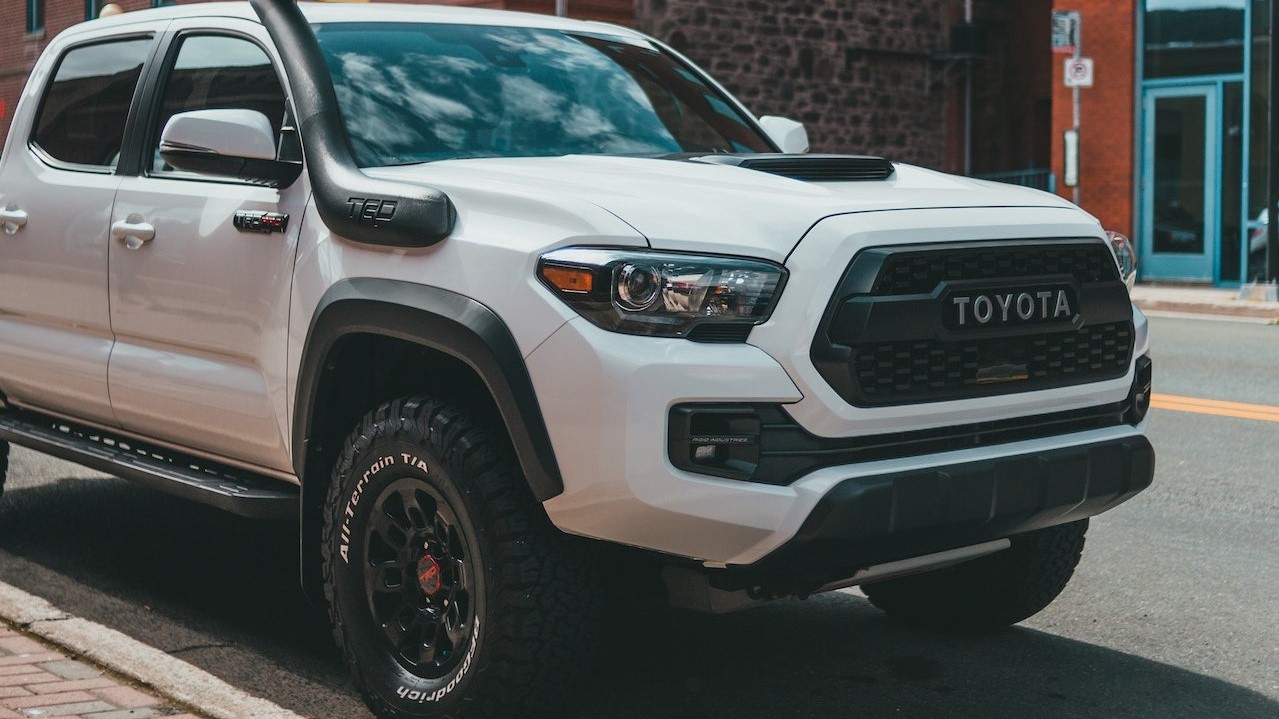
White toyota pick up parked on the side of the road | Goodwill Car Donations Photo by Erik Mclean under Pexels License

Donating to us a car that you no longer need is all it would take to make a difference in your community. Your car donation can bring great benefits to your disadvantaged neighbors. Call Goodwill Car Donations at 866-233-8586 or fill out our online donation form now!


How to Calculate MPG or Gas Mileage

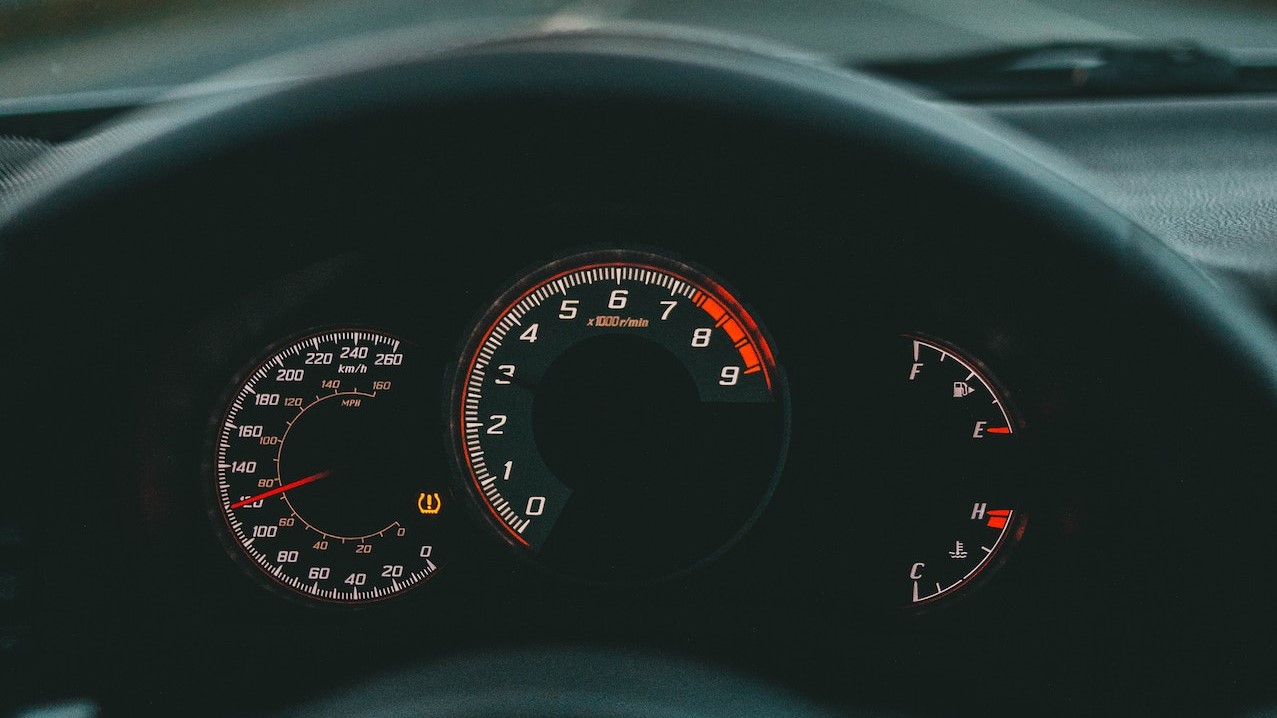
Speedometer of a Car | Goodwill Car Donations Photo by Erik Mclean under Pexels License

Here’s How to Get a Clear Picture of Your Fuel Economy

When you’re out shopping for a new car, you need to consider certain factors so that you can get the best deal. One of them is the car’s MPG.

You’re probably aware that gas efficiency is measured in miles per gallon (MPG), commonly referred to as gas mileage. Your car’s MPG will tell you how far it can travel until the fuel runs out. For example, if you find a car that states it has 50mpg with a capacity of one gallon of fuel, this means it can travel for 50 miles before it needs to refuel.

However, it’s important to note that the MPG can vary from the estimates stated by the car manufacturer. Your driving habits, your vehicle’s condition, weather and road conditions, and how much weight your car is carrying can significantly influence how much mileage you get from each full tank of gas.

Calculating MPG or Gas Mileage Is Easy

The only way for you to get a clear snapshot of your fuel economy and identify potential issues with your vehicle is to learn how to calculate gas mileage. When you figure this out, you’ll know just how much your gas-powered set of wheels is costing you. To help you get started, Goodwill Car Donations shares the steps to calculate your gas mileage.

  1. Fill up the gas tank and record.

The first step to making your gas mileage better is to figure out what you’re getting in the first place. Fill up your gas tank all the way and record the master odometer mileage. If your vehicle has a trip odometer, you need to reset it.

Next, try to drive your car as you normally would and allow your gas tank to deplete to about half of a full tank of gas. Head down to the nearest gas station and have your tank filled up again. Be sure to record the amount of gas it took to get your tank refilled and take note of the new odometer mileage or the elapsed trip miles.

  1. Calculate the MPG.

After taking note of the numbers, check the trip odometer to get the miles traveled. You may also choose to subtract the original odometer reading from the new one. To get your car’s average miles per gallon yield for that specific driving period, divide the miles traveled by the amount of gas it took to refill your tank.

For example: 313 miles driven ÷ 16 gallons fueled = 19.5mpg

Each time you refill your gas tank, you can monitor and improve your fuel efficiency by repeating this procedure.

  1. Calculate the rate of gas.

You’ll be able to determine the cost of driving your vehicle by calculating the rate of gas. Using the calculated number of miles per gallon, you can determine the cost of driving your car per distance measured.

First, take note of the average price you pay at pumps per gallon. Next, divide this number by the calculated mpg for your vehicle. This way, you can improve your savings each time your drive. As soon as you’ve determined the cost of traveling per unit of measure, apply this price to the distance of the trip you’re planning. This will give you an idea of the cost of a given trip using your vehicle.

Thinking of Getting Rid of Your Gas Guzzler?

Are you planning to replace your old clunker with a more fuel-efficient ride? If you’re looking for the best way to dispose of that gas guzzler, we at Goodwill Car Donations would be glad to provide you exactly that when you decide to donate that vehicle to us.

We will auction off your vehicle and turn over the proceeds to the Goodwill organizations serving your place. These IRS-approved 501(c)(3) nonprofits are dedicated to improving the lives of individuals who are burdened with disabilities, lack of essential skills, education, or job experience, and other disadvantages that serve as roadblocks in their bid to find financial independence.

Goodwill organizations use the extra funding we give them to provide their beneficiaries with job training, employment opportunities, scholarships, livelihood assistance, disability benefits, and other critical community-building support services.

These are all meant to equip needy individuals in your community with the tools that will help them harness their full potential so they can live productive and fulfilling lives.

We’ll pick up and tow your vehicle for free wherever you had it parked or stored anywhere in the country. Your donation will also entitle you to receive the maximum tax write-off in the next tax season.

What’s more, you can count on us to provide you with a highly satisfying donation experience, knowing that your act of charity will help generate new jobs in your community. These are new opportunities for growth and progress that will benefit all residents.

We accept almost all types of vehicles, whether still in good condition or no longer.

To find out the details of our vehicle donation process, and other relevant information, visit our FAQs page. For your questions and concerns, call us at 866-233-8586 or leave us a message online.

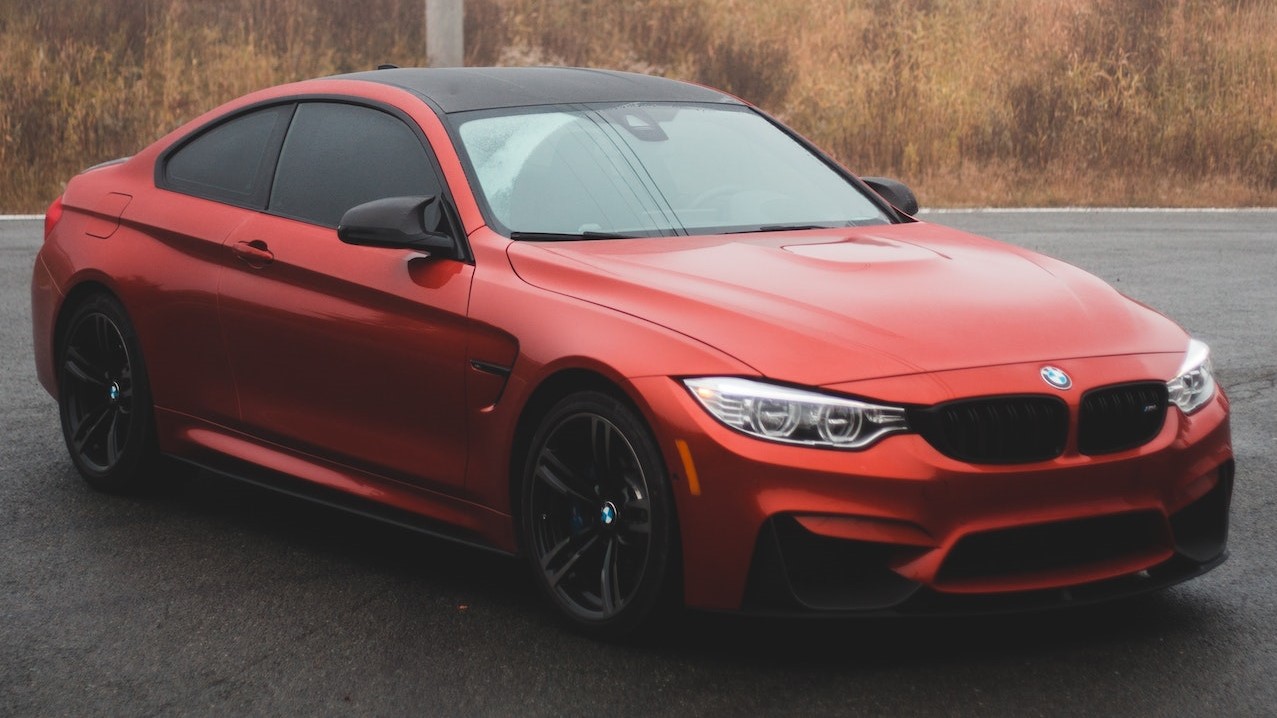
Red Coupe Car | Goodwill Car Donations Photo by Erik Mclean under Pexels License

Make Your Community a Better Place Today!

You have the power to make your community a better place for everyone. All you have to do is donate that old clunker that’s no longer serving you well. Call Goodwill Car Donations at 866-233-8586 or fill out our online donation form now!


How Do You Fill Your Car Tires With Air?

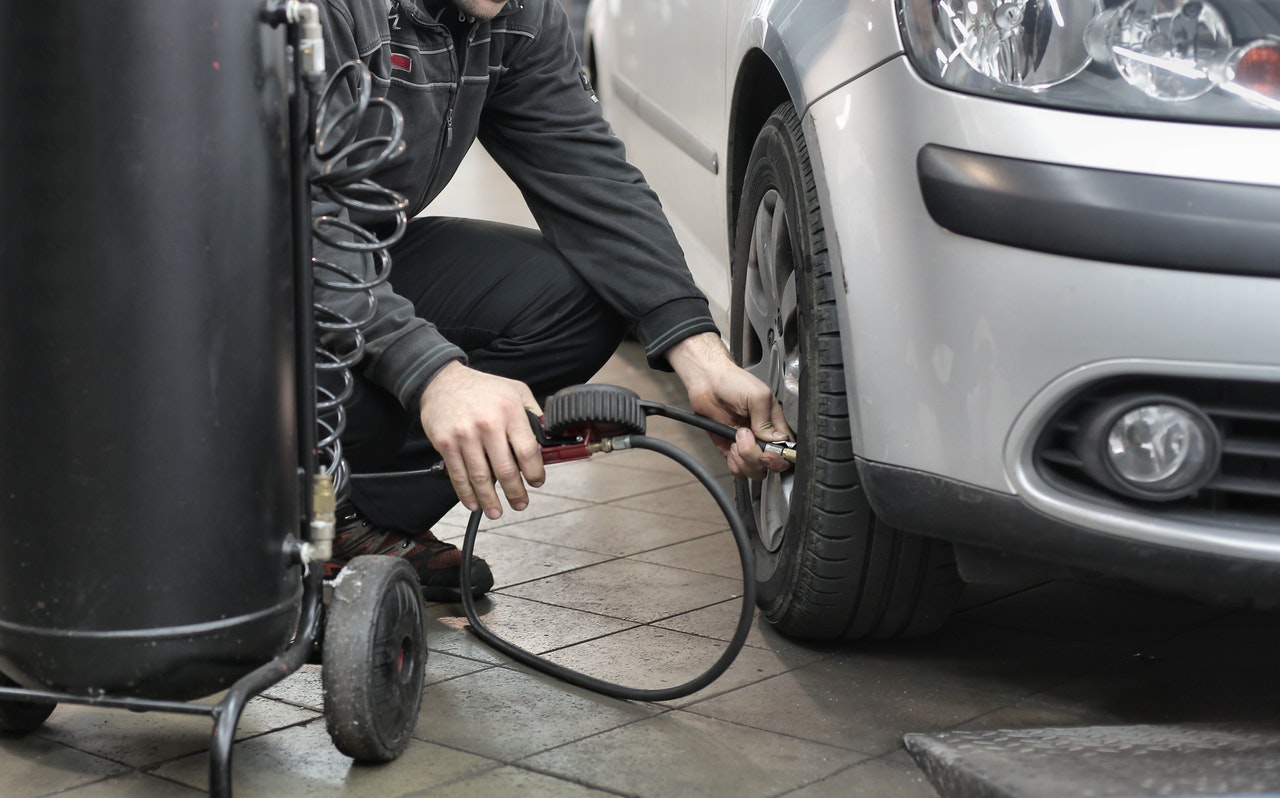
Filling Air in Car Tire | Goodwill Car Donations Photo by Andrea Piacquadio under Pexels License

3 Simple Steps to Inflating Your Vehicle’s Tires

Do your tires look a bit droopy? Are they looking like ice cream that’s slowly melting? If they are, they’re probably low on air pressure or underinflated. It’s normal for tires to experience air loss every month, with the normal range at around 1-3 pounds per square inch (psi).

Sometimes, it’s caused by temperature changes and the air becoming denser, but there can also be other causes such as punctures, rim damage, or a broken-down tire valve stem.

Whatever the cause may be, driving on underinflated tires makes for poor fuel economy, longer stopping distance when braking, and poorer handling for the vehicle. Your tires also wear out faster, which could lead to costly tire replacements and other expenses if not potentially disastrous road accidents.

Filling your car tires with air isn’t complicated. All you have to do is follow these three simple steps as laid out by Goodwill Car Donations:

  1. Turn off your engine if it’s still on.

If you’re at a gas station, make sure your vehicle is parked near the air dispenser and the hose can reach all four tires easily. Some tire inflators have gauges with them. They can either be digital or dial gauges (circular-shaped gauges).

  1. Remove the cap of your tire’s valve stem and attach to it the nozzle of your inflator. Begin inflating your tire.

If you’re using a modern tire inflator that has a digital gauge, you can input there the recommended psi for your tire. The device will then automatically inflate your tire according to the psi you’ve entered.

For manual inflation, you’ll need to roll up your sleeves, use a manual tire inflator, attach its nozzle to your tire’s valve stem, and inflate your tire by pumping air into it. Inflate until you reach the recommended psi level for your tire.

  1. Double-check that all your tires are properly inflated at their recommended psi level.

If you’re at a gas station, use a tire gauge to double-check the air pressure as some hose gauges are inaccurate. Make sure to tightly close the valve stems with their caps once you’re done.

A Way to Uplift Lives Using Your Clunker

Learning how to fill your car tires with air is super easy. What’s not easy is overcoming obstacles in life when faced with disadvantages. That’s the situation some people in your community are grappling with. They are those who are burdened with disabilities, lack of essential skills, job experience, or education, and other personal circumstances (such as being welfare-dependent or having prison records). These disadvantages greatly limit their ability to find the means to break free from poverty.

You can do something simple to help them. If you have an old car or any other type of vehicle that’s no longer useful to you, that’s all you need to touch their lives. All you have to do is to donate that clunker to us at Goodwill Car Donations.

We’ll have your vehicle auctioned off with the generated funds going straight to the Goodwill organizations serving your area. These IRS-approved 501(c)(3) nonprofits use the money sourced from the sale of donated vehicles to finance their programs aimed at empowering disadvantaged individuals. From these programs, beneficiaries get job training, employment opportunities, scholarships, livelihood assistance, disability benefits, and other critical community-building support services.

Making a Goodwill car donation is super easy. You’ll be taking the easiest route to dispose of your clunker while getting your fair share of rewards at the same time. We’ll pick up and tow your vehicle for free wherever you are located in the United States. Your donation will also entitle you to receive the maximum tax deduction in the next tax season.

Moreover, your act of charity will bring you an immense sense of satisfaction, knowing that you’ll be contributing to the growth and development of your community by empowering your needy fellow residents through work and learning.

You can donate not just cars, pick-up trucks, or motorcycles but also golf carts, unused farm tractors, and many other vehicles, including boats. We’ll welcome whatever type of vehicle you donate regardless of its age or condition.

Interested to know more? Find more information about Goodwill Car Donations by visiting our FAQs page.  You can also give us a ring at 866-233-8586 or contact us here.

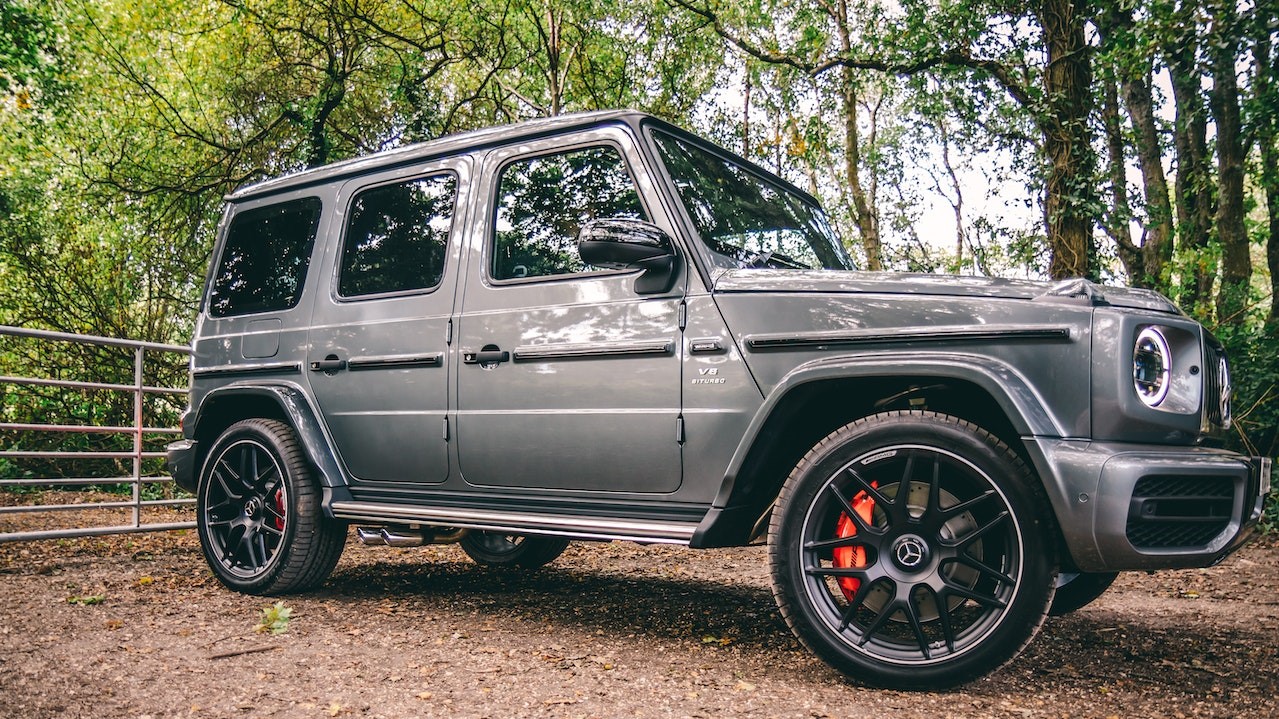
Mercedes-Benz G-Classs | Goodwill Car Donations Photo by Lloyd Freeman under Pexels License

Donate Today and Be a Hero Today!

We’ve made helping needy residents of your community as easy as filling your car tires with air. All you have to do is contact us. You got nothing to lose except the clunker that you’re thinking of disposing of anyway. Call Goodwill Car Donations at 866-233-8586 or fill out our online donation form now!


Car Buying Doesn’t Have to Be Scary! Here Are 5 Tips to Make Car Buying Easy

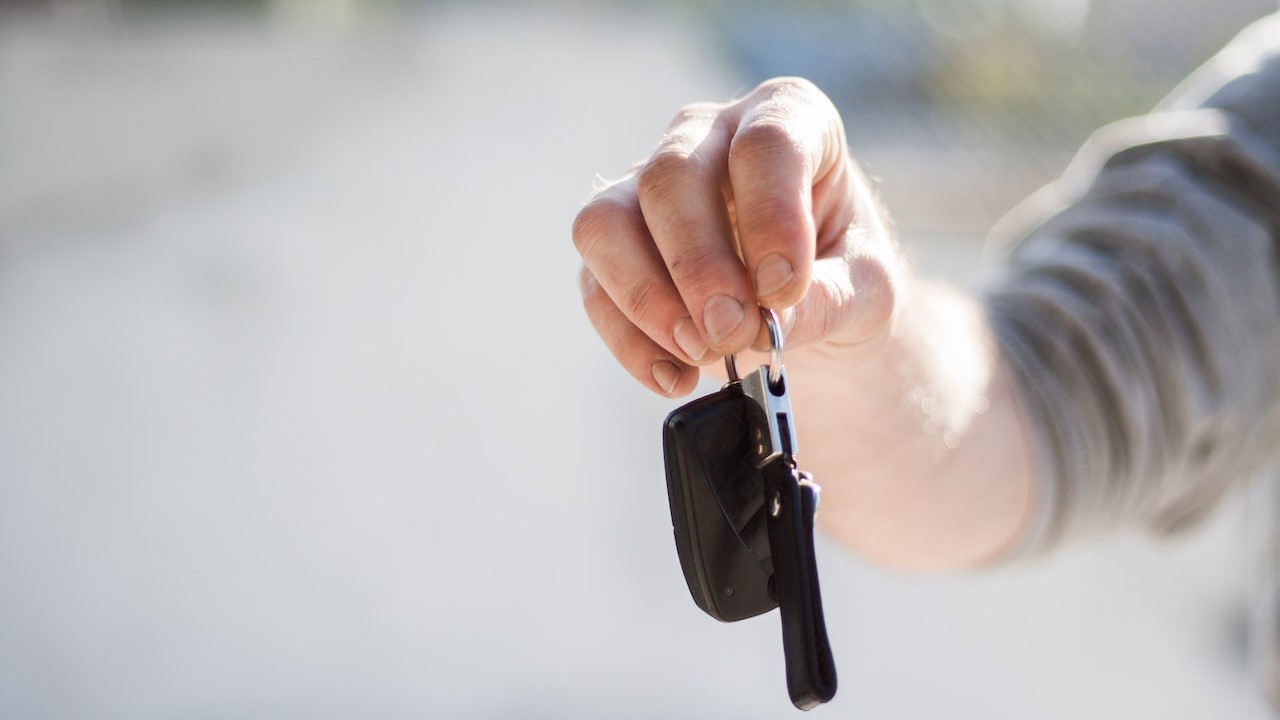
Person in Grey Shirt Handing Keys | Goodwill Car Donations Photo by Negative Space under Pexels License

What First-Time Car Buyers Need to Know

Buying a car is definitely not a walk in the park. Whether you’re buying a brand-new or used car, you need to do some serious thinking and research about the vehicle you’re going to buy. You have to consider a lot of factors. Don’t just go with the one that first catches your eye if you don’t want to regret your decision later on.

So before you race off to the nearest dealership in your area, consider the five tips below. They’ll be extremely useful in guiding you as you make your first vehicle purchase:

  1. Have a budget in mind.

Don’t buy a model that’s out of your price range. Purchasing a car that you can’t afford is a great way to put yourself in debt. Remember that the vehicle’s retail price isn’t the end of your expenses. You still have to take into account other things like gas, possible repairs, and other related purchases.

  1. Do your research.

Research the different car models that can fit your budget. Read reviews, common complaints, as well as the usual problems encountered by owners of the model. The last thing you’d want is to get stuck with a car model that’s shiny on the outside but riddled with problems on the inside!

  1. Explore your options.

Don’t stick with one dealership; go out and explore! This applies whether you’re buying a secondhand car or a brand-new one. You can get great discounts as well as other incentives that a particular dealership may offer. Pro tip: Casually mention you’re checking out other dealers and you’re considering buying from a competitor!

  1. Save up if possible.

If you’ve got enough cash to purchase your chosen car at its retail price, that’s your best option. If you can’t afford it yet, it’s a good idea to save up so you can at least afford to pay the bigger downpayment than the minimum. A bigger downpayment means a smaller amount to be financed, which means you’ll end up paying less in interest.

  1. If you’re buying a used car, do your due diligence.

While a used car can be the better choice for you financially, you have to make sure you won’t get ripped off. Bring along a good mechanic or have the car brought to a reputable shop before you make the purchase. You’d want to inspect it thoroughly to make sure there are no hidden problems that the dealer isn’t mentioning.

Buying a New Car? Here’s What You Can Do With Your Old One

If you’re planning to purchase a new car, keeping your old vehicle can be challenging. You’d have a lot of work in your hands just to take care of it, not to mention the extra expenses for maintenance. Why go through all that hassle when you can use it for a meaningful purpose?

Consider donating your used commuter car to us at Goodwill Car Donations. We’ll provide you with amazing rewards while allowing you to lend a helping hand to the impoverished and disadvantaged individuals in your community. These are the men and women living among you who are burdened with disabilities, lack of education, job experience, or essential skills, and other hindrances that constrain them from harnessing their full potential so they can secure decent and stable sources of income, which serve as their key to escaping a life of poverty.

You can help turn their lives around with your vehicle donation. We will auction off your car and turn over the proceeds to the Goodwill organizations serving your local area. These IRS-approved 501(c)(3) nonprofits cater to disadvantaged individuals and use the funding coming from charitable contributions to help finance the services they provide to their beneficiaries. These services include job and skills training, career opportunities, vocational and educational services, internship programs, financial support, and disability benefits.

We’ll pick up and tow your vehicle for free wherever you are located in the country. Your donation will also entitle you to receive the maximum tax deduction in the next tax season.

More importantly, your act of charity will bring you an immense sense of satisfaction, knowing that you’ll be contributing to the growth and development of your community by empowering your needy fellow residents through work and learning.

We accept almost all types of vehicles, including those that have dents and scratches and a few missing or defective parts. Apart from cars, we also take RVs, motorcycles, trailers, trucks, vans, golf carts, snowmobiles, fleet vehicles, and boats.

To learn more about our donation program, including our quick and easy donation process, head over to our FAQs page. If you have questions or concerns, tell us about them here. We will respond to you within 24 hours. You may also call our toll-free hotline at 866-233-8586. We’d be happy to hear from you!

Bring Hope to the Needy with Your Car Donation Today!

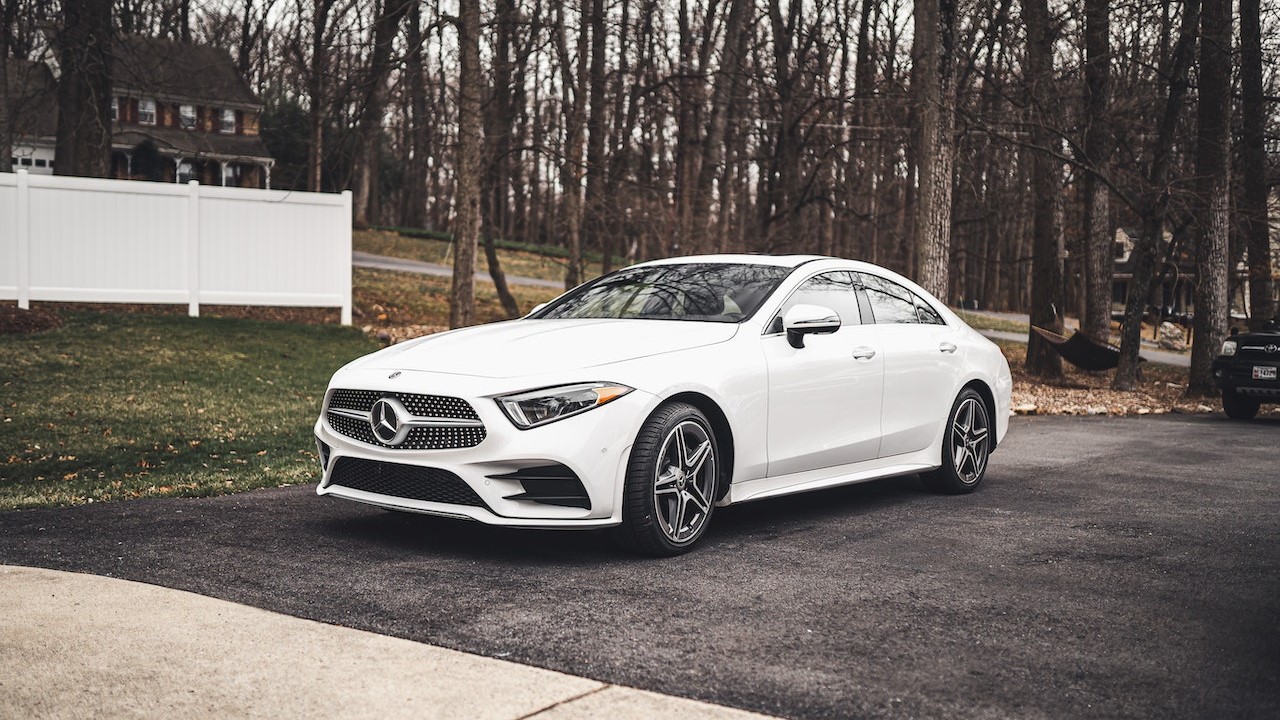
White Mercedes-Benz Sedan Parked on Pavement | Goodwill Car Donations Photo by Garvin St. Villier under Pexels License

Your vehicle donation can transform the lives of the disadvantaged residents of your community. It’s bound to provide them a brighter future. Call Goodwill Car Donations at 866-233-8586 or fill out our online donation form now!


When to Replace Your Brake Pads

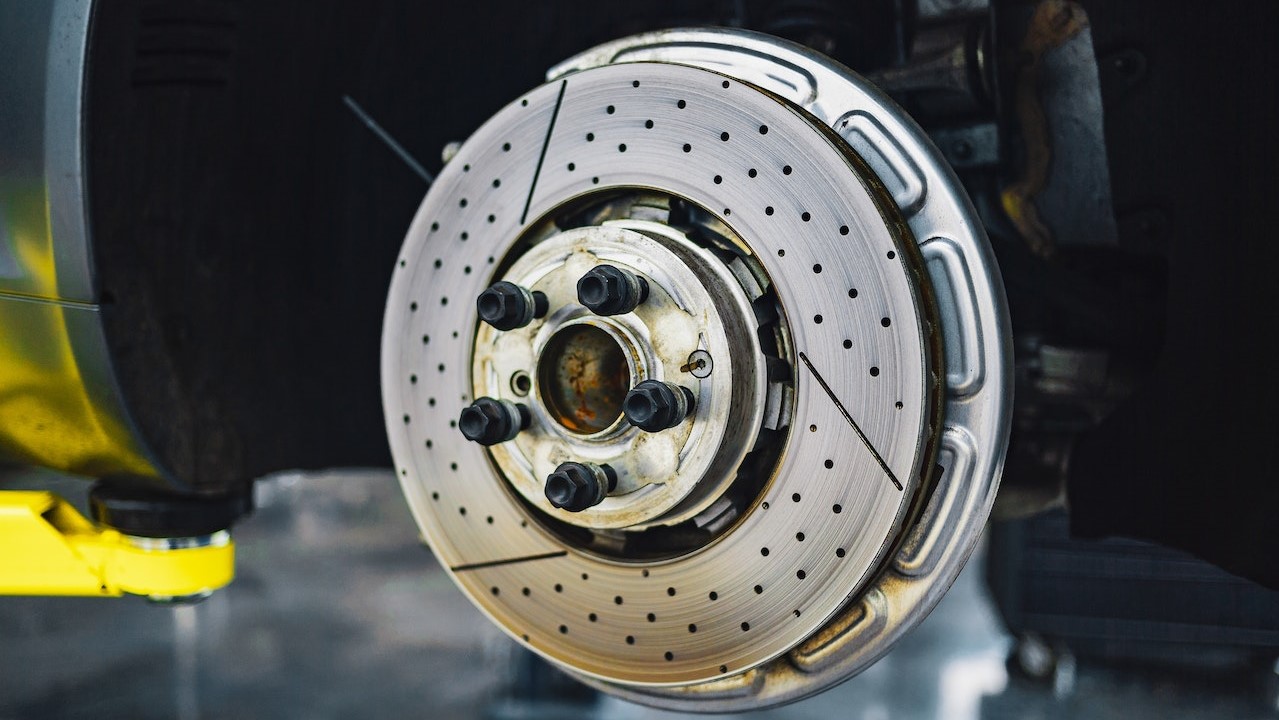
Disk brake in car service workshop | Goodwill Car Donations Photo by Jae Park under Pexels License

Get to Know These 4 Warning Signs

Did you know that brake pads have to be replaced every 40,000 to 50,000 miles? However, this largely depends on driving conditions and styles. Brake pads work to create friction that helps stop your vehicle each time they’re pressed against the brake rotor or the brake drum. As such, brake pads are considered crucial for your safety.

To make sure that your vehicle’s braking system remains consistent in executing safe and swift stops, knowing when to replace your brake pads is highly recommended. You need to do this when the time is right or when your brakes show warning signs.

When Do You Need to Replace Your Brake Pads?

Fortunately, when your brake pads are starting to wear down, you’ll likely experience some minor symptoms. To make sure that your brake pads won’t compromise your safety and that of your passengers and fellow motorists, Goodwill Car Donations shares these four warning signs that tell you it’s time to replace your brake pads before they lose their effectiveness.

  1. Screeching noise that comes from the brakes

One obvious sign that signals the need for brake pad replacements is a persistent screeching noise each time you pump the brakes. Although this noise is expected at some point, especially during rainy days, having screeching sounds can still indicate a problem.

  1. Crushing and relentless metal sounds

Another notable sign that should prompt you to replace your brake pads is the sound of crushing metal. Worn brake pads can also produce a low rumbling growl or a noise that resembles metal grinding. Ignoring this problem will result in further damage to your vehicle’s braking system, which may require costly repairs.

  1. Dashboard’s indicator light turns on

Some vehicles are equipped with indicator lights that let you know if it’s time for brake pad replacements. Once you see the indicator light turned on, be sure to resolve the issue right away.

  1. Vibrating car brake pedal

Another sign that you need to replace your brake pads is when the brake pedal feels unsteady or vibrates as you press it down. If this happens to you often, it means your brake pads need to be replaced.

Here’s the Best Way to Dispose of Your Clunker

No matter how much you love your car, you’ll eventually see tell-tale signs that it’s time to part ways with it. Your car’s frequent breakdowns and costly repairs can take their toll on your nerves as well as your bank account. There may come a time when the total cost of having your car fixed may even surpass its actual value.

Before this happens, consider letting go of your clunker in the best possible way. By handing it over to us at Goodwill Car Donations, we’ll help you dispose of your ride in the easiest way possible and at no cost to you. At the same time, your donation will greatly benefit the disadvantaged people in your community.

We’ll have your vehicle auctioned off with the generated funds going straight to the Goodwill organizations serving your area. These IRS-approved 501(c)(3) nonprofits cater to disadvantaged Americans — those who are burdened with disabilities, lack of education, job experience, or essential skills, and other handicaps (such as having prison records) that make it difficult for them to find decent sources of income.

Goodwill organizations use the money they get from the sale of donated vehicles to finance their programs aimed at empowering disadvantaged individuals. From these programs, beneficiaries get job training, employment opportunities, scholarships, livelihood assistance, disability benefits, and other critical community-building support services.

Making a Goodwill car donation is super easy. You’ll be taking the easiest route to dispose of your clunker while getting valuable rewards at the same time. We’ll pick up and tow your vehicle for free wherever you are located in the United States. Your donation will also entitle you to receive the maximum tax deduction in the next tax season.

Moreover, your act of charity will bring you an immense sense of satisfaction, knowing that you’ll be contributing to the growth and development of your community by empowering your needy fellow residents through work and learning.

You can donate not just cars, pick-up trucks, or motorcycles but also golf carts, unused farm tractors, and many other vehicles, including boats. We’ll welcome whatever type of vehicle you donate regardless of its condition.

Want to know more? Find more information about Goodwill Car Donations by visiting our FAQs page.  You can also give us a call at 866-233-8586 or contact us here.

Black BMW | Goodwill Car Donations Photo by Benjamin Child under Unsplash License

Turn Your Beater into a Life-Changer Today!

A car that you no longer need can help transform the lives of the disadvantaged residents of your community. Help make a difference in their lives and your community as well by donating your clunker to us. Call Goodwill Car Donations at 866-233-8586 or fill out our online donation form now!


5 Possible Reasons Why Your Car Is Leaking Oil

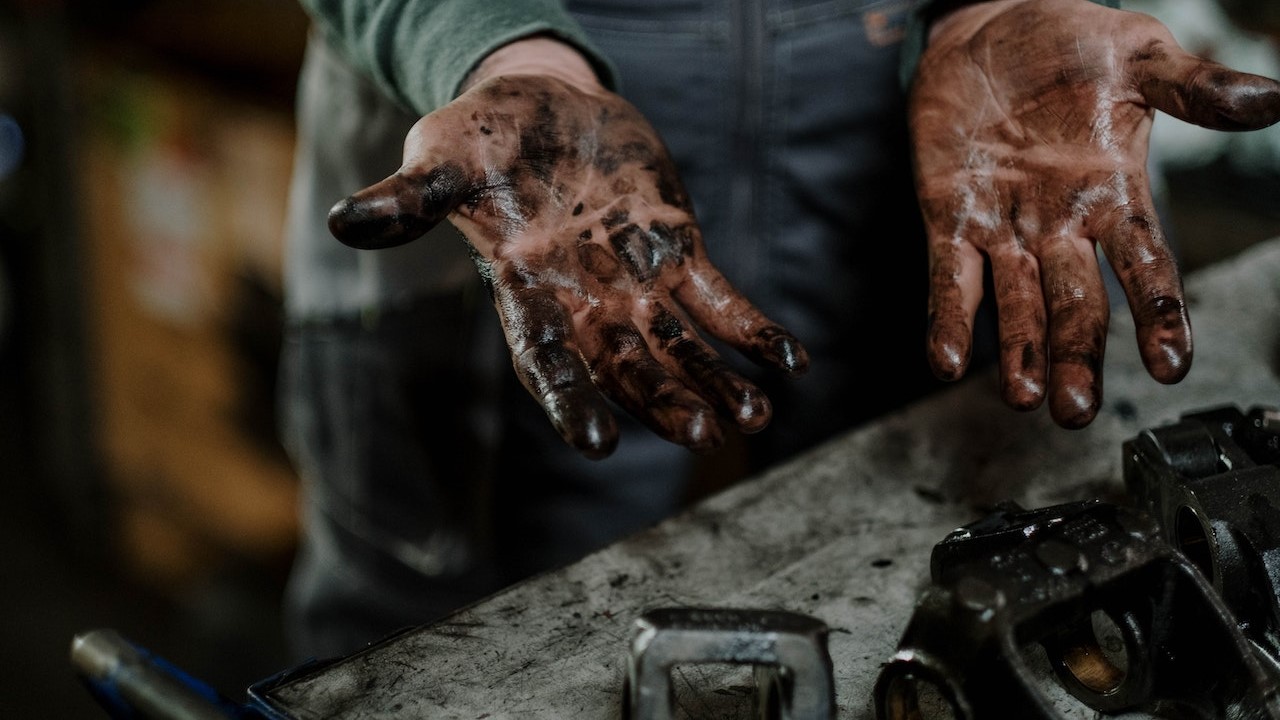
Hand full of grease | Goodwill Car Donations Photo by cottonbro studio under Pexels License

This Is Something You Should Never Ignore

Have you experienced starting your car and seeing an oil warning light flashing on your dashboard? Or perhaps you hit a bump or something on the road and suddenly the light flashes a few minutes later? Uh-oh! You might have an oil leak on your hands!

Modern vehicles have two different lights related to the oil system. You need to identify what this light is telling you. The first light, which is orange in color, indicates that it is time to change your oil. The second light, which is typically red, alerts you to a potentially more critical issue such as having a low oil, low pressure, faulty sensor, or faulty pump.

When you see an oil warning light on your dashboard, the first thing you need to do is use the dipstick to see how much oil is in the reservoir. If the oil level is low, add some more oil. When you restart your car and the dashboard oil warning light is no longer there, then you have solved the problem. However, if the light is still on, you may be facing a bigger issue. Have your vehicle serviced for maintenance right away.

If you’ve got an oil leak, make sure to get it addressed immediately. Take a look at some of the common reasons why these leaks happen.

  1. Oil is draining out.

Loosened or worn-out drain plugs can cause leaks. These plugs are located at the base of your oil pan. They wear out or get loosened over time, especially when your car runs over debris on the road.

  1. Your engine gasket needs replacing.

Oil creates sludge over time, which is harmful to the gasket. Once the gasket degrades, the oil will leak out.

  1. The oil pan is damaged.

Large rocks, potholes, bumps, and other debris can cause damage to your oil pan. When it gets dented or suffers other damages, the seal can become loose and allow oil to leak.

  1. The oil filler cap is broken or loose.

If your oil filler cap is not sealed properly or is broken, oil can spill out while you’re driving (especially if you hit big bumps).

  1. The oil filter is worn out or misaligned.

The oil filter wears out over time or gets misaligned with constant use of your car. If this happens, it can cause your vehicle to use more oil than it normally needs.

Don’t Know What to Do with Your Beater? Talk to Us!

Getting stressed over your car leaking oil and showing other signs of deterioration? Are you worried that you might still face serious car problems even if you bust your wallet in paying for your clunker’s costly repairs?

You can stop worrying and have peace of mind by simply handing over that vehicle to us at Goodwill Car Donations. We’ll quickly pick up and haul off your clunker at no cost to you. We’ll then use your donation to improve the lives of the disadvantaged residents of your community. These are the folks who are suffering from disabilities, lack of education, job experience, or essential skills, and other personal issues that keep them chained to a life of poverty.

We’ll have your vehicle auctioned off, with the proceeds used to support the life-enhancement programs and services being delivered by the Goodwill organizations serving your local area. These IRS-certified 501(c)(3) nonprofits cater to disadvantaged individuals, providing them with job training, employment opportunities, scholarships, livelihood assistance, disability benefits, and other critical community-building support services.

Donating to us is easy and convenient. You’ll be doing it in the comfort of your home. Making a Goodwill car donation means a hassle-free experience that’s free of paperwork, complicated steps, and unnecessary requirements.

Moreover, your charitable contribution will entitle you to receive surprisingly useful perks, such as getting our free towing service and the maximum tax deduction that you can claim in the next tax season.

Best of all, you’ll find unsurpassed satisfaction in having done something that will benefit your entire community since once idle members will have opportunities to attain financial stability and live productive and fulfilling lives, thanks to your donation.

We accept a wide range of vehicle types. Feel free to hand over your clunker to us regardless of its age or condition. We even take vehicles that don’t run or start anymore.

If you’re interested to know more about our vehicle donation program and the perks awaiting you, head over to our FAQs page. You can also give us a ring at 866-233-8586 or leave us a message here for any concerns or questions that you may have.

Are You Ready to Make a Difference?

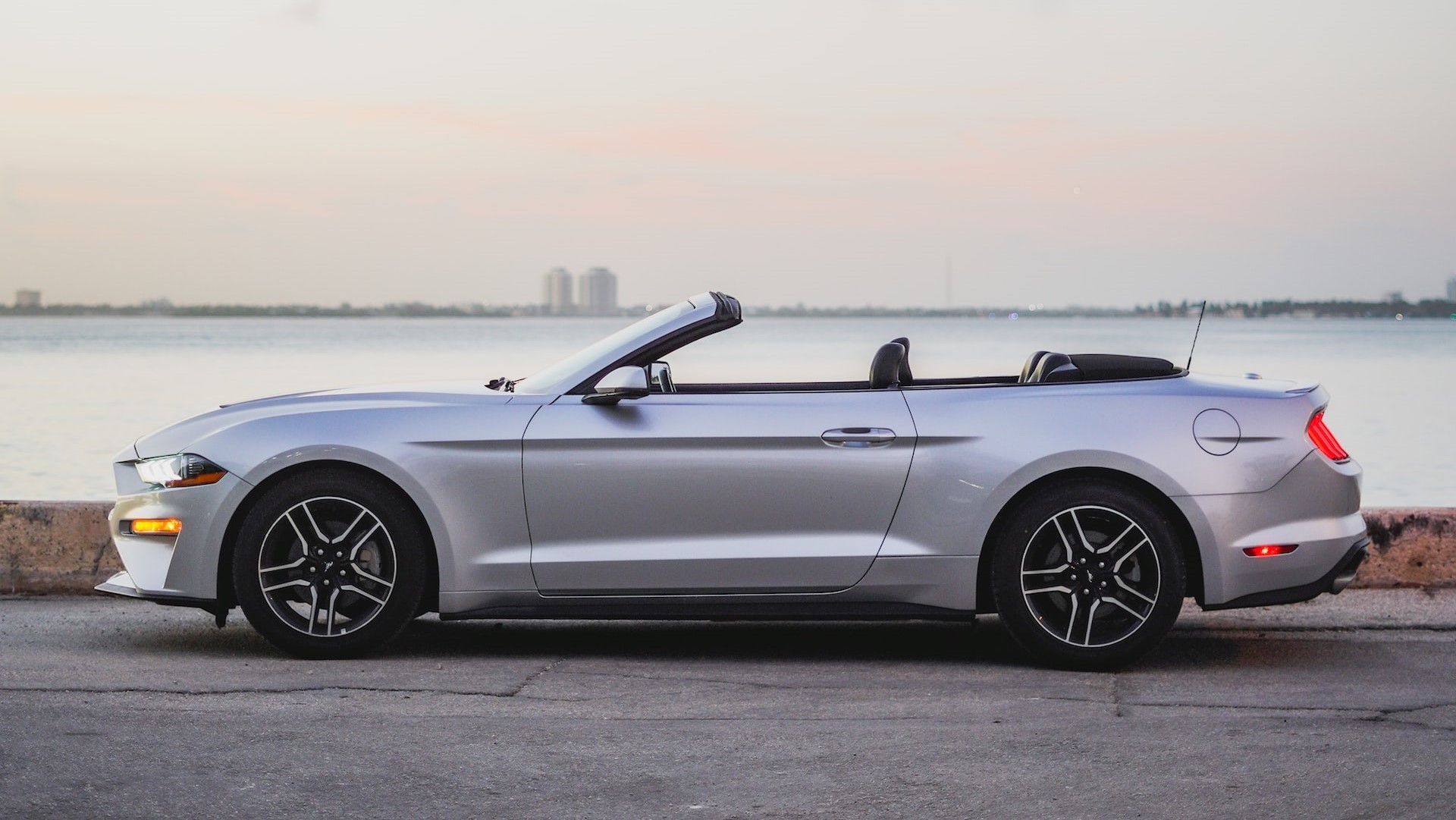
Silver convertible car parked near the shore | Goodwill Car Donations Photo by Michal Mokrzycki under Unsplash License

Your unwanted car still has value! Donate it to us at Goodwill Car Donations and make a difference in the lives of the disadvantaged people in your community. Call our toll-free line at 866-233-8586 or fill out our online donation form now!


Top 10 Most Stolen Vehicles

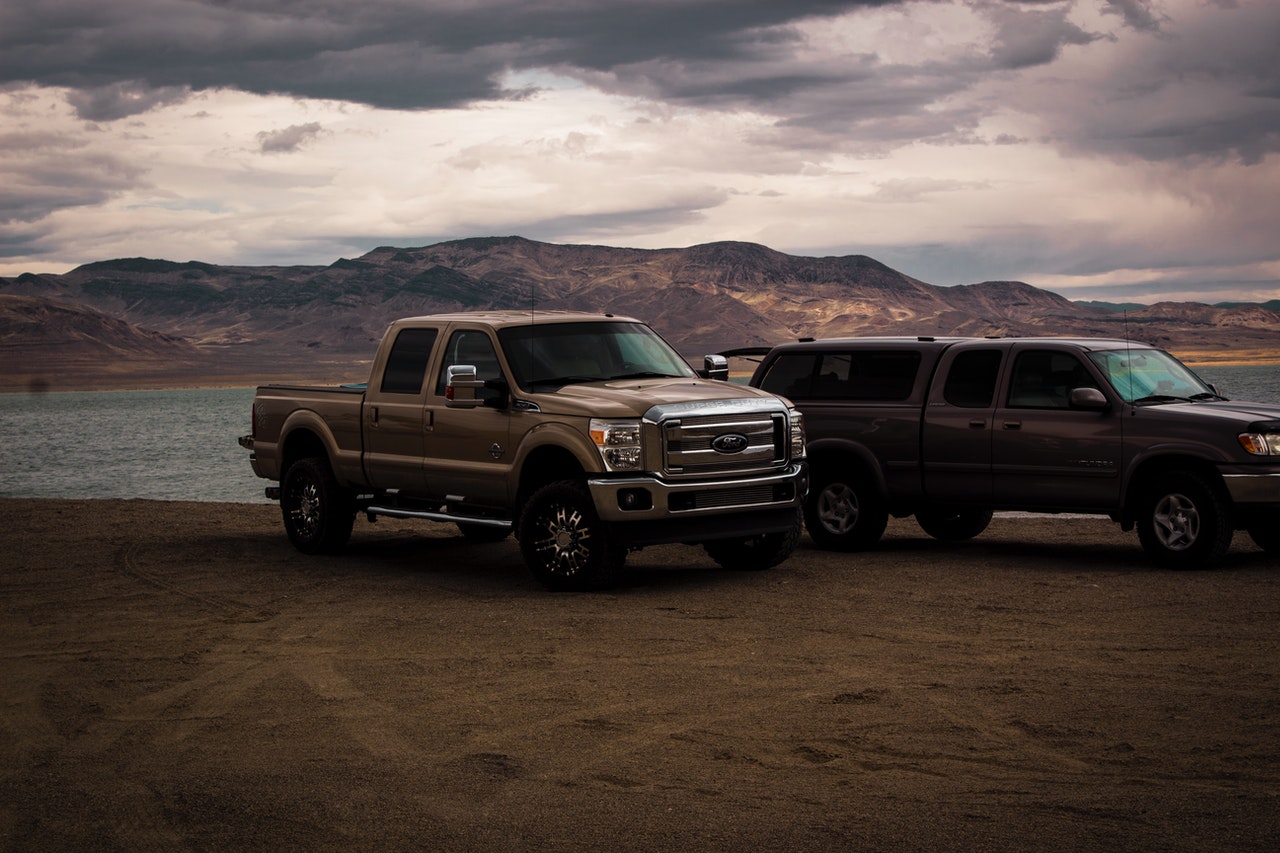
Ford Pick-up in an Afternoon | Goodwill Car Donations Photo by Kendall Hoopes under Pexels License

These Are the Most Common Targets of Car Thieves

Every 42.2 seconds, a vehicle is stolen somewhere in the United States, according to the National Insurance Crime Bureau (NICB).

Stolen cars are usually driven off or towed away to a “chop shop” where they are dismantled into various components. These parts are then sold to unscrupulous vendors who would sell them to auto shops and unsuspecting consumers, typically through the internet. Highly professional thieves can strip an automobile of its most valuable parts right where it is parked.

While we may believe that car thieves often go for flashy sports cars and expensive luxury rides, it’s actually quite the opposite. You might be surprised to learn from the list below that majority of stolen vehicles are among the most sedate wheels you’ll find on the road.

Older popular cars are often targeted by crooks because to them, they are worth more than the sum of their parts. Parts for popular models (especially airbags, wheels, catalytic converters, doors, and hoods) are in high demand because there’s a multitude of vehicle owners with the same models who need parts replacements. These parts generate an amount of money bigger than the value of the intact stolen vehicles themselves. The high demand for their parts makes these vehicles susceptible targets for robbers.

So, what are the top 10 most stolen vehicles in America as per NICB’s latest Hot Wheels report? Do you think your beloved car is one of them? Find out below!

  1. Ford F-Series Pickup (full-size)

Total thefts in 2019: 38,938

As the best-selling vehicle in the country for 43 years running, it’s no surprise that the Ford F-Series is an all-time favorite of car thieves. Ford’s full-size pickup is the most commonly stolen vehicle in 19 states. These are Colorado, Florida, Georgia, Hawaii, Indiana, Kansas, Kentucky, Louisiana, Michigan, Mississippi, Missouri, New Hampshire, New Mexico, Ohio, South Carolina, Texas, Virginia, West Virginia, and Wyoming.

  1. Honda Civic

Total thefts in 2019: 33,220

Since you can see Honda Civic almost everywhere you go, it makes sense that it ranks second on the list of top stolen cars. These compact cars share parts with other Honda vehicles, which is why they’re lucrative grabs for parts harvesters. The most stolen vehicle is the 2000 model-year Civic as it lacks the anti-theft features that more modern cars have.

  1. Chevrolet Pickup (full-size)

Total thefts in 2019: 32,583

Chevrolet pickups are another leading choice for thieves, with the 2004 model year as the most popular.

  1. Honda Accord

Total thefts in 2019: 30,745

The Accord is the number one most stolen automobile in some East Coast states, particularly in Connecticut, Delaware, Maryland, Massachusetts, New Jersey, New York, North Carolina, Pennsylvania, and Rhode Island. The 1997 model is the top choice among car burglars apparently because it’s easier to break into.

  1. Toyota Camry

Total thefts in 2019: 15,656

The fact that the Toyota Camry is the best-selling midsize sedan in the country makes it a tempting target for thieves. The demand for its parts is massive, and it’s nothing but a lucky day for sneaky crooks to see a Camry parked in an isolated area.

  1. Nissan Altima

Total thefts in 2019: 13,355

The 2015 Nissan Altima, which is the fourth-generation version, is the most treasured model of car snatchers.

  1. Toyota Corolla

Total thefts in 2019: 12,137

If you own a Corolla, particularly the 2018 model, and you happen to live in Washington D.C., you may need to be extra cautious on where you park it. This newer model is a hit among burglars even though it’s not the most exciting compact car to drive.

  1. Dodge Pickup (full-size)

Total thefts in 2019: 11,292

The full-size Dodge pickup isn’t only known for generating some of the most speeding tickets, but it is also popular for being a theft magnet. The Dodge brand is no longer selling new trucks, which makes it harder for Dodge owners to look for available parts. With a limited supply of engine parts, it’s no wonder why these pickups are frequent targets of theft.

  1. GMC Pickup (full-size)

Total thefts in 2019: 11,164

What do car thieves in Maine, Alaska, and Arkansas have in common besides their expertise? They value GMC pickups! The most stolen version is surprisingly a later model, the 2018 GMC Sierra.

  1. Honda CR-V

Total thefts in 2019: 10,094

Apart from its spacious interior, reliability, and affordable price, the Honda CR-V is a known target for thieves. Parts for the older generation and discontinued CR-V models are in high demand.

Donate an Unwanted Vehicle for a Worthwhile Cause

Speaking of cars, do you have one that you don’t find useful anymore? What if we told you that you can convert it into a life-changing instrument for the needy folks in your community? These are the men and women who are burdened with disabilities, lack of education, job experience, or essential skills, and other personal hindrances that make it difficult for them to find decent jobs and livelihoods.

When you donate your unwanted vehicle to us at Goodwill Car Donations, we’ll use it to improve their lives by harnessing their full potential through work and learning.

Once we get a hold of your vehicle, we’ll sell it through an auction to raise funds for the community-based life-enhancement programs and services of the Goodwill organizations serving your area. These IRS-certified 501(c)(3) nonprofits use the money sourced from vehicle donations to provide their beneficiaries with job training, employment opportunities, scholarships, livelihood assistance, disability benefits, and other critical community-building support services.

As a Goodwill donor, you’ll enjoy awesome perks. Aside from the joy of knowing that you’ll be helping less fortunate folks around you achieve financial stability and a much better quality of life, you’ll also find satisfaction when we haul off your vehicle for free and entitle you to receive the maximum tax deduction in the next tax season.

We accept nearly all vehicle types, even those that are no longer working properly.

If you need more information about our quick and easy donation process, head over to our FAQs page. For your questions or concerns, call us at 866-233-8586 or contact us online.

Reach Out to Disadvantaged Folks Today!

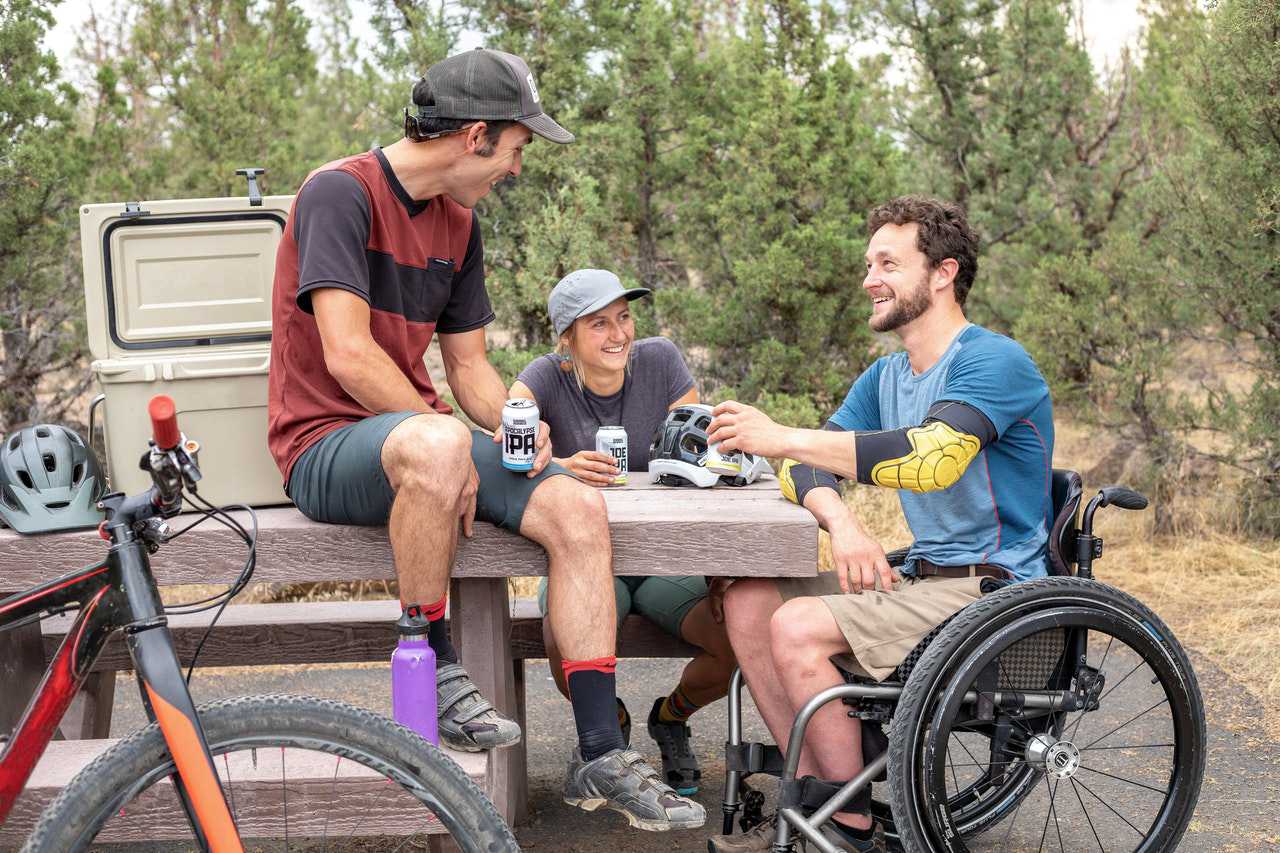
Travelling on Wheelchair | Goodwill Car Donations Photo by ELEVATE under Pexels License

What’s the point of leaving your clunker to rust in your garage when you can dispose of it in the most meaningful way possible? Donating it to Goodwill Car Donations will inject new vigor into the lives of the disadvantaged individuals in your community. Call us at 866-233-8586 or fill out our online donation form now!