How Do You Fill Your Car Tires With Air?

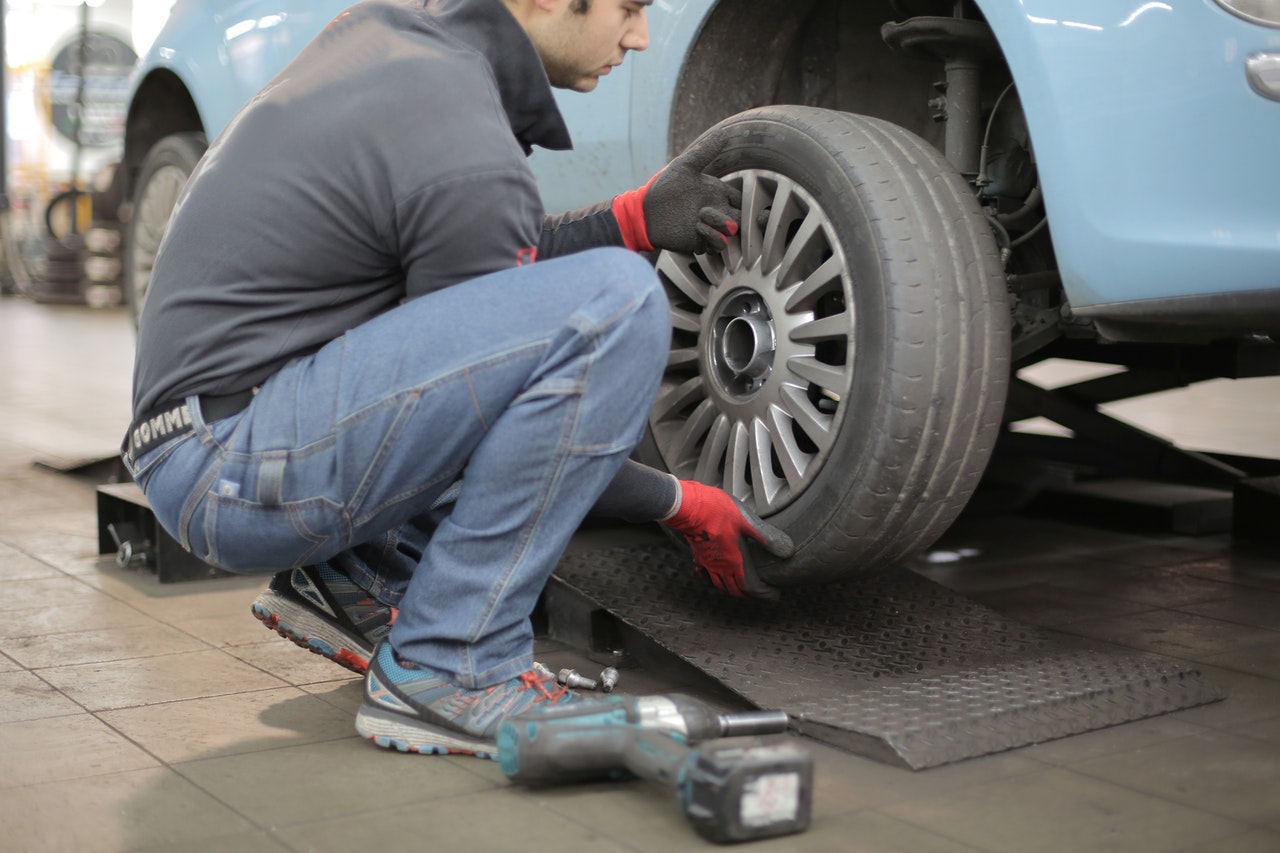
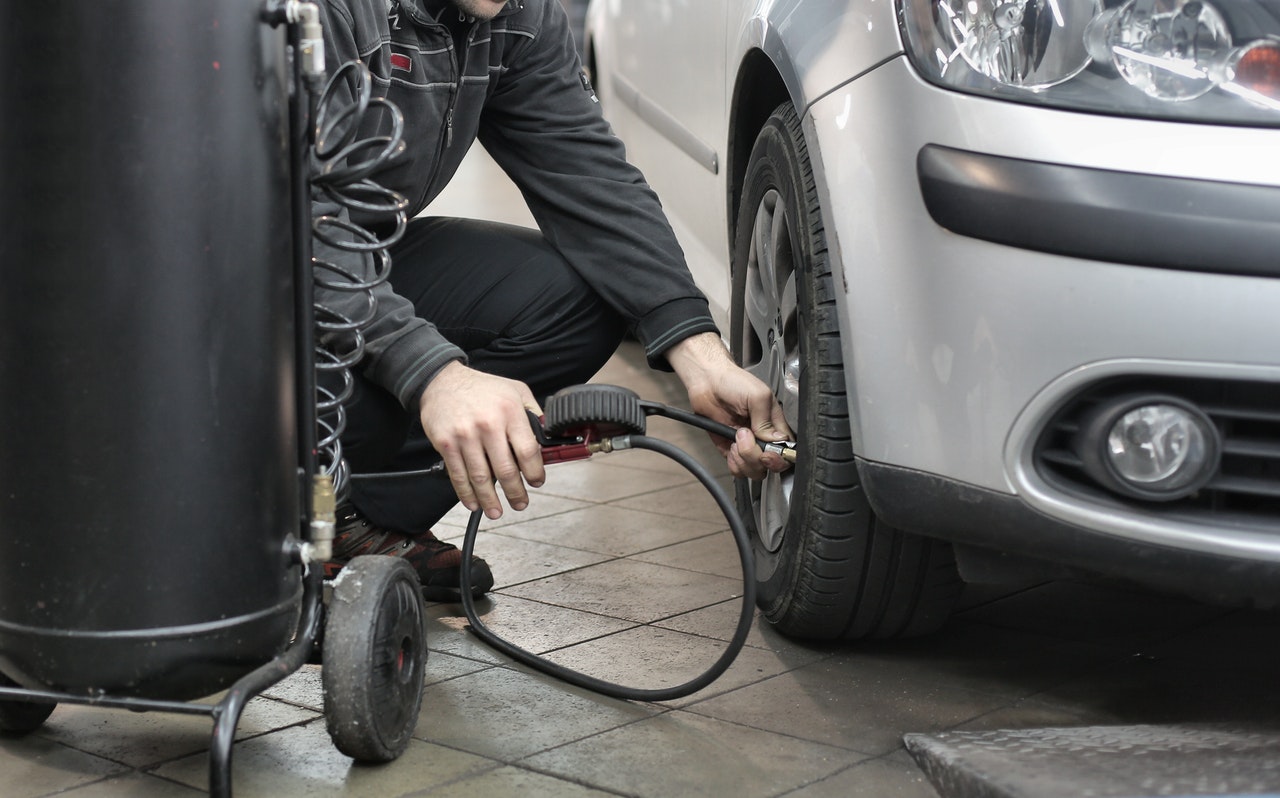
Filling Air in Car Tire | Goodwill Car Donations Photo by Andrea Piacquadio under Pexels License

3 Simple Steps to Inflating Your Vehicle’s Tires

Do your tires look a bit droopy? Are they looking like ice cream that’s slowly melting? If they are, they’re probably low on air pressure or underinflated. It’s normal for tires to experience air loss every month, with the normal range at around 1-3 pounds per square inch (psi).

Sometimes, it’s caused by temperature changes and the air becoming denser, but there can also be other causes such as punctures, rim damage, or a broken-down tire valve stem.

Whatever the cause may be, driving on underinflated tires makes for poor fuel economy, longer stopping distance when braking, and poorer handling for the vehicle. Your tires also wear out faster, which could lead to costly tire replacements and other expenses if not potentially disastrous road accidents.

Filling your car tires with air isn’t complicated. All you have to do is follow these three simple steps as laid out by Goodwill Car Donations:

  1. Turn off your engine if it’s still on.

If you’re at a gas station, make sure your vehicle is parked near the air dispenser and the hose can reach all four tires easily. Some tire inflators have gauges with them. They can either be digital or dial gauges (circular-shaped gauges).

  1. Remove the cap of your tire’s valve stem and attach to it the nozzle of your inflator. Begin inflating your tire.

If you’re using a modern tire inflator that has a digital gauge, you can input there the recommended psi for your tire. The device will then automatically inflate your tire according to the psi you’ve entered.

For manual inflation, you’ll need to roll up your sleeves, use a manual tire inflator, attach its nozzle to your tire’s valve stem, and inflate your tire by pumping air into it. Inflate until you reach the recommended psi level for your tire.

  1. Double-check that all your tires are properly inflated at their recommended psi level.

If you’re at a gas station, use a tire gauge to double-check the air pressure as some hose gauges are inaccurate. Make sure to tightly close the valve stems with their caps once you’re done.

A Way to Uplift Lives Using Your Clunker

Learning how to fill your car tires with air is super easy. What’s not easy is overcoming obstacles in life when faced with disadvantages. That’s the situation some people in your community are grappling with. They are those who are burdened with disabilities, lack of essential skills, job experience, or education, and other personal circumstances (such as being welfare-dependent or having prison records). These disadvantages greatly limit their ability to find the means to break free from poverty.

You can do something simple to help them. If you have an old car or any other type of vehicle that’s no longer useful to you, that’s all you need to touch their lives. All you have to do is to donate that clunker to us at Goodwill Car Donations.

We’ll have your vehicle auctioned off with the generated funds going straight to the Goodwill organizations serving your area. These IRS-approved 501(c)(3) nonprofits use the money sourced from the sale of donated vehicles to finance their programs aimed at empowering disadvantaged individuals. From these programs, beneficiaries get job training, employment opportunities, scholarships, livelihood assistance, disability benefits, and other critical community-building support services.

Making a Goodwill car donation is super easy. You’ll be taking the easiest route to dispose of your clunker while getting your fair share of rewards at the same time. We’ll pick up and tow your vehicle for free wherever you are located in the United States. Your donation will also entitle you to receive the maximum tax deduction in the next tax season.

Moreover, your act of charity will bring you an immense sense of satisfaction, knowing that you’ll be contributing to the growth and development of your community by empowering your needy fellow residents through work and learning.

You can donate not just cars, pick-up trucks, or motorcycles but also golf carts, unused farm tractors, and many other vehicles, including boats. We’ll welcome whatever type of vehicle you donate regardless of its age or condition.

Interested to know more? Find more information about Goodwill Car Donations by visiting our FAQs page.  You can also give us a ring at 866-233-8586 or contact us here.
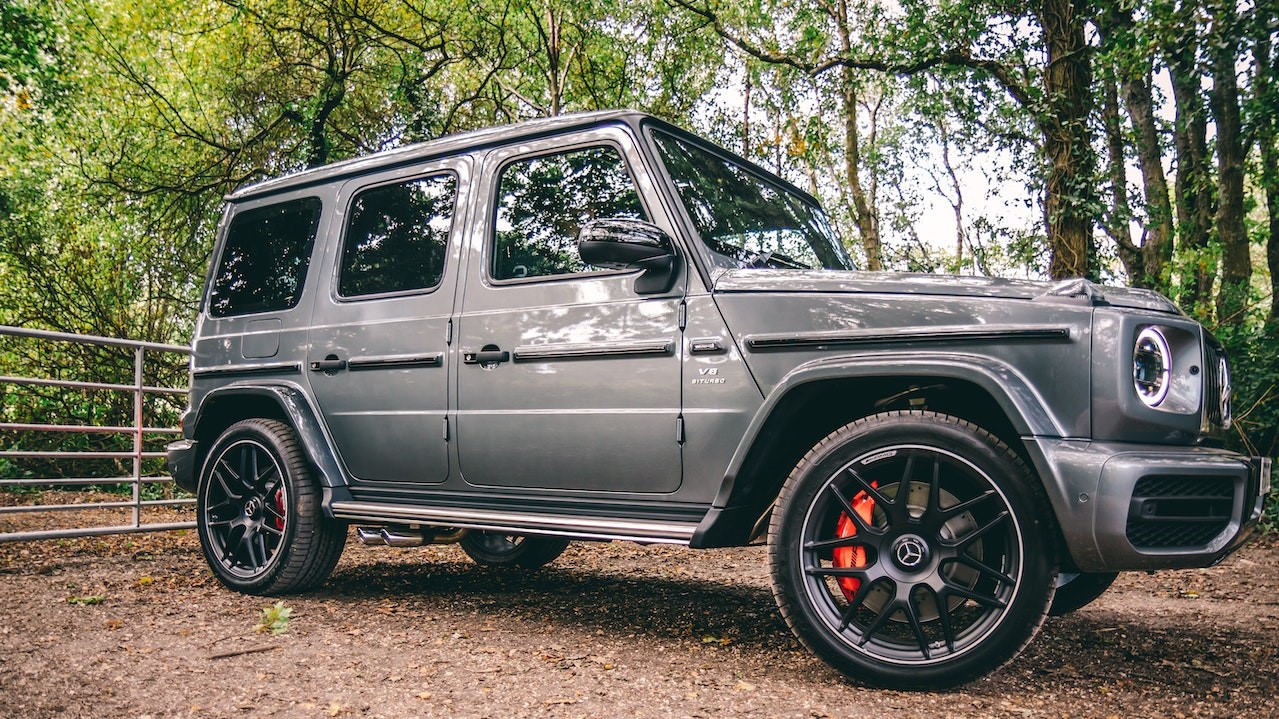
Mercedes-Benz G-Classs | Goodwill Car Donations Photo by Lloyd Freeman under Pexels License

Donate Today and Be a Hero Today!

We’ve made helping needy residents of your community as easy as filling your car tires with air. All you have to do is contact us. You got nothing to lose except the clunker that you’re thinking of disposing of anyway. Call Goodwill Car Donations at 866-233-8586 or fill out our online donation form now!
Car Buying Doesn’t Have to Be Scary! Here Are 5 Tips to Make Car Buying Easy

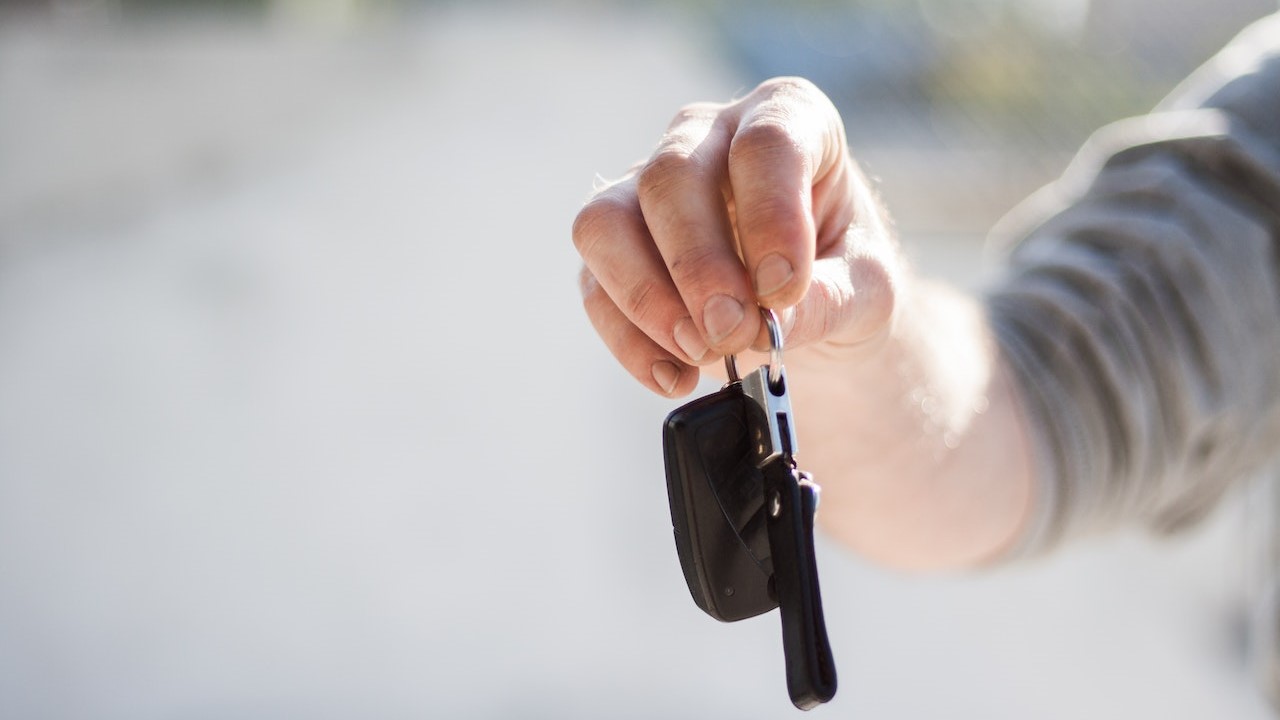
Person in Grey Shirt Handing Keys | Goodwill Car Donations Photo by Negative Space under Pexels License

What First-Time Car Buyers Need to Know

Buying a car is definitely not a walk in the park. Whether you’re buying a brand-new or used car, you need to do some serious thinking and research about the vehicle you’re going to buy. You have to consider a lot of factors. Don’t just go with the one that first catches your eye if you don’t want to regret your decision later on.

So before you race off to the nearest dealership in your area, consider the five tips below. They’ll be extremely useful in guiding you as you make your first vehicle purchase:

  1. Have a budget in mind.

Don’t buy a model that’s out of your price range. Purchasing a car that you can’t afford is a great way to put yourself in debt. Remember that the vehicle’s retail price isn’t the end of your expenses. You still have to take into account other things like gas, possible repairs, and other related purchases.

  1. Do your research.

Research the different car models that can fit your budget. Read reviews, common complaints, as well as the usual problems encountered by owners of the model. The last thing you’d want is to get stuck with a car model that’s shiny on the outside but riddled with problems on the inside!

  1. Explore your options.

Don’t stick with one dealership; go out and explore! This applies whether you’re buying a secondhand car or a brand-new one. You can get great discounts as well as other incentives that a particular dealership may offer. Pro tip: Casually mention you’re checking out other dealers and you’re considering buying from a competitor!

  1. Save up if possible.

If you’ve got enough cash to purchase your chosen car at its retail price, that’s your best option. If you can’t afford it yet, it’s a good idea to save up so you can at least afford to pay the bigger downpayment than the minimum. A bigger downpayment means a smaller amount to be financed, which means you’ll end up paying less in interest.

  1. If you’re buying a used car, do your due diligence.

While a used car can be the better choice for you financially, you have to make sure you won’t get ripped off. Bring along a good mechanic or have the car brought to a reputable shop before you make the purchase. You’d want to inspect it thoroughly to make sure there are no hidden problems that the dealer isn’t mentioning.

Buying a New Car? Here’s What You Can Do With Your Old One

If you’re planning to purchase a new car, keeping your old vehicle can be challenging. You’d have a lot of work in your hands just to take care of it, not to mention the extra expenses for maintenance. Why go through all that hassle when you can use it for a meaningful purpose?

Consider donating your used commuter car to us at Goodwill Car Donations. We’ll provide you with amazing rewards while allowing you to lend a helping hand to the impoverished and disadvantaged individuals in your community. These are the men and women living among you who are burdened with disabilities, lack of education, job experience, or essential skills, and other hindrances that constrain them from harnessing their full potential so they can secure decent and stable sources of income, which serve as their key to escaping a life of poverty.

You can help turn their lives around with your vehicle donation. We will auction off your car and turn over the proceeds to the Goodwill organizations serving your local area. These IRS-approved 501(c)(3) nonprofits cater to disadvantaged individuals and use the funding coming from charitable contributions to help finance the services they provide to their beneficiaries. These services include job and skills training, career opportunities, vocational and educational services, internship programs, financial support, and disability benefits.

We’ll pick up and tow your vehicle for free wherever you are located in the country. Your donation will also entitle you to receive the maximum tax deduction in the next tax season.

More importantly, your act of charity will bring you an immense sense of satisfaction, knowing that you’ll be contributing to the growth and development of your community by empowering your needy fellow residents through work and learning.

We accept almost all types of vehicles, including those that have dents and scratches and a few missing or defective parts. Apart from cars, we also take RVs, motorcycles, trailers, trucks, vans, golf carts, snowmobiles, fleet vehicles, and boats.

To learn more about our donation program, including our quick and easy donation process, head over to our FAQs page. If you have questions or concerns, tell us about them here. We will respond to you within 24 hours. You may also call our toll-free hotline at 866-233-8586. We’d be happy to hear from you!

Bring Hope to the Needy with Your Car Donation Today!

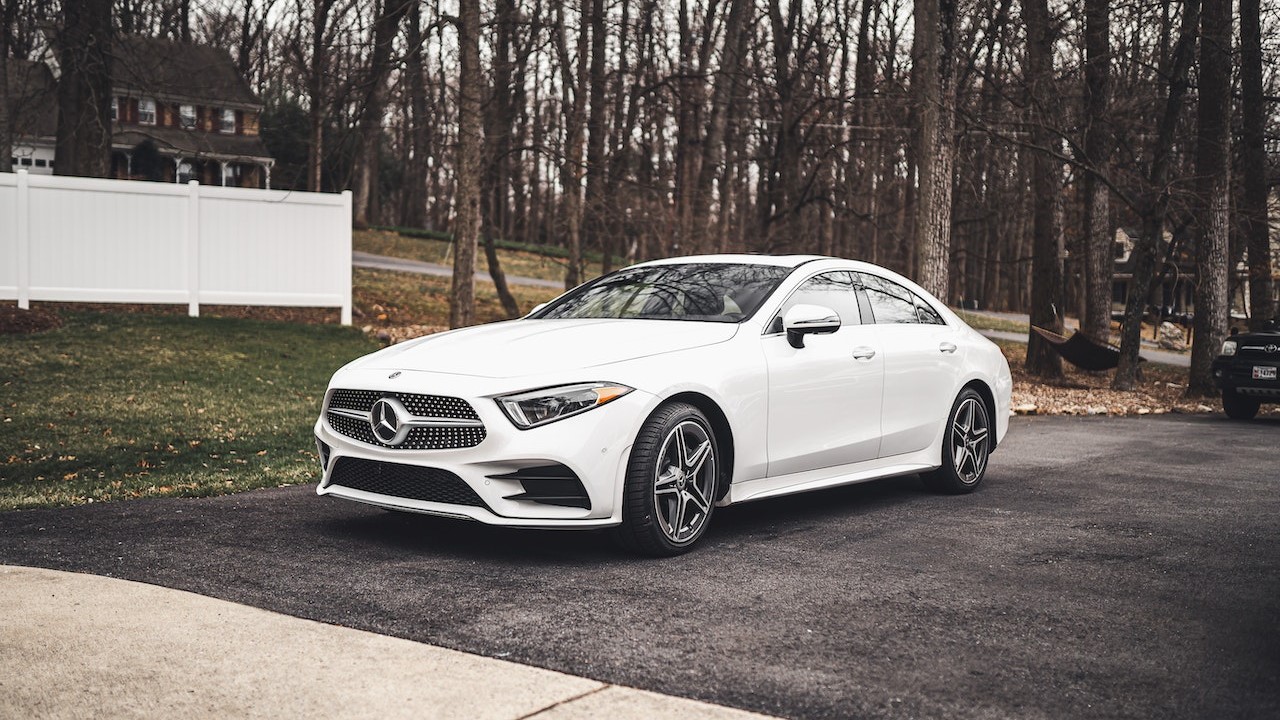
White Mercedes-Benz Sedan Parked on Pavement | Goodwill Car Donations Photo by Garvin St. Villier under Pexels License

Your vehicle donation can transform the lives of the disadvantaged residents of your community. It’s bound to provide them a brighter future. Call Goodwill Car Donations at 866-233-8586 or fill out our online donation form now!


When to Replace Your Brake Pads

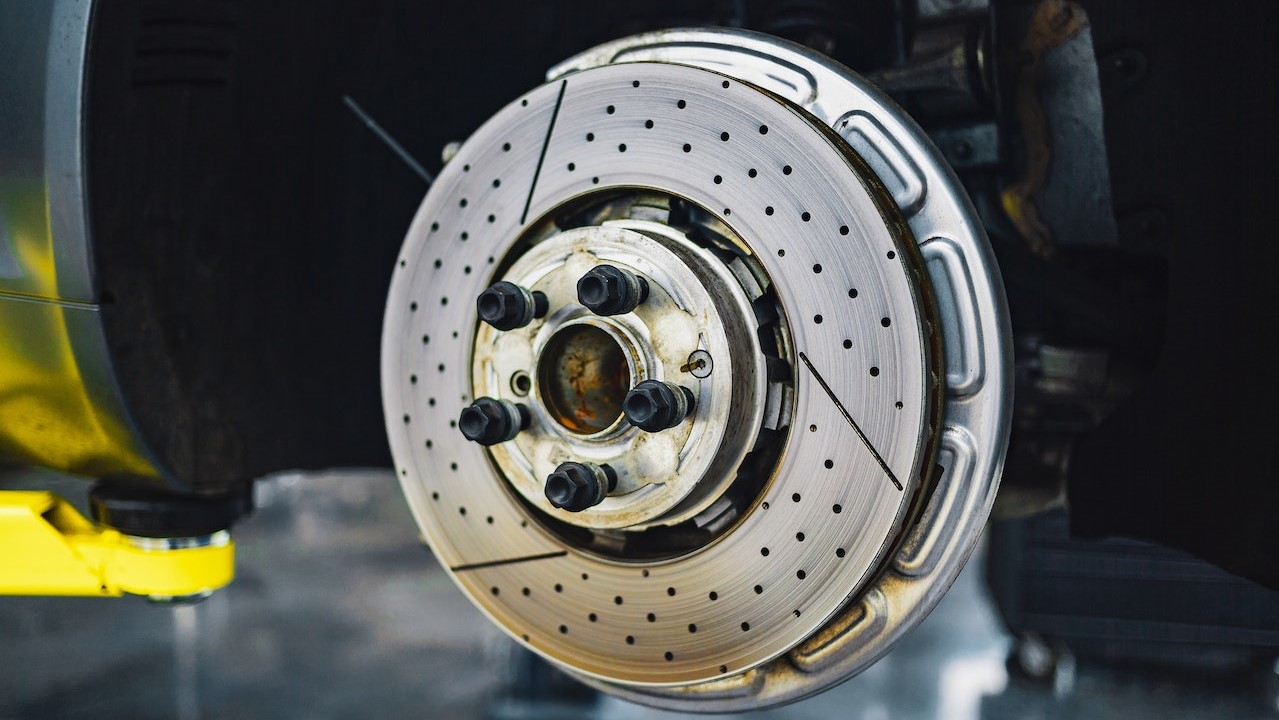
Disk brake in car service workshop | Goodwill Car Donations Photo by Jae Park under Pexels License

Get to Know These 4 Warning Signs

Did you know that brake pads have to be replaced every 40,000 to 50,000 miles? However, this largely depends on driving conditions and styles. Brake pads work to create friction that helps stop your vehicle each time they’re pressed against the brake rotor or the brake drum. As such, brake pads are considered crucial for your safety.

To make sure that your vehicle’s braking system remains consistent in executing safe and swift stops, knowing when to replace your brake pads is highly recommended. You need to do this when the time is right or when your brakes show warning signs.

When Do You Need to Replace Your Brake Pads?

Fortunately, when your brake pads are starting to wear down, you’ll likely experience some minor symptoms. To make sure that your brake pads won’t compromise your safety and that of your passengers and fellow motorists, Goodwill Car Donations shares these four warning signs that tell you it’s time to replace your brake pads before they lose their effectiveness.

  1. Screeching noise that comes from the brakes

One obvious sign that signals the need for brake pad replacements is a persistent screeching noise each time you pump the brakes. Although this noise is expected at some point, especially during rainy days, having screeching sounds can still indicate a problem.

  1. Crushing and relentless metal sounds

Another notable sign that should prompt you to replace your brake pads is the sound of crushing metal. Worn brake pads can also produce a low rumbling growl or a noise that resembles metal grinding. Ignoring this problem will result in further damage to your vehicle’s braking system, which may require costly repairs.

  1. Dashboard’s indicator light turns on

Some vehicles are equipped with indicator lights that let you know if it’s time for brake pad replacements. Once you see the indicator light turned on, be sure to resolve the issue right away.

  1. Vibrating car brake pedal

Another sign that you need to replace your brake pads is when the brake pedal feels unsteady or vibrates as you press it down. If this happens to you often, it means your brake pads need to be replaced.

Here’s the Best Way to Dispose of Your Clunker

No matter how much you love your car, you’ll eventually see tell-tale signs that it’s time to part ways with it. Your car’s frequent breakdowns and costly repairs can take their toll on your nerves as well as your bank account. There may come a time when the total cost of having your car fixed may even surpass its actual value.

Before this happens, consider letting go of your clunker in the best possible way. By handing it over to us at Goodwill Car Donations, we’ll help you dispose of your ride in the easiest way possible and at no cost to you. At the same time, your donation will greatly benefit the disadvantaged people in your community.

We’ll have your vehicle auctioned off with the generated funds going straight to the Goodwill organizations serving your area. These IRS-approved 501(c)(3) nonprofits cater to disadvantaged Americans — those who are burdened with disabilities, lack of education, job experience, or essential skills, and other handicaps (such as having prison records) that make it difficult for them to find decent sources of income.

Goodwill organizations use the money they get from the sale of donated vehicles to finance their programs aimed at empowering disadvantaged individuals. From these programs, beneficiaries get job training, employment opportunities, scholarships, livelihood assistance, disability benefits, and other critical community-building support services.

Making a Goodwill car donation is super easy. You’ll be taking the easiest route to dispose of your clunker while getting valuable rewards at the same time. We’ll pick up and tow your vehicle for free wherever you are located in the United States. Your donation will also entitle you to receive the maximum tax deduction in the next tax season.

Moreover, your act of charity will bring you an immense sense of satisfaction, knowing that you’ll be contributing to the growth and development of your community by empowering your needy fellow residents through work and learning.

You can donate not just cars, pick-up trucks, or motorcycles but also golf carts, unused farm tractors, and many other vehicles, including boats. We’ll welcome whatever type of vehicle you donate regardless of its condition.

Want to know more? Find more information about Goodwill Car Donations by visiting our FAQs page.  You can also give us a call at 866-233-8586 or contact us here.

Black BMW | Goodwill Car Donations Photo by Benjamin Child under Unsplash License

Turn Your Beater into a Life-Changer Today!

A car that you no longer need can help transform the lives of the disadvantaged residents of your community. Help make a difference in their lives and your community as well by donating your clunker to us. Call Goodwill Car Donations at 866-233-8586 or fill out our online donation form now!

5 Possible Reasons Why Your Car Is Leaking Oil

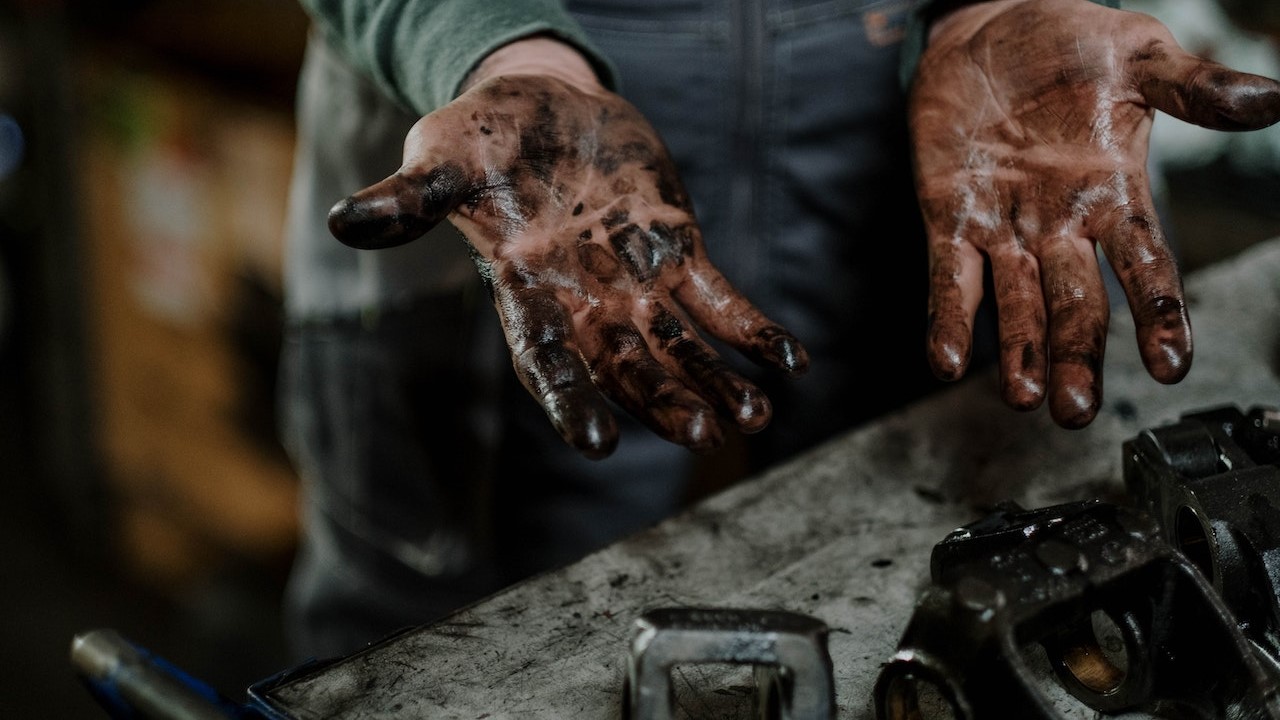
Hand full of grease | Goodwill Car Donations Photo by cottonbro studio under Pexels License

This Is Something You Should Never Ignore

Have you experienced starting your car and seeing an oil warning light flashing on your dashboard? Or perhaps you hit a bump or something on the road and suddenly the light flashes a few minutes later? Uh-oh! You might have an oil leak on your hands!

Modern vehicles have two different lights related to the oil system. You need to identify what this light is telling you. The first light, which is orange in color, indicates that it is time to change your oil. The second light, which is typically red, alerts you to a potentially more critical issue such as having a low oil, low pressure, faulty sensor, or faulty pump.

When you see an oil warning light on your dashboard, the first thing you need to do is use the dipstick to see how much oil is in the reservoir. If the oil level is low, add some more oil. When you restart your car and the dashboard oil warning light is no longer there, then you have solved the problem. However, if the light is still on, you may be facing a bigger issue. Have your vehicle serviced for maintenance right away.

If you’ve got an oil leak, make sure to get it addressed immediately. Take a look at some of the common reasons why these leaks happen.

  1. Oil is draining out.

Loosened or worn-out drain plugs can cause leaks. These plugs are located at the base of your oil pan. They wear out or get loosened over time, especially when your car runs over debris on the road.

  1. Your engine gasket needs replacing.

Oil creates sludge over time, which is harmful to the gasket. Once the gasket degrades, the oil will leak out.

  1. The oil pan is damaged.

Large rocks, potholes, bumps, and other debris can cause damage to your oil pan. When it gets dented or suffers other damages, the seal can become loose and allow oil to leak.

  1. The oil filler cap is broken or loose.

If your oil filler cap is not sealed properly or is broken, oil can spill out while you’re driving (especially if you hit big bumps).

  1. The oil filter is worn out or misaligned.

The oil filter wears out over time or gets misaligned with constant use of your car. If this happens, it can cause your vehicle to use more oil than it normally needs.

Don’t Know What to Do with Your Beater? Talk to Us!

Getting stressed over your car leaking oil and showing other signs of deterioration? Are you worried that you might still face serious car problems even if you bust your wallet in paying for your clunker’s costly repairs?

You can stop worrying and have peace of mind by simply handing over that vehicle to us at Goodwill Car Donations. We’ll quickly pick up and haul off your clunker at no cost to you. We’ll then use your donation to improve the lives of the disadvantaged residents of your community. These are the folks who are suffering from disabilities, lack of education, job experience, or essential skills, and other personal issues that keep them chained to a life of poverty.

We’ll have your vehicle auctioned off, with the proceeds used to support the life-enhancement programs and services being delivered by the Goodwill organizations serving your local area. These IRS-certified 501(c)(3) nonprofits cater to disadvantaged individuals, providing them with job training, employment opportunities, scholarships, livelihood assistance, disability benefits, and other critical community-building support services.

Donating to us is easy and convenient. You’ll be doing it in the comfort of your home. Making a Goodwill car donation means a hassle-free experience that’s free of paperwork, complicated steps, and unnecessary requirements.

Moreover, your charitable contribution will entitle you to receive surprisingly useful perks, such as getting our free towing service and the maximum tax deduction that you can claim in the next tax season.

Best of all, you’ll find unsurpassed satisfaction in having done something that will benefit your entire community since once idle members will have opportunities to attain financial stability and live productive and fulfilling lives, thanks to your donation.

We accept a wide range of vehicle types. Feel free to hand over your clunker to us regardless of its age or condition. We even take vehicles that don’t run or start anymore.

If you’re interested to know more about our vehicle donation program and the perks awaiting you, head over to our FAQs page. You can also give us a ring at 866-233-8586 or leave us a message here for any concerns or questions that you may have.

Are You Ready to Make a Difference?

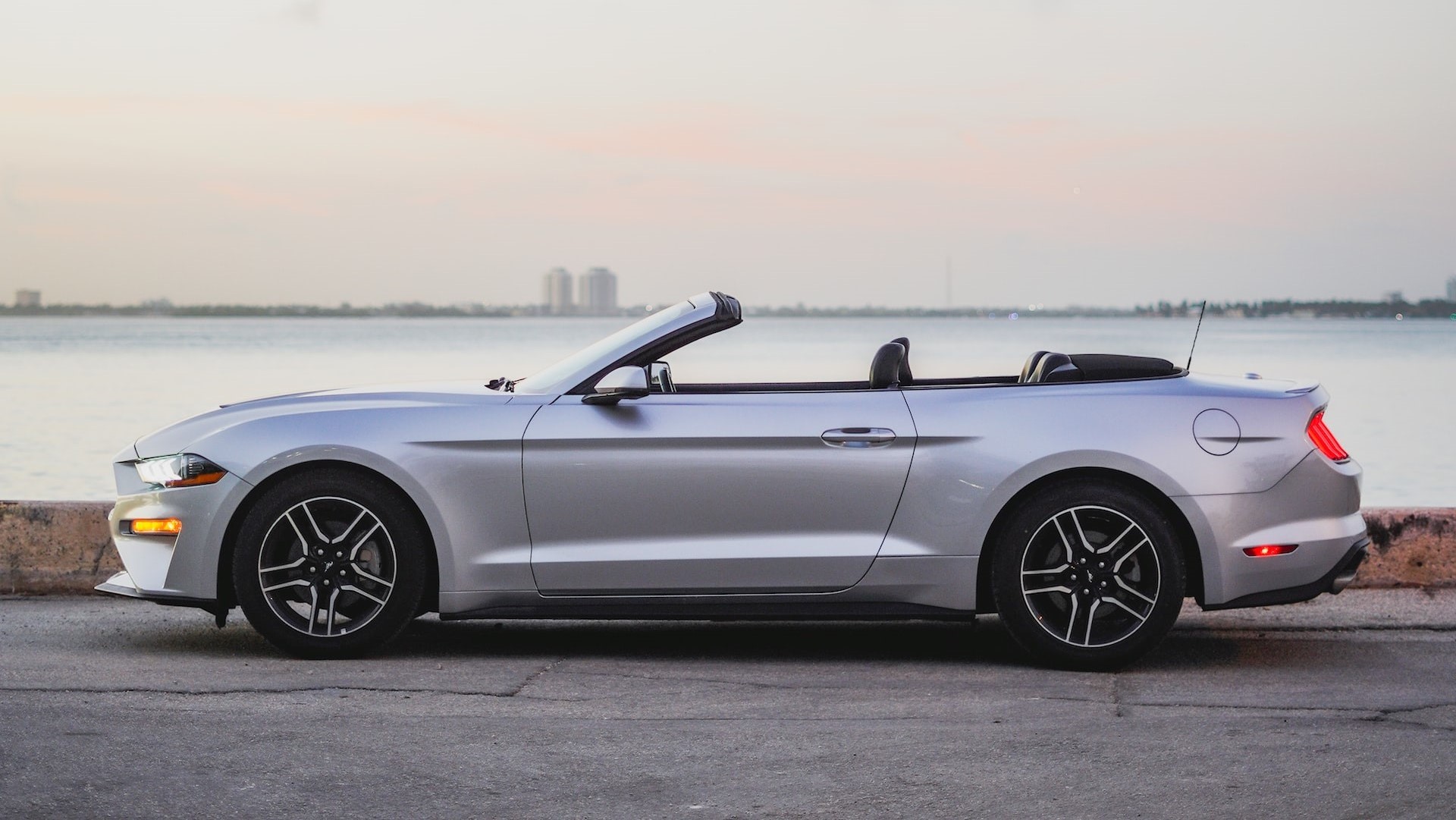
Silver convertible car parked near the shore | Goodwill Car Donations Photo by Michal Mokrzycki under Unsplash License

Your unwanted car still has value! Donate it to us at Goodwill Car Donations and make a difference in the lives of the disadvantaged people in your community. Call our toll-free line at 866-233-8586 or fill out our online donation form now!

Top 10 Most Stolen Vehicles

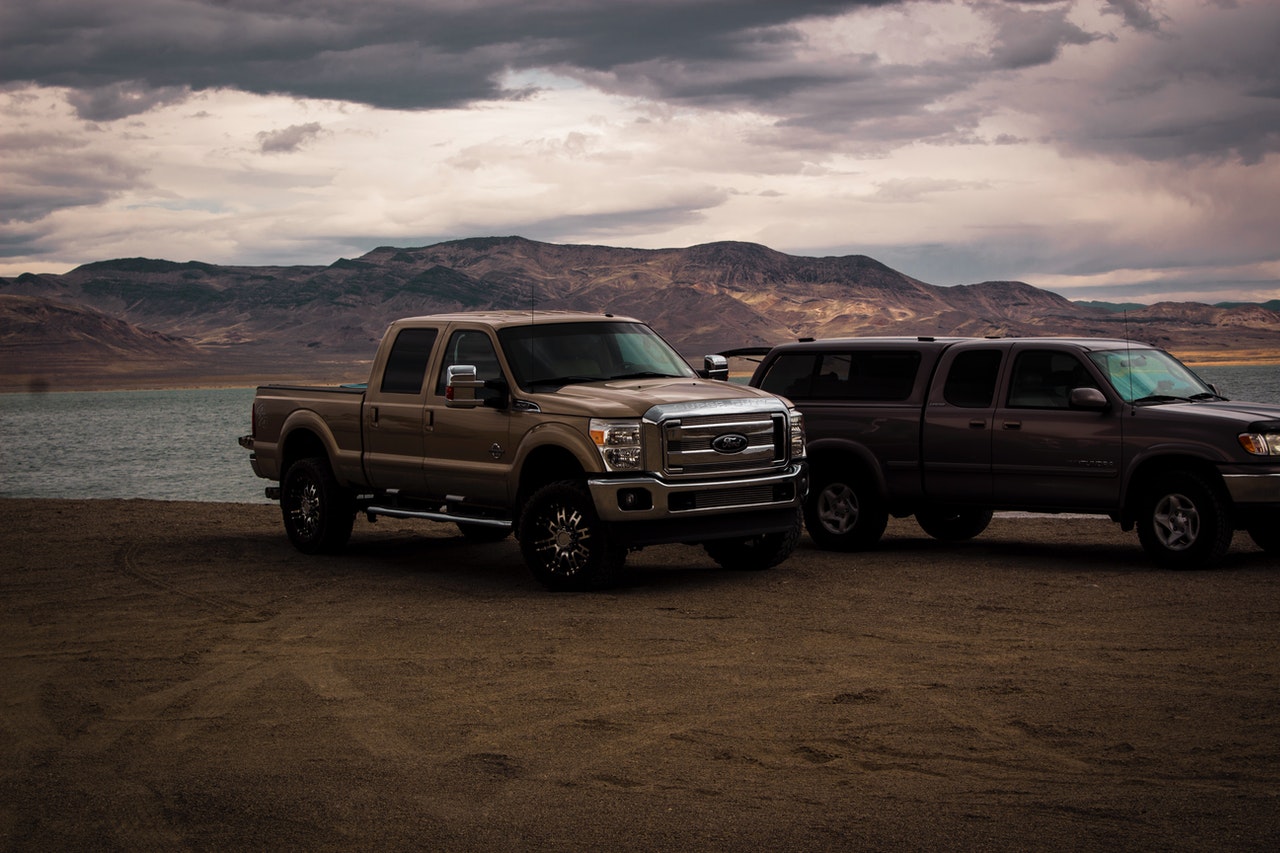
Ford Pick-up in an Afternoon | Goodwill Car Donations Photo by Kendall Hoopes under Pexels License

These Are the Most Common Targets of Car Thieves

Every 42.2 seconds, a vehicle is stolen somewhere in the United States, according to the National Insurance Crime Bureau (NICB).

Stolen cars are usually driven off or towed away to a “chop shop” where they are dismantled into various components. These parts are then sold to unscrupulous vendors who would sell them to auto shops and unsuspecting consumers, typically through the internet. Highly professional thieves can strip an automobile of its most valuable parts right where it is parked.

While we may believe that car thieves often go for flashy sports cars and expensive luxury rides, it’s actually quite the opposite. You might be surprised to learn from the list below that majority of stolen vehicles are among the most sedate wheels you’ll find on the road.

Older popular cars are often targeted by crooks because to them, they are worth more than the sum of their parts. Parts for popular models (especially airbags, wheels, catalytic converters, doors, and hoods) are in high demand because there’s a multitude of vehicle owners with the same models who need parts replacements. These parts generate an amount of money bigger than the value of the intact stolen vehicles themselves. The high demand for their parts makes these vehicles susceptible targets for robbers.

So, what are the top 10 most stolen vehicles in America as per NICB’s latest Hot Wheels report? Do you think your beloved car is one of them? Find out below!

  1. Ford F-Series Pickup (full-size)

Total thefts in 2019: 38,938

As the best-selling vehicle in the country for 43 years running, it’s no surprise that the Ford F-Series is an all-time favorite of car thieves. Ford’s full-size pickup is the most commonly stolen vehicle in 19 states. These are Colorado, Florida, Georgia, Hawaii, Indiana, Kansas, Kentucky, Louisiana, Michigan, Mississippi, Missouri, New Hampshire, New Mexico, Ohio, South Carolina, Texas, Virginia, West Virginia, and Wyoming.

  1. Honda Civic

Total thefts in 2019: 33,220

Since you can see Honda Civic almost everywhere you go, it makes sense that it ranks second on the list of top stolen cars. These compact cars share parts with other Honda vehicles, which is why they’re lucrative grabs for parts harvesters. The most stolen vehicle is the 2000 model-year Civic as it lacks the anti-theft features that more modern cars have.

  1. Chevrolet Pickup (full-size)

Total thefts in 2019: 32,583

Chevrolet pickups are another leading choice for thieves, with the 2004 model year as the most popular.

  1. Honda Accord

Total thefts in 2019: 30,745

The Accord is the number one most stolen automobile in some East Coast states, particularly in Connecticut, Delaware, Maryland, Massachusetts, New Jersey, New York, North Carolina, Pennsylvania, and Rhode Island. The 1997 model is the top choice among car burglars apparently because it’s easier to break into.

  1. Toyota Camry

Total thefts in 2019: 15,656

The fact that the Toyota Camry is the best-selling midsize sedan in the country makes it a tempting target for thieves. The demand for its parts is massive, and it’s nothing but a lucky day for sneaky crooks to see a Camry parked in an isolated area.

  1. Nissan Altima

Total thefts in 2019: 13,355

The 2015 Nissan Altima, which is the fourth-generation version, is the most treasured model of car snatchers.

  1. Toyota Corolla

Total thefts in 2019: 12,137

If you own a Corolla, particularly the 2018 model, and you happen to live in Washington D.C., you may need to be extra cautious on where you park it. This newer model is a hit among burglars even though it’s not the most exciting compact car to drive.

  1. Dodge Pickup (full-size)

Total thefts in 2019: 11,292

The full-size Dodge pickup isn’t only known for generating some of the most speeding tickets, but it is also popular for being a theft magnet. The Dodge brand is no longer selling new trucks, which makes it harder for Dodge owners to look for available parts. With a limited supply of engine parts, it’s no wonder why these pickups are frequent targets of theft.

  1. GMC Pickup (full-size)

Total thefts in 2019: 11,164

What do car thieves in Maine, Alaska, and Arkansas have in common besides their expertise? They value GMC pickups! The most stolen version is surprisingly a later model, the 2018 GMC Sierra.

  1. Honda CR-V

Total thefts in 2019: 10,094

Apart from its spacious interior, reliability, and affordable price, the Honda CR-V is a known target for thieves. Parts for the older generation and discontinued CR-V models are in high demand.

Donate an Unwanted Vehicle for a Worthwhile Cause

Speaking of cars, do you have one that you don’t find useful anymore? What if we told you that you can convert it into a life-changing instrument for the needy folks in your community? These are the men and women who are burdened with disabilities, lack of education, job experience, or essential skills, and other personal hindrances that make it difficult for them to find decent jobs and livelihoods.

When you donate your unwanted vehicle to us at Goodwill Car Donations, we’ll use it to improve their lives by harnessing their full potential through work and learning.

Once we get a hold of your vehicle, we’ll sell it through an auction to raise funds for the community-based life-enhancement programs and services of the Goodwill organizations serving your area. These IRS-certified 501(c)(3) nonprofits use the money sourced from vehicle donations to provide their beneficiaries with job training, employment opportunities, scholarships, livelihood assistance, disability benefits, and other critical community-building support services.

As a Goodwill donor, you’ll enjoy awesome perks. Aside from the joy of knowing that you’ll be helping less fortunate folks around you achieve financial stability and a much better quality of life, you’ll also find satisfaction when we haul off your vehicle for free and entitle you to receive the maximum tax deduction in the next tax season.

We accept nearly all vehicle types, even those that are no longer working properly.

If you need more information about our quick and easy donation process, head over to our FAQs page. For your questions or concerns, call us at 866-233-8586 or contact us online.

Reach Out to Disadvantaged Folks Today!

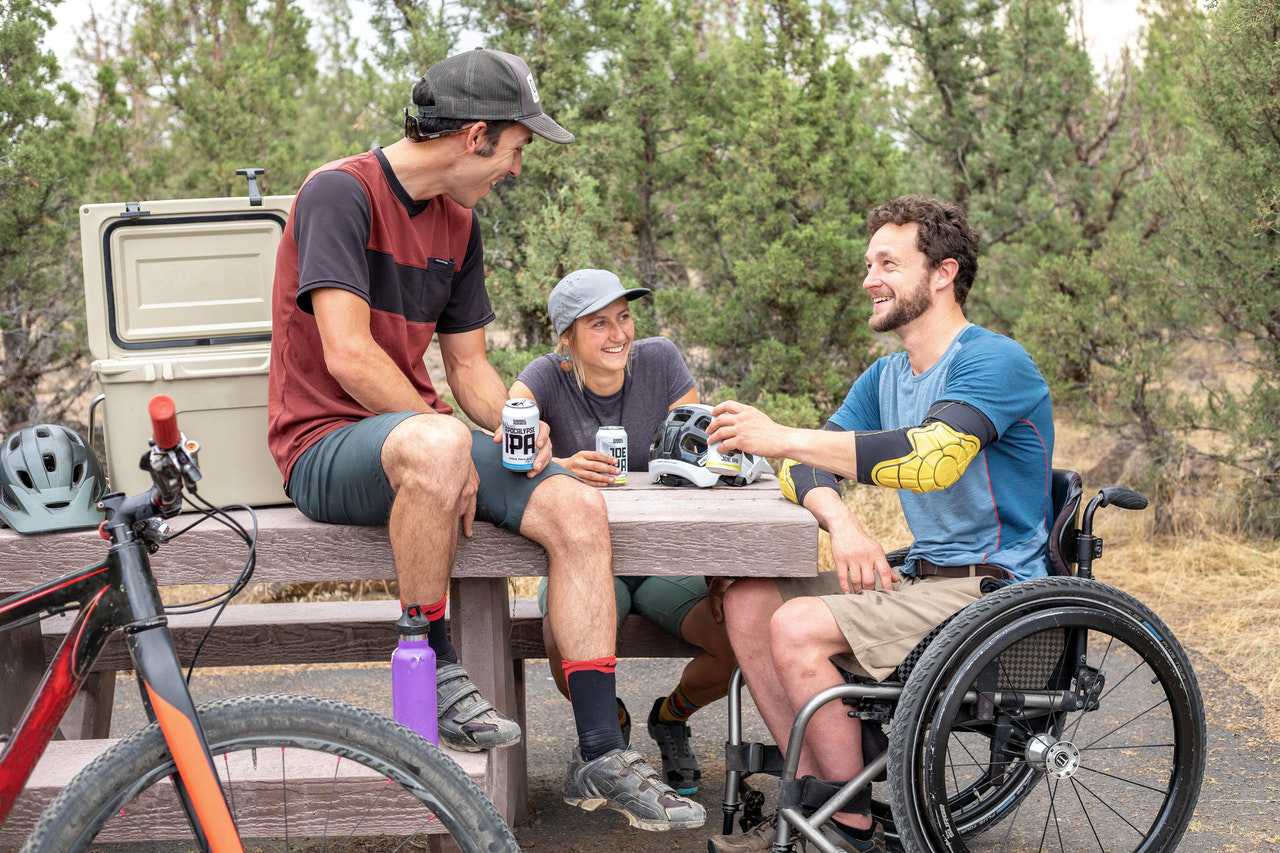
Travelling on Wheelchair | Goodwill Car Donations Photo by ELEVATE under Pexels License

What’s the point of leaving your clunker to rust in your garage when you can dispose of it in the most meaningful way possible? Donating it to Goodwill Car Donations will inject new vigor into the lives of the disadvantaged individuals in your community. Call us at 866-233-8586 or fill out our online donation form now!

Most Important Car Maintenance Services First-Time Drivers Need to Know

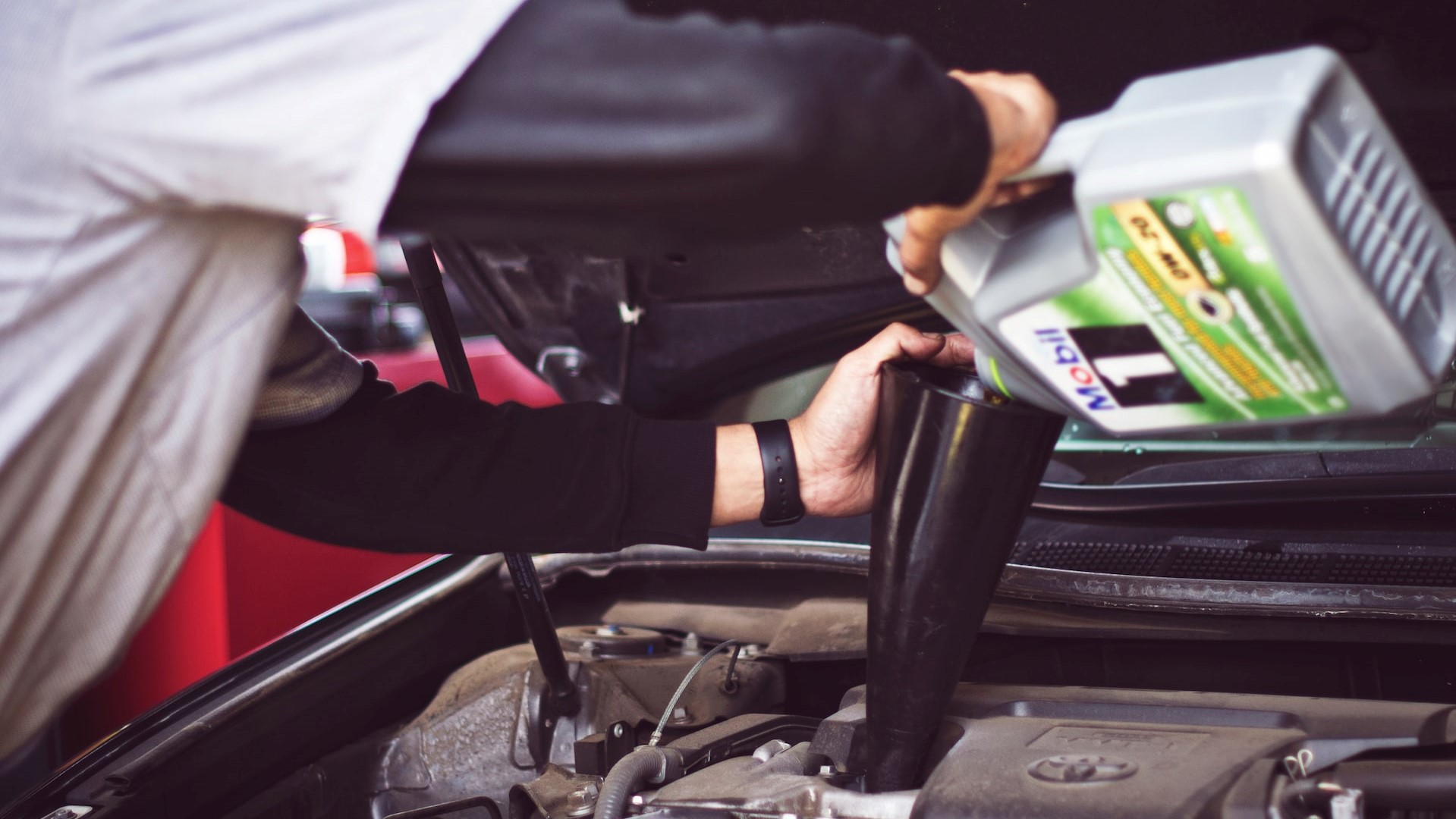
Car changing oil | Goodwill Car Donations Photo by Tim Mossholder under Unsplash License

Preventive Maintenance Is Key to Keeping Your Car in Top Shape

For most first-time drivers, nothing compares to the excitement of hitting the open road and experiencing freedom as they’ve never had before. Checking the condition of their tires or making sure that their oil is sufficient to keep their engine working well is usually the last thing on their minds.

If you’re a new driver, you need to understand that over time, wear and tear will ultimately cause serious damage to your car’s basic components. If you want to keep your car running reliably and safely for many years to come, you need to understand the importance of regular preventive car maintenance.

What Are the Most Important Preventive Maintenance Services?

Unless you’re willing to spend a fortune on unexpected repairs and needless trips to the car repair shop, it would be wise to forestall a vehicle breakdown by investing in some basic car maintenance. To help new drivers steer clear of the headaches and hassles associated with the lack of preventive car maintenance, Goodwill Car Donations has pulled together the most important car preventive maintenance services.

  1. Wheel alignment

The best way to make your tires last longer is to have them rotated and maintained at least once a year. If you often hit curbs or potholes when driving, your wheels have to be aligned more often. You also need to have this done each time you replace your tires. With regular wheel alignments, you can be sure that your car’s suspension system will operate properly.

  1. Transmission fluid and filter service

Changing your car’s transmission fluid and filter will cost you a lot less than if you have to replace your entire transmission system. For this reason, it’s best to have your fluid level and condition checked at least once a month. Read the vehicle owner’s manual to know the recommended service interval for changing your car’s transmission fluid and filter. However, you may have to change both the fluid and the filter more often if you constantly drive in extreme weather and road conditions or if you do a lot of towing.

  1. Power steering service

Power steering service is one of the most overlooked preventive maintenance services. Unless you’re willing to run the risk of getting your power steering fluid dirty and less able to protect your power steering components, you’ll need to have its level and condition checked at least once a month.

  1. Timing belt replacement

One of the biggest mistakes that new drivers make is to wait for their car’s timing belt to break before replacing it. A broken timing belt can wreak havoc on your engine. Replacing it will cost you a pretty penny because your mechanic will have to do a lot of work to access the broken belt. To know when your timing belt needs to be replaced, check the owner’s manual.

  1. Cooling system service

Your engine’s cooling system is a critical component that needs to be properly maintained. Flush and replace the antifreeze/coolant regularly if you don’t want rust to develop in your engine system and cause it to wear out faster. Without regular cooling system service, you’ll increase the likelihood of sustaining major engine damage due to overheating.

For this reason, it’s extremely important to check your car’s coolant level and condition at least once a month to make sure that it’s up to par. While you’re at it, check to see if the belts and hoses have cracks and need to be replaced.

Don’t Know What to Do with Your Clunker? We’re Here to Help!

When you have an old car, one major source of headaches is the heavy cost of its maintenance. Instead of plunking your hard-earned money down the drain trying to keep your clunker roadworthy, why not just donate it to a charity that supports a worthy cause and will give you the best benefits as a donor?

When you donate your clapped-out car over to us at Goodwill Car Donations, you’ll be helping support the disadvantaged individuals in your community. These are the men and women living among you who are suffering from disabilities, lack of education, job experience, or essential skills, and other personal circumstances (such as having prison records) that make it most difficult for them to find decent and stable sources of income.

We will auction off your vehicle and turn over the proceeds to the Goodwill organizations serving your area. These IRS-approved 501(c)(3) nonprofits cater to disadvantaged Americans. They use the funding to sustain their delivery of critical services to their beneficiaries. These services include job and skills training, career opportunities, vocational and educational assistance, internship programs, financial support, and disability benefits.

Expect to be sufficiently rewarded for your charitable contribution. We’ll pick up and tow your vehicle for free wherever you are located in the United States. Your donation will also entitle you to receive the maximum tax deduction in the next tax season.

Moreover, your act of charity will bring you an immense sense of satisfaction, knowing that you’ll be contributing to the growth and development of your community by empowering your needy fellow residents through work and learning.

We accept almost all types of vehicles, including those that are no longer in good condition

To find out the details of our vehicle donation process, and other relevant information, visit our FAQs page. Questions? Call us at 866-233-8586 or leave us a message here.

Transform Lives with Your Car Donation Today!

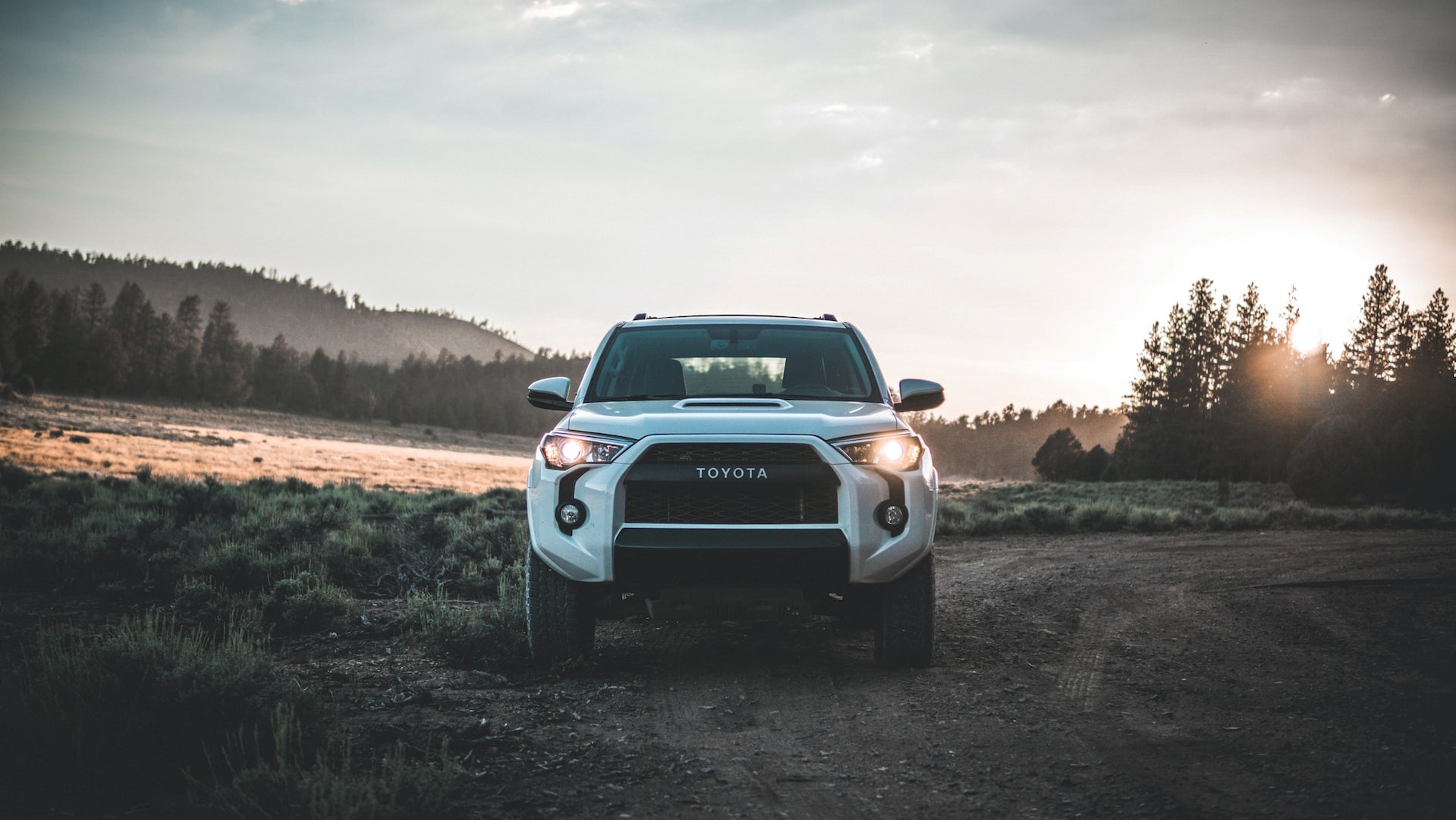
SUV parked on grass | Goodwill Car Donations Photo by joshua yu under Unsplash License

Ready to part ways with your clunker so you can help transform the lives of your disadvantaged neighbors? Call Goodwill Car Donations at 866-233-8586 or fill out our online donation form now!

Top 10 Cities for Auto Thefts in the United States

Building in Oakland, California | Goodwill Car Donations Photo by Inactive account – ID 12019 under Pixabay License

Car Thefts on the Rise in Certain Cities

You would think that with the pandemic still going on across the United States, we’d see a general decline in all crime categories as people focus on keeping themselves safe. Although numbers have dropped in violent crime, property crime, and drug-related crime cases, auto thefts have dramatically risen in certain cities. Some of these cases could be attributed to the high unemployment rates, forcing some of those who are impoverished and jobless to resort to thievery to support their needs and those of their families.

What Are the Top 10 Cities for Auto Thefts?

The last thing you want is to step outside your house or any office or store you just visited, only to find out that your car has been stolen. If you live in any of these top 10 cities for auto thefts, Goodwill Car Donations suggests that you do all you can to not make it easy for professional car thieves to steal your wheels.

  1. Oakland, California

If you live in or near Oakland, California, it would be wise to make sure that your car insurance is up-to-date. According to Madison.com, Oakland has a motor vehicle theft rate of 1,199 per 100,000 people. Moreover, the city’s average annual motor vehicle theft cases number 5,202 while its overall property theft rate is at 5,874 for every 100,000 people.

  1. Albuquerque, New Mexico

The Albuquerque metropolitan area has the second-highest per-capita rate of car theft in the country. Its motor vehicle theft rate is at 1,170 for every 100,000 people while its annual average number of motor vehicle thefts is 6,575. The city’s overall property theft rate is at 4,507 per 100,000 people.

  1. Detroit, Michigan

To address the city’s motor vehicle theft rate of 1,080 per 100,000 people and 7,165 average annual motor vehicle thefts, the police authorities in Detroit have decided to assume most towing duties after banning a company from the towing rotation.

  1. Portland, Oregon

For a city with a violent crime rate that’s as high as 522 per 100,000 people, it won’t be surprising to find out that Portland comes up fourth in the list of cities that have high rates of auto theft. With a motor vehicle theft rate of 1,040 for every 100,000 people, Portland has an average number of annual motor vehicle thefts of about 6,886.

  1. San Bernardino, California

San Bernardino has a motor vehicle theft rate of 1,007 for every 100,000 people. With an average number of motor vehicle thefts at 2,183 per year, this county seat of San Bernardino County in California takes the 5th place for cities in the U.S. with the highest auto theft rates.

  1. Louis, Missouri

Being the second-largest city in the state of Missouri, St. Louis also comes up 6th in the list of car theft capitals in the United States. Its motor vehicle theft rate is at 938 per 100,000 individuals while its average number of motor vehicle thefts is 2,820 per year.

  1. Anchorage, Alaska

Anchorage happens to be a unified municipal consolidated city-borough in the state of Alaska. With a population of only 291,538, its motor vehicle theft rate is a whopping 864 per 100,000 people and its average number of annual motor vehicle thefts is 2,486.

  1. Tacoma, Washington

Tacoma is a mid-sized urban port city that also serves as the county seat of Washington’s Pierce County. Aside from being the epicenter of business activity for the region, Tacoma takes 8th place in the list of cities for auto thefts with a motor vehicle theft rate of about 852 per 100,000 people. Its average number of motor vehicle thefts per year is 1,863.

  1. Kansas City, Missouri

Kansas City is the largest city in the state of Missouri with a total population of 495,278, according to the United States Census Bureau. The city has a motor vehicle theft rate of 836 for every 100,000 people and its average number of motor vehicle thefts annually is 4,147.

  1. Tulsa, Oklahoma

When it comes to crime rates, Tulsa generally has one of the highest ones in the country. For this reason, it wouldn’t be surprising to know that the city’s annual motor vehicle theft rate is at 809 for every 100,000 individuals.

Donate Your Vehicle to Help the Needy in Your Community

If you have an old car that you no longer want to use for whatever reason, you can still give it a most worthy purpose by donating it to us here at Goodwill Car Donations. We’ll use it to impact the lives of the disadvantaged individuals in your community. They are those men and women who are burdened with disabilities, lack of education, skills, or job experience, and other personal issues that make it difficult for them to land decent jobs and attain a poverty-free life.

We’ll sell your car at an auction and use the proceeds to fund the vital life-enhancement programs of the Goodwill organizations serving your area. Thanks to your contribution, needy people in your community will be able to receive job training and employment opportunities, scholarships, livelihood assistance, disability benefits, and other critical community-building support services.

Before you know it, these folks will reach their full potential and turn into the productive and financially independent individuals that they’ve always strived to be.

Expect a 100% tax-deductible sales receipt in your mailbox a few weeks after your vehicle’s auction. You’ll need it to claim your top tax deduction in the next tax-filing season.

You’ll also benefit from the professional towing service that we’ll provide you, and this will cost you nothing.

Best of all, your gift will allow you to savor the satisfaction of having served your community by helping empower your less fortunate neighbors.

You can donate almost any type of vehicle. In most cases, we accept even vehicles that are no longer in good running condition. You can make your donation wherever you’re residing in the country since our vehicle donation program covers all 50 states.

For more information on our vehicle donation program, particularly our quick and easy donation process and tax deductions, head over to our FAQs page. If you have any inquiries, call us at our toll-free hotline at 866-233-8586. You may also drop us a message here and we’ll respond to you promptly.

Give Your Clunker a Great Purpose Today!

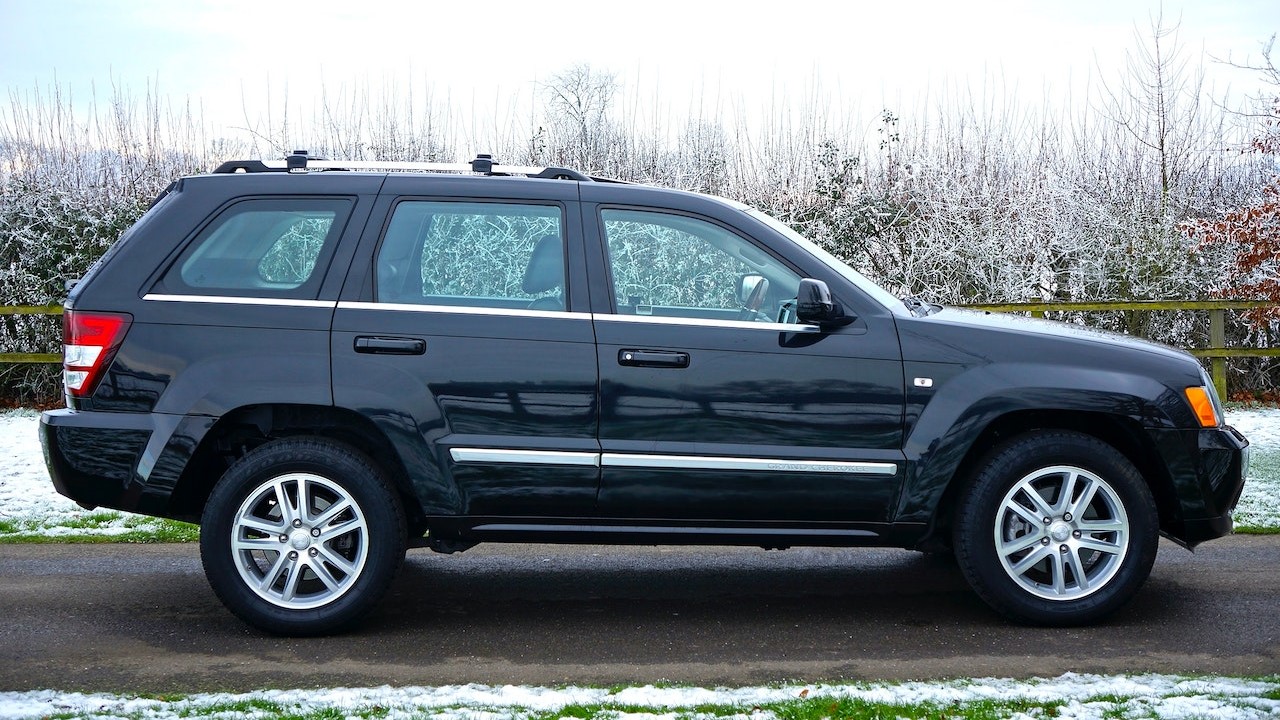
Black Suv on the street | Goodwill Car Donations Photo by Mike B under Pexels License

Even if your car is already old, it’s still a big loss if you let thieves steal it. Donate it to Goodwill Car Donations instead. We’ll use it to enhance the lives of your struggling neighbors while allowing you to enjoy a most satisfactory donating experience. Start your donation process by calling 866-233-8586 or filling out our online donation form now!

How to Check Your Engine Oil

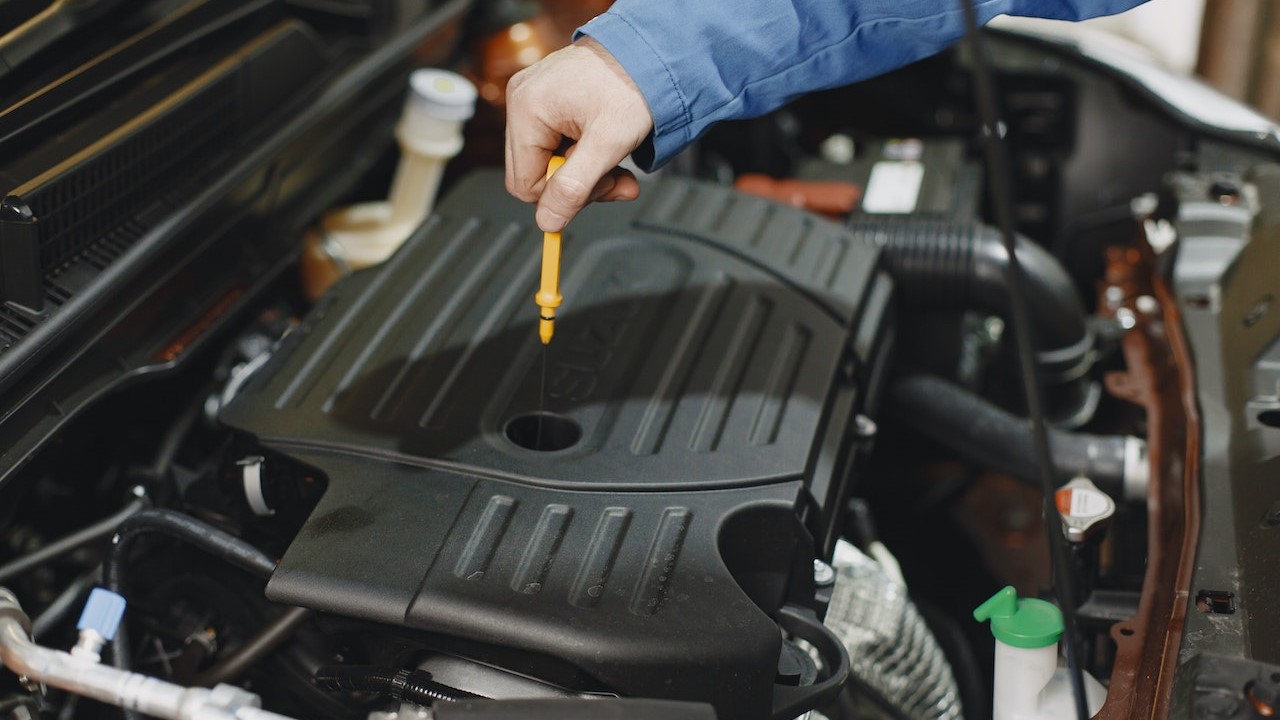
Checking the Oil of an Engine | Goodwill Car Donations Photo by Gustavo Fring under Pexels License

5 Easy Steps to Keeping Your Car Running Smoothly

Did you know that it doesn’t take much to keep your car healthy and running smoothly? Checking its oil level is a one-minute investment that can help prevent overheating while keeping your engine well-lubricated and free from dirt buildup. If you do this regularly, you can be sure that you’ll get the most miles out of your engine.

Most vehicle models should have an oil change every 3,000 miles or three months. In between these scheduled changes, you have to check your oil levels to make sure that the oil isn’t dirty or that it hasn’t become too low. Don’t worry — the process of checking your car’s engine oil is far from being complicated. Any driver can do it.

How to Check Your Engine Oil

In case you’re not aware, the lifeblood of your vehicle’s engine is its motor oil. Aside from keeping the engine’s internal moving parts properly lubricated, it also keeps each of these parts from wearing quickly. If you don’t know the first thing about checking your engine oil, Goodwill Car Donations has got you covered. Just follow these five easy steps:

  1. Read the vehicle owner’s manual.

It’s best to browse through your car owner’s manual to make sure that you’re following the manufacturer’s recommendations. If you’re clueless about what’s under the hood of your car, you’ll be glad to know that the manual provides a detailed description of where you can locate your dipstick.

  1. Warm up your car before checking the oil.

Check your oil after warming up your car. Go for a quick drive around your neighborhood before you pop up the hood. Just make sure that you turn the engine off before you check the oil. It’s extremely important to securely prop the hood once it’s opened.

  1. Find the dipstick and pull it out.

You’ll want to check the oil after you’ve turned off the engine for at least 10 minutes. Your oil’s dipstick location will depend on whether your car has an in-line engine or a transverse engine. In most cases, the dipstick has an orange or yellow circular handle.

Once you’ve spotted the dipstick, pull out its handle. You should see a long piece of metal sliding out of the engine. Use a lint-free rag to wipe off the oil from its end.

  1. Slide the clean dipstick back in.

Reinsert the dipstick back into its tube. Be sure to push it all the way back in.

  1. Pull the dipstick out again and inspect.

Next, you need to pull it out again. Take note of how high the film of oil reaches the length of the dipstick. Don’t forget to check the oil’s condition before adding or changing oil as needed. You should see a line marked “full” or “max” or a textured area that shows the capacity of your oil pan.

Everything’s fine if the color of your engine oil is brown or black. If the oil has a milky appearance, this means that your car’s coolant is leaking into the engine. Be sure to have it towed immediately. On the other hand, if the oil is gritty or has metal particles in it, be sure to get your car to the mechanic. This could mean that the internal parts of your engine are damaged.

Here’s Your Best Option When Disposing Of a Clunker

Is your car spending more time in the repair shop than on the road? Is it starting to burn a hole in your pocket because of its costly repairs? If that’s the case, it’s probably time to say goodbye to your old ride. Your best option here is to donate that vehicle to us at Goodwill Car Donations.

This way, you’ll free yourself from the stress of dealing with a clapped-out vehicle. Not only that, but you’ll also get to help the impoverished and disadvantaged people in your community. These are the men and women living among you who are burdened with disabilities, lack of education, job experience, or essential skills, and other disadvantages that serve as roadblocks in their pursuit of a productive and meaningful life.

We will put your vehicle up for auction and turn over the proceeds to the Goodwill organizations serving your local area. These IRS-approved 501(c)(3) nonprofits use the funding from vehicle donations to provide their beneficiaries with job training, employment opportunities, scholarships, livelihood assistance, disability benefits, and other critical community-building support services.

As a Goodwill donor, you’ll enjoy meaningful returns for your generosity. These include the free towing of your unwanted vehicle and your entitlement to the highest possible tax deduction due to you in the next tax season.

Moreover, nothing compares to the joy and satisfaction you’d feel, knowing that your charitable contribution will greatly benefit your community in terms of the jobs that it will create for the empowerment of your less fortunate fellow residents.

We accept nearly all types of vehicles whether they’re still in good condition or no longer. We can pick up and tow your vehicle wherever you had it parked or stored anywhere in the country.

To get to know our quick and easy vehicle donation process and other details, just visit our FAQs page. Should you have any questions or concerns, you may call our toll-free hotline at 866-233-8586. You may also write to us here.

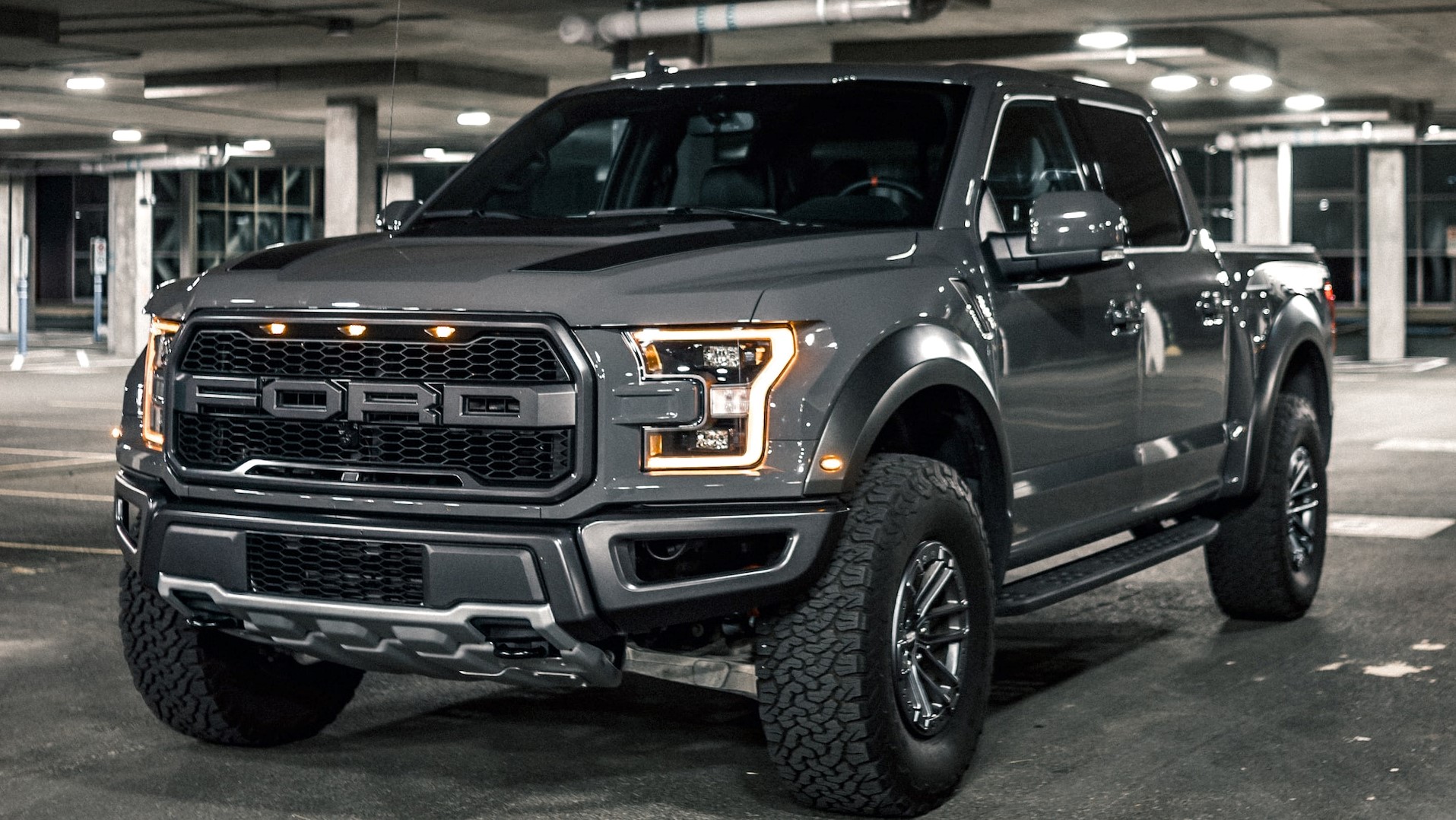
Parked Black Ford Pick-up | Goodwill Car Donations Photo by Erik Mclean under Unsplash License

Uplift Lives with Your Beater Today!

Use your old and unwanted car to uplift the lives of the disadvantaged individuals in your community. Don’t let it rot away. It can still do so much good to a lot of people. Call Goodwill Car Donations at 866-233-8586 or fill out our online donation form now!

How to Check & Replace Your Wiper Blades

Close-up of Wet Exterior of a Car | Goodwill Car Donations Photo by Manuel Aldana under Pexels License

You Don’t Have to Spend a Single Dime to Check and Replace Your Wiper Blades!

Why pay a mechanic to check and replace your wiper blades when you can easily do this yourself? If you think that this task is something that only auto experts can do, think again. The process doesn’t require the expertise of a professional and the use of special tools.

A lot of car owners are guilty of overlooking their windshield wipers, which are an important part of their cars’ safety system. If these aren’t working as they should, you won’t be able to see the road and other hazards when it’s raining or snowing. Aside from being ineffective, faulty wiper blades can also potentially create visibility issues when they smear your windshield.

What Are the Basic Parts of Your Windshield Wiper System?

Before you begin, it’s best to familiarize yourself with the three basic parts of your car’s windshield wiper system: the base, the arm, and the blade.

At the base of your wiper, you’ll find an arm that’s attached to the motor, which is located under the hood. The arm works to pivot from side to side each time your turn on the wipers. You’ll notice a removable and flexible blade that’s clipped to the arm. You’ll find a slot in the blade that’s responsible for holding the rubber wiper that touches the windshield.

While the rubber wiper can be replaced, it will be much easier for you to replace the entire blade. Again, be reminded that this won’t require you to use any kind of special tool.

Your Guide to Checking and Replacing Your Wiper Blades

Keep in mind that your windshield wiper system can save your life when you’re driving in bad weather. To help you make sure that these devices are in good working condition at all times, Goodwill Car Donations has compiled this guide to checking and replacing your wiper blades.

  • Checking Your Wiper Blades

The wiper blades take out almost every particle on your windshield to improve road visibility. Their average lifespan is only about six months to a year because they easily crack and lose their flexibility when they’re constantly exposed to long periods of hot and cold temperatures. For these reasons, it’s necessary to check them every week to assess if they have any chips or cracks that might pose a danger to the windshield.

To do this, carefully pull the blades away from the windscreen. Then, run your thumb along the edge to feel if there are any cracks or cuts. Make sure that the wiper blades are in smooth and good condition. Otherwise, you might need to replace them.

  • Replacing Your Wiper Blades

If you don’t have a garage and you just park your car in the open, your wiper blades need to be replaced more often. Before you replace them, you must first determine the size of the blades you need to purchase. Once purchased, pull the old wiper blades away from the screen.

Next, search for the stopper where the blade and the wiper arm meet before you firmly press on the stopper and unhook the blade. Replace it with a new one by sliding it up the metal arm hook where you pulled the old one out. Afterward, softly but firmly rotate it until you hear a click, signifying that you’ve successfully put it in place.

Here’s Another Wise Decision You Can Make

Learning how to check and replace your wiper blades is always a wise decision. You can make another wise decision when the vehicle you’re using has become prone to breakdowns and their subsequent costly repairs. What’s that decision? Simply donate that clunker to us here at Goodwill Car Donations. We’ll use your donation to improve the lives of the destitute and disadvantaged people in your community.

We’ll put your vehicle up for auction and then hand over the proceeds to the Goodwill organizations serving your area. These IRS-approved 501(c)(3) nonprofits are dedicated to uplifting the lives of your fellow Americans who are suffering from disabilities and burdened with lack of education, job experience, or essential skills, and other personal impediments, such as having prison records. These serve as stumbling blocks in their quest for a financially independent life.

Goodwill organizations use the funding that comes from the sale of donated vehicles to provide their beneficiaries with job training and employment opportunities, scholarships, livelihood assistance, disability benefits, and other critical community-building support services.

We’re willing to accept nearly all types of vehicles, regardless of their year, make, model, and working condition.

As a Goodwill donor, you’ll enjoy meaningful returns for your generosity. These include the free towing of your unwanted vehicle and your entitlement to the highest possible tax deduction, which you can claim in the next tax season.

Moreover, nothing compares to the joy and satisfaction you’d feel, knowing that your charitable contribution will greatly benefit your community in terms of the jobs that it will create for the empowerment of your less fortunate fellow residents.

We accept nearly all types of vehicles, whether they’re still in good running condition or no longer. We can pick up and tow your vehicle wherever you had it parked or stored anywhere in the country.

To get to know our quick and easy vehicle donation process and other details, check out our FAQs page. Should you have any questions or concerns, you may call us through our toll-free hotline at 866-233-8586. You may also write to us here.

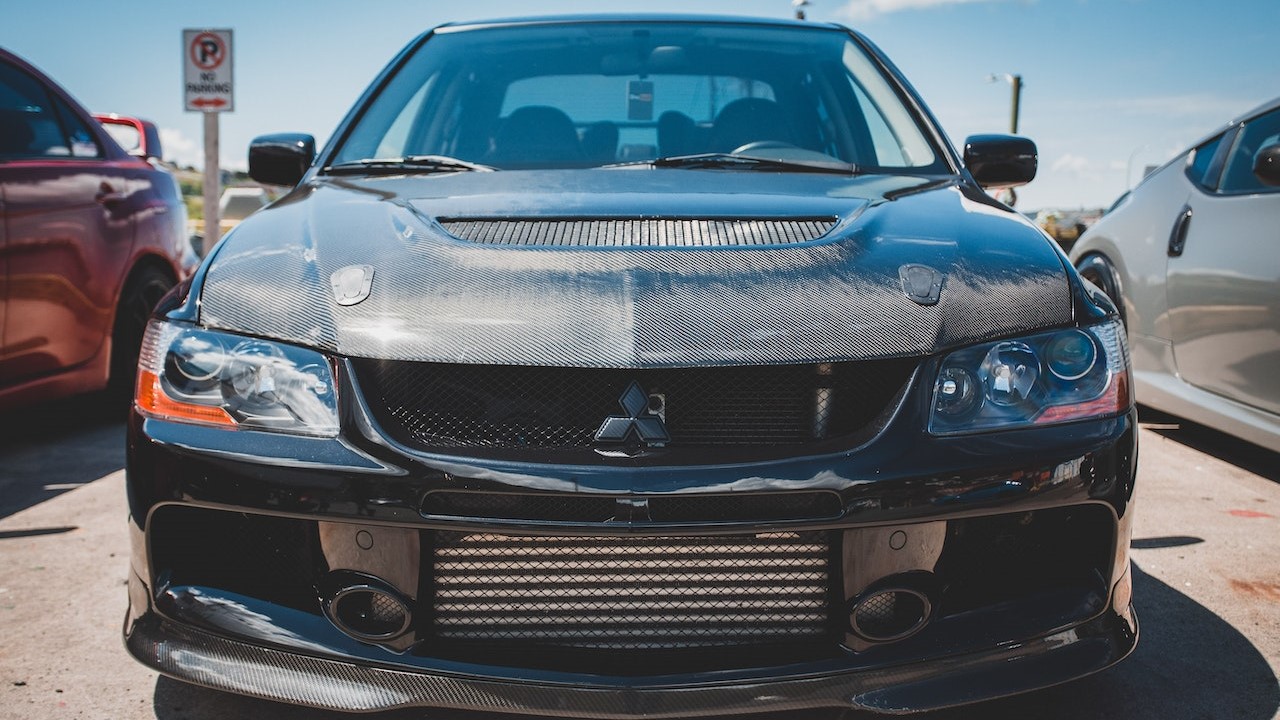
Black Car in Close Up Shot | Goodwill Car Donations Photo by Erik Mclean under Pexels License

Want to Become an Instant Hero in Your Community?

You can become an instant hero in your community when you donate a vehicle to Goodwill Car Donations. You can be certain that your donation will be used to uplift the lives of the disadvantaged people in your community. Call us at 866-233-8586 or fill out our online donation form now!


How Can You Tell If Your Tires Need Replacing?

Servicing Old Car Tire | Goodwill Car Donations Photo by Andrea Piacquadio under Pexels License

3 Tire Warning Signs You Need to Be Mindful Of

Do you tend to overlook the condition of your vehicle’s tires? This shouldn’t be the case because tires are one of the most important components of a vehicle. They allow you to roll down the road and stop when you need to. They absorb all the shocks you get from the humps and bumps on the road. They also support your vehicle’s load.

Your tires are the ones responsible for maintaining your vehicle’s contact with the ground at all times. They take quite a beating especially when you go for a long drive. Your tires will wear out sooner or later depending on what kind of driver you are, the traffic condition in your area, and the routes you usually take.

Tread depth is essential for great tire performance. However, tire treads degrade over time amid constant usage. Not enough tread depth means less control over your vehicle, which could lead to road accidents.

These Signs Mean You Need New Tires

Having worn-out tires isn’t an indication of bad driving. It’s just how it is. Tires are just like your shoes that degrade over time due to frequent use.

Delaying the replacement of your worn-out tires is a no-no. It’s bad for everyone on the road. You can lose control of your car and end up crashing into somebody else’s vehicle or perhaps get stranded in the middle of nowhere.

Goodwill Car Donations presents these three warning signs that you need to replace your old tires:

  1. Your tires are going bald.

The treads on your tires should never fall below 1.6 millimeters in depth (or about 1/16 of an inch). The thinner the treads, the more dangerous it is for you to drive on slick and wet surfaces. If your tires are starting to look bald, you should start looking for replacements.

  1. Sidewall cracks

This is one of the easily visible signs of tire damage. If you see cuts or grooves on the tire’s sidewall, they are signs that your tire is developing a leak or, worse, about to blow out.

  1. Vibration

Feeling vibration while driving is normal. However, if you drive your car often enough, you’d be able to know if your vehicle is vibrating just a little too much. Your tires are probably causing the shakes. You’d be better off getting them checked at the tire shop to be on the safe side.

You Can Turn Your Junker into a Life-Changer

Replacing your old and damaged tires may cost a few hundred dollars. However, if your car has other defective parts, the cost of having them repaired or replaced may be much, much more. If you think that spending big bucks for your car’s repairs is no longer worth it and that you’d be better off buying a new car instead, then consider donating your old clunker to us here at Goodwill Car Donations.

We’ll turn your auto into a powerful tool that can free the disadvantaged people in your community from the grip of poverty.

We will sell your vehicle through an auction and use the proceeds to support the community-based programs and services of the Goodwill organizations serving your local area. These IRS-certified 501(c)(3) nonprofits serve the interests of disadvantaged men and women — those who are burdened with disabilities, lack of education, job experience, or essential skills, and other personal circumstances that bar them from finding decent sources of income and living a good, productive life.

Goodwill provides them with job training and employment opportunities, scholarships, livelihood assistance, disability benefits, and other critical community-building support services. Thanks to your donation, these services will enable the needy residents of your community to attain financial stability.

You’ll also benefit from your charitable contribution since this will entitle you to receive the maximum tax deduction in the next tax season. Moreover, we’ll provide you with our free towing service.

Your gift will also allow you to savor the satisfaction of serving your community by helping empower your less fortunate neighbors.

We accept nearly all vehicle types, even those that are no longer working. We can collect your donation wherever you are located in the country. It’s because our vehicle donation program covers the entire United States.

For more information about our vehicle donation program, feel free to check out our FAQs page. If you have questions or concerns, call us at 866-233-8586 or leave us a message here.

Grayscale Photo of Man Sitting | Goodwill Car Donations Photo by Download a pic Donate a buck! ^ under Pexels License

Help Free Them from Poverty Today!

A car that no longer serves you well can serve the disadvantaged residents of your community instead. It can provide them a ticket to a poverty-free life. Call Goodwill Car Donations at 866-233-8586 or fill out our online donation form now!