5 Steps to Take When Rodents Damage Your Car Wiring
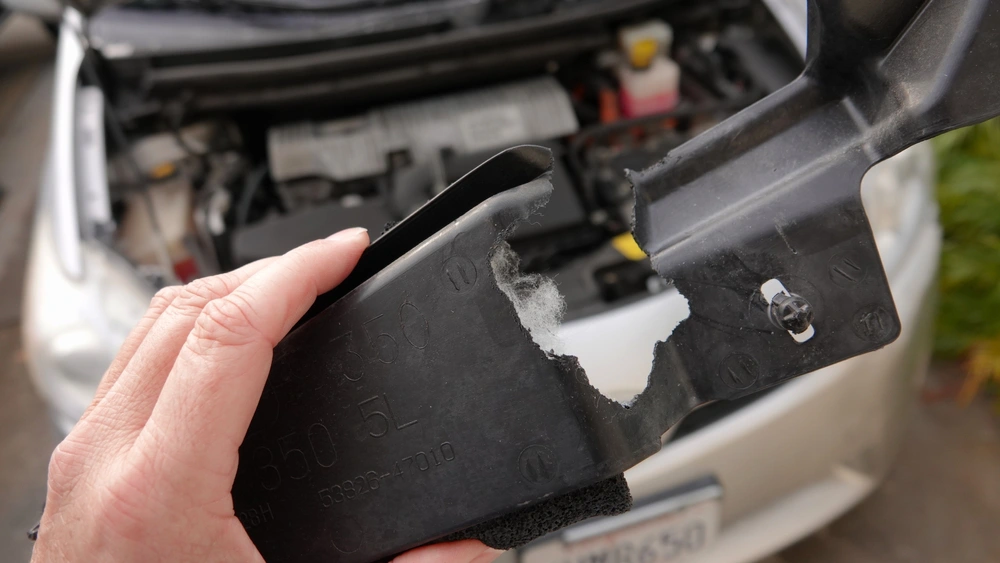
Rodents can turn a parked car into an expensive repair problem. Mice, rats, and other small animals may build nests under the hood, chew wires, damage hoses, and leave droppings in hard-to-reach places. Rodent damage can affect a car you drive every day or one that has been sitting for weeks.
If you find signs of a rodent problem, acting quickly can help you understand the damage before you drive, clean, repair, insure, or donate the vehicle. The five steps below explain what to check, how to document the damage, when to call a professional, and what to do if repairing the car no longer makes sense.
Step 1: Recognize the Signs of Rodent Damage
Look for Droppings, Nests, and Odors
Start with signs you can see and smell. Rodent damage often includes droppings, urine odors, chewed materials, or nests made from leaves, paper, insulation, or other soft items. Check under the hood, around the air intake, and near other covered areas where an animal could hide.
A strong smell inside the car may also be a sign of activity near the heating and air conditioning system. If you find droppings or nesting material, do not touch them with bare hands. Keep children and pets away from the area until it can be cleaned safely.
Watch for Electrical and Performance Problems
A rodent problem may first appear as a change in how your car runs. Dashboard warning lights, trouble starting, unusual electrical problems, or engine issues can all be signs. Damaged vacuum lines or hoses may also change how the engine performs.
Chewed wires can be tricky because the damage you see may be only part of the problem. A broken wire, frayed connector, or exposed conductor can affect sensors and other electrical parts. If warning lights appear after the car has been parked for a while, rodent damage is worth checking.
Step 2: Inspect the Wiring and Engine Bay
Check for Chewed Wires and Damaged Components
Open the hood and carefully look at the wiring you can safely see. Check for tooth marks, missing insulation, exposed metal, frayed connectors, and loose sections of bundled wiring. Do not pull on damaged wires or try to test exposed conductors yourself.
Rodents may also chew rubber hoses, insulation, and other soft parts. Look for cuts, rough edges, holes, or pieces that appear shredded. Interior fabric and insulation may also be damaged if rodents found their way into the passenger area.
Inspect Common Nesting Areas
Pay close attention to covered spaces. Check around the battery, fuse boxes, air intake, and lower engine areas you can see without crawling under the car. Nesting material or droppings near these parts can help show where the rodents have been active.
Take clear photos before cleaning or moving anything. Get wide photos showing where the damage is located, then take close-ups of chewed wiring, hoses, nests, droppings, or other damaged parts. These records may be useful for a mechanic, insurer, or donation program later.
Don’t stop at the engine bay if you notice smells or other signs inside the cabin. Check the floor, storage areas, and vents for signs of rodent activity.
Step 3: Decide Whether the Car Is Safe to Drive
Don’t assume your car is safe just because it starts. Chewed wiring can affect lights, sensors, starting, and other electrical systems. Damaged hoses can cause leaks or engine problems. Nesting material near hot engine parts can also create a fire risk.
Avoid driving if you see exposed wires, smoke, a burning smell, leaks, major electrical problems, or warning lights along with stalling or poor engine performance. If you’re not sure, have a mechanic inspect the vehicle.
A mechanic can trace electrical problems, inspect damaged parts, and determine how far the rodent damage goes. If rodents are still living in or around the vehicle, you may also need a pest professional before using the car regularly again.
If the car must be moved, don’t ignore new warning lights or changes in how it starts, idles, or responds. Even a short trip can be risky when wiring or hoses are damaged. Towing may be safer if the vehicle has problems that could affect how safely it runs.
Step 4: Document the Damage and Check Insurance Coverage
Take Photos Before Repairs
Keep the photos you took during your inspection and add pictures of any dashboard warning lights. Save repair notes, inspection results, and a short record of when you first noticed the problem. Good records give you a clearer picture of what happened and what needs to be fixed.
Try not to clean away every sign before getting the records you need. Photos of chewed wiring, damaged hoses, nests, and droppings can help show where the damage is and how much occurred before repairs begin.
Check Your Comprehensive Coverage
Will insurance cover rodent damage to a car? It may, depending on your policy. Rodent damage can fall under comprehensive coverage, but coverage, deductibles, and claim rules vary. Contact your insurer early and ask what records they need before repairs begin.
Compare the expected repair cost with your deductible and the overall condition of your car. Your insurer may also request photos, a repair estimate, or other records. Getting this information early can help you choose your next step without guessing what your policy will cover.
Step 5: Repair the Damage or Consider Donation
Cleaning and Repair After Rodent Damage
Be careful when cleaning droppings or nesting material. Wear gloves and a mask, and avoid direct contact with dirty areas. If an air filter has been affected, it may need replacement. A professional may be a better choice when the mess is large or hard to reach.
Electrical repairs should be handled by a qualified technician. Your local auto shop may need to inspect wiring, connectors, hoses, insulation, and nearby parts before deciding what needs repair or replacement. Rodent damage can go beyond the first chewed wire you find.
Donating a Vehicle With Rodent Damage
Repair may make sense when the damage is limited and the rest of your car is in good shape. The choice may be different when the vehicle is older, does not run, or already needs more work. In that case, Goodwill Car Donations can be another option.
Tell Goodwill Car Donations about the vehicle’s known condition when you begin the donation process. If you can do so safely, remove loose nesting material and debris before pickup. The car’s condition may affect its sale value, but a damaged or non-running vehicle may still qualify for donation.
Proceeds from donated vehicles can support programs tied to job training and other community services. If the repair list keeps growing, donation can give an unwanted car a new purpose instead of leaving it parked and unused.
How to Prevent Rodent Damage in the Future
A few simple habits can help prevent rodent damage. Park in an enclosed or locked garage when possible, and seal gaps around garage doors, windows, or other openings rodents could use. Keep food, wrappers, trash, and clutter out of the car so there is less to attract them.
Cars that sit for long periods can also become inviting shelters. Move a stored vehicle regularly when practical and check under the hood for nests, droppings, or chewing. Some drivers use peppermint oil or approved rodent repellents, but these work best as added deterrents rather than guaranteed solutions.
Mesh barriers may help around certain intake or access areas if they can be installed without blocking airflow or getting in the way of vehicle parts. If you’re unsure where a barrier can be safely installed, ask a mechanic before adding one.
Prevention works best as part of regular vehicle care. A quick look under the hood can catch fresh nesting material or chewing before the damage gets worse. If your car is stored for a season or only used occasionally, check it before your next drive instead of waiting for a warning light or strange smell.
FAQs About Vehicle Rodent Damage
What Should You Do if You Find Rodent Damage?
Stop and inspect the car before driving. Take photos of visible damage, avoid touching droppings with bare hands, and check for exposed wires, leaks, warning lights, or nesting material. Contact a mechanic if the damage may affect electrical or engine systems, and contact your insurer if you plan to file a claim.
Why Do Rodents Get Into Cars?
Vehicles can provide shelter, especially when they sit for long periods. Food or trash inside the car, nearby brush, and easy access through garage gaps can also attract rodents. Cooler weather may cause rodents to look for protected spaces under the hood or inside a stored vehicle.
How Much Does It Cost to Fix Rodent Damage to a Car?
Repair costs depend on what was damaged and how far the problem spread. Fixing one damaged wire is different from repairing a wiring bundle, hoses, insulation, or several electrical parts. A mechanic can inspect your car and provide an estimate based on its actual condition.
Can Chewed Wires Make a Car Unsafe to Drive?
Yes. The risk depends on which wires or systems were damaged. If your car has exposed wiring, warning lights, stalling, smoke, a burning smell, or other serious electrical problems, have it inspected before driving. When repairs no longer make sense, Goodwill Car Donations may offer another option for an unwanted vehicle.