Take These 5 Steps When You Need a Car Battery Replacement
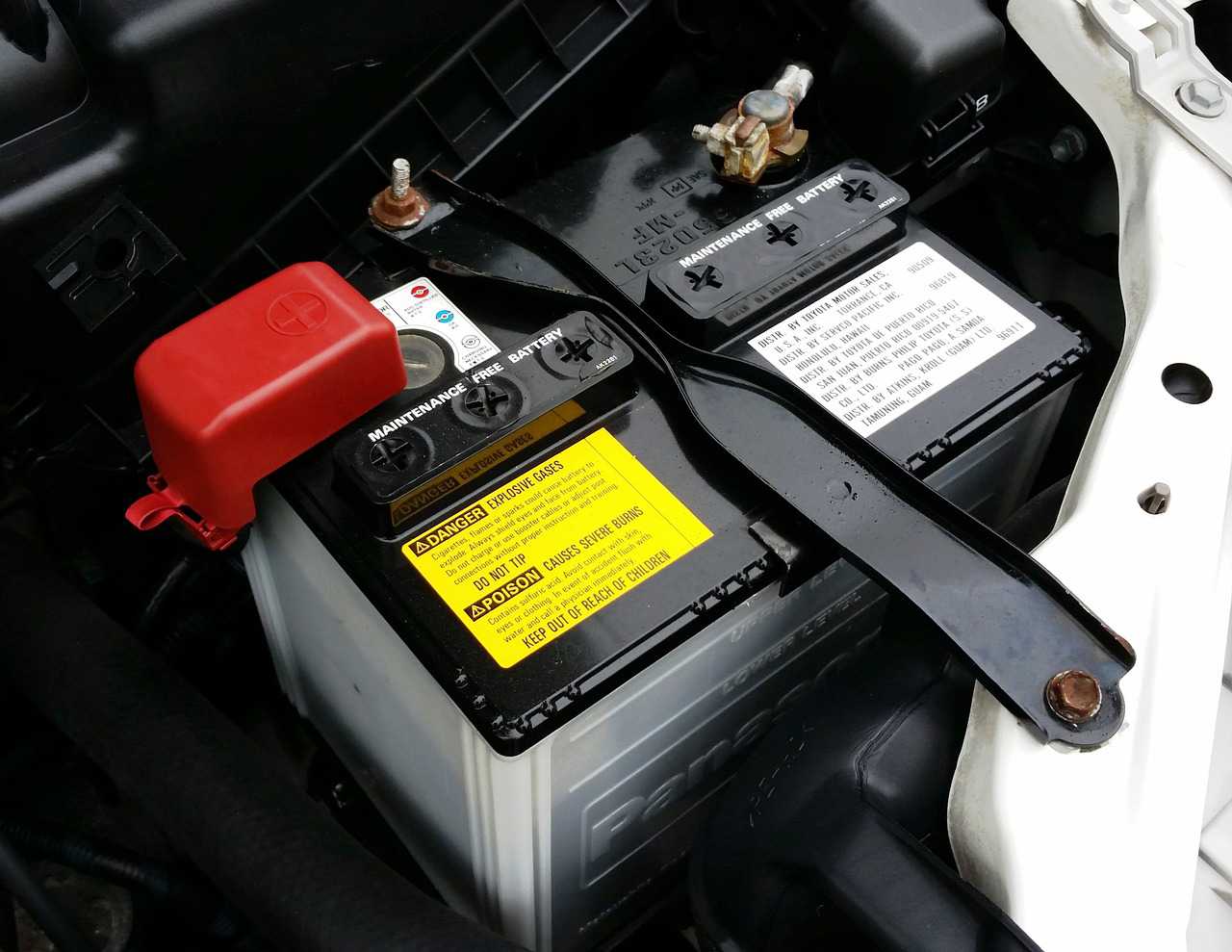
A car that will not start does not always need a new battery. The problem could be a loose connection, charging-system issue, or electrical drain. Before paying for a car battery replacement, it helps to find out what went wrong.
If the battery has reached the end of its life, replacing it may get an otherwise reliable vehicle back on the road. But if a dead car battery is one of several costly problems, spending more money on repairs may not make sense.
Here are five steps to help you decide what to do next.
Step 1: Look for Signs of a Bad Car Battery
Common signs of a bad car battery include:
- Slow engine cranking
- Clicking when you try to start the car
- Dim headlights or interior lights
- Electrical accessories that do not work as expected
- Repeated need for jump-starts
- Corrosion around the battery terminals
- A swollen, cracked, or damaged battery case
Battery age can also matter. Many standard 12-volt batteries last only a few years, though climate, driving habits, and your vehicle’s electrical needs can make battery life shorter or longer.
One dead battery does not always mean you need a replacement. Leaving lights on overnight, for example, can drain a usable battery. If the problem keeps happening, review these common reasons a car battery keeps dying.
Step 2: Confirm the Battery Is Actually the Problem
Start with a visual check. With the vehicle off, look at the terminals for corrosion, loose clamps, damaged cables, or other easy-to-spot problems.
You can also test a standard 12-volt battery with a digital multimeter. A fully charged battery usually measures around 12.6 volts when the engine is off. A much lower reading may mean that the battery has lost its charge.
Voltage alone does not tell you if a battery is healthy, though. A battery can show normal voltage but still fail when the starter puts it under a load. Many auto parts stores and repair shops can test the battery and charging system.
Professional testing can be especially helpful if the battery keeps dying. The real problem could be the alternator, starter, wiring, or an electrical drain that slowly uses the battery’s power.
Step 3: Try a Jump Start When It Is Safe
If the battery has only lost its charge, a jump start may get the vehicle running long enough for more testing.
Do not try to jump-start a battery that is cracked, leaking, frozen, or clearly damaged. Always check the owner’s manual for instructions that apply to your vehicle.
For many standard vehicles, the usual connection order is:
- Red clamp to the positive terminal of the dead battery
- Other red clamp to the positive terminal of the good battery
- Black clamp to the negative terminal of the good battery
- Final black clamp to an unpainted metal ground point on the disabled vehicle
Start the assisting vehicle, then try to start the vehicle with the dead battery. Once the vehicle is running, remove the cables in reverse order.
Hybrid, electric, and some newer vehicles may have different jump points or steps, so always follow the manufacturer’s instructions.
Step 4: Choose the Correct Replacement Battery
If testing confirms that you need to replace a car battery, choose one that meets your vehicle’s requirements.
Check the owner’s manual and current battery label for the right group size, terminal setup, cold-cranking amps, and battery technology.
The group size tells you the battery’s physical size and where its terminals are placed. Cold-cranking amps tell you how much starting power the battery can provide in low temperatures.
You should also find out whether the vehicle needs a standard flooded battery or an absorbent glass mat, or AGM, battery. Vehicles with start-stop systems or higher electrical needs may require AGM batteries.
How Much Should Replacing a Car Battery Cost?
Car battery replacement cost depends on the battery type, vehicle design, labor, and installation needs. Standard batteries may cost a couple hundred dollars, while AGM batteries and vehicles that need extra electronic work can cost more.
Some newer vehicles require battery registration, system resets, or extra labor after installation. An estimate for your specific vehicle will be more helpful than relying on one average price.
Step 5: Decide Between DIY and Professional Replacement
Replacing a battery yourself may make sense if it is easy to reach and your vehicle does not require special electronic steps.
A basic replacement usually means disconnecting the negative terminal first, removing the positive terminal and battery hold-down, installing the new battery, and reconnecting the positive terminal before the negative terminal.
Batteries are heavy and contain materials that can cause burns, so use proper protection and follow the manufacturer’s instructions.
Professional service is a better choice when the battery is hard to reach, the starting problem has not been found, or the vehicle requires programming or battery-management-system registration.
Used automotive batteries should also be recycled through a battery retailer, service center, or recycling facility instead of being placed in household trash.
When Does Car Battery Replacement Stop Making Sense?
A dead battery alone is usually not a reason to give up on an otherwise dependable car. If replacing it gives you reliable transportation again, the repair may be worth it.
The choice may change when the battery is only one problem on a longer repair list. Transmission problems, major electrical issues, worn suspension parts, or other costly repairs can make keeping the vehicle less practical.
Compare the battery and repair costs with the vehicle’s condition, reliability, value, and how long you plan to keep it.
Can You Donate a Car with a Dead Battery?
A non-running vehicle may still qualify for donation through Goodwill Car Donations. The program accepts many vehicles that no longer run and can arrange free pickup for qualifying donations.
That means you generally do not need to buy a new battery just to donate a vehicle. If the car has battery problems along with other issues that make keeping it less practical, provide accurate information about its condition when you start the donation process.
You can also review the vehicles accepted for donation to learn more.
Preparing a Vehicle with Battery Problems for Pickup
If you decide to donate, remove your personal items and gather the vehicle’s keys and ownership documents before pickup.
Title and document requirements can vary by state, so contact Goodwill Car Donations if you are not sure what you need. Tell the donation team that the vehicle has a dead or failing battery so the pickup provider can prepare for a non-running vehicle.
For more details, review the Goodwill Car Donations vehicle donation FAQs.
What Happens After You Donate Your Vehicle?
Once your donation is accepted, Goodwill Car Donations coordinates pickup and handles the next steps in the donation process. Donated vehicles are typically sold, and the proceeds help support job training, employment services, and other community programs.
You will also receive documents related to your donation for tax purposes. Any possible charitable deduction depends on IRS rules and the details of the vehicle’s sale, so replacing a battery does not automatically increase the amount you may be able to deduct.
This is another reason to think about the vehicle’s overall condition before spending money on repairs you may not need.
Car Battery Replacement or Donation: Which Makes Sense?
| Consideration | Replace the Battery | Donate As-Is |
| Vehicle condition | Otherwise reliable | Multiple problems or no longer wanted |
| Upfront expense | Battery and possible labor | No battery replacement required |
| Main goal | Keep driving the vehicle | Stop owning and maintaining it |
| Running condition | Needed for continued use | Non-running vehicles may qualify |
| Additional repairs | Owner remains responsible | Generally unnecessary before donation |
If the battery is the vehicle’s only significant problem and you plan to keep driving it, replacement is usually the logical choice. If the car has several repair needs or you no longer want it, paying for another battery before giving it up may offer little benefit.
Frequently Asked Questions About Car Battery Replacement
How Can You Tell When a Car Battery Needs to Be Replaced?
Slow starting, repeated jump-starts, dim lights, visible damage, and failed battery testing can all indicate replacement is necessary. Testing is more reliable than symptoms alone.
How Do You Confirm the Battery Is Actually the Problem?
Inspect the terminals and cables, check battery voltage, and have the battery tested under load. If it continues losing charge, the alternator or another electrical problem may be responsible.
Should You Replace a Car Battery Yourself or Use a Professional?
DIY replacement may work for an easily accessible conventional battery. Use a professional if diagnosis is uncertain or the vehicle requires programming, registration, or system resets.
Can You Donate a Vehicle That Does Not Start?
Yes. Goodwill Car Donations can accept many non-running vehicles that meet program requirements and can arrange free pickup for qualifying donations.
Ready to Move on from a Problematic Vehicle?
Car battery replacement makes sense when a reliable vehicle simply needs a new battery. But if battery failure is one of several expensive problems, donation may be a more practical option.
Goodwill Car Donations accepts many running and non-running vehicles and offers free pickup for qualifying donations. Proceeds from donated vehicles help support job training, employment services, and other community programs.
If repairing your car no longer makes sense, contact Goodwill Car Donations to find out whether your vehicle qualifies.