How Much Does It Cost to Fix a Scratch on Your Car?
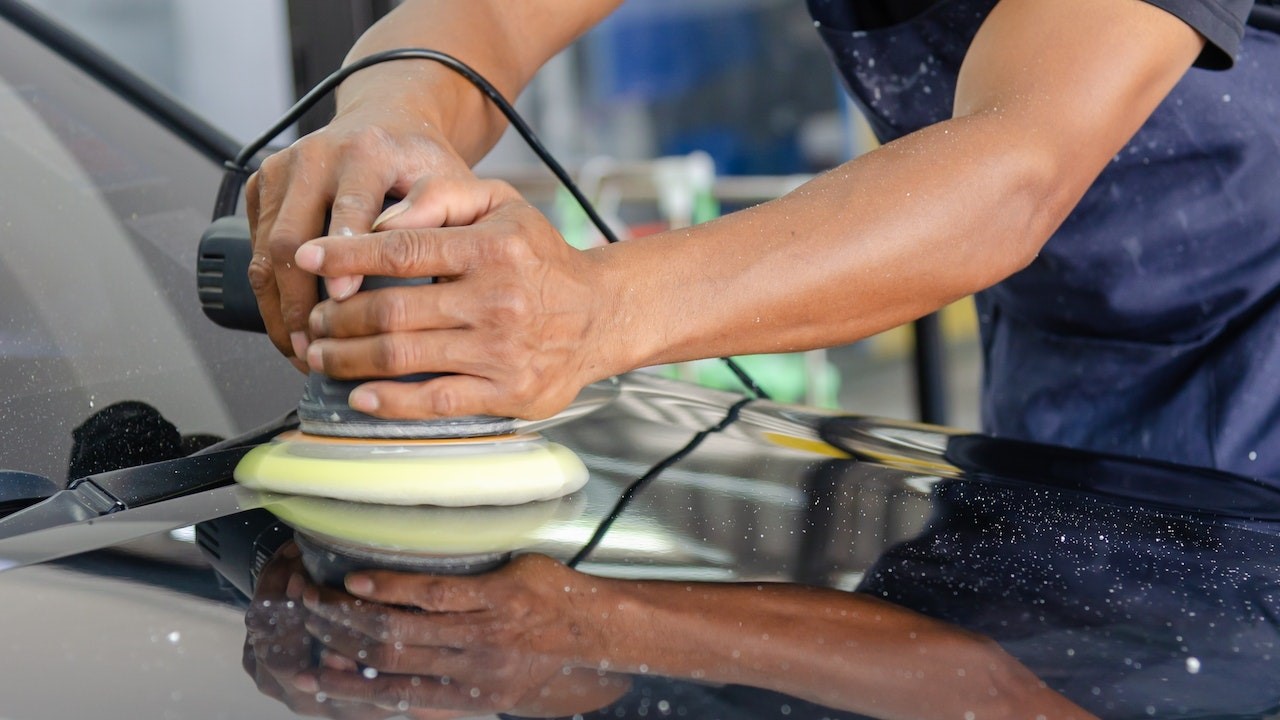 Photo by Khunkorn Laowisit under Pexels License
This guide walks you through everything you need to know about car scratches, including what causes them and how to identify the type of scratch you’re dealing with or how much each type typically costs to repair. You’ll see what you can safely fix on your own and when you should let a professional handle the job. You’ll learn how to prevent new scratches and how to decide if repairs are worth it for an older vehicle, but most importantly, why donating an unwanted car to Goodwill Car Donations can be a smart and impactful choice for both you and your community.
Perhaps you had a run-in with an aggressive driver who grazed your bumper, or maybe someone carelessly scraped your car with a shopping cart. Now your treasured vehicle is left with a noticeable scratch. Besides ruining the clean look of your paint, that damage can begin harming the metal underneath if you leave it unaddressed.
Ignoring the scratch can lead to rust and corrosion that spread to other parts of your car. If you want to protect your investment and avoid lowering the resale value, you need to have that scratch fixed as soon as possible.
How Do I Find Out How Much It Costs to Fix a Car Scratch?
The cost of fixing scratches depends heavily on several factors like depth or size. Goodwill Car Donations helps you understand the types of car paint scratches and what you can expect to pay to repair them so you know exactly what steps make sense for your situation.
Scuffs and Clear Coat Scratches
Although clear coat scratches are deeper and longer than simple scuffs, both stay on the surface layer of your car’s paint. These kinds of marks usually happen when your car gets hit by small road debris or when passing vehicles throw pebbles and stones your way.
Since scuffs and clear coat scratches are light and superficial, you can usually fix them easily. A DIY touch-up kit or rubbing compound from your local auto parts store often solves the issue. If you’d rather have a pro take care of it, expect to pay under $100 at a body shop for a professional finish.
Primer Scratch
Manufacturers apply primer beneath the paint to give your vehicle a smooth, shiny finish. A primer scratch is deeper than a clear coat scratch but hasn’t yet reached the bare metal. This type of damage is more noticeable but not severe. The repair cost varies based on depth and size, and you should be ready to spend between $500 and $1,000 for proper restoration.
Deep Paint Scratch
Scratches caused by heavy impact that expose your car’s metal are the most serious and expensive to fix. Auto shops typically charge between $800 and $1,500 for a complete repair that restores the appearance and protects the metal from rust.
How Do I Best Dispose of an Unwanted Vehicle?
If your car spends more time being repaired than being driven, it may be time to let it go. Donating it to Goodwill Car Donations makes that process simple. You free yourself from the ongoing stress and expense of keeping an unwanted vehicle, and at the same time, you help individuals in your community who are facing barriers to employment.
Once you donate, our team auctions your vehicle and gives the proceeds to the Goodwill organizations operating in your area. These IRS-approved 501(c)(3) nonprofits assist individuals dealing with disabilities, limited education, lack of skills or job experience and other challenges such as a criminal record or long-term reliance on welfare. These barriers often prevent them from securing stable income and achieving independence.
Your local Goodwill organizations use the funding from your donation to provide job and skills training, vocational support, scholarships, financial assistance, disability benefits, family services and other essential community programs.
As a donor, you receive meaningful benefits. These include free towing from anywhere in the United States, plus the opportunity to claim the maximum tax deduction during the next tax season.
However, the best reward is knowing that your contribution helps people build stronger, more stable lives.
You can donate nearly any type of vehicle, whether it runs or not.
For more details about our donation program and simple process, visit our FAQs page. You can also call our 24/7 hotline at 866-233-8586 or message us here if you have any questions.
What Factors Affect Scratch Repair Costs?
When you’re trying to understand why scratch repair pricing varies so much, it helps to break down the main factors that influence cost: type, depth, location and labor. Each one affects the final total you’ll pay.
- Type matters because not all scratches are equal. Surface marks only affect the clear coat, while deeper ones reach primer or metal. The deeper the damage, the more time, materials and skill required to repair it.
- Depth plays a huge role because repairing a light mark may only require polishing, while deeper scratches need sanding, repainting, blending and sealing. More steps mean more cost.
- Location on the vehicle affects difficulty. Scratches on flat panels like doors or hoods are easier and cheaper to repair. Curved areas, bumpers or spots near edges require more precision and can cost more.
- Labor varies by shop and region. If your area has higher labor rates, every part of the repair costs more. Some shops also specialize in paint restoration and may charge more because of their expertise, equipment and tools.
Understanding these factors helps you know what to expect when you bring your car in for evaluation.
How Can I Tell What Kind of Scratch I Have?
Before you decide how to fix a scratch, you need to identify what type it is. You can do this by evaluating the various features and qualities of the mark.
Depth gives you your first clue. If you can barely feel the scratch with your fingertip, it’s likely only in the clear coat. If your nail catches, it may reach primer. If it feels deep or rough, it may have reached bare metal. Texture can tell you even more about your scratch. Light, shallow scratches feel smooth because they only disrupt the top layer. Deeper ones feel sharp or uneven.
Meanwhile, the color of your scratch can help you identify how severe it is. If the scratch looks white or matches the clear coat, it’s probably shallow. If you see a dull gray layer, that’s primer. If you see silver metal, the damage is deeper and needs professional attention.
Once you know the type of scratch you’re dealing with, you can choose the right fix.
What Are the Cheapest Ways to Fix Minor Scratches?
If your scratch is minor, you can repair it cheaply without sacrificing quality. The most affordable techniques include:
- DIY kits. These are available at most auto parts stores. They typically include rubbing compound, polishing pads and sometimes clear coat. They work well for surface-level scratches and cost far less than professional repairs.
- Polishing. This is effective when the scratch hasn’t penetrated the clear coat. A microfiber cloth and polishing compound may be all you need to remove or minimize the mark.
- Touch-up paint. Use this on slightly deeper scratches that have marked the color coat but haven’t reached primer or metal. You can purchase paint pens or small bottles matched to your car’s color code.
By choosing the right affordable method, you save money while still improving your car’s appearance.
When Should I Let a Professional Handle It?
While minor scratches are manageable at home, deeper or rust-prone scratches should always be handled by a professional. Professionals have specialized equipment, controlled environments and advanced techniques to ensure your paint is repaired correctly.
If the scratch reaches primer or metal, a pro prevents rust from forming. If the damage is wide, a pro can blend paint so the repaired area matches the rest of your vehicle perfectly. If the scratch is in a tricky spot, like a curved bumper, professional repair prevents uneven paint or visible marks.
Choosing professional repair for severe damage protects your car in the long run.
How Can I Prevent Future Car Scratches?
You can reduce future scratches by making a few simple changes to your daily habits. The most effective strategies involve careful parking and regular waxing.
Careful parking means choosing spots away from carts, crowded spaces or vehicles parked crookedly. Parking farther from store entrances often leads to fewer dings and fewer vehicle scratches.
Additionally, regular waxing helps to create a protective barrier between your paint and the outside world. Wax helps deflect small debris, reduces abrasion and makes it harder for auto scratches to penetrate the clear coat.
Prevention takes less time and money than repair and helps your car stay nicer, longer.
Is Fixing a Scratch Worth It for Older Cars?
Whether it’s worth repairing a scratch on an older car depends on its value, condition and your long-term plans.
If your car still runs well and you plan to keep it, repairing scratches preserves its appearance and prevents rust. If you want to sell it soon, eliminating visible damage can boost resale value.
However, if your car needs multiple repairs or costs more to maintain than it’s worth, it may not make financial sense to keep fixing scratches. In those situations, you may find that donating the vehicle brings you more personal and financial value than repairing it through an auto repair shop.
 Photo by Zach Vessels under Unsplash License
Use Your Old Ride to Uplift Lives Today!
Instead of letting your old sedan sit unused in your garage, turn it into something that genuinely helps people in need. Your vehicle donation becomes a powerful resource for individuals and families working to build better lives. To begin your donation, call Goodwill Car Donations at 866-233-8586 or fill out our secure online donation form now.