3 Signs of a Blown Engine and What You Can Do About It
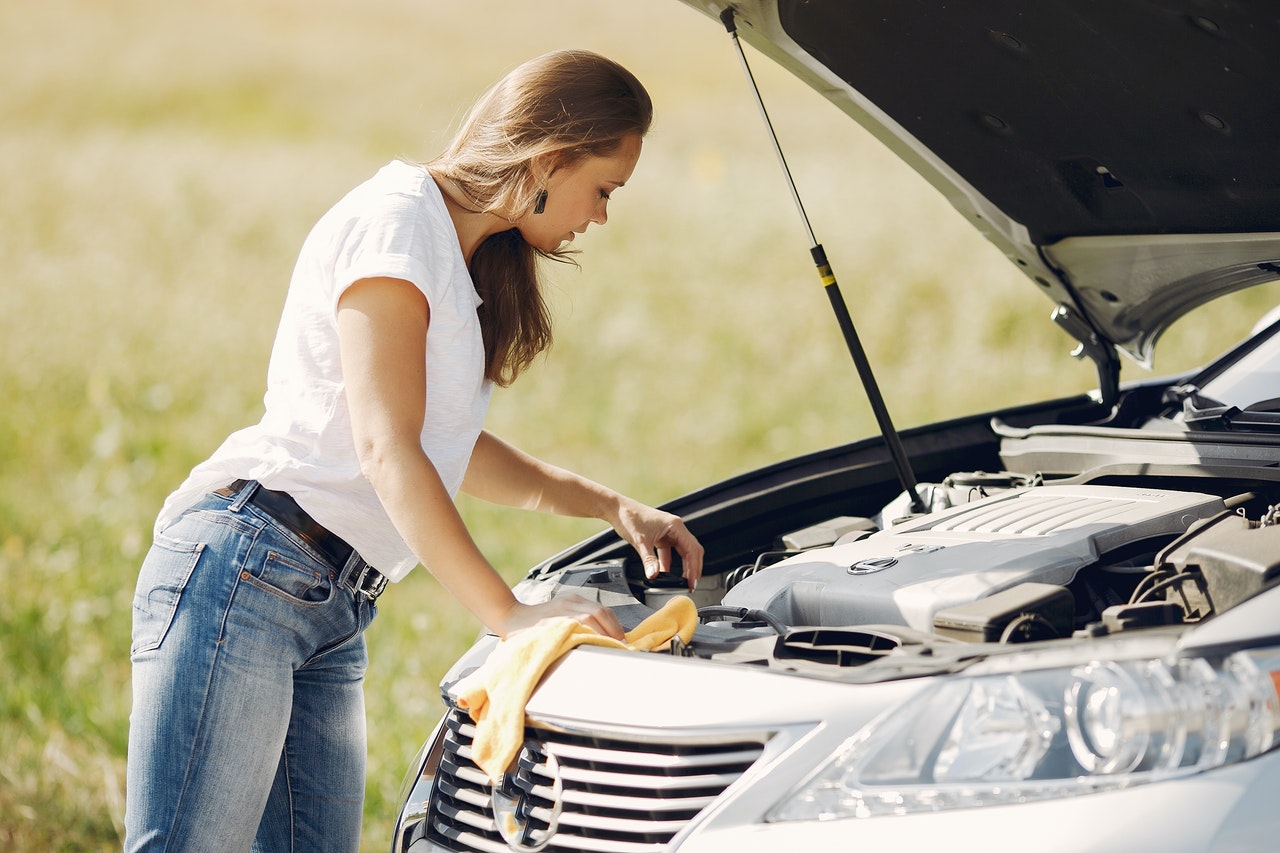
How to Recognize a Blown Engine: Signs and What You Can Do
Worried that your engine may be in trouble? This post shows you how to spot warning signs before the problem gets worse. You’ll learn how a blown motor can affect your vehicle’s performance and safety, what causes serious engine damage (like overheating or water getting inside), and how to catch early signs like dashboard lights, strange sounds, and smoke. Knowing what to look for can help you take action before the damage becomes costly or dangerous. You’ll also learn what your options are, including how to turn your damaged vehicle into something meaningful.
A Damaged Engine Can Pose Dangers to You and Other Drivers
Owning a car means keeping up with regular checkups, maintenance, and repairs. If you drive every day, staying on top of this care is even more important.
Small repairs like new brake pads or tires are common and manageable. Engine trouble can be much more serious.
Your engine keeps your vehicle running. If it fails, your car may no longer be able to move. A damaged engine affects performance, fuel efficiency, and safety. It can put you and others at risk every time you’re on the road.
Engines can fail for many reasons. One major cause is engine overheating, often due to low or leaking engine coolant. Another is hydrolocking, which happens when your motor vehicle drives through deep water and the engine cylinders fill with liquid, causing the system to stall or fail.
To lower the risk of these problems, follow your vehicle’s recommended maintenance schedule. Regular oil changes and checkups can help prevent small issues from becoming big engine trouble.
3 Signs That Your Car Has a Blown Engine
A blown engine does not always fail without giving you warning signs. In many cases, your car will show signs that something is wrong before the engine reaches the point of complete failure. Still, one symptom by itself does not always mean your engine is blown.
Pay attention when multiple symptoms appear together or when your vehicle suddenly behaves differently. Severe knocking, overheating, heavy smoke, or major power loss are good reasons to stop driving and have the vehicle inspected. A professional inspection can show whether you need a smaller repair or have serious damage inside the engine.
1. Check Engine Light Is On
Your check engine light can come on for many reasons, so it does not automatically mean your motor is blown. Still, do not ignore it, especially if you notice other warning signs at the same time. A steady check engine light generally means your vehicle has detected a problem that should be diagnosed. A flashing light can indicate a more urgent issue, such as a severe misfire that could damage other components. Oil pressure and engine temperature warning lights can also point to conditions that put your engine at risk.
A mechanic can use diagnostic equipment to read trouble codes stored in your vehicle. These codes give the mechanic a place to start, but they do not always show the full cause. If your warning lights appear with overheating, knocking noises, smoke, or poor performance, schedule an inspection promptly.
2. Car Performance Has Dropped
Engine trouble often becomes clear when you notice changes in how your vehicle drives. You might press the accelerator and find that your car struggles to gain speed. Other warning signs can include:
- Rough idling
- Frequent stalling
- Engine misfires
- Shaking
- Difficulty starting
- Declining fuel efficiency
These symptoms can happen when your engine cannot produce power as it should. Loss of compression, overheating, damaged internal components, or combustion problems are just a few possible causes.
Not every performance problem means your engine is blown. Problems with the fuel, ignition, transmission, or exhaust systems can create similar symptoms. However, sudden or severe changes in performance should be taken seriously, particularly when they occur with unusual engine sounds or warning lights.
3. More Smoke Than Usual
Your exhaust can give you useful clues about what may be happening inside your engine. A small amount of temporary vapor can be normal, particularly during cold weather. But ongoing clouds of colored or very thick smoke can point to a problem.
The smoke color can help point to possible problems:
- Blue smoke may indicate that engine oil is entering the combustion chamber and burning with the fuel.
- Thick white smoke can be a sign that coolant is entering the engine, potentially because of a damaged head gasket or another internal problem.
- Black smoke generally indicates that the engine is burning too much fuel.
Pay attention to other symptoms as well. Smoke accompanied by overheating, unusual odors, low oil or coolant levels, knocking, or significant power loss can signal a serious problem. Instead of continuing to drive and risking more damage, have a mechanic check the vehicle.
Answers to Common Questions About Blown Engines
There is no guaranteed safe distance to drive when you suspect serious engine damage. Continuing to operate the vehicle could damage pistons, bearings, connecting rods, the crankshaft, cylinder head, or engine block. A problem that might have been repairable can become a complete engine failure.
If you notice the signs, pull over somewhere safe and shut off the engine. Towing the vehicle to a repair shop can help you avoid making the damage worse.
Diagnosing a blown motor often requires special knowledge and equipment. Even if you are comfortable performing basic maintenance, internal engine repairs are much more complicated than changing oil, replacing filters, or installing a battery.
For example, a mechanic may perform compression or leak-down testing to determine what is happening inside the cylinders. Misdiagnosing the problem could lead you to replace unnecessary parts or accidentally cause further damage during disassembly and reassembly.
There are safety risks to consider, too. Hot engine components, pressurized fluids, electrical systems, and improperly supported vehicles can create hazards for inexperienced DIY mechanics.
Basic checks can give you useful information, but suspected internal engine damage usually needs a professional diagnosis. A qualified mechanic can determine the extent of the damage and explain whether repairing, rebuilding, or replacing the engine makes the most sense.
Before agreeing to a major repair, ask for an estimate. Compare the expected repair cost with your vehicle’s age, mileage, overall condition, reliability, and value. If extensive engine work costs more than you are comfortable investing in an older vehicle, replacing or getting rid of the car may be more practical.
Give your mechanic as much helpful information as you can. Write down when the problem started and whether it happens during startup, idling, acceleration, or highway driving. Note any warning lights, smoke colors, strange odors, leaks, overheating, knocking sounds, or changes in performance. If you have maintenance and repair records, bring those as well. They can help the mechanic understand the vehicle’s history and identify possible causes more efficiently.
Most importantly, do not keep starting or driving a vehicle that may have serious engine damage. If you are unsure whether the car is safe to operate, arrange for towing instead of risking additional damage on the way to the repair shop.
Your Busted Car Still Has Value: Use It to Help Those in Need
Finding out that your engine is blown can feel overwhelming. Repairs can cost a lot, and there is no guarantee your car will be like new again.
But a blown engine does not make your car worthless. You can still put it to good use by donating it to help people in your community who need support. You can do that by handing over that clunker to us at Goodwill Car Donations.
At Goodwill Car Donations, we accept vehicles in almost any condition. We’ll tow your vehicle for free, do any necessary fixes, and sell it at auction. The proceeds help support Goodwill organizations serving your area. These IRS-certified 501(c)(3) nonprofits provide job training, employment assistance, education, and support for people with disabilities, criminal records, or barriers to employment. That old vehicle can help change someone’s life.
To donate, you only need to contact us. We’ll handle everything else from that point on, including picking up and towing your vehicle at absolutely no cost to you. Plus, your donation may qualify you for a maximum tax deduction in the next tax season.
Your gift can also help you feel good knowing you supported people in your community who could use a hand. You can donate almost any type of vehicle even if it’s already in bad condition.
We handle the paperwork. We cover the towing. All you need to do is get in touch and we’ll take care of the rest.
For more information about our simple vehicle donation process and other common questions, check out our FAQs page . If you have questions, call us at 866-233-8586 or leave us a message here.
Turn Over Your Clunker to Us Today!
Ready to turn your broken-down vehicle into something that gives back?
Call Goodwill Car Donations at 866-233-8586 or fill out our online donation form today. You’ll clear space in your garage, help your neighbors, and potentially save money on your taxes.