5 Steps to Take When You Need a Car Catalytic Converter Replacement
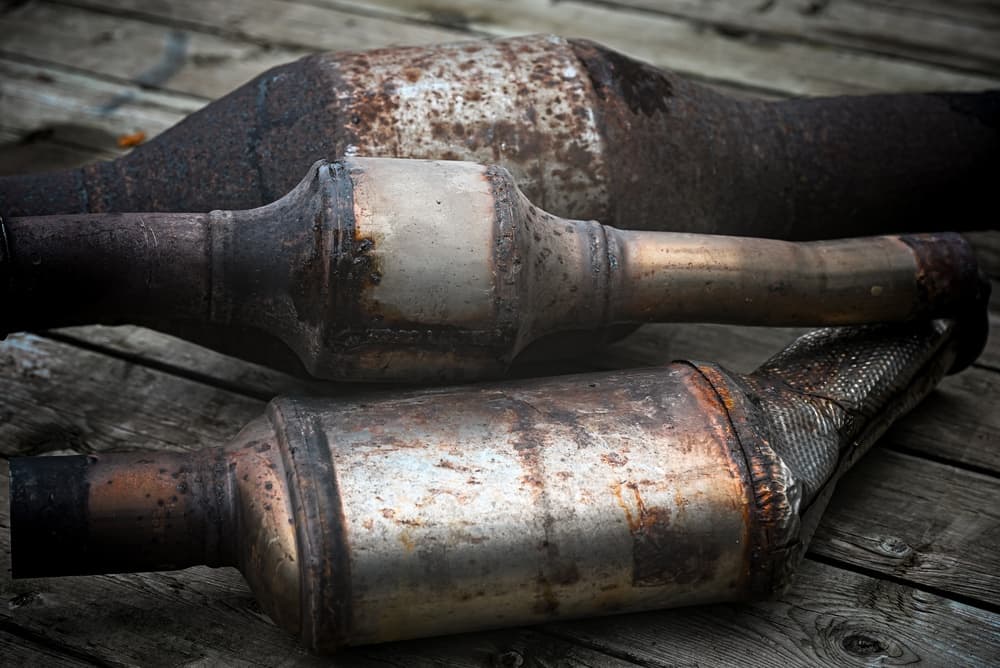
A warning light, slow pickup, or a strange exhaust smell can make you wonder what is wrong with your car. If a repair shop says you need a new catalytic converter, the price may bring up another question: Is the repair worth it?
Car catalytic converter replacement means taking out a failed part that controls harmful exhaust gases and putting in the right replacement. Before you approve the work, check the cause, compare your replacement choices, and look over the full estimate. These five steps can help you choose between fixing your car and taking another path.
What a Catalytic Converter Does
Your catalytic converter is part of the exhaust system, often near the engine or farther under the car. Some cars have more than one. Inside, a coated honeycomb helps turn harmful exhaust gases into less harmful gases before they leave the tailpipe.
On many gas-powered cars, a three-way converter cuts carbon monoxide, unburned fuel gases, and nitrogen oxides. Exhaust also needs to flow through it freely. If the parts inside melt or break and block the opening, trapped exhaust can make your engine run poorly. Catalytic converters need heat to do their job well, which makes cutting harmful gases harder when you first start a cold engine.
Step 1: Recognize the Signs of a Bad Catalytic Converter
Common signs of a bad catalytic converter include slow pickup, rattling under the car, and a Check Engine light. You may also notice lower gas mileage or a sulfur smell, much like rotten eggs. Other problems can cause these signs, so no single one proves the converter has failed.
Pay Attention to Performance Changes and Unusual Smells
A blocked converter may make your car feel weak when you speed up or drive uphill. Rattling may mean broken pieces inside, though loose heat shields and other exhaust parts can make the same sounds. Tell the shop when you notice each problem. A sulfur smell may come from exhaust gases or a problem with the engine’s fuel controls, rather than mean only the converter needs replacing.
Know When to Stop Driving
Pull over safely if the Check Engine light flashes, the engine shakes hard, or the car loses a lot of power. A flashing light can mean a misfire that could cause the converter to get too hot and fail. Smoke, strong heat, or exhaust fumes inside the car also mean you need help right away. Have the car towed when driving it may be unsafe.
Step 2: Confirm the Problem Before Replacing Parts
Ask a trained technician to read the trouble codes and walk you through the test results. Codes P0420 and P0430 point to how well the converter works, but they do not tell the whole story. Before you approve a costly repair, ask what shows the converter is bad and whether the shop has ruled out related problems.
Check the Exhaust System and Exhaust Flow
The technician should check for exhaust leaks, test the oxygen sensors, and see how well the engine runs. If the signs point to a blockage, an exhaust back-pressure test may help find where flow is blocked. Misfires, too much fuel, burning oil, or coolant leaking into the engine’s combustion chambers can harm a converter. Finding and fixing the cause helps keep the new part safe.
A second opinion can help when the shop bases its advice only on a code scan or cannot explain the results. Bring the first report and ask an exhaust expert or another trained shop to review it. Check the testing fee first, and leave the codes in place so the next shop can read them.
Step 3: Compare Catalytic Converter Replacement Options
The right new catalytic converter must fit your car and meet the emissions rules that apply. Give the shop your vehicle identification number, engine details, and the place where your car is registered. Ask if the part is approved for your exact car, how the shop will install it, and what warranty covers the full repair.
Direct-Fit vs. Universal Converters
A direct-fit converter is made for certain cars and usually attaches where the old part was mounted. A universal converter may cost less to buy but need cutting, welding, or custom work to fit. Compare the full installed prices. A cheaper part may take more work, and fitting in place does not mean it meets emissions rules.
OEM vs. Aftermarket Converters
An original equipment manufacturer, or OEM, converter comes through the car maker’s parts system. An aftermarket converter comes from a different supplier and may cost less. Both choices must suit your car and be installed correctly. Where California emissions rules apply, check that the part has the right approval for your car. Taking out a catalytic converter without putting in an approved replacement breaks federal law. Bypassing it will not fix the root cause and may leave your car short of the emissions rules it must meet.
Check Warranty Coverage Before Paying
For cars that qualify, the federal emissions warranty generally covers the catalytic converter for eight years or 80,000 miles, whichever comes first. Coverage varies by car and situation, and some cars have longer protection. Ask an authorized dealer to review your VIN, warranty booklet, and any recalls or special coverage before you agree to pay for a replacement yourself.
Step 4: Review the Full Catalytic Converter Replacement Cost
For a rough budget, AAA puts catalytic converter replacement at about $1,000–$4,000 for parts and labor. Some repairs cost more or less. Your car’s design, required parts, local labor prices, and other damage all shape the final bill. Ask for a written estimate for your car instead of treating a national price range as a set quote.
AAA lists converter parts at about $300–$2,500, with a separate charge for installation. Ask the shop to list labor, testing, gaskets, hardware, taxes, and any sensor or exhaust repairs separately. Rusted joints or a converter that is hard to reach can mean extra work. A car that needs several converters may cost much more to fix than one with a single, easy-to-reach unit.
Decide Whether Another Exhaust Repair Could Solve the Problem
An exhaust leak or bad oxygen sensor may help trigger an efficiency warning even when the converter does not need replacing. Fix those parts when tests show they caused the problem. Still, a new sensor cannot fix a melted or broken converter. Oil, coolant, or other buildup may also cause lasting damage. Ask which repairs fix the cause and which fix the damage it left behind.
Compare estimates from trained shops that include the same work and similar parts. Ask about warranties for parts and labor, how long repairs will take, and final checks. The shop should check that leaks and performance problems are gone. If your car needs an emissions test, ask how the shop will check its readiness monitors after the work.
Step 5: Decide Whether to Repair, Sell, or Donate
Replacement may be worth it when your car is reliable overall and the repair could help it last several more years. Weigh the full estimate against your car’s current value, other repairs you expect, and the cost of another car. Age alone does not decide the issue, and a repair bill above a certain share of the car’s value does not always mean you should let it go.
Ongoing emissions problems, serious engine trouble, or several repairs ahead can make keeping your car less practical. You could sell it with the problems clearly explained or look into donation. Goodwill Car Donations can review cars with mechanical problems, including cars that no longer run or have failed emissions tests. Approved donations come with free pickup and towing.
How the Vehicle Donation Process Works
Start by sharing your contact details and information about your car online or by phone. Describe the converter problem, any missing parts, and whether the car starts, rolls, and is within reach of a tow truck. Read the vehicle donation FAQs for help. Once we confirm that your car qualifies, we arrange pickup and explain the paperwork.
Prepare Your Title and Donation Records
You usually need proof that you own the car, and title rules differ by state. Get clear steps before signing or handing over papers, especially if you still owe money or cannot find the title. Donated cars are sold to raise money for participating nonprofit groups and services, such as job training and help finding work in the communities those groups serve.
A donation that qualifies may allow a tax deduction under IRS rules. Keep your pickup receipt, official acknowledgment, and sale records. A deduction does not give you a dollar back for every dollar your car is worth. Ask a tax professional whether you qualify, which forms you need, and how much you may claim for your situation.
Car Catalytic Converter Replacement FAQs
Can I Drive a Car with a Bad Catalytic Converter?
That depends on what has gone wrong. An efficiency warning may come on while the car still runs well, but a blockage or overheating can become serious. Get it checked soon. Stop safely and get help if you see a flashing warning light, feel strong shaking or major power loss, or notice smoke or fumes inside.
Is It a Big Job to Replace a Catalytic Converter?
Some easy-to-reach, bolt-on converters are fairly simple for a repair shop to replace. Others are built into the exhaust manifold or need welding and major work to take parts apart. Rust and damage to nearby parts can make the job take longer. Ask for a labor estimate for your specific car and whether the shop expects extra work.
Can You Install a Used Catalytic Converter?
Used converters bring questions about how well they still work, whether they fit, and what the law allows. California bans selling or installing used converters for use in cars. Rules differ elsewhere, so check before you buy one. Ask your repair shop to find the right replacement instead of trusting that a part from a salvage yard is an acceptable choice.
Will Replacement Restore Normal Exhaust Flow?
A new converter could restore flow if the old one caused the blockage and the rest of the exhaust system is in good shape. It will not fix misfires, burning oil, or other engine problems on its own. Those problems need care too, or they may harm the new converter and keep your car from running well.
Consider Goodwill Car Donations When You Are Ready to Move On
If car catalytic converter replacement no longer makes sense for you, explore our accepted vehicles or contact Goodwill Car Donations at 866-233-8586. Share your car’s condition so we can check whether it qualifies, explain the title rules, and arrange free pickup for an approved donation.