5 Steps to Take When You Need a Car Engine Swap
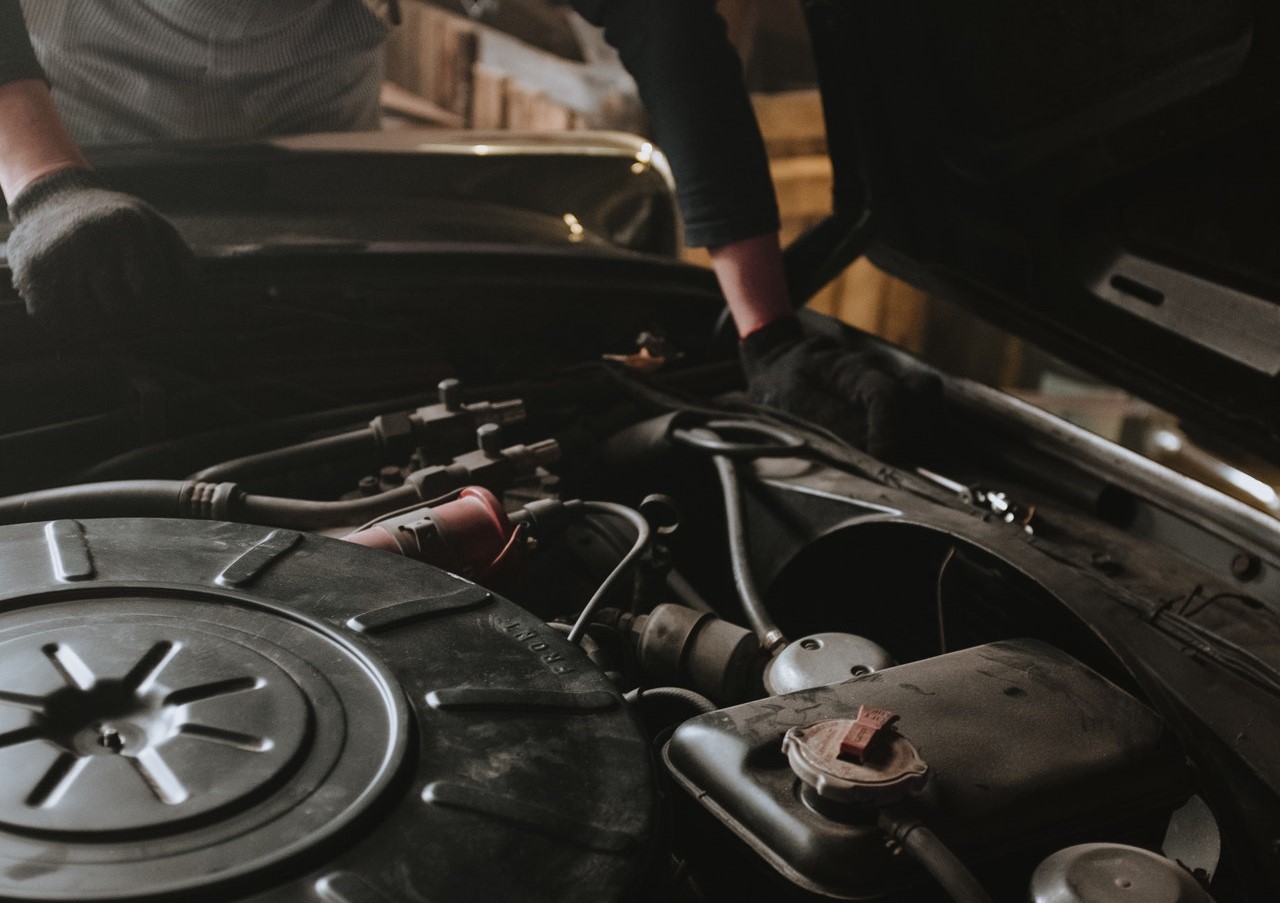
Finding out your car may need another engine can leave you with lots of questions. How much will it cost? Will a replacement make your car reliable again? Would you be better off spending that money on another car?
A car engine swap means taking out the current engine and putting another one in. Before you agree to the work, find out why the engine failed, which engines will fit, and what the full job will cost. These five steps can help you weigh your choices and decide whether to repair or donate your vehicle.
What Is a Car Engine Swap?
People often say “engine swap” when they mean any job that replaces one engine with another. That might mean putting in a matching engine after yours fails or picking a different engine for more power. These jobs can have very different costs and needs.
Some agencies use terms with more exact meanings. California’s Bureau of Automotive Repair, or BAR, separates an engine replacement with an identical setup from an engine change that uses a different setup. That difference affects which inspections you need. If you just want a car you can count on, a matching engine usually needs fewer changes than a custom swap.
Step 1: Confirm Whether Your Engine Needs Replacement
Loud knocking, thick exhaust smoke, repeated overheating, or heavy oil use can signal serious engine problems. Still, these signs alone do not mean you need to replace the whole engine. A broken cooling-system part, oil leak, ignition issue, or damaged cylinder head might need a smaller repair.
Have a skilled mechanic find the problem before you buy an engine. Based on the warning signs, tests may include checking oil pressure, measuring cylinder compression, doing a leak-down test, or looking at parts inside. Ask what the results mean and whether fixing your current engine makes sense.
Finding out what caused the damage matters, too. A replacement engine can also fail if a cooling problem, oil-supply issue, or other fault goes unfixed. If the cause is unclear or the repair price is high, think about getting a second opinion. Do not keep driving with overheating, an oil-pressure warning, or loud knocking; get expert advice and arrange a tow when needed.
Step 2: Compare Replacement Engine Options
Once you know you need a replacement, ask which engines fit your car and budget. Stock, condition, work needed, and warranty coverage all play a part. A cheap engine may not save much if it needs lots of extra work or comes with little protection.
Used, Rebuilt, Remanufactured, or New Engines
A used engine comes from another vehicle and usually keeps the parts already inside it. Ask for mileage records, any service history, test results, and the donor vehicle’s identification number. Find out which parts come with the engine and whether the seller pays for installation labor if it fails.
A rebuilt engine has been taken apart, checked, and fixed by replacing worn or broken parts as needed. When weighing a rebuilt vs. remanufactured engine, ask what work was actually done.
Remanufacturing usually follows a more set process to bring parts within specific limits, but the work and warranty can vary by supplier.
A new engine usually costs more and may not be an option for every car.
Compare each choice based on the full installed price and written warranty terms. Check mileage and time limits, what is not covered, required upkeep, and who handles claims. Also ask whether your current manufacturer coverage could help pay for the original failure.
Check Engine Swap Compatibility and Performance Goals
Engine swap compatibility means more than finding the same engine size. The installer should check the engine code, vehicle setup, transmission connection, mounts, wiring, sensors, computer controls, and emissions equipment. Engines that look the same can still have key differences. Make sure the engine matches before you order it or pay a deposit.
If you want more power, talk about that goal before you choose an engine. A different engine might need changes to the transmission, cooling system, exhaust, fuel supply, or other parts. More power can also put more strain on the drivetrain and affect fuel use, how the car drives, and upkeep.
Choose a project that fits how you use your car. A car you drive to work needs reliable starting, reasonable running costs, and steady performance. A performance swap may need custom-built parts and more problem-solving than a matching replacement. Ask whether the shop has done the same kind of work and can help maintain the finished car.
Step 3: Calculate the Full Engine Swap Cost
An engine swap cost estimate should include the whole repair, from removing the old engine to installing and testing its replacement. The engine itself is just one cost. Professional replacement often costs several thousand dollars, while rare engines and custom swaps can cost much more. Your car’s design, parts supply, and local labor prices shape the final bill.
Ask the shop to list the engine price and labor as separate charges. Other costs may include tests, shipping, oil, coolant, filters, gaskets, seals, and shop fees. Some suppliers also charge a core deposit, which you may get back if the old engine is returned and meets their rules.
Other repairs can change the total. Worn mounts, damaged hoses, cooling-system repairs, or replacing easy-to-reach maintenance parts may be worth handling while the engine is out. Ask which jobs you need, which can wait, and how much labor you would save by doing them together.
Custom jobs may need wiring changes, computer programming, exhaust work, and specially made mounts. Budget for inspections and rides while your car is in the shop. Ask how many labor hours the job needs and how many days the shop expects to keep your car. Parts delays and a busy shop can make those numbers quite different.
Step 4: Check Emissions Rules and Inspection Requirements
Check the rules that apply before buying an engine, especially one that differs from the original. Just because a shop can install an engine does not mean the finished car will be legal to drive on public roads. Review the planned setup with a skilled installer and the right state inspection or registration agency.
Are Engine Swaps Now Illegal?
There is no across-the-board ban on engine swaps. Still, federal rules against tampering apply to emissions changes, and state rules may add more limits. Removing or turning off emissions equipment can break the rules even where regular emissions tests are not offered or required for that car.
Do not assume an engine is allowed just because it fits, runs well, or came from a newer car. The full engine and emissions setup matters. Keep the donor-engine details, purchase receipt, installation records, and any required approvals. Check the rules for your exact project before the work starts.
California Engine Changes and BAR Referee Inspections
California has its own process for engine changes. A vehicle with an engine change must get an initial inspection at a BAR Referee Center and have a BAR Referee label placed inside the engine compartment. Bringing the donor vehicle’s identification number can help the Referee check the installation.
Replacing an engine with an identical setup does not require a BAR Referee inspection just because you replaced it. Any Smog Check rules that already apply still remain in place. Find out which group your project falls into before installation, especially if the new engine, controls, or emissions equipment differ from the original setup.
After an approved engine change, you can get future Smog Checks at regular Smog Check stations using the Referee label. The engine change does not change how often inspections are required. These steps apply in California; owners in other places should check local rules rather than assume the process is the same.
Step 5: Decide Whether Replacing the Engine Is Worthwhile
Is it worth replacing an engine in an older car? It can be if the rest of the car is in good shape, you know why the engine failed, and the repair should add useful driving time. Compare the full repair bill with what you would spend on another reliable car.
Look at more than the engine. Transmission trouble, rust that weakens the body or frame, ongoing electrical problems, or several overdue repairs may make a replacement less worthwhile. Think about how long you want to keep the car and whether the warranty offers real protection. A replacement engine does not make the car’s other aging parts new again.
A repair bill higher than the car’s market value calls for careful thought, but that number alone does not decide things. Another car also costs money. If keeping your car no longer works for you, selling, trading, or donating it may be sensible choices. Base your choice on your budget and the transportation you expect to need.
Donate Your Unwanted Vehicle to Goodwill Car Donations
Goodwill Car Donations considers eligible vehicles with mechanical problems, including cars that do not run. You may be able to donate without paying for an engine swap first. Check the accepted vehicle types, which include cars, trucks, motorcycles, boats, and RVs, and tell us about your vehicle’s condition when you get in touch.
For approved donations, Goodwill Car Donations sets up free pickup and towing at a time that works for you. Ask which ownership papers you need and tell us whether the vehicle rolls and a tow truck can reach it. The vehicle donation FAQs answer common questions about pickup, paperwork, and how the process works.
Donated vehicles are sold, often at auction, to help fund participating nonprofits’ job training, employment services, and other community programs. After your vehicle sells, you receive donation paperwork to keep with your records. Any tax deduction depends on the rules and your own situation; a receipt alone does not mean you qualify. Ask a tax professional for advice about your situation.
If another big repair no longer makes sense, fill out the online donation form or call Goodwill Car Donations at (866) 233-8586. Tell us what you know about the engine problem so we can review whether your vehicle qualifies and explain what comes next.