5 Steps to Take When You Need a Car Airbag Replacement
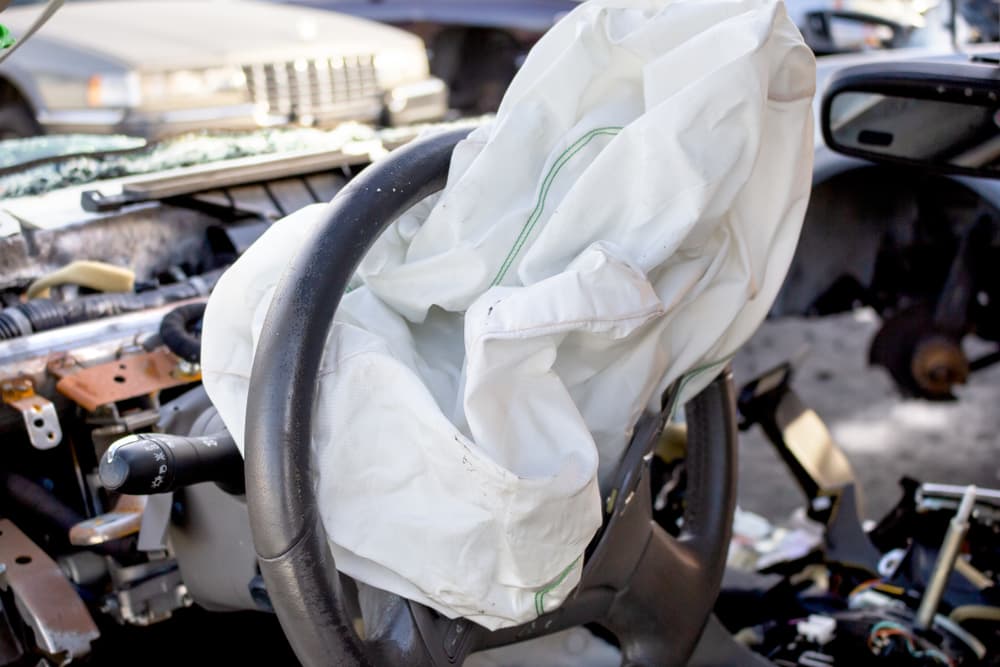
Learning that your car needs airbag work can leave you wondering about safety, repair bills, and whether to keep it. You might have airbags that went off in a crash or an airbag warning light that came on during your drive. These problems call for different repairs, so start by finding out what is wrong.
Car airbag replacement means putting in a new airbag unit when the old one has gone off or needs replacing due to damage or a flaw. Depending on your car, fixing the system may also mean working on other safety parts.
Before you agree to repairs or choose to let your car go, use these five steps to learn about your options.
How Your Car’s Airbags Work
Airbags belong to your car’s supplemental restraint system, also called SRS. Sensors and a control unit help decide when airbags should go off. Front airbags help protect people in certain front-end crashes, while side and curtain airbags help protect them in other kinds of crashes. Some curtain airbags also go off when a car rolls over.
Airbags work with seat belts to help keep people safe. They do not inflate in every crash, and whether they go off depends on the crash and how the car’s system works. An airbag that stays in place during a crash has not always failed.
Step 1: Recognize the Problem and Take Immediate Safety Steps
After a crash, check for injuries and call for emergency help if needed. Follow emergency workers’ directions and keep away from traffic and other dangers. Take notes and photos of the car only when you can do so safely.
Take photos of visible crash damage, airbags that went off, and dashboard warnings without touching or taking out safety parts. Keep these photos with your crash report and insurance records. These records can help show your car’s condition to a repair shop, insurance company, or donation team.
Can You Still Drive a Car with a Blown Airbag?
A car might still start after an airbag goes off, but that does not mean it is safe to drive. NHTSA says to replace airbags that have gone off before you drive the car again. Have your car towed to a suitable repair shop rather than driving it there yourself.
An airbag that has gone off cannot protect you in another crash. Airbags work only once and cannot be packed back into place or used again after they inflate.
Does an Airbag Warning Light Mean You Need a New Airbag?
An airbag warning light points to a possible safety-system problem, but it does not tell you which part has failed. The trouble could be with the airbag system or seat belt tensioners. Get the system checked soon instead of guessing that you need a new airbag.
Check your owner’s manual to learn how the light should act when you start your car. Also, know that an SRS warning and a passenger-airbag-off light can mean different things. Tell the repair technician when the light came on and whether any repairs happened just before it.
Step 2: Get a Professional Diagnosis and Check for Recalls
Pick a technician who knows how to work on your car’s restraint system. Ask the shop to write down what it finds and explain which parts need work. Share any crash history, past airbag repairs, or damage near the seats, steering wheel, and dashboard that you know about.
Your car may need a trained expert’s check even if the airbags stayed in place. For example, Honda tells owners of certain cars to get restraint parts checked after a medium-to-severe crash. Your repair plan should match the directions for your exact car.
How Do You Check for an Airbag Recall?
Type your vehicle identification number, or VIN, into NHTSA’s recall search tool. You can usually find this number on your registration or at the bottom of the windshield on the driver’s side. Call an authorized dealer if the search shows a recall.
Ask the dealer what fix your car needs, whether parts are ready, and whether the recall has special driving rules. Recall repairs are usually free. Checking before you pay for repairs may show that the car’s maker offers a fix for the problem you have.
Save the recall results with your repair records. Follow your car maker’s care and inspection advice instead of thinking that every airbag needs replacing once it reaches a certain age.
Step 3: Understand the Replacement Plan and Choose a Repair Shop
Yes, you can replace airbags in a car. But the job takes more than picking a part that fits behind the steering wheel or dashboard. The shop must follow your car maker’s repair steps for your car and the kind of damage it has.
Replacing an airbag after it goes off should follow the repair steps set by your car’s maker. Ask the shop which other safety parts need work and how it will check the finished job before giving your car back.
Compare an authorized dealer with skilled independent repair shops. Ask about work on your car model, access to the maker’s repair guides, where parts come from, and the repair warranty. A clear answer should help you see what the price quote covers.
What Needs Replacement After Airbags Deploy?
An airbag that has gone off needs replacing, and other restraint parts may need replacing or checking, too. These parts can include the control unit, sensors, seat belts, and belt pretensioners. Pretensioners pull seat belts tight during certain crashes.
The rules depend on your car. Honda’s guidance for certain Pilot models, for example, calls for replacing the control unit and related parts after airbags go off, plus any automatic seat belt tensioners that activated. A basic module-reset service should not take the place of repairs your car’s maker requires.
Ask the shop to list required safety work apart from repairs that are not related. Before you approve the job, ask which inspections and checks the shop will do once the repairs are finished.
How Can You Avoid Unsafe Replacement Airbags?
Ask where new parts come from and how the shop checks that each part is genuine and fits your car. Be careful with very cheap inflators or airbags described only as “refurbished.” A low price does not prove that a safety part is right for your car.
NHTSA has warned about dangerous replacement inflators put into cars after earlier crashes. Save bills that show the repair shop and parts used, especially when you buy or fix a car whose crash history is unclear.
Step 4: Review Airbag Replacement Costs and Insurance
Airbag replacement costs depend on your car, how many airbags went off and where, labor prices, and other damage. Replacing one airbag can be a much smaller job than fixing several airbags and damaged parts inside the car.
Ask for a written quote that lists parts, labor, testing, and other work as separate charges. If you get a second quote, check that both cover the same work. A quote that skips required parts is not the same as one that covers the whole repair.
How Much Does It Cost to Replace an Airbag in a Car?
For a rough budget, ConsumerAffairs reports that replacement often starts at about $1,500 for each airbag that went off, including parts and labor. Several airbags, costly car parts, and other damage can raise the total bill by several thousand dollars.
Use that amount as a starting point, not a firm price. Checking a warning light may uncover a different repair, while major work after a crash may cost far more than replacing one airbag.
Will Insurance Cover Airbag Replacement?
Your coverage depends on your policy and what caused the damage. Collision coverage may help pay for repairs after a covered crash, while comprehensive coverage may help with certain other covered events. Your deductible and policy limits affect how much you pay yourself.
Call your insurance company before you approve repairs tied to a claim. Ask about quote approval, towing, and what happens if the shop finds more damage during repairs. Keep your bills, photos, and claim messages together.
Step 5: Decide Whether to Repair or Donate Your Vehicle
Once you have a full quote, think about your car’s overall shape. Look beyond airbag repairs to damage to the car’s structure, mechanical trouble, or other large costs. Think about how long you plan to keep the car and whether you can afford all the repairs.
Ask for a clear answer whenever the quote changes. You need a realistic view of the whole repair before you weigh it against other choices.
Is It Worth Fixing a Car with Airbags Deployed?
Fixing your car may make sense if the damage can be repaired properly and the car still meets your needs. The choice gets harder when you face several costly repairs or the car has a pattern of problems.
Airbags going off do not automatically mean that a car is totaled. Insurance companies look at the damage, repair bills, car value, and rules that apply. Ask your insurance company to explain its choice before you make plans to keep the car or pass it on.
Can You Donate a Vehicle with Deployed Airbags?
Contact Goodwill Car Donations to explain your car’s condition and check whether it qualifies. Tell us about airbags that went off, crash damage, and whether the car runs or can be moved. Make sure we can accept it before you arrange to transfer ownership.
Goodwill Car Donations can often accept cars in poor shape or cars that do not run, based on program rules. Read the vehicle donation FAQs to learn about which cars qualify, ownership papers, and pickup.
Consider Goodwill Car Donations When Repairs No Longer Make Sense
If you choose not to pay for car airbag replacement, donation may be a useful next step. Goodwill Car Donations checks vehicle details and offers free pickup and towing for approved donations. Ask about title rules and pickup plans before you fill out the paperwork.
Funds raised help support participating groups and programs tied to job training, work, and community services. You may also qualify for a tax deduction, based on IRS rules and your own situation. Save your donation receipt and sale records, and ask a tax expert whether you qualify.
When you are ready, contact Goodwill Car Donations to tell us about your car and talk through the next steps. You can make a sound choice about a car you no longer want while helping support services in your community.