5 Steps to Take When You Need a Vehicle Wiring Harness Replacement
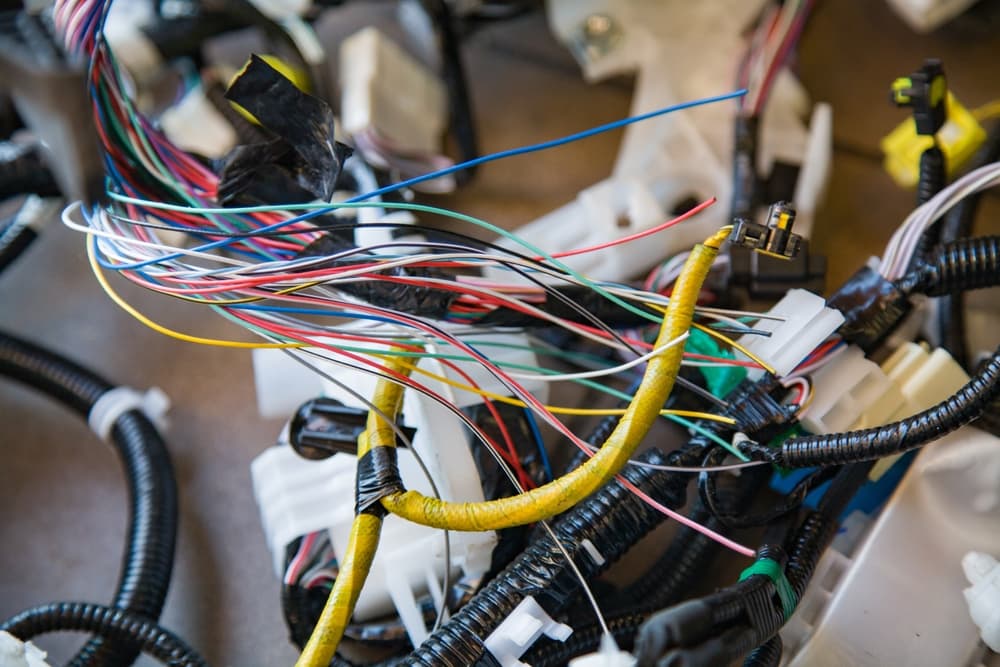
Electrical problems can make a trusty car feel hard to count on. One morning it starts just fine. The next day, warning lights come on, the engine stalls, or several features stop working. A damaged car wiring harness could be the cause, but those signs can also point to other electrical or mechanical problems.
Before you agree to a replacement, ask which wires are damaged and whether a smaller repair could fix the problem. These five steps will help you understand the findings, compare costs, and decide whether fixing or donating your vehicle makes sense.
What Is the Wiring Harness in a Car?
A car wiring harness is a set of wires, terminals, and connectors that sends power and signals between parts. Based on where it sits, it may link sensors, lights, switches, control modules, and other equipment. Covers and clips help hold the wires away from moving parts and harmful heat.
Most vehicles have several harnesses instead of one bundle that serves the whole car. An engine harness links engine-related parts, while other sets serve the dashboard, doors, or back of the vehicle. Replacing one damaged set does not always mean replacing all the car’s wiring.
Step 1: Recognize Bad Wiring Harness Symptoms
Bad wiring harness symptoms can include trouble starting, engine misfires, stalling, flickering lights, or features that work only sometimes. Several warning lights may come on together if damaged wires cut off power or signals. Fuses that keep blowing can also point to a circuit problem that needs checking.
Damage you can see offers another clue. Wire covers may look cracked, melted, or worn through, and connectors may show rust or heat damage. Rodents can chew through wires, while water leaks, shaking, and poor past repairs can cause problems too. Our guide to rodent damage to car wiring explains that specific problem in more detail.
Write down what happens and when. Does the problem show up after rain, over bumps, or only after the engine warms up? Take photos of damage you can see without pulling wires apart or touching bare wires. These details can help a technician find a fault that does not show up during every check.
Is It Safe to Drive with a Damaged Wiring Harness?
A vehicle with damaged wires may not be safe to drive, even if it still starts. The risk depends on which circuits have problems and how bad the damage is. Stalling, headlights you cannot trust, or trouble with safety systems need a professional’s prompt attention.
If you see smoke, smell burning, or suddenly lose power, pull over when safe and turn the vehicle off. Get out and move away if you think there is a fire, then call emergency services. For other serious electrical problems, book an inspection and ask whether you need a tow.
Step 2: Have the Wiring Problem Professionally Diagnosed
A warning light or trouble code does not prove that you need a new harness. A weak battery, bad ground connection, faulty sensor, or damaged connector can cause similar signs. A trained technician should find the circuit with the problem and test it before suggesting a costly replacement.
Testing may include checking connectors, power, and ground connections, reading wiring diagrams, and running the right electrical tests. The technician may also scan the vehicle’s systems for trouble codes and signal problems. Some faults need tests under the same conditions that cause them, such as heat or shaking.
Ask the shop to explain what broke and show you the damage when possible. Find out whether the problem affects just one connector or wire, or reaches several branches of the harness. Also ask what caused it, since a leak, rubbing spot, or part that gets too hot could harm the new wires.
Avoid trying out a multimeter on circuits you do not know. Airbag systems and hybrid or electric vehicle high-voltage systems need special steps and training. Even connectors that look simple may link to equipment you should not test or unplug without knowing the risks.
Step 3: Compare Car Wiring Harness Repair and Replacement
Car wiring harness repair may work when damage is small and the manufacturer permits it. A technician might replace a connector, terminal, short piece of wire, or smaller sub-harness. New wire must have the right wire size and covering for the circuit. Wire that is too thin can get too hot and lose too much voltage, while its covering must handle the heat and chemicals found in that spot.
A new wiring harness may be needed when damage is widespread, wire covers have melted across several circuits, or corrosion has spread inside. Some circuits may also need replacement based on the manufacturer’s repair rules. There is no single rule saying that every damaged wire means replacing a whole harness.
Ask why the suggested choice is right for your vehicle. If repair and replacement are both options, compare their warranties, likely lifespan, and full installed costs. Getting a second opinion from a car electrical specialist can help when the cause is unclear or the estimate is high.
What Does Engine Wiring Harness Replacement Involve?
Engine wiring harness replacement begins with choosing a set that matches the way your vehicle is built. The year and model alone may not prove a match. Engine type, transmission, features, and details about how it was built can affect which part you need.
The technician follows steps for your vehicle to safely disconnect power, reach the harness, and remove the damaged set. The new harness must follow the right path, with its connectors, clips, and covers secured. Where wires pass through metal panels, the required grommets or bulkhead connectors help keep them from getting damaged. Wires must also stay away from exhaust heat, sharp edges, and moving parts.
After the work, the shop tests the affected circuits and makes sure the original problems are gone. Based on what was unplugged, some systems may need more checks or steps to relearn their settings. Ask whether the estimate covers this last check.
Is Replacing a Wiring Harness a DIY Job?
Replacing a small harness that is easy to reach may suit someone with the right skills and service information. Get the manufacturer’s repair steps and wiring diagrams for your exact vehicle before you start. Wire colors and circuit labels can help you spot connections, but you must check them against those diagrams. A large engine, dashboard, or body harness may mean taking many parts apart.
Beginners should leave complex replacement jobs to a trained professional. Wrong connections, wire paths, or circuit protection can harm parts and cause safety risks. Do not assume that universal wiring kits sold for restoration projects can directly replace a modern vehicle’s original harness.
Step 4: Get a Detailed Wiring Harness Replacement Cost Estimate
Wiring harness replacement cost depends on the damaged set, the vehicle’s setup, the damage, and how hard it is to reach. A small accessory harness and a large dashboard harness are very different jobs. The part’s price also leaves out the work to find the problem and put the new harness in.
How Much Does a Car Wiring Harness Cost?
There is no one price that makes sense for every car wiring harness. A short replacement piece may cost far less than a full engine or body set. Ask the shop for the exact part number and whether the suggested part is new original equipment, aftermarket, or used.
Used wiring may have wear, corrosion, or past repairs you do not know about. An aftermarket part also must meet the vehicle’s electrical needs. Ask how soon the part is available and what its warranty covers before choosing on price alone.
What Affects the Total Cost and Turnaround Time?
Labor can be a large part of the bill when the harness runs behind the dashboard or through tight spaces. Finding the cause may also take longer when a fault comes and goes. Fixing connectors, modules, or other damaged parts can add to the bill.
Ask for a written estimate that lists testing, parts, installation labor, related repairs, and any fees separately. Ask how much needs to come apart and what could change the price. The shop should contact you before doing extra work beyond what you have approved.
The wait depends on more than the hours spent installing parts. Finding the right harness, waiting for an out-of-stock part, and tracking down more damage can make the job take longer. Ask how many hours the work should take and how many days your vehicle will likely stay at the shop.
Step 5: Decide Whether to Repair or Donate Your Vehicle
Harness replacement can make sense when the vehicle is otherwise reliable, and the damage has a clear cause that can be fixed. Think about how much more use you expect after the repair. Replacing a vehicle costs money too, so the repair bill alone does not answer the question.
The choice gets tougher when electrical damage is just one item on a growing repair list. Compare the estimate with engine, transmission, brake, or body structure work you will soon need. Think about your travel needs, the vehicle’s past, and whether you can fairly expect to count on it afterward.
You can also ask whether more problems might turn up during repairs, especially after major water or heat damage. No shop can promise that an older vehicle will never need another repair. Still, knowing what is damaged and what remains unclear helps you make a better choice.
If you no longer want the vehicle, selling, trading, or donating it may be worth a look. You do not have to pick donation just because the harness needs replacement. It is an option when keeping and fixing the vehicle no longer works for you.
Donate a Vehicle with Electrical Problems to Goodwill Car Donations
Goodwill Car Donations can often accept vehicles with mechanical or electrical problems, including vehicles that do not run. Whether a vehicle qualifies depends on the vehicle and program rules. Tell us about known wiring damage, starting trouble, and any other problems when asking whether your vehicle qualifies.
For approved donations, Goodwill Car Donations sets up free pickup and towing. Ask what ownership papers you need and which title rules apply in your state before filling out forms. You can read the vehicle donation FAQs to learn more about pickup and paperwork.
Donated vehicles are sold to help fund participating groups’ programs, including job training and employment services. Goodwill Car Donations sends donation records after the vehicle has been processed and sold. A receipt does not mean you automatically qualify for a tax deduction; the rules that apply depend on your situation.
If another electrical repair no longer makes sense, fill out the online donation form or call Goodwill Car Donations at (866) 233-8586. Tell us about your vehicle’s condition and ask what comes next. Our team can help you find out whether donation is an option for your unwanted car.