5 Steps to Take When You Need a Vehicle Frame Replacement
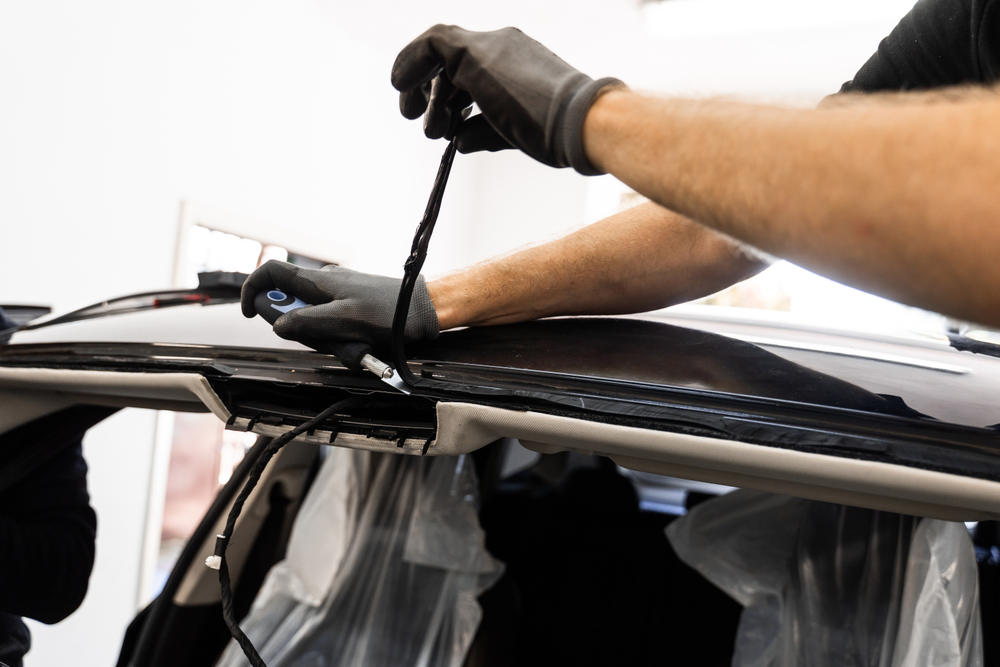
A damaged vehicle frame can leave you with serious questions about safety, repair costs, and whether your car is still worth keeping. Frame damage can affect your alignment, handling, and how major parts of your vehicle fit together. Rust and corrosion can also slowly weaken important structural areas. Still, visible damage does not always mean you need to replace the entire frame.
If a shop mentions car frame replacement, take your decision one step at a time. First understand the damage, then get a professional inspection, compare frame repair with replacement, review the cost and insurance questions, and decide if repairing or donating your car makes the most sense.
What Is a Vehicle Frame?
The frame is the structural base that supports major parts of your vehicle, including the body, suspension, and other components. How this structure is built depends on your car. A body-on-frame vehicle uses a separate frame under the body, while a unibody vehicle combines much of the body and frame into one structure.
This difference can affect how your frame repair or replacement is handled. A damaged section on one vehicle may be repairable, while similar damage on another may require more extensive structural work. Because each design varies, your repair plan should be based on your specific vehicle and the location and severity of the frame damage.
Step 1: Understand the Extent of the Frame Damage
Frame damage can happen after a collision, but a hard impact is not the only possible cause. Rust and corrosion can weaken structural metal, especially when they spread through load-bearing areas. Your frame may also be bent, twisted, cracked, or fractured. In some cases, the damage affects only one section. In others, it affects several areas of your car.
Look for visible warning signs without assuming they show the whole problem. Uneven gaps around your doors or body panels, a car that seems to sit unevenly, or obvious bends and cracks may point to frame problems. Rust that has eaten through structural metal is another good reason to have your vehicle checked.
Take clear photos of any visible frame damage before repairs begin. Wide photos can show where the damage is located, while close-ups can document cracks, corrosion, bends, or other affected areas. These records may help you when talking with a repair shop or your insurer.
Do not rely on your visual check alone. Some frame damage is difficult to see without measurements or specialized equipment. Your car can also have alignment or structural problems that aren’t obvious while it’s parked. The goal of this first step is to document what you can see and avoid making a repair decision until the full damage is known.
Step 2: Have the Frame Professionally Inspected
Frame repair is not a typical do-it-yourself job. Structural work can require precise measurements, specialized equipment, and knowledge of your manufacturer’s repair specifications. A professional inspection can help determine whether your frame is still within acceptable alignment and which areas need attention.
Ask the shop how it measured your frame and what the inspection found. If frame repair is recommended, ask which sections can be repaired and what checks will be completed afterward. If the shop says your frame should be replaced, ask why a full replacement is recommended instead of repairing only the damaged area.
It’s also reasonable to ask about the shop’s experience with structural repairs and what warranty applies to the work. The repair method should fit your vehicle design and the type of frame damage. A unibody vehicle may require a different approach than a body-on-frame vehicle.
The inspection should give you more than a simple yes-or-no answer. It should help you understand the extent of your damage, the proposed frame repair, and any related work that may be needed. That information will make it easier for you to compare repair and replacement in the next step.
Step 3: Compare Frame Repair With Frame Replacement
Can a Car Frame Be Replaced?
Yes, a car frame can be replaced in some situations, but the process can be complex. Your best option depends on how the vehicle is built and how much of the frame is damaged. Minor or localized damage may be a better candidate for frame repair, while extensive damage may make replacement more practical.
Some repairs involve straightening your frame or repairing a specific structural section instead of replacing the entire structure. If only one area is damaged and the rest of your frame is sound, a shop may recommend a targeted frame repair. More severe bending, fractures, or widespread corrosion can change that recommendation and may lead the shop to replace a larger structural section or the full frame.
Body-on-frame vehicles can allow a more traditional frame replacement because the body and frame are separate. Unibody vehicles are more integrated, so major structural replacement can be more involved. That is why a recommendation to replace your frame should be based on the vehicle’s design, measurements, and manufacturer guidance rather than the appearance of the damage alone. Ask what would need to be removed or transferred if the shop plans to replace the full frame.
What Does Frame Replacement Involve?
If technicians need to replace the full frame, major parts of your car may need to be removed or transferred before the replacement structure is installed. The exact process depends on your vehicle. Alignment and structural measurements are important throughout the work so the body, suspension, and other components fit and operate as intended.
After the work is completed, your vehicle should receive the alignment and structural checks called for by the repair plan. This is one reason frame repair and replacement are jobs for a qualified shop with the right equipment. If you are comparing repair options, ask what parts of the process are included and what final checks will be performed.
Step 4: Compare the Cost With the Vehicle’s Overall Condition
How Much Does It Cost to Replace a Frame on a Car?
The cost can vary based on your vehicle design, the extent of the frame damage, labor, parts availability, alignment work, and repairs to nearby body or suspension components. Replacing your entire frame can also be a very different project from straightening or repairing only one section.
Ask for a written estimate that explains the proposed frame repair or replacement and all related work. If the estimate includes several repairs, ask which ones are required because of the frame damage. A clear estimate gives you a better basis for comparing the work with your car’s value and overall condition.
Is It Worth Fixing a Car With Frame Damage?
Frame repair may make sense when your damage is limited, the rest of your car is in good condition, and the repair can return the vehicle to dependable use. Your decision becomes harder when the car already has engine, transmission, electrical, body, or fuel pump problems in addition to structural damage.
Look at your whole vehicle before approving a large repair. Consider its age, condition, repair history, market value, and how long you expect to keep it. Also think about what condition your car is likely to be in after the frame repair is complete. If the frame is only one item on a growing repair list, spending more money may be harder to justify.
Will Insurance Cover a Rotted Frame?
Coverage for your rotted or damaged frame depends on your policy and what caused the damage. Collision-related structural damage may be handled differently than rust, corrosion, wear, or gradual deterioration. Do not assume frame repair will be covered simply because your vehicle carries insurance.
Review your policy and contact your insurer before authorizing major structural work if you plan to make a claim. Ask what documentation, photos, estimates, or inspections are required. Your insurer can explain how the cause of the frame damage and the terms of your policy affect coverage.
Step 5: Repair the Vehicle or Consider Donation
If your car is otherwise in good condition and the proposed frame repair makes sense for your budget, completing the work may be the practical choice. A professional inspection and written estimate can help you decide if the repair is worth moving forward with.
Your decision may look different when a major frame repair or replacement joins several other costly problems. An older car with structural damage, repeated breakdowns, or other major repair needs may no longer fit your plans. If replacing or repairing the frame does not make sense, donation can provide another option for a vehicle you no longer want to keep.
Goodwill Car Donations accepts many types of vehicles, including cars that don’t run. Your damaged vehicle may still be accepted, depending on its condition and the costs involved in pickup. When you start the donation process, describe the known frame damage so your vehicle’s condition is clear.
Goodwill Car Donations can arrange vehicle pickup after your donation is accepted. Proceeds from donated vehicles help support programs connected to job training and employment in local communities. If car frame replacement is no longer the right choice for your vehicle, contact Goodwill Car Donations to learn more about your donation options and next steps.