Car Rear Differential Problems: 5 Steps to Take Before Repair or Replacement
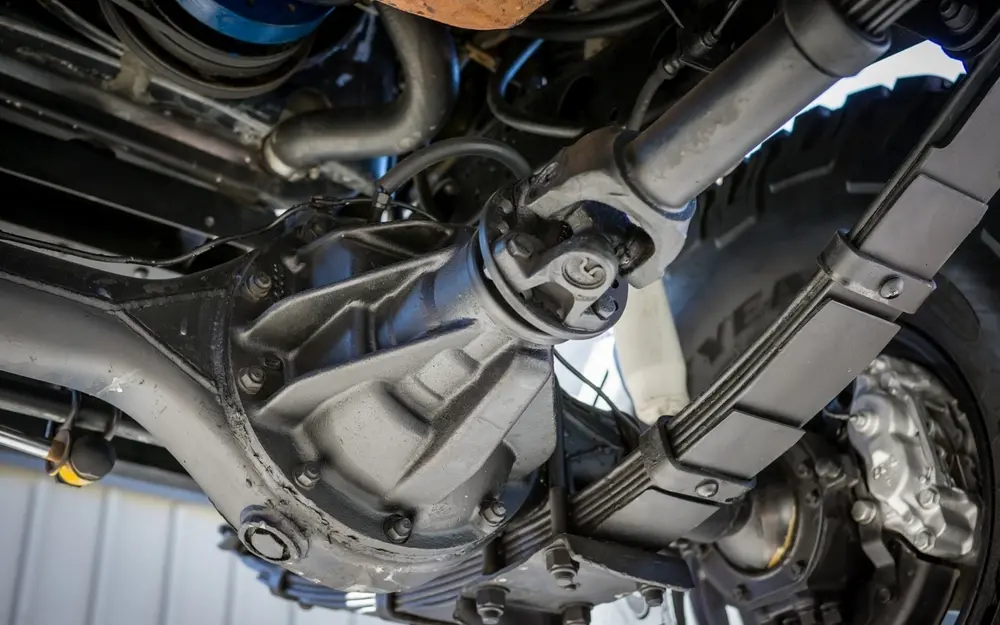
Car rear differential problems may start with a faint whine, a small fluid leak, or a vibration that seems easy to ignore. As internal parts lose lubrication or wear down, though, a small issue can become much more serious. You could end up with badly damaged gears, difficult handling, or a vehicle that can no longer move. Catching these warning signs early can give you more repair options and help prevent further damage.
When you suspect differential trouble, don’t assume the entire unit needs replacement. Some problems can be repaired before major damage occurs.
Recognizing the symptoms, keeping track of when they happen, and getting a professional diagnosis can help you choose the right repair. These five steps can also help you decide whether repairing an older vehicle makes financial sense or whether it may be time to consider another option.
What Does a Rear Differential Do?
The rear differential transfers power from the driveshaft to the rear wheels. It also lets those wheels rotate at different speeds when needed. When your vehicle turns, the outside wheel travels farther than the inside wheel. That means the outside wheel must rotate faster. Your differential allows this difference in wheel speed while continuing to send power where it needs to go.
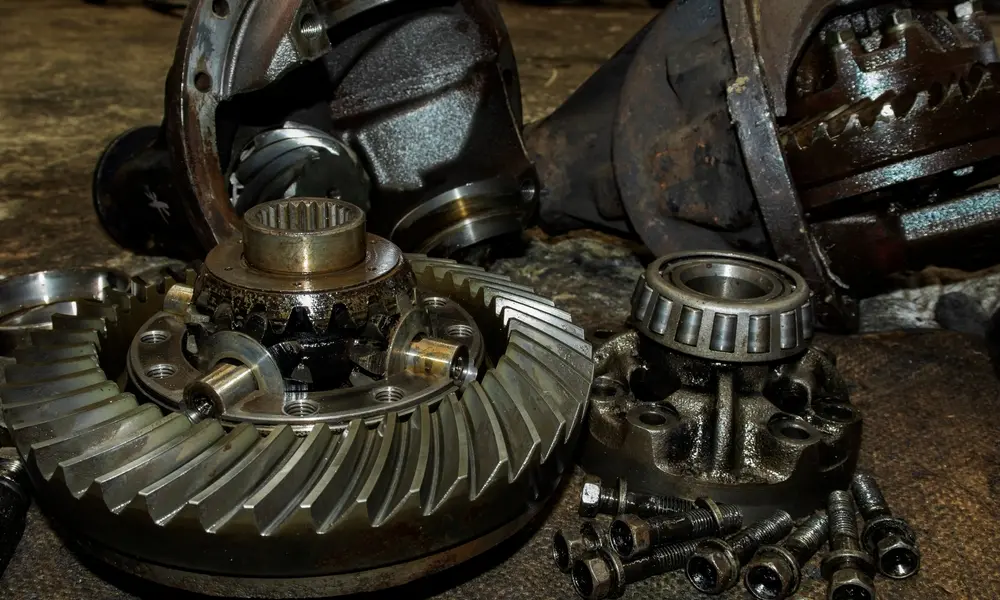
Inside the differential housing, you’ll find gears, bearings, seals, and lubricating fluid. The rear axle includes the shafts and housing that support or drive the rear wheels. The differential is the gear assembly that divides torque between those wheels. That difference matters because people sometimes use “rear axle” and “rear differential” to mean the same thing, even though they describe different parts.
Rear differentials are common in rear-wheel-drive vehicles. Four-wheel-drive vehicles have front and rear differentials. Many all-wheel-drive systems use front and rear differentials along with a center differential or coupling. Most front-wheel-drive cars handle things differently. Their front differential is usually built into the transaxle, so they don’t normally need a separate rear differential.
Step 1: Recognize Bad Rear Differential Symptoms
How can you tell when your rear differential may be going bad? Common warning signs include whining, howling, grinding, or clunking noises. You may also notice vibration during acceleration, fluid under the rear-center area of your vehicle, trouble turning, or unusual tire wear. A burning smell can sometimes mean leaking or worn-out fluid is getting too hot.
These symptoms can point to differential trouble, but they don’t confirm the cause. Tires, wheel bearings, brakes, U-joints, the driveshaft, and transmission can create similar noises or vibrations. Our guide to signs of a failing differential explains five common warning signs in more detail and can help you understand what you’re noticing.
Pay Attention to Noise, Vibration and Burning Odors
A whine or howl that changes with road speed may come from worn gears, worn bearings, or low fluid. Grinding can point to more advanced internal wear. A clunk during acceleration, slowing down, or turning may come from too much movement somewhere in the drivetrain. When talking with a technician, explain when you hear the noise instead of only describing what it sounds like.
Vibration that gets stronger as you accelerate or increase speed also needs attention. Watch for other changes at the same time. A sharp burning smell near the rear of your vehicle can also signal trouble. When that happens, pull over somewhere safe. Overheated gear oil may be causing the smell, or leaking fluid may have reached a hot vehicle surface.
Stop driving when you notice grinding, severe vibration, binding wheels, unstable handling, a major leak, or a sudden change in how your vehicle moves. A damaged differential can eventually seize or stop sending power to the wheels. Continuing to drive could cause more damage or make the vehicle harder to control. Arrange for towing rather than taking an unnecessary risk.
Step 2: Document the Problem and Check for Leaks
Before you visit a repair shop, write down exactly when the problem happens. Note whether you notice it while accelerating, coasting, turning, or driving at a steady speed. Record your approximate speed and whether the vehicle is cold or warm. Also note whether you’re carrying a heavy load or towing. A short audio or video recording may help a technician understand a noise that comes and goes.
Once your parked vehicle has cooled, check the ground near the center of the rear axle for fresh fluid. Differential fluid is usually thick and has a strong odor. You don’t need to crawl under the vehicle or lift it yourself. Doing so without proper equipment and training can be dangerous. Instead, note where you see the fluid, roughly how much appears, and how quickly it returns.
Differential oil leaks commonly start around a worn pinion seal, axle seal, or differential-cover gasket. Damage to the housing itself can also allow fluid to escape. Even a small, slow leak deserves attention. Losing fluid reduces the lubrication that protects internal parts. That creates more heat and can cause gears, bearings, and other parts to wear faster over time.
Step 3: Get an Accurate Differential Diagnosis
A qualified technician may road-test your vehicle, inspect the housing and seals, and check the differential fluid level and condition. Metal particles or a burnt smell in the oil can suggest internal wear. The technician may also examine the bearings, gears, axles, U-joints, and driveshaft. These checks can help separate an actual differential problem from another drivetrain issue with similar symptoms.
Several problems can cause a rear differential to fail. Fluid that is low, old, contaminated, or incorrect for your vehicle may not protect the gears and bearings properly. Worn seals can let lubricant escape over time. Water can also enter the housing and contaminate the fluid that remains inside. Even with proper care, bearings and gears can gradually wear as your vehicle ages and gains mileage.
Certain driving conditions can make that wear happen faster. Excessive wheel spin, repeated hard launches, collision damage, and off-road impacts can place more strain on differential parts. Towing beyond your vehicle’s rated limit can also increase that strain. Tell your technician when the symptoms first appeared, especially when you noticed them shortly after an accident, impact, towing trip, or other unusual event.
Ask the repair shop to identify the part that failed and explain what likely caused the failure. You should also request a written estimate before approving expensive work. When the diagnosis calls for a costly rebuild or complete replacement, getting another opinion may be worthwhile. A shop that specializes in drivetrains or differentials can give you another professional assessment before you make your decision.
Step 4: Compare Service, Rebuild and Replacement Options
Can your rear differential be repaired instead of completely replaced? In many cases, yes. The right repair depends on which parts have failed and how much damage has already occurred. Catching the problem early may give you simpler and less expensive repair choices.
A fluid change or seal replacement may solve an early problem before the gears become damaged. Bearing repairs take more work because the differential must be opened and carefully adjusted. A rebuild may replace bearings, seals, ring-and-pinion gears, or other gears while keeping the usable housing. Full replacement may make more sense when the housing is damaged, several internal parts have failed, or a compatible assembly costs less than extensive repair labor.
Replacement options may include used, remanufactured, and new differential units. A used differential can cost less, but you may not know its full history or previous use. A remanufactured unit has been taken apart, inspected, and rebuilt to specified tolerances. Before comparing estimates, ask each shop what parts are included, how much labor is covered, and what warranty comes with the repair or replacement.
Is It Expensive to Fix a Rear Differential?
Rear differential repairs can be expensive, but every problem doesn’t require a complete replacement. A fluid service or small seal repair may cost a few hundred dollars. Repairs involving bearings, gears, or a complete rebuild can cost well into four figures. A full rear differential replacement commonly costs around $2,000 to $4,000, although certain vehicles and repairs can cost more.
Your actual rear differential replacement cost depends on your vehicle, drivetrain design, amount of damage, available parts, and local labor rates. The type of replacement unit also affects the final price. Ask for an estimate that separates parts from labor and identifies any related axle or driveshaft work. Current quotes from repair shops in your area will usually be more useful than relying on one national average.
Step 5: Decide Whether Replacement Is Worth It
Replacing a rear differential may make financial sense when your vehicle is otherwise dependable, has reasonable mileage, and doesn’t need other major repairs. Compare the repair estimate with your vehicle’s current value, but don’t stop there. Think about how long you plan to keep the vehicle. It also helps to compare the repair cost with what you would spend replacing the entire vehicle.
The choice gets harder when an older vehicle also needs tires, brakes, suspension work, engine repairs, or transmission service. Look beyond the differential estimate alone. Add up what you would need to spend to make the vehicle safe and dependable again. A repair that comes close to the car’s value may be difficult to justify when you already know that several other expensive repairs are likely approaching.
There’s no single lifespan that applies to every rear differential. A properly maintained differential may last for the useful life of the vehicle. Low fluid, contamination, heavy use, or damaged parts can cause one to fail much sooner. There’s also no guaranteed distance you can safely drive with a bad differential. How quickly the problem gets worse depends on the cause and severity of the damage.
How Can You Prevent Rear Differential Problems?
Follow the differential fluid type and service schedule listed in your owner’s manual. Some vehicles may need differential-fluid changes around 30,000 to 50,000 miles, while other manufacturers use different intervals or inspection schedules. Your driving conditions matter too. Regular towing, off-road driving, water exposure, and other severe use may require more frequent differential inspections or service to keep everything properly lubricated.
Check your usual parking area for signs of leaking fluid and have new noises inspected promptly. Stay within your vehicle’s listed payload and towing limits. Try to avoid excessive wheel spin when you’re stuck in snow, mud, or sand. When you notice a leak, unusual vibration, or a change in handling, request a drivetrain inspection rather than waiting until your next routine maintenance visit.
Donate a Car with Rear Differential Problems
When repairing your vehicle no longer makes financial sense, donating it may be simpler than trying to sell it or continuing to store it. Goodwill Car Donations can often accept cars and other vehicles in running or non-running condition, subject to program guidelines. A failed rear differential doesn’t automatically prevent your vehicle from being considered for donation, so you may still have another option.
To get started, complete the vehicle donation form or call Goodwill Car Donations at (866) 233-8586. Once your vehicle is approved, pickup and towing can be arranged at no cost to you. Before signing any paperwork, ask the team what you need for your title, proof of ownership, and any other requirements that apply in your state.
After your vehicle is processed and sold, the proceeds support participating Goodwill organizations and their employment, training, and community programs. Your vehicle donation may also qualify for a federal income tax deduction. Read the vehicle donation FAQs for more details about receipts and paperwork. You can also speak with a qualified tax professional about how the rules apply to your specific circumstances.
Take the Next Step with a Failing Rear Differential
Don’t ignore whining, grinding, fluid leaks, vibration, a burning smell, or sudden changes in handling. Keep track of what you notice and when it happens. Stop driving when the vehicle feels unsafe, and have a qualified technician confirm the cause before you approve a major repair. A clear diagnosis can help you avoid paying for work that your vehicle may not actually need.
Once you have an estimate, compare servicing, rebuilding, and replacing the differential with your vehicle’s overall condition and current value. When another costly repair no longer makes sense, Goodwill Car Donations can help you move on from the vehicle. Your donation can also support valuable employment, training, and community programs through participating Goodwill organizations.