5 Steps To Take When You Need a High-Pressure Fuel Pump Replacement for Your Vehicle
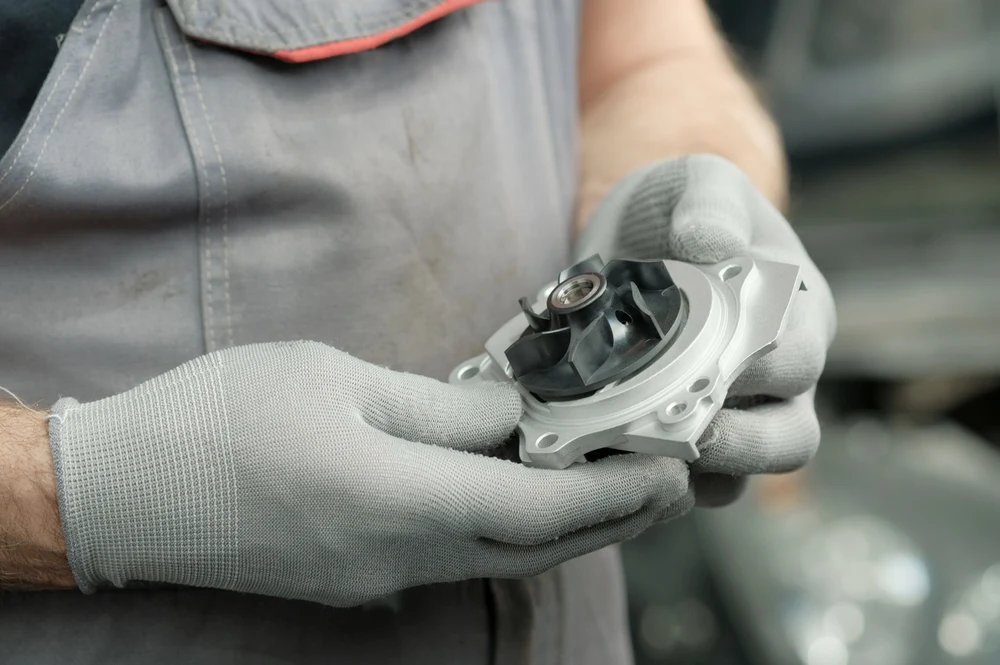
A high-pressure fuel pump problem can change how your vehicle starts, accelerates, and runs. You might notice hard starts, stalling, rough engine performance, or a sudden loss of power. These problems can be serious and may make your vehicle harder to drive. However, these warning signs do not always mean the fuel pump itself has failed. Other problems can cause many of the same symptoms.
That’s why a car fuel pump replacement should always start with a proper diagnosis. Problems with other parts of the fuel system or electrical system can cause similar issues. Replacing a fuel pump without knowing the cause could cost you time and money. You may end up replacing a working part while the real problem remains. A careful inspection can help you avoid paying for a repair you don’t need.
If you think your high-pressure fuel pump may be failing, follow these five steps. They’ll help you spot possible warning signs and understand how the problem should be diagnosed. You’ll also learn what fuel pump replacement involves and what may affect the cost. With that information, you can make a more informed choice about repairing your vehicle or donating it when another costly repair no longer makes sense.
What Does a Car Fuel Pump Do?
A fuel pump moves fuel from your vehicle’s tank toward the engine. It must deliver that fuel at the right pressure for the engine to run properly. Without steady fuel delivery, your engine may have trouble starting or maintaining normal performance. The fuel pump is only one part of a larger fuel system, so problems elsewhere in that system can sometimes create symptoms that seem like pump trouble.
Different vehicles use different types of fuel pumps. Many vehicles have electric pumps, while some older models use mechanical pumps. Certain newer vehicles with direct-injection engines also use a high-pressure fuel pump. This pump delivers fuel at the higher pressure the injection system requires. Knowing which type your vehicle uses matters because the pump design, location, repair process, and replacement needs can differ between vehicles.
The fuel pump works with the:
- Fuel tank
- Lines
- Filter
- Injectors
- Electrical system
A problem with any of these parts can cause symptoms that seem like a failing fuel pump. That makes a proper diagnosis important before you approve a replacement. Don’t decide your car needs a new fuel pump based only on how it runs. Find out exactly what’s causing the problem first. That can help you avoid replacing the wrong part and give you a clearer idea of the repair your vehicle actually needs.
Step 1: Recognize the Signs of a Failing High-Pressure Fuel Pump
The first step is paying attention to changes in how your vehicle runs. You know how your car normally starts, accelerates, and responds while driving. Changes in that behavior can give you an early sign that something needs attention. Fuel pump problems can affect engine performance in several ways, but those changes may also point to other issues. Treat these symptoms as warning signs that your vehicle should be checked.
A failing fuel pump may struggle to give the engine enough fuel at the correct pressure. Your engine depends on steady fuel delivery to run properly. When the pump can’t keep up, performance may become inconsistent. The vehicle might start normally one day and struggle the next. You may also notice problems during acceleration or when the engine needs more fuel. These changes can help a technician know where to begin testing.
Common warning signs may include:
- Difficulty starting the engine
- Engine stalling or rough performance
- Hesitation or loss of power when accelerating
- Reduced performance under load
- Whining or humming sounds near the fuel system
- A check engine light
These symptoms alone don’t prove that your fuel pump has failed. A clogged fuel filter, damaged fuel line, electrical issue, or another engine problem could cause similar behavior. That’s why guessing based on one symptom can lead to the wrong repair. Pay attention to when the problem happens and how often you notice it. Those details can give your technician useful information when it’s time to inspect the vehicle.
Frequent stalling or a major loss of power while driving deserves quick attention. Have your vehicle inspected as soon as possible when these problems occur. A serious fuel-delivery issue can make your car unreliable and could leave you stranded. Continuing to drive without knowing the cause may also make it harder to predict when the problem will happen again. A professional inspection can help you understand what needs to be repaired.
Once you’ve noticed the warning signs, the next step is finding the actual cause. Don’t assume the high-pressure fuel pump is responsible just because the symptoms seem to match. Several parts work together to deliver fuel and keep the engine running properly. Testing the system can show whether the pump is failing or another component is causing the problem. That information gives you a stronger basis for deciding what repair to approve.
Step 2: Have the Fuel System Professionally Diagnosed
Don’t replace your vehicle’s fuel pump until the fuel system has been carefully checked. A new pump can be expensive, and replacing it won’t help when another part is causing the problem. A qualified technician can inspect the system and test its performance. This gives you a clearer answer about what’s wrong before you spend money on repairs. It also helps make sure the recommended work addresses the problem you’re actually experiencing.
A qualified technician can test whether the pump produces the fuel pressure your vehicle requires. Fuel-pressure testing is especially useful because a weak pump may still run. The problem may only appear when the engine needs more fuel or operates under certain conditions. Testing can show whether the pump maintains enough pressure when needed. This gives the technician better information than simply replacing the pump because the vehicle has common fuel-system symptoms.
A technician may also check:
- Diagnostic trouble codes
- Electrical connections
- The pump relay
- Fuses
- Fuel lines
- The filter
These checks can help rule out other problems before an expensive fuel pump is replaced. A bad electrical connection, damaged line, clogged filter, or other issue may affect fuel delivery without requiring a new pump. Finding the actual cause can save you from paying for unnecessary work. It can also help your technician identify other repairs that may need attention while the fuel system is already being inspected.
Ask the repair shop what testing confirmed the diagnosis before approving the repair. You can also ask whether the electrical system was checked and whether the fuel filter was inspected. Find out whether any other fuel-system parts need attention as well. These are reasonable questions, especially when the repair is costly. A shop should be able to explain what it found and why the recommended repair is expected to address your vehicle’s symptoms.
Some fuel pump problems happen only from time to time, which can make diagnosis harder. A pump might work normally during one inspection but struggle when the engine gets hot. Problems may also appear when the engine is under greater demand. More testing may be needed when your symptoms come and go. Tell the technician when you usually notice the problem because those details can help with finding an issue that isn’t always present.
Consider another professional opinion when an expensive high-pressure fuel pump replacement is recommended without a clear explanation. A second diagnosis can be helpful when several problems could be causing the symptoms. It can also make sense when the vehicle behaves differently from one drive to another. You don’t need to approve a major repair without understanding why it’s needed. Clear test results can give you more confidence in the repair decision.
Step 3: Understand What High-Pressure Fuel Pump Replacement Involves
Once testing confirms that the pump is failing, learn what the repair involves before approving the work. Fuel pump replacement isn’t exactly the same for every vehicle. The type of pump, its location, and the vehicle’s fuel system can affect the job. Ask the shop which pump needs replacement and how the repair will be completed. Understanding the work can help you make sense of the estimate and know what you’re paying for.
When Is a High-Pressure Fuel Pump Needed?
Not every vehicle uses a high-pressure fuel pump. The fuel system depends on the vehicle and engine design. Some vehicles use a different type of pump that provides the pressure their engines require. This is one reason you shouldn’t assume your vehicle needs a high-pressure pump based on symptoms alone. Your repair shop can identify the fuel system in your vehicle and explain which pump is involved when testing confirms a problem.
Some direct-injection engines need fuel to reach the injectors at much higher pressure than conventional fuel systems provide. These vehicles may use a high-pressure pump made specifically for the engine. The pump helps supply the pressure required by that injection system. Because designs vary, the right replacement must match the vehicle. Installing the proper part is important for restoring the fuel pressure and operation required by the manufacturer’s system.
The correct fuel pump depends on your vehicle’s design and the manufacturer’s specifications. Pumps aren’t interchangeable simply because they perform a similar job. Your vehicle needs a part designed to work with its fuel system and engine. The repair shop should be able to identify the correct replacement using your vehicle information. Confirming the right part before work begins can also help you better understand the price and warranty included with the repair.
Ask the repair shop to confirm exactly which pump has failed. Some vehicles have more than one component involved in moving and pressurizing fuel. Knowing what’s being replaced can prevent confusion about the repair. It can also help you understand why a particular part is needed and how it relates to your symptoms. When you receive the estimate, the listed part should match what the technician explained after testing your vehicle’s fuel system.
What Does Fuel Pump Replacement Involve?
A technician first needs to reach the failed fuel pump. The amount of work involved depends on where that pump is located in your vehicle. Some repairs require work near the fuel tank, while other pumps may be located elsewhere in the fuel system. Access can affect both the labor time and total repair cost. Your technician should be able to explain where the pump is located and what must be done to reach it.
The technician will remove the failed pump and install the correct replacement. The fuel and electrical systems then need to be properly reconnected. This work must be completed carefully because the pump depends on both systems to operate correctly. Once everything is connected, the technician should test the repair. This helps confirm that the replacement pump is working and that the vehicle’s fuel system is operating as expected after the work is finished.
After replacing the pump, the technician should inspect the system for fuel leaks. The fuel pressure should also be checked to confirm it meets the vehicle’s requirements. The vehicle should then be tested to see whether the original symptoms have stopped. Starting, stalling, and acceleration problems shouldn’t simply be assumed fixed because a new pump was installed. Testing afterward helps confirm that the repair addressed the issue found during diagnosis.
Ask whether any other parts should be serviced while the fuel pump is being replaced. The fuel filter is one example that may need attention depending on your vehicle’s system and its condition. This doesn’t mean every fuel pump repair requires extra parts. The shop should explain why any additional work is recommended. Understanding what needs attention now can help you separate necessary repairs from services that may not apply to your vehicle.
You can also ask whether the shop recommends an original equipment manufacturer part or a quality aftermarket option. Compare the price, warranty, and expected service life before deciding. A lower-priced part may look appealing, but cost is only one part of the choice. Ask what coverage comes with each option and whether the shop has a reason for recommending one. That information can help you choose a replacement that fits your vehicle and budget.
Fuel pump replacement time depends largely on the pump’s location and how easily it can be reached. Some vehicles allow easier access, while others require more labor to reach the part. This can make repair times different from one vehicle to another. Your shop should explain the expected labor before beginning the work. Ask how long the repair should take and whether any vehicle-specific access issues affect the amount of labor included in your estimate.
Step 4: Compare the Repair Cost With Your Vehicle’s Overall Condition
Once you understand what the repair requires, consider whether paying for it makes sense for your vehicle. A fuel pump replacement can be worthwhile, but the answer depends on more than the repair itself. Look at the cost alongside your vehicle’s age, condition, value, and other repair needs. This gives you a better picture of what you’re spending money on and whether you expect the vehicle to remain useful after the pump is replaced.
How Much Does a Fuel Pump Replacement Cost?
Fuel pump replacement costs can vary widely between vehicles. There isn’t one price that applies to every repair because the pump, labor, and access needs can be different. A high-pressure pump may also involve different work than a conventional pump. Before deciding, ask your repair shop for an estimate based on your specific vehicle. That gives you more useful information than relying on a general fuel pump replacement price that may not match your situation.
The total price depends on:
- The vehicle’s make and model
- The type of pump
- The cost of the replacement part
- Labor rates
- Pump location
- Whether other fuel-system repairs are needed
A high-pressure fuel pump may require different parts and labor than a conventional in-tank pump. Those differences can affect the final repair price. The location of the pump may also change how much time the technician needs to complete the job. That’s why two fuel pump replacements can have very different costs. Ask what type of pump your vehicle uses and what work is included in the estimate you receive.
Ask for a written estimate that separates the cost of parts and labor. This makes it easier to understand where your money is going and compare quotes fairly. When the repair is expensive, consider getting estimates from more than one qualified repair facility. Make sure each shop is quoting the same work and similar parts. A lower estimate may not be a better value when it covers different parts, less labor, or different warranty terms.
Price matters, but it shouldn’t be the only thing you consider. Ask about the warranty covering both the replacement part and the labor. A cheaper repair may not save you money when the part has limited coverage or isn’t the quality you expected. Compare what each estimate includes before choosing a shop. Knowing the part being installed, the labor involved, and the warranty terms gives you a clearer picture of the repair’s overall value.
Is Replacing a Fuel Pump Worth It?
Look at your vehicle as a whole before deciding whether to replace the fuel pump. One repair doesn’t tell you everything about the car’s condition. A vehicle with many useful years left may be worth repairing, while a vehicle with several major problems may require a different decision. Think about what you know about the car and what your technician has found. This can help you judge the repair as part of the vehicle’s bigger picture.
Consider the vehicle’s:
- Mileage
- Value
- Repair history
- Body condition
- Other mechanical problems
Think about how long you expect to keep driving the vehicle after the repair. Your plans matter because the value of fixing the pump may look different when you expect to keep the car for years. Consider whether the vehicle still meets your needs and whether it has generally been dependable. You can then compare those factors with the repair cost instead of deciding based only on the price of replacing one fuel-system part.
A fuel pump replacement may make sense when your vehicle is otherwise dependable. Replacing the failed pump could restore normal operation when there aren’t other major problems affecting the car. Review the diagnosis and estimate before deciding. You should also consider the vehicle’s overall condition and recent repair history. Spending money on one confirmed repair can be easier to justify when you don’t expect several other costly problems in the near future.
The choice may look different when your vehicle already has major problems or several expensive repairs coming soon. In that case, the fuel pump may be only one item on a growing repair list. Look at the combined cost rather than treating each problem separately. A repair that seems manageable on its own may feel less practical when other major work is also needed. Your vehicle’s current value can provide useful context for that decision.
Fuel-system cleaning also can’t repair a pump that testing shows no longer produces the required pressure. Cleaning and replacing a failed part are different services. Ask your technician which service directly addresses the problem found during testing. This can help you avoid paying for work that doesn’t fix the diagnosed issue. A clear explanation should connect the recommended repair to the test results and the symptoms you’ve been experiencing with your vehicle.
Comparing the repair cost with your vehicle’s overall condition can help you make a more informed choice. You’ll have a better sense of whether fixing the pump fits your plans for the vehicle. Consider what the repair is expected to solve and whether other major problems remain. When the total cost of keeping the vehicle continues to rise, you may decide that repairing it again is no longer the option that works best for you.
Step 5: Decide Whether To Repair Your Vehicle or Consider Donation
The final step is deciding what makes the most sense for you and your vehicle. You’ve looked at the diagnosis, repair process, estimated cost, and overall condition of the car. Now you can weigh those details together. There isn’t one answer that works for every vehicle owner. Your decision may depend on how reliable the vehicle has been, what other repairs it needs, and how long you expect to continue driving it.
When your vehicle is otherwise reliable and the high-pressure fuel pump is the main problem, replacement may be a reasonable investment. Review the repair estimate and your vehicle’s current condition before moving forward. Think about how long you plan to keep the car as well. A confirmed repair may make more sense when you expect to continue using the vehicle and there aren’t several other expensive mechanical problems waiting to be addressed.
A vehicle with high mileage, repeated breakdowns, or several upcoming repairs may require a different choice. Spending more money on one repair can become harder to justify when other costly work is likely to follow. Consider the full repair picture instead of focusing only on the fuel pump. Your vehicle’s value and reliability can also help guide the decision. At some point, you may decide you no longer want to keep paying for repairs.
When you decide that your vehicle is no longer practical to fix, donating it can be another option. You may prefer donation when you don’t want to spend more money repairing a vehicle you no longer plan to use. Before moving forward, check whether your vehicle qualifies and understand the donation process. This can help you decide whether donating the vehicle fits your situation and what information you’ll need to provide.
Goodwill Car Donations accepts many types of unwanted vehicles, including some vehicles that no longer run. Approved donations can qualify for free pickup, so you may not need to arrange transportation for a vehicle you don’t want to repair. The donation process gives you another way to move on from an unwanted vehicle. Eligibility can depend on the vehicle and its condition, so provide accurate information when you contact the organization.
Proceeds from donated vehicles help support local organizations that offer job training, employment services, and other community programs. Your unwanted vehicle can therefore support programs serving people in local communities. The vehicle doesn’t necessarily need to be in everyday driving condition to be considered. Goodwill Car Donations accepts many unwanted vehicles, including some with mechanical problems, giving owners another option when continued repairs no longer make sense for their situation.
When you start the donation process, provide accurate details about your vehicle and its current condition. Tell us about any known fuel pump problems or other mechanical issues. This information helps the team understand the vehicle and determine the appropriate next steps. You don’t need to hide problems with a vehicle you want to donate. Sharing what you know from the start can help make the process clearer and prevent confusion later.
Can You Receive a Tax Deduction for Donating a Vehicle?
An eligible vehicle donation may qualify for a federal income tax deduction when applicable IRS requirements are met. Tax rules can depend on the donation and your individual situation, so eligibility shouldn’t be assumed. Keep the documents you receive during the donation process and review the applicable requirements before claiming a deduction. You may also want to speak with a qualified tax professional when you have questions about how a vehicle donation affects your taxes.
The amount you may be able to claim can depend on what happens to the vehicle after donation, its final sale price, and the documentation required by the IRS. Donors may also need to itemize deductions to receive the tax benefit. These details can vary, so review the requirements that apply to your donation. Having the correct paperwork can help you understand what information may be needed when it’s time to prepare your tax return.
Our organization provides documentation connected with the vehicle donation and sale. Keep this paperwork with your records because it may be needed when claiming an eligible deduction. You can learn more about the process and the documents involved on our Car Donation Tax Deduction page. Reviewing this information before donating can help you understand what to expect and what records you may need to keep.
Make the Right Decision for Your Vehicle
A car fuel pump replacement can be worthwhile when it returns an otherwise dependable vehicle to reliable service. Start with a proper diagnosis so you know what’s actually causing the problem. Then compare the repair cost with your vehicle’s condition, value, and other repair needs. When costs keep growing or the vehicle no longer fits your needs, donation gives you another option instead of continuing to pay for repairs you don’t want.
Contact Goodwill Car Donations to find out whether your unwanted vehicle may qualify for donation and learn the next steps. Once an approved donation is arranged, free vehicle pickup can be scheduled for a convenient time and location. Share any known fuel pump or mechanical problems when you contact us. Our team can use those details to help determine the next steps for your vehicle donation.