5 Steps to Take When You Need a Diesel Injector Replacement for Your Vehicle
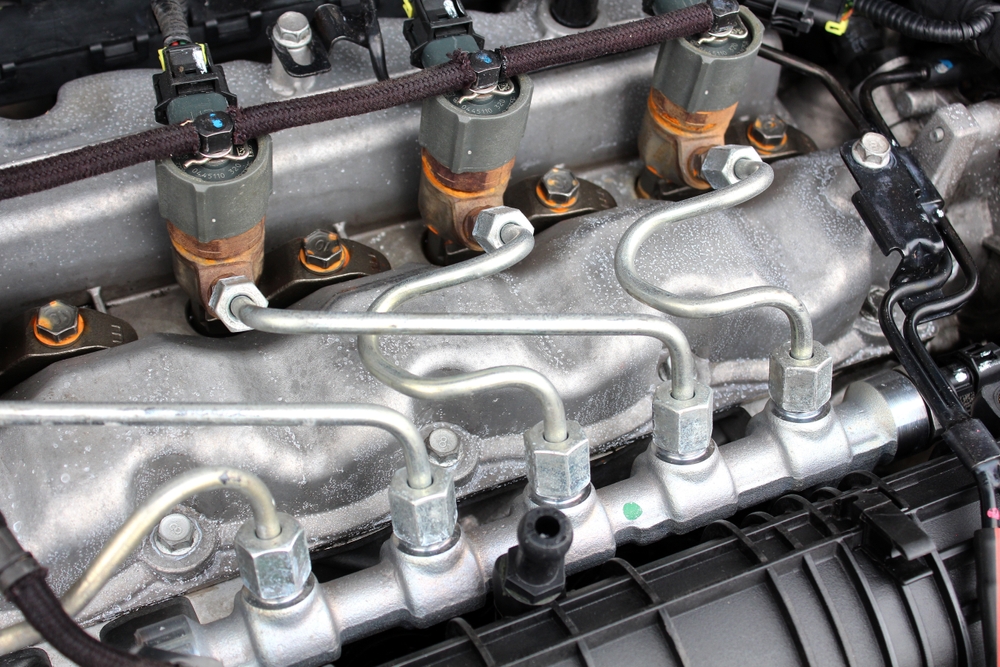
Diesel injector problems can make a vehicle hard to start, rough at idle, weak under load, or costly to keep on the road. A check engine light, poor fuel economy, engine misfires, or a fuel smell can also point to a problem that needs attention. These symptoms do not always mean the injector is the only cause, so the first step is finding out what is wrong before paying for major work.
This guide walks you through five practical steps to take when diesel injector replacement may be needed. You will learn how to spot common symptoms, get the fuel system checked, understand the repair, compare the work with the vehicle’s condition, and decide when repair or donation makes more sense. Knowing what to ask before approving work can also make the repair easier to understand, especially if the vehicle has other problems that need attention.
What Do Diesel Fuel Injectors Do?
Diesel fuel injectors deliver fuel to the engine so combustion can happen. Proper fuel delivery affects how the engine starts, runs, and uses fuel. When an injector is clogged, leaking, or no longer working correctly, the engine may receive too much fuel, too little fuel, or fuel at the wrong time.
Diesel systems are different from standard gasoline port-injection systems, and service needs vary by vehicle. That is one reason car injector replacement should start with a proper diagnosis instead of a guess based on one symptom. The exact location, access, and service steps can vary by engine design, so the repair plan for one diesel vehicle may be very different from another.
Step 1: Recognize the Signs of a Faulty Diesel Injector
A faulty injector can cause several different problems. The engine may misfire, idle roughly, stall, or take longer to start. You may also notice weaker performance, lower fuel economy, or a check engine light. These problems may start small and become easier to notice when the engine is under load.
Fuel smells need quicker attention. A strong diesel smell near the engine or visible fuel leaks may point to an injector, seal, line, or another part of the fuel system. Do not keep driving if you see active fuel leaks or notice a strong fuel smell around the engine. Have the vehicle inspected before the problem gets worse.
Other engine problems can cause similar symptoms, so do not assume replacing fuel injectors is the answer until testing confirms the cause. Write down when the problems happen, such as during startup, idling, acceleration, or a longer drive. Those details can give the repair shop a better starting point and may help separate an injector problem from another fuel or engine issue.
Step 2: Have the Fuel System Properly Diagnosed
Before replacing fuel injectors, have the vehicle properly diagnosed. Injector problems can look like fuel-line issues, electrical faults, or other engine problems. A technician may begin by checking diagnostic trouble codes and looking for patterns linked to a certain cylinder or fuel delivery problem.
The inspection may also include the fuel rail, fuel lines, injector connections, and other parts of the fuel system. Electrical testing can show whether an injector is receiving the correct signal. Depending on the vehicle and symptoms, a shop may also use cylinder balance or flow testing to compare how well the injectors are working.
In some cases, cleaning may be worth considering before fuel injector replacement if deposits are causing the problem instead of a failed part. The best choice depends on what the testing finds. A proper diagnosis helps you avoid replacing fuel injectors that still work correctly. Ask the technician to explain which test results point to the injector and which other causes were ruled out. That explanation can help when you decide whether to approve the repair or get another opinion.
A good diagnosis can also prevent unnecessary parts replacement. Similar symptoms may come from the fuel pump, fuel filter, wiring, sensors, or other engine parts. A technician may compare trouble codes with fuel pressure, injector operation, and how the engine acts under load. If one injector is suspected, testing can help show whether the problem is limited to that part or affects several components. This gives you a better idea of what truly needs repair before you approve fuel injector replacement.
Step 3: Understand What Diesel Injector Replacement Involves
Fuel injector replacement involves more than simply removing one part and installing another. The technician may need to reach the injectors, disconnect related parts, remove old seals or O-rings, install the correct replacements, and put the system back together properly.
The work must follow the manufacturer’s specifications. Parts need to sit correctly, and seals must fit properly so the fuel system can work without leaks. After the repair, the technician should check the area for leaks and make sure the engine runs as expected. Diagnostic codes may also need to be checked again so the shop can confirm the original problem was fixed or see if another issue remains.
Another question is whether one injector or several should be replaced. One failed injector does not automatically mean the full set needs replacement. The answer depends on the diagnosis, the condition of the other injectors, the vehicle, and the repair plan. Ask the shop to explain why it recommends replacing fuel injectors one at a time or as a group.
Step 4: Compare the Repair With the Vehicle’s Overall Condition
Is It Worth Fixing Injectors on a Car?
Fixing injectors can make sense when the rest of the vehicle is in good condition and the repair can return it to dependable use. The choice becomes harder when the vehicle already needs other major repairs, has body damage, breaks down often, or may soon need even more money.
Look at the whole vehicle instead of focusing only on the injector repair. Think about its age, overall condition, recent repair history, and how long you plan to keep it. Replacing fuel injectors may make sense on a vehicle you still trust, but it can be harder to justify when the repair is just one item on a growing list. Also think about how often the vehicle has been out of service and how much you rely on it. A repair that seems reasonable on paper may feel less practical if another major problem could happen soon afterward.
How Much Does Replacing an Injector Cost?
The cost of replacing fuel injectors depends on the vehicle, engine design, parts used, and the amount of labor needed to reach the injectors. Replacing one injector can also cost much less than replacing several. Ask for a written estimate that separates parts and labor so you can clearly see what the repair includes.
You may also be offered original equipment or aftermarket injectors. Ask the shop to explain the differences, warranty coverage, and why it recommends one choice for your vehicle. That gives you better information than choosing based only on price. If several injectors are being discussed, ask why the shop recommends replacing the full set or only the failed unit. The diagnosis should support that decision.
Can You Drive With a Bad Diesel Injector?
A vehicle may still run with a bad injector, but continuing to drive is not always a smart choice. Major misfires, stalling, rough running, fuel smells, or visible fuel leaks are signs to stop and have the vehicle checked. Driving with a fuel system problem can leave you stranded or cause another issue to become worse.
Step 5: Repair the Vehicle or Consider Donation
If the rest of the diesel vehicle is in good shape, professional fuel injector replacement may be a practical choice. A completed repair can fix the injector problem and help you keep using a vehicle that still works well for your needs.
The decision can be different when replacing fuel injectors is only one of several expensive repairs. An older vehicle that no longer runs well, needs major engine work, or keeps going back to the shop may no longer be worth another repair bill. At that point, compare what you would spend with what you expect the vehicle to give you afterward. If the repair solves only one part of a much bigger problem, moving on may be the more practical choice.
Goodwill Car Donations gives owners of unwanted vehicles another option. Damaged or non-running vehicles may still qualify for donation. The process usually starts by sharing information about the vehicle and its condition so pickup and next steps can be arranged. Be honest about known mechanical problems, including injector trouble or other reasons the vehicle does not run. This helps the donation process begin with an accurate picture of the vehicle.
Proceeds from donated vehicles can support local programs connected to job training, employment, and other community services. If diesel injector replacement no longer makes sense for your vehicle, contacting Goodwill Car Donations can help you move on from the car while giving it another purpose.