Can I Donate A Car That Doesn’t Run?
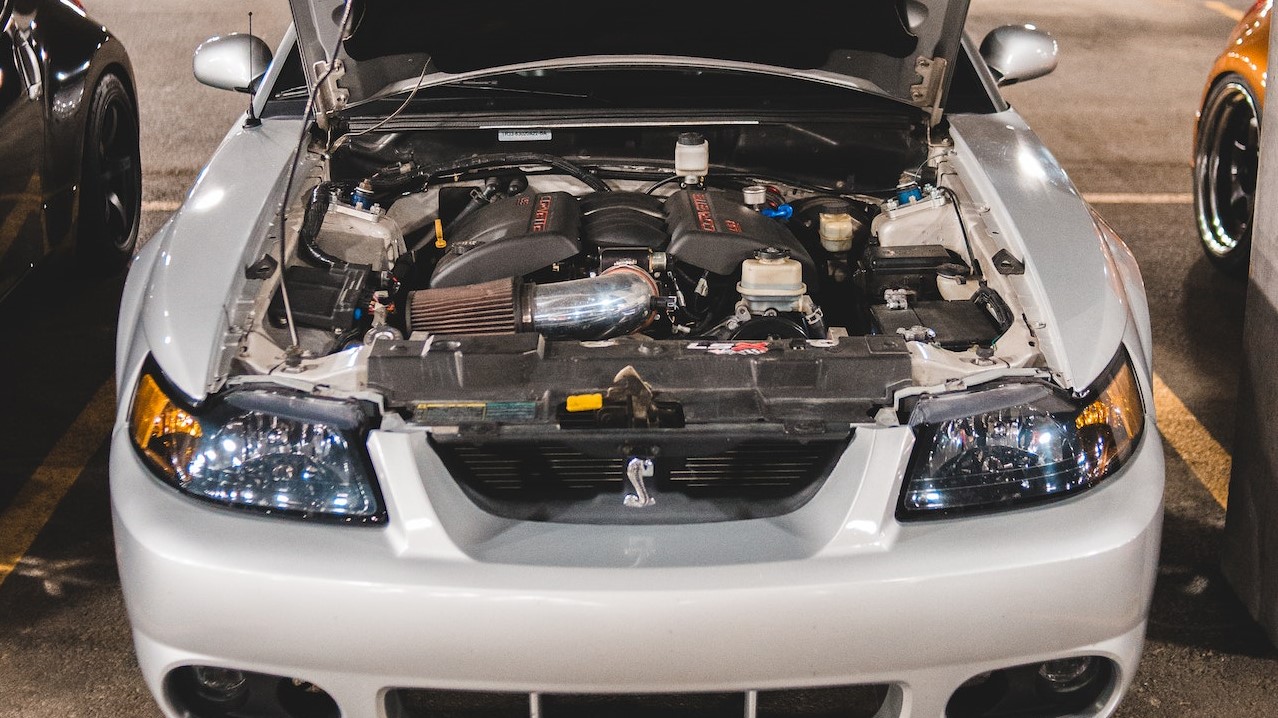
Here, you’ll discover how easy it can be to donate a car that no longer runs and still make a meaningful difference. Instead of letting an old vehicle take up valuable space, you can clear your driveway and avoid costly towing fees. You can also turn that unwanted vehicle into something valuable for others. Goodwill Car Donations accepts most vehicles, running or not, and offers free pickup to make the process easier for you.
Once we accept your vehicle, it can be sold at auction. Even a car that does not run may have valuable parts. In return, you may qualify for a tax deduction while supporting local programs that help people in your community. If your vehicle is in poor condition, you can share details or photos with us first. This helps us determine whether your vehicle can be accepted before we arrange pickup.
If one organization cannot accept your vehicle, another may be able to help. That gives you more ways to make your donation count. With this simple process, you can move forward with confidence and finally remove that unwanted vehicle. Your old car can support programs that help others while making your life easier. You can clear valuable space, avoid the hassle of selling and give your vehicle a useful new purpose.
So, can you donate a vehicle that doesn’t run? Yes! We accept most vehicles, including many that no longer run. We’ll pick up your non-working automobile for free and help make the donation process simple. You may also qualify for a tax deduction. Proceeds from your vehicle’s resale help support our mission-driven programs. It’s an easy, stress-free way to get rid of an unwanted vehicle while making a meaningful difference.
How Do I Donate a Car That Doesn’t Run?
You’ve tried everything, but your car simply isn’t coming back to life. Maybe the repairs cost too much or are no longer worth the effort. You may have already spent time trying to find the problem. Now you need to decide what to do with a vehicle you cannot drive. Fortunately, you have another option that does not require expensive repairs, stressful selling or paying someone to haul your car away.
Letting the car sit in your garage or driveway collecting rust is not ideal. Paying to tow it to a junkyard may not feel worthwhile either. Selling a vehicle that does not run can also be difficult. Many buyers want a car they can drive right away. You could spend weeks posting ads and answering questions without finding a buyer willing to take your broken vehicle off your hands.
Here’s a better option: donate your non-running car to charity. Unless your vehicle is completely stripped down to its frame, it may still have value. When you donate to Goodwill Car Donations, you can remove an unwanted burden without paying for towing. You may also qualify for a tax deduction. Best of all, your old vehicle can help support programs that make a meaningful difference for people in local communities.
We’ll pick up your vehicle at no cost and arrange to sell it, even if it does not run. Buyers may want useful parts such as doors, dashboards, gear knobs and other components. Those parts can give an old vehicle value even when its engine no longer works. Money raised through the vehicle helps support local community programs that provide job training, employment opportunities, education and other important services for people who need support.
While many charities accept non-working cars, some badly damaged vehicles may be declined. That does not mean you should assume your vehicle cannot be donated. You can provide photos or a description before starting the process. This information helps determine whether your vehicle can be accepted. If one organization cannot accept your car, another may be able to take it, giving you another opportunity to make your donation useful.
Have a car that won’t start? Contact Goodwill Car Donations and tell us about your vehicle. We’ll help you understand the next steps and take care of the pickup process if your vehicle qualifies. You do not have to figure everything out yourself. Your unwanted car can become something useful again while helping people through programs focused on employment, education, job skills and other valuable services in local communities.
Why Do Charities Accept Cars That Don’t Run?
Charities accept non-running cars because these vehicles can still have value even when they cannot be driven. Your vehicle may not work anymore, but it could still sell at auction for parts, metal or repair. The money raised can then support the charity’s programs. This means an old car sitting unused in your driveway may still provide valuable support to people who can benefit from community programs and services.
For organizations like Goodwill, vehicle donations can help fund employment training, education and job placement programs. Accepting non-working vehicles also makes donating possible for more people. You do not need a perfect vehicle to make a meaningful contribution. Even a car with major mechanical problems may still have value. By donating it, you can turn something you no longer need into funding that supports useful programs within local communities.
How Do Charities Use Money from Non-Running Car Donations?
Once your donated vehicle is sold, the money can help support programs that benefit your community. This is true even when your car sells mainly for parts. Goodwill uses funds from vehicle donations to support local job training, skills development, education and employment services. Your old vehicle can therefore become much more than an unwanted car. It can help provide resources that people can use to build skills and pursue employment opportunities.
These programs can help people who face barriers when looking for employment. That may include people with disabilities, limited job experience or financial hardships. Programs can provide tools, training and support that help people work toward greater independence. In this way, your unwanted vehicle can become an investment in another person’s future. Something that no longer works for you can still create opportunities and provide meaningful support for someone else.
What Kinds of Non-Running Vehicles Can Still Be Donated?
You can donate much more than a traditional passenger car. Goodwill Car Donations accepts many types of vehicles, including those that no longer run. Depending on their condition and location, accepted donations may include trucks, SUVs, sedans, vans and motorcycles. RVs and campers may also qualify. This gives you several ways to donate an unwanted vehicle instead of leaving it unused, trying to sell it yourself or paying for disposal.
Other types of vehicles and equipment may also qualify for donation. These can include boats, jet skis, snowmobiles, golf carts, riding mowers, farm equipment, trailers and even some noncommercial airplanes. Acceptance can depend on several factors, so you should contact us if you are unsure. We can review your vehicle’s condition and location and help determine whether pickup is possible before you spend time preparing your vehicle for donation.
If you’re unsure whether your vehicle qualifies, simply contact Goodwill Car Donations and tell us what you have. We can review important details about its condition, location and towing needs. You do not need to decide whether your vehicle is worth donating on your own. A vehicle that seems useless to you may still have valuable parts or materials that can help generate funds for programs serving people in local communities.
What Conditions Can a Non-Running Car Be in and Still Qualify?
Your car does not need to start or drive normally to be considered for donation. Many vehicles stop working because of a dead battery, blown engine, failed transmission or electrical problems. Accident damage and damaged tires can also leave a vehicle unable to move. Even a car that has been sitting unused for several years may still qualify. You should not assume that age or mechanical problems automatically prevent your vehicle from being donated.
Whether we can accept your car can depend on its overall condition and location. We may also consider whether major parts are still intact and what towing requires. A severely stripped or incomplete vehicle may need to be handled differently from a complete car with mechanical problems. Access also matters because the towing provider needs to reach and safely remove the vehicle. Sharing these details early can make the process much easier for everyone involved.
The best approach is to tell us exactly what is wrong with your vehicle. Give Goodwill Car Donations as much useful information as you can when you contact us. Don’t assume your car is too old, damaged or broken to help someone. We’ll review the details you provide and tell you whether we can accept your vehicle. This saves you from guessing and helps you understand your options before scheduling a free vehicle pickup.
How Is a Car That Doesn’t Run Picked Up?
If we accept your non-running vehicle, you won’t need to find a way to drive it anywhere. We can arrange free towing from an approved location. That makes donating convenient even when your vehicle cannot leave the driveway under its own power. You can avoid finding a trailer, hiring a towing company yourself or asking someone for help. We handle the pickup process so you can focus on getting your unwanted vehicle ready.
When scheduling pickup, give us as much information as possible about your vehicle and where it is parked. Tell us if the car is inside a garage, sitting at a repair shop or parked in a narrow driveway. You should also mention any location that could be difficult for a tow truck to reach. These details help the towing provider understand the situation and arrive prepared to remove your vehicle as smoothly as possible.
You should also tell us about locked wheels, damaged tires or other problems that could make towing harder. If your vehicle has been sitting in the same place for years, mention that too. These details can help the towing provider decide what equipment may be needed. If you’re unsure whether your vehicle can be reached easily, contact us first. We can discuss the situation with you before pickup and help you understand what to expect.
How Does Donating a Car Compare to Selling or Scrapping It?
Selling a broken vehicle can take more time and work than you expect. You may need to create ads, answer messages, meet potential buyers and negotiate a price. Some buyers may also expect you to make repairs before they agree to purchase the vehicle. Even after all that effort, there is no guarantee you will find someone willing to buy a car that cannot start, move or be driven normally.
Scrapping your car is another option, but the amount you receive may be limited. Depending on your situation, you could also be responsible for towing or other disposal costs. Donating can offer a simpler path. We can pick up an accepted vehicle for free, help with the donation paperwork and provide the appropriate receipt. You may qualify for a tax deduction while your vehicle helps support programs serving people within your local community.
For many people, donating offers a convenient and meaningful way to handle an unwanted vehicle. You do not have to spend weeks trying to find a buyer or pay to move the car yourself. Instead, you can complete a straightforward donation process and let us handle the next steps. Your vehicle can leave your property while helping raise money for programs that provide employment, education and other valuable services to people who need them.
What Are the Tax Benefits of Donating a Non-Running Car?
When you donate a vehicle to a qualified 501(c)(3) nonprofit, your donation may be tax-deductible. The amount you can deduct generally depends on what happens to the vehicle and how much it sells for. If your donated car sells for more than $500, your deduction is generally based on its sale price. Tax rules can vary based on your situation, so keep all documents you receive after completing your vehicle donation.
If your donated vehicle sells for $500 or less, different rules may apply. In many cases, you may deduct the smaller amount between the vehicle’s fair market value and $500. You’ll receive written documentation related to your donation that you can keep with your tax records. Because individual tax situations differ, consider speaking with a qualified tax professional if you have questions about your deduction or how to report your vehicle donation.
Your potential tax deduction can provide another benefit when you donate a vehicle you no longer need. However, taxes do not have to make the process confusing. Keep your receipt and other donation documents in a safe place. When tax season arrives, you can use that information while preparing your return. A tax professional can also explain which rules apply to your situation and help you understand what information you need to provide.
What Should You Do Before Donating a Non-Running Vehicle?
Once your vehicle has been accepted, a little preparation can make pickup much easier. Start by finding your ownership paperwork, including your vehicle title. Make sure you understand where the title needs to be signed before completing anything. If you cannot find your title, contact us for guidance. Requirements can vary, so asking first can prevent mistakes and help ensure you have the documents needed when it is time for your vehicle to be picked up.
Next, remove your personal belongings from the vehicle. Check the trunk, glove compartment, center console, under the seats and any other storage spaces. It is easy to forget small items inside a car that has been sitting unused. You should also gather every vehicle key you still have. Having your keys and paperwork ready can make pickup easier and help prevent unnecessary delays when the towing provider arrives to remove your donated vehicle.
You should also check your state’s rules for license plates and vehicle registration. Depending on where you live, you may need to remove your plates before the vehicle leaves. Follow your state’s requirements for canceling or updating the vehicle registration. You should also contact your insurance company at the proper time. Taking care of these simple steps can help you complete the donation process correctly and avoid problems after your vehicle has been picked up.
Finally, tell us about anything that could make towing your vehicle more difficult. That includes mechanical problems, damaged or locked wheels and limited access around the vehicle. Most importantly, don’t assume you must spend money repairing your car before donating it. A vehicle that cannot run may still be useful to our program exactly as it is. Let us review its condition before you decide that repairs are necessary or that donation is not possible.
How Does Donating a Car That Doesn’t Run Help Local Communities?
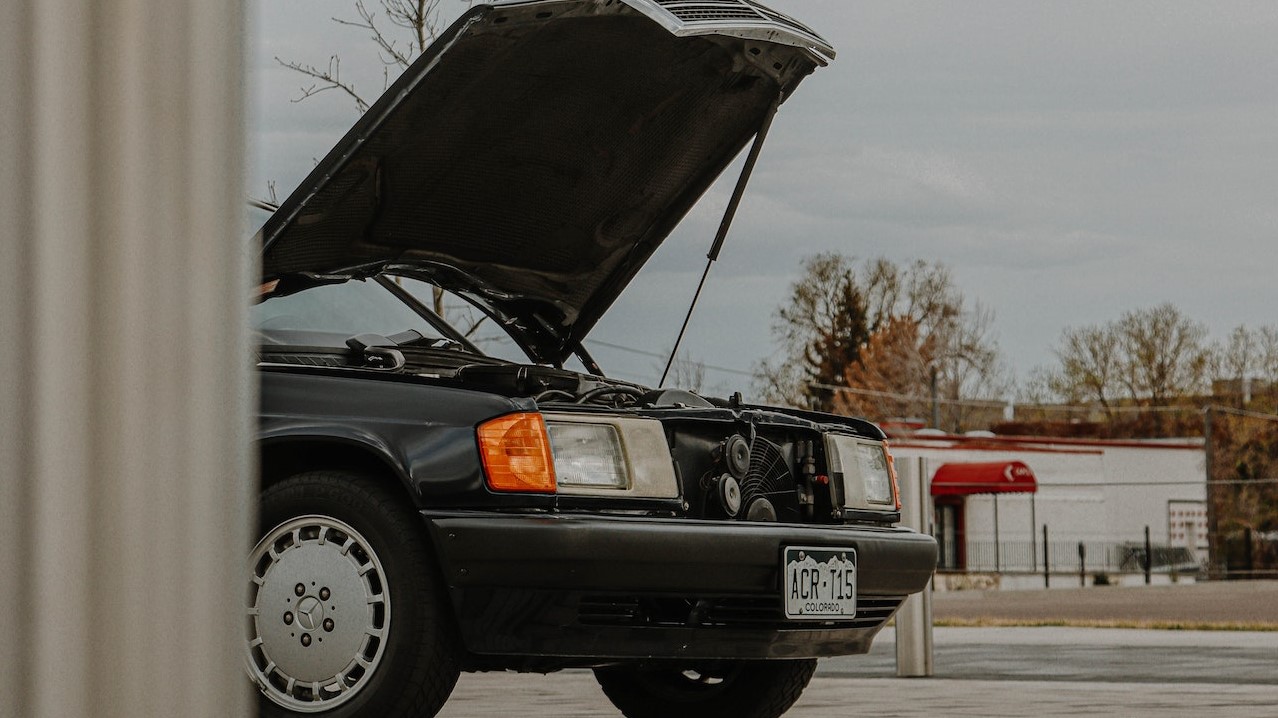
Donating your non-working vehicle can help fund valuable services in local communities. Through Goodwill, your donation can support job readiness, career coaching and community-based employment programs. These services help people develop useful skills and prepare for meaningful work. Your old vehicle may no longer help you get where you need to go, but it can still provide resources that help another person move toward new opportunities and greater independence.
Your donation can also help turn an unwanted vehicle into something positive. Instead of leaving your car unused, you can give it another purpose through its resale value. The money raised can help people build job skills, prepare for employment and work toward a more stable future. Your vehicle does not need to run perfectly to make a difference. Even a non-working car may have value that can help support meaningful community programs.
Ready to Donate Your Non-Working Car Today?
We make it easy for you to donate a vehicle that no longer runs. Simply tell us about your car, provide your information and let us know where the vehicle is located. We’ll help you understand what comes next and handle the pickup process if your vehicle is accepted. You do not have to worry about getting your broken vehicle to us yourself. Our free towing service helps make donating convenient from the beginning.
A car that doesn’t work can quickly become a frustrating burden. It takes up valuable space and may continue losing value as it sits. Goodwill Car Donations can help take that burden off your shoulders. Your donation may also qualify for a tax deduction while supporting valuable local programs. Call us today to tell us about your vehicle and see how simple it can be to turn an unwanted car into something meaningful.
We accept most vehicles whether or not they still run. If your vehicle qualifies, we can arrange free pickup so you do not have to pay for towing. You may also qualify for a tax deduction based on applicable tax rules. Most importantly, proceeds from your donated vehicle can help support programs that provide job training, education, employment support and other valuable services for people within local communities.