5 Steps to Take When Your Car’s Dual-Clutch Transmission Fails
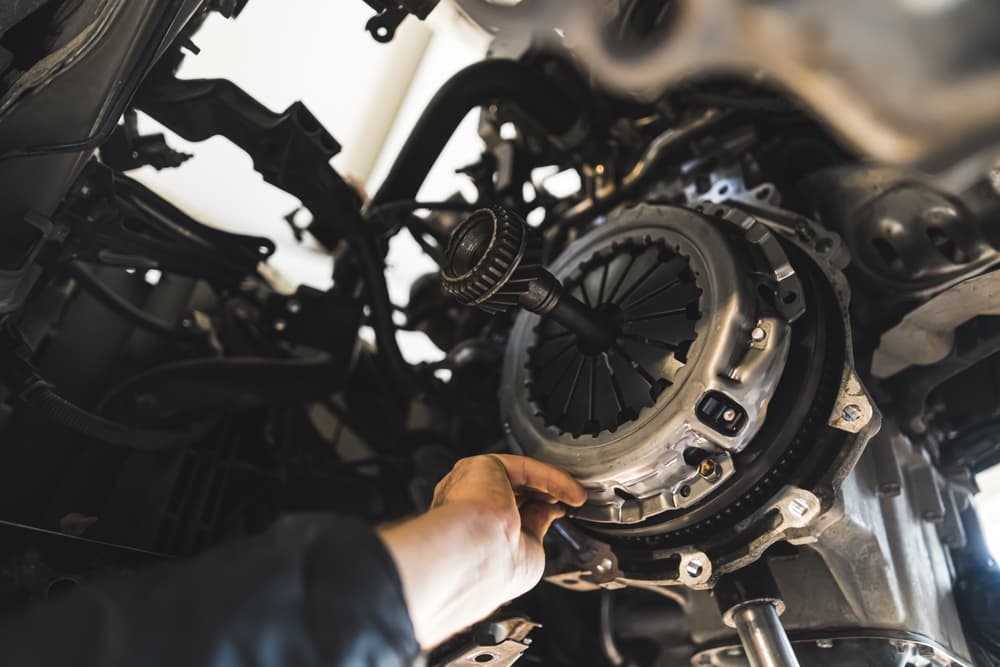
Shaking as you pull away, a wait before your car moves, or a transmission warning can make you wonder what comes next. You may fear getting stuck, paying a big repair bill, or giving up a car you still need.
Car dual-clutch failure can mean worn clutches, faulty controls, or damage inside the gearbox. Still, signs alone won’t tell you which part needs fixing. Some issues need a repair to one part, not a whole new transmission.
These five steps will help you spot warning signs, learn about repair choices, and decide if fixing or donating your car makes sense.
How a Dual-Clutch Transmission Works
A dual-clutch transmission, or DCT, uses two clutches to send engine power through separate sets of gears. One handles the odd-numbered forward gears, and the other handles the even-numbered gears. The system can get the next gear ready before it finishes a shift.
A DCT is a type of automated manual transmission. Electronic controls and moving parts called actuators work the clutches and choose gears for you. Unlike a standard automatic, it usually uses friction clutches, not a torque converter, to pass engine power to the transmission.
Wet-Clutch vs. Dry-Clutch Designs
Wet-clutch systems keep the clutch plates in fluid to help control heat. Dry-clutch systems work without that fluid bath around the surfaces that grip. A dry-clutch transmission still needs oil or other lubricants for its other parts.
These differences matter when finding faults and planning care. Your car’s exact transmission sets the rules for fluid type, service timing, and repair steps.
Step 1: Recognize DCT Failure Symptoms and Respond Safely
Watch for changes in how your car starts moving, shifts gears, and responds when you press the gas. Note whether problems happen when the car is cold, warmed up, in traffic, or on hills. These details can help a mechanic track down a problem that comes and goes.
Low-Speed Shuddering
Dual-clutch shuddering can feel like shaking or repeated grabbing when you move away from a stop. Worn clutch surfaces, dirt or fluid on those surfaces, or control issues can affect how the clutch grips.
Is low-speed shaking normal, or is your DCT failing? Some DCTs feel unlike standard automatics at low speeds, but shaking that lasts or gets worse needs a check. Some carmakers call for clutch-shudder tests and software updates before deciding whether the clutch needs replacing.
Delayed Engagement and Harsh Shifts
You might choose Drive or Reverse and feel a longer pause than usual before your car moves. Other warning signs include rough shifts, slipping, or rising engine speed without the pickup you expect.
These signs can point to worn clutches, actuators, hydraulic controls on some models, or electronic faults. They don’t prove that a certain part has failed. Don’t press harder on the gas to make the car move.
Warning Lights, Overheating, and Limp Mode
A transmission warning or flashing gear light needs your attention. Some faults turn on limp mode, which limits the gears you can use or how the car runs. Too much heat can trigger a safety shutdown that stops the clutches from passing along power.
Follow the message on your dash and the steps in your owner’s manual. For example, some Hyundai DCT guides say to stop safely and keep the engine running in Park while the transmission cools. Severe dual-clutch transmission overheating can trigger a safety shutdown that stops the clutches from passing along power.
Can You Keep Driving?
There’s no set distance you can safely drive with signs of DCT failure. Loss of power to the wheels, severe shaking, grinding, or warnings to stop mean you should pull over safely and get help.
Don’t rely on gentle use of the gas pedal to work around a serious fault. If the signs seem mild, call a skilled repair shop soon and ask if you need a tow. Tell the tow service your car’s model and what is wrong with its transmission.
Step 2: Get a Professional Diagnosis
Choose a mechanic who knows your type of DCT. A basic fault-code scan can offer clues, but it may not show which part failed or why it broke.
Ask the shop to put its findings in writing before it suggests costly work.
What Causes Dual-Clutch Transmission Problems?
Repeated clutch slipping causes heat and wear. Too much creeping, using the gas to hold your car on a hill, and repeated fast starts can put more strain on the clutch system. Carmakers warn that some stop-start traffic and hill driving can make DCTs run hotter. Other causes include leaking seals, worn parts, actuator faults, and software issues. In wet-clutch systems, the wrong fluid, low fluid, or dirty fluid can cause trouble.
A mechatronic unit brings together electronic and hydraulic controls in many DCTs. A fault in this unit can upset shifting without always harming the whole gearbox. Designs differ, so the tests must fit your car.
What Should the Technician Check?
Tests may cover transmission fault codes, wiring connections, actuator function, leaks, and fluid condition when needed. The mechanic may also check clutch adaptation values, which show changes the system makes as parts work and wear.
Those values must be checked along with other test results. They can’t tell the whole story alone.
Ask if the shop found clutch wear, a control problem, or damage inside the gearbox. Also ask what caused the fault. Replacing a clutch without fixing a leak that dirtied it, for example, could put the new clutch at risk of the same trouble.
Step 3: Understand Your Repair Options
Dual-clutch transmission failure doesn’t always mean you need a whole new unit. The right repair depends on the proven fault, parts you can get, and the carmaker’s repair steps.
Ask the mechanic to explain how the test results support the planned repair.
Software, Clutch, and Mechatronic Repairs
Some cars may need an approved software update or a process that helps the system relearn its settings. Others need a new clutch, actuator repairs, or work on the control unit. A software update can’t fix parts that are worn out or broken.
Clutch repairs may also call for seals, hardware, or a check of the flywheel. Replacing a control unit can mean extra work to program it and set it up. Check that the quote covers all steps needed to make the transmission work as it should.
When Full Replacement May Be Needed
Major damage inside the gearbox or limits on repairs may make a replacement the sensible choice. Ask about new, rebuilt-to-spec, and used units that fit your car.
Compare how soon each is available, warranty terms, and the full cost with installation. A cheaper unit may have a less certain history or need more work. Get a second opinion if the cause is unclear or the suggested repair costs a lot.
Step 4: Compare Repair Costs and Available Coverage
Dual-clutch transmission repair cost depends largely on what went wrong. Fixing wiring, replacing a clutch, and replacing a whole gearbox are separate jobs.
Your transmission type, local labor costs, parts supply, and needed programming also affect the price. A quote for your specific car tells you more than a broad price you find online.
What Should the Estimate Include?
Ask for separate prices for testing, parts, labor, fluids, seals, programming, and required relearn steps. Ask if tests found damage to related parts and if the quote covers a final check of how everything works.
Make sure quotes cover the same work when you compare shops. One clutch quote may cover seals, fluids, and setup, while another covers just the clutch itself. Ask what the shop will do if it finds more damage while taking things apart.
Check Warranty and Recall Information
Before you approve repairs, ask an authorized dealer if your car qualifies for warranty coverage, a service campaign, or extended coverage. The answer may depend on the part, your car’s history, mileage, and the program’s rules.
Use your VIN to check for open safety recalls through NHTSA. Follow the carmaker’s recall instructions and ask the dealer about the fix. A service bulletin gives repair guidance and does not, by itself, mean repairs are free.
Is Repairing the Car Worthwhile?
Repair may make sense if your car is otherwise reliable and the work should give it more useful life. Compare the whole repair bill with the cost of getting another reliable car.
Also think about engine, brake, suspension, or body work you may soon need. Consider time without your car and how much you rely on it. No single repair-cost cutoff makes sense for every owner.
Step 5: Consider Donation If You’re Ready to Move On
If keeping your car no longer works for you, donation is one choice alongside selling or trading it. You don’t have to donate just because the transmission needs repairs.
Goodwill Car Donations can often accept cars that don’t run but meet program rules. Describe the known transmission issues and whether your car starts, rolls, and is easy to reach for pickup.
Ownership Papers and Free Pickup
Start by sharing your car’s details online or by phone. After checking those details, Goodwill Car Donations can set up free pickup and towing for an approved donation.
Have your ownership papers ready. You usually need a signed title, but the rules can vary. Ask what to do before you sign or hand over any papers. The vehicle donation FAQs explain pickup and paperwork.
Donation Records and Potential Tax Benefits
Keep your pickup receipt and the written acknowledgment you get after processing and sale. Having a receipt does not, on its own, mean you qualify for a tax deduction.
For vehicle deductions over $500, the IRS generally limits the deduction to the gross sale proceeds when the charity sells the car, with rules and exceptions that may apply. Check current IRS guidance and ask a tax professional about your own situation.
FAQs About Dual-Clutch Failure and Donation
Does DCT Failure Prevent Vehicle Donation?
Not always. Goodwill Car Donations considers cars with mechanical issues, including ones that don’t run. Acceptance depends on the car and program rules. Explain its condition before you arrange to hand it over.
Should You Repair the Transmission Before Donating?
Ask if your car qualifies before paying for repairs just to get it ready for donation. You may be able to donate it as it is. Money spent on repairs won’t guarantee an equal increase in any tax benefit.
How Does the Donation Help Others?
Donated cars are sold to raise money for participating organizations. Funds help support programs such as job training and employment services. You can read more about this work through Goodwill Car Donations.
Give Your Unwanted Vehicle a New Purpose
A transmission problem can bring a tough choice about a car you’ve counted on. Knowing the cause and full repair cost helps you see your next steps more clearly.
If you’re ready to look into donation, contact Goodwill Car Donations or call (866) 233-8586. Tell the team about your car and its transmission problems to learn if it qualifies and what happens next.