5 Steps to Take When You Need a Car Exhaust Replacement
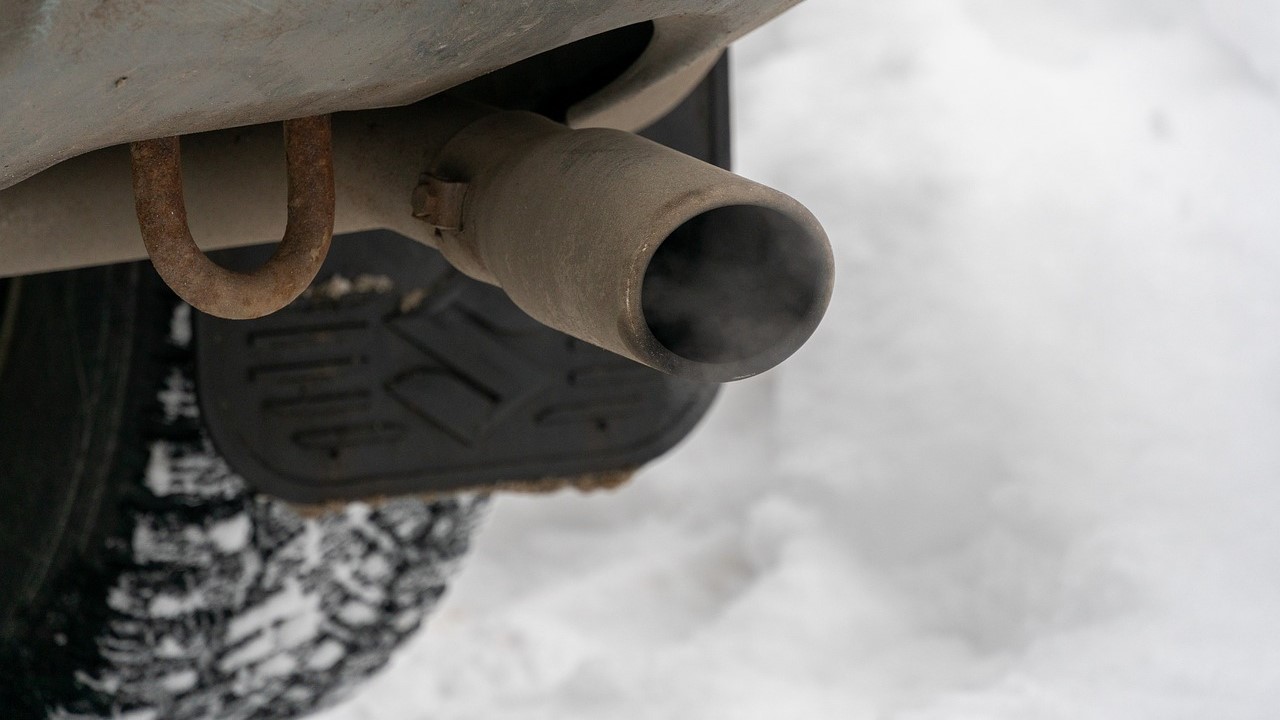
A louder engine, rattling under your car, or a strange smell can make you wonder whether you need a car exhaust replacement. You may also worry about the cost and whether your car is worth fixing.
Exhaust replacement can mean changing one broken part or several parts of the system. Before you agree to a big repair, ask what failed, what the price covers, and whether a smaller fix would work.
These five steps will help you weigh your options and choose what to do next.
What Does the Exhaust System Do?
Your exhaust system moves gases away from the engine and sends them through an outlet, often near the back of your car. Sealed pipes and joints help keep those gases away from people inside. The catalytic converter cuts certain harmful pollutants, while mufflers and resonators keep noise down.
Oxygen sensors check exhaust gases and help the engine’s controls adjust the mix of air and fuel or check how the converter works, based on where they sit. Rust, heating and cooling, road damage, and worn joints can lead to leaks or cracks.
The right repair depends on which part has failed.
Step 1: Recognize Exhaust Leak Symptoms and Other Warning Signs
Changes in sound, smell, or how your car runs need attention. Notice when the problem happens, such as on a cold start, when speeding up, or after hitting a pothole. These details can help a mechanic find the damage.
Loud Noise, Rattling, and Visible Damage
A new roar, rumble, hiss, or ticking sound may mean a leak. Rattling under your car could come from a loose heat shield, damaged hanger, or broken part inside. Noise alone does not mean that your whole exhaust system needs to be replaced.
Rust holes, split seams, or a pipe hanging down are other warning signs. Share what you can see from a safe spot, but let the shop check underneath. Do not reach toward hot exhaust parts or get beneath a car held up only by a jack.
Does Visible Exhaust Smoke Mean You Need Replacement?
Blue, black, or thick white exhaust that keeps coming can signal an engine or fuel-system problem. A new muffler will not fix burning oil, a poor fuel mix, or coolant leaking into the engine. Brief water vapor when starting a cold car can be normal.
Tell the mechanic what color the smoke is, when it shows up, and whether you’re losing oil or coolant. Finding the cause matters because some engine problems can harm the catalytic converter, too.
Can You Drive a Car with a Blown Exhaust?
Do not assume your car is safe just because it runs. An exhaust leak can let carbon monoxide build up inside the car. Carbon monoxide has no smell, so a lack of odor does not mean you are safe.
If you think fumes are getting inside, pull over safely, shut off the engine, and get everyone into fresh air away from traffic. Get emergency help for signs of possible exposure, such as a headache, dizziness, or confusion. Have the car towed rather than driving with suspected fumes inside or loose exhaust parts dragging below.
Step 2: Have the Exhaust System Professionally Inspected
Ask a qualified shop to find the damaged part and check nearby pipes, joints, supports, and shields. A check engine light may call for a scan and more tests.
A trouble code offers a place to start; it does not prove that a converter or sensor needs replacing.
Ask the shop to explain what it found and share photos when possible. Find out whether only one spot is damaged or nearby metal is too weak for a lasting fix. The shop should also check for engine problems that could harm the new parts.
Catalytic Converter Replacement
A failing converter may turn on a warning light or cause a failed emissions test where tests are required. A clogged converter can also cut engine power. Still, leaks, misfires, and sensor problems can cause similar signs, so testing should come first.
Replacement rules depend on your car’s engine, emissions setup, and the laws that apply. Ask the shop to check which converter fits your car and meets the rules where it is registered. Also ask whether an emissions warranty or recall covers the work before you pay.
Muffler, Exhaust Pipe, and Manifold Replacement
Water and road salt can eat away at mufflers, pipes, and joints. A muffler may get holes or split seams, while a pipe may grow weak near a joint. Several weak spots may mean replacing a larger section makes more sense than fixing each hole.
The exhaust manifold gathers gases close to the engine. Cracks or failed manifold gaskets need repair, too. Ask the shop to explain manifold work apart from rear exhaust work because access, parts, and labor can vary quite a bit.
Step 3: Compare Exhaust Repair vs. Replacement
A small leak does not always mean you need a whole new system. A new gasket, clamp, hanger, or short pipe section may fix one damaged spot when nearby parts are still strong.
A shop may also suggest welding a suitable section.
Patches help less when rust spreads beyond the hole you can see or several spots are failing. Ask whether the fix is short-term or built to last, and get the warranty details. Weigh how long the repair should last against its price instead of choosing the cheapest option.
How to Choose Replacement Exhaust Parts
Share the vehicle identification number, engine details, and any emissions-label details the shop needs. Direct-fit parts are made for certain vehicle models and setups. Universal-fit parts may need cutting, welding, or other work to fit, which can eat into the savings from a lower price.
Compare original equipment with suitable aftermarket parts, including materials, fitting costs, and warranty terms. For converters, fitting in place is not enough. California, for example, requires approved aftermarket converters for specific vehicle setups. Have your installer check the rules that apply to your car.
DIY vs. Professional Exhaust Replacement
An experienced owner with the right tools and repair guide may be able to replace an easy-to-reach, bolt-on muffler. DIY work can save labor costs, but rusty bolts, cutting, and surprise pipe damage can make the job harder than expected.
Let the system cool fully and follow your car maker’s rules for lifting and supporting the vehicle. Never work under a car held up only by a jack. Use a professional for converter work, tough manifold repairs, welding, or any job beyond your tools and skills.
Step 4: Review Car Exhaust Replacement Costs
Car exhaust replacement cost depends on which parts and repairs you need. A muffler quote should not be compared straight across with one for pipes, converters, and related hardware. Ask each shop to list the parts included before you compare the total prices.
How Much Does It Cost to Replace Your Exhaust?
As a rough guide, muffler replacement cost may be about $150–$800 installed, before taxes and fees. A pipe or larger set of parts can cost much more. Some partial replacements may cost $300–$1,500, but that range will not cover every type of exhaust job.
Replacing more of the system may cost about $900–$3,500, with some cars costing more. Use these ranges to help you plan. Check whether the quote covers the manifold and catalytic converter, since replacing those parts can change the total quite a bit.
What Affects the Price and What Should the Estimate Include?
Your car’s design, engine size, dual exhaust setup, and how easily parts can be found affect the price. Heavy rust can add labor if bolts snap or nearby sections need replacing. Aftermarket parts may cost less, but proper fit and any extra fitting work still count.
Ask for separate prices for testing, parts, labor, gaskets, clamps, hangers, and related work. Check on taxes, shop fees, warranty terms, and other possible costs. Make sure the shop will test the finished system for leaks and call you before doing more than you approved.
Step 5: Decide Whether to Repair or Donate Your Vehicle
Exhaust replacement may make sense when your car is otherwise reliable and the repair should keep it running well. Think about how long you plan to keep it and what another car would cost.
Age alone does not tell you whether a repair is worth it.
The choice gets tougher when exhaust damage comes with major engine, transmission, or structural problems. Look at the full repair list and how you need to get around. If you no longer want to keep up with the car, selling, trading, or donating it may be worth a look.
Give Your Unwanted Vehicle a New Purpose with Goodwill Car Donations
Goodwill Car Donations considers running and non-running vehicles, based on program rules. Tell us about the exhaust damage, other known problems, and whether your car can be moved. For approved donations, free pickup and towing can spare you from driving an unsafe car.
Read our vehicle donation FAQs for help with pickup and paperwork. Ask which ownership papers and title-transfer steps apply, and plan to provide any keys you have. Check that your car is accepted before paying for repairs just to get it ready to donate.
Money from donated vehicles helps support participating nonprofit groups’ job training and employment programs. You get donation paperwork, and you may qualify for a tax deduction based on IRS rules and your situation. Save the receipt and any records tied to the sale.
If car exhaust replacement no longer makes sense for you, fill out our online donation form or call Goodwill Car Donations at 866-233-8586. Our team can go over your car’s details and walk you through the next steps.