5 Steps to Take When You Need a Vehicle Fuel Tank Replacement
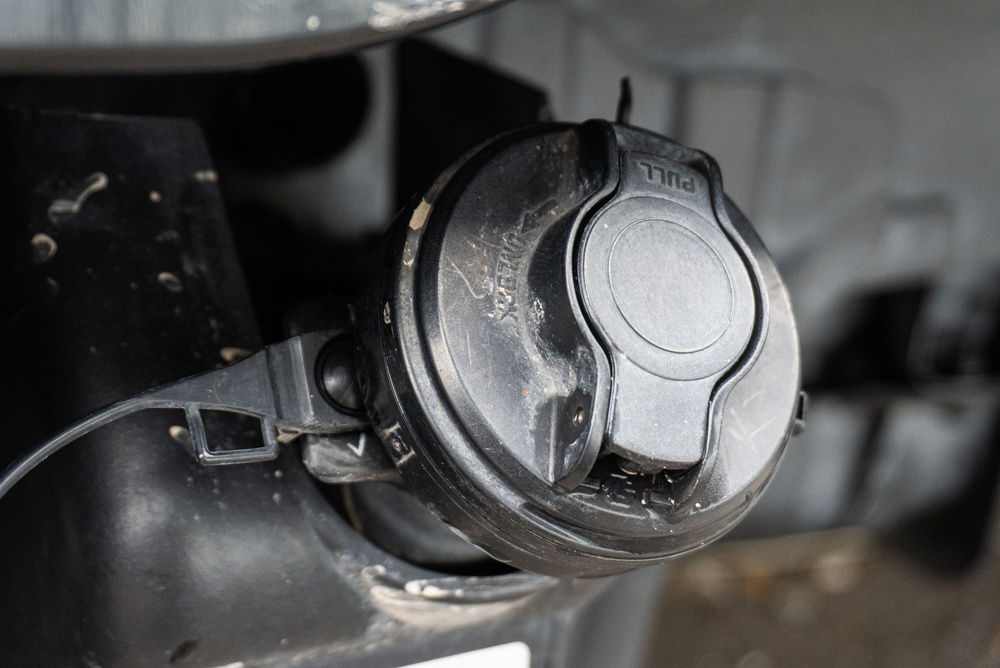
Your vehicle’s fuel tank holds the gasoline or diesel your engine needs to run. Fuel tanks are built to handle years of regular driving and daily use. Still, they can become damaged over time. Rust, corrosion, road debris, crashes, leaks, and other problems can eventually cause serious trouble. When the damage becomes too severe to repair, replacing the fuel tank may be the best way to keep your vehicle working properly.
A damaged fuel tank can cause more than an annoying car problem. Leaking fuel can create a serious safety risk for you and others. Problems within the fuel system can also affect how your vehicle runs. Strange smells, visible leaks, or other warning signs deserve quick attention. Having your vehicle inspected can help you understand the problem, learn your options, and choose the safest and most practical next step.
Facing a car fuel tank replacement can feel like a big decision. You may wonder what went wrong, how much repairs could cost, and whether fixing your vehicle still makes sense. These five steps can make that decision easier. You will learn how to spot possible fuel tank problems, understand your replacement choices, compare repair costs, and decide whether repairing, replacing, selling, trading, or donating your vehicle makes the most sense.
Step 1: Recognize the Signs of a Damaged Fuel Tank
Fuel tank problems are not always easy to notice right away. Your vehicle may continue running even when something needs attention. However, certain warning signs can point to trouble with the tank or another fuel-system part. Knowing what to watch for can help you catch a problem sooner. Pay attention to unusual fuel smells, visible leaks, rust, physical damage, and other changes that appear around your vehicle or fuel system.
One of the clearest warning signs is fuel leaking underneath your vehicle. You might notice a puddle after your car has been parked for some time. You may also see wet areas or other signs of leaking fuel. A strong gasoline or diesel smell can also point to a leak somewhere within the fuel system. These signs should not be ignored, especially when they continue or become more noticeable over time.
Rust and corrosion are also important warning signs, especially on metal fuel tanks. A small amount of surface rust does not always mean replacement is needed. Severe corrosion is more concerning because it can weaken the tank and lead to leaks. Crashes, road debris, deep potholes, and other impacts can also damage a fuel tank. Even damage that looks small from the outside may deserve a closer professional inspection.
Vehicle fuel is highly flammable, so visible leaks and strong fuel smells need attention. Major tank damage should also be taken seriously. Driving a vehicle with a suspected fuel leak may create unnecessary risk. Instead, seek professional guidance and have the vehicle inspected as soon as possible. A technician can help locate the problem and explain what needs attention before you make decisions about repairs, replacement, or your vehicle’s future.
Step 2: Have the Fuel Tank Professionally Inspected
A professional inspection can show whether your fuel tank is actually damaged. It can also uncover problems with other parts of the fuel system. Modern fuel systems include much more than the tank itself. Fuel pumps, lines, hoses, seals, sensors, vents, and other parts work together to store and deliver fuel. A trained technician can inspect these parts and help identify the true source of your vehicle’s problem.
A leak near your fuel tank does not always come from the tank. A damaged hose, loose connection, worn seal, or another part may cause it. Finding the real source matters because you do not want to replace a tank unnecessarily. A careful inspection gives you better information before you spend money on repairs. It can also help uncover related fuel-system problems that may need attention during the same service visit.
A technician can check your tank for rust, cracks, impact damage, and other concerns. They can also look at nearby parts that may contribute to the problem. Inspection and repair steps can differ greatly between vehicles, so technicians should follow the manufacturer’s service information. A proper inspection gives you a clearer picture of the damage and helps you understand which repair option makes the most sense for your specific vehicle.
Repair vs. Fuel Tank Replacement
A damaged fuel tank does not always need to be completely replaced. The right choice depends on the tank material, location of the damage, type of damage, and overall condition. Some problems may involve another fuel-system part instead of the tank. A professional inspection can help separate smaller repair needs from serious tank damage. That information can save you from paying for work your vehicle does not actually need.
Some fuel-system problems can be fixed by repairing or replacing a connected part. The tank itself may still be in good working condition. However, heavy corrosion, cracks, punctures, and serious structural damage can make replacement more practical. Your technician can explain what they found and why a certain repair is recommended. Understanding the reason behind the recommendation can help you make a more confident decision about the work.
Before approving repairs, ask for a written estimate that explains the recommended work. The estimate should also identify related parts that may need service or replacement. This gives you a better idea of the complete repair cost before work begins. You can ask questions about anything you do not understand. Knowing exactly what your vehicle needs makes it easier to compare your choices and decide how much you want to invest.
Step 3: Understand Your Replacement Fuel Tank Options
When your vehicle needs a replacement tank, choosing the correct part matters. Fuel tanks come in different sizes, shapes, capacities, materials, and designs. They can be made from metal or plastic, depending on the vehicle. Mounting points and fuel-system connections can also vary. A tank that looks similar may not work with your car. The replacement needs to match the requirements of your specific vehicle and its fuel system.
Compatibility matters because your tank works as part of a larger fuel and emissions system. The correct replacement should match your vehicle’s year, make, model, engine, fuel type, and fuel-system requirements. Using the proper tank helps ensure that mounting points and connections work as intended. A repair professional or trusted parts supplier can help confirm compatibility before installation, reducing the chance of buying a tank that does not fit properly.
OEM vs. Aftermarket Replacement Fuel Tanks
You may have a choice between an original equipment manufacturer tank and an aftermarket tank. These are often called OEM and aftermarket parts. Understanding the difference can help you compare your choices. The best option for your vehicle depends on compatibility, quality, price, availability, and your specific repair needs. Your repair shop can explain which tanks are available and which choices are designed to work with your particular vehicle.
OEM parts are designed around the specifications established for a particular vehicle. Aftermarket tanks are made by third-party companies and may give you more choices at different prices. Either type still needs to be compatible with your vehicle. Ask about the manufacturer, warranty, construction, and fit before making your choice. Knowing what you are buying can help you feel more confident about the replacement part going into your vehicle.
Price should not be your only concern when choosing a replacement tank. Make sure the tank is designed for your specific vehicle and meets applicable safety and emissions requirements. You should also consider its fuel capacity, construction material, mounting needs, and connections. These details affect how well the tank works with your existing fuel system. Comparing the complete picture can help you choose a replacement that meets your vehicle’s actual needs.
Step 4: Consider Fuel Tank Replacement Costs
Fuel tank replacement costs can vary greatly from one vehicle to another. Your vehicle’s year, make, model, and tank design can all affect the price. The replacement part you choose also matters. Local labor rates and the location of the tank can change the final cost as well. Because so many factors are involved, getting an estimate for your specific vehicle gives you more useful information than relying on a general price.
The replacement tank is only one part of the total repair bill. Labor can make up a large share of the cost because technicians must safely reach and remove the old tank. They then need to install the replacement and reconnect the fuel system correctly. Your vehicle’s design and current condition can affect how much work is required. Other worn or damaged parts may also need attention while the fuel tank is being replaced.
These additional parts can include the fuel pump, fuel-level sensor, mounting straps, seals, hoses, and other connected components. Ask your repair shop whether these items are already included in the estimate. Some may cost extra when replacement becomes necessary. Understanding these possible expenses before work begins can prevent surprises later. It also gives you a more complete repair total to compare with your vehicle’s current condition, age, and approximate value.
A written estimate can make your decision much easier. You can see the expected parts and labor costs instead of guessing about the total. You can also compare the repair expense with your vehicle’s condition and approximate value. Ask questions about charges that are unclear or unexpected. Having those details in front of you can help you decide whether replacing the fuel tank is a reasonable investment for your vehicle right now.
Can You Replace a Fuel Tank Yourself?
Replacing a fuel tank is usually more complicated than regular car maintenance. The job involves highly flammable fuel and work underneath your vehicle. It may require safely raising and supporting the vehicle, disconnecting fuel and electrical connections, removing mounting hardware, and handling the old tank. Each step brings risks that require proper tools, knowledge, and care. This is very different from completing a simple oil change or replacing a filter.
The exact replacement process also differs from one vehicle to another. A method that works for one model may not apply to another. Manufacturer service information may explain how the fuel system should be serviced and how replacement parts should be installed. Following those instructions matters because fuel tanks connect with several other vehicle systems. Correct installation can help ensure the replacement tank and related components work together as they were designed.
Because of these risks, professional replacement is often the safer and more practical choice. A trained technician has the equipment and knowledge needed to handle fuel safely. Anyone considering DIY replacement should fully understand the hazards before starting the job. Proper training, tools, equipment, and vehicle-specific service instructions are important. Saving money on labor may sound appealing, but fuel-system work requires extra care because mistakes can create serious problems.
Step 5: Decide Whether Fuel Tank Replacement Is Worth It
Learning that your vehicle needs a new fuel tank does not mean you need another car. A newer vehicle in otherwise good condition may still have many useful years ahead. Completing the repair could allow you to keep driving without taking on the cost of another vehicle. Look at the fuel tank problem as part of your vehicle’s bigger picture. Its age, condition, value, and other repair needs can guide your decision.
The choice can become harder with an older vehicle that already needs more work. Start by comparing the fuel tank replacement estimate with your vehicle’s approximate value and overall condition. Think about how reliably the vehicle has been running and what other work may be coming soon. Looking beyond one repair gives you a better idea of what keeping the vehicle could cost over the coming months or years.
Consider other major services your vehicle may need, including tires, brakes, suspension work, engine repairs, or bodywork. One repair may feel manageable on its own. Several expensive repairs happening close together can change how much you want to spend. Add up the work you already know about and ask your technician about other concerns. This broader view can help you decide whether repairing your current vehicle still makes financial sense for you.
Think about how long you plan to keep the vehicle as well. A major repair may make more sense when you hope to drive the car for several more years. The same expense may feel less worthwhile when you already plan to replace the vehicle soon. Your transportation needs also matter. Consider how much you depend on the vehicle and what buying another car would mean for your budget before making your final choice.
There is no single repair-cost number that tells every driver what to do. Your vehicle, budget, transportation needs, and plans are unique. Looking at the complete condition of your car can help you make a choice that fits your situation. You can compare repairing the tank with replacing, selling, trading, or donating the vehicle. Having several options means you can choose the path that makes the most practical sense for you.
Donating a Vehicle With Fuel Tank Problems
You still have options when replacing the fuel tank no longer makes sense. Selling or trading the vehicle may work, but donation can also be worth considering. Vehicle donation gives you another way to move on from a car that needs major repairs. This can be especially useful when you no longer want to spend more money fixing an older vehicle or dealing with a fuel-system problem that keeps it off the road.
Goodwill Car Donations accepts many types of vehicles, including cars, trucks, motorcycles, recreational vehicles, boats, and personal watercraft. Both running and non-running vehicles may qualify, depending on acceptance requirements. This means a fuel tank problem does not automatically prevent you from exploring donation. You can provide information about your vehicle and learn whether it qualifies before making a final decision about what you want to do with it.
The donation process starts by sharing basic information about your vehicle. Goodwill Car Donations can use those details to determine whether the vehicle can be accepted. Free towing can be arranged for eligible donations, so you do not need to worry about driving the vehicle yourself. Pickup may be available from homes, repair shops, and other locations. This can be especially helpful when fuel tank damage makes your vehicle unsafe or impractical to drive.
Title requirements can vary from one state to another. That means the paperwork you need may depend on where your vehicle is registered. You do not need to guess about the requirements. Donors with title or paperwork questions can contact Goodwill Car Donations for guidance. Getting help before pickup can make the process easier and help you understand what documents you may need to provide for your specific vehicle and location.
After your vehicle is picked up, you will receive the appropriate documentation for your donation. Keep these records with your important paperwork for future reference. You can also learn more about how vehicle donations support participating organizations and programs through Goodwill Car Donations. When a major fuel tank repair no longer makes sense for you, donation gives you another practical option for moving forward with an unwanted vehicle.
FAQs About Car Fuel Tank Replacement
How much does it cost to replace a car fuel tank?
The cost of replacing a fuel tank depends on your vehicle and repair needs. Your replacement tank, local labor rates, and related fuel-system work can all affect the total. The tank itself is only one part of the final repair bill. Other components may need service at the same time. A repair shop can inspect your vehicle and provide an estimate based on the specific problem, parts needed, and work required.
Is it easy to replace a fuel tank?
Replacing a fuel tank can be a complex job because you are dealing with flammable fuel. Many important parts are also located underneath the vehicle. The correct procedure can vary by make, model, and fuel-system design. Professional replacement may be the safer and more practical choice for many vehicle owners. A trained technician has the tools and experience needed to remove the old tank and install the replacement correctly and safely.
Is gas tank replacement worth it?
Whether gas tank replacement makes sense depends on your vehicle’s age, value, condition, and repair estimate. You should also consider how long you plan to keep the vehicle and whether other major repairs are coming soon. Compare the tank replacement cost with the bigger cost of keeping or replacing your vehicle. When repairing the tank no longer fits your plans, selling, trading, or donating the vehicle gives you other choices to consider.