Take These 5 Steps When Your Car Has Front Axle Problems
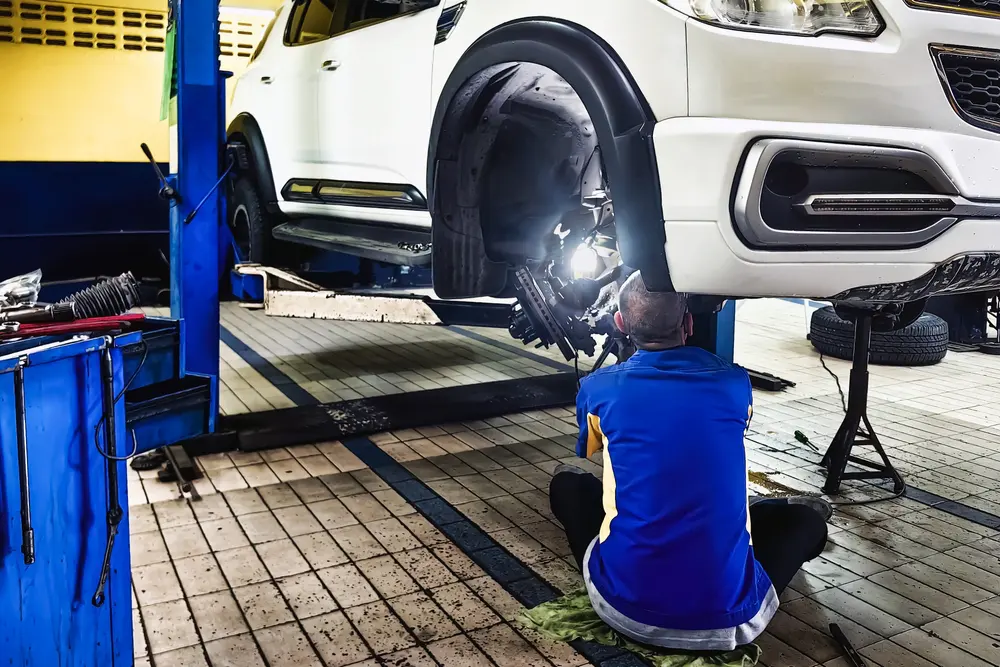
Car front axle problems can begin with something as simple as a clicking noise while turning or a vibration during acceleration. If left unaddressed, however, a damaged axle or CV joint can eventually prevent your vehicle from transferring power to its wheels.
If you suspect a problem, you do not necessarily need to schedule a front axle replacement right away. Understanding the symptoms, getting an accurate diagnosis and comparing the repair cost with your vehicle’s value can help you make a more informed decision.
Here are five steps to take when your vehicle shows possible signs of front axle trouble.
Step 1: Recognize the Signs of Car Front Axle Problems
On many front-wheel-drive vehicles, two CV axles transfer power from the transmission or transaxle to the front wheels. These parts may also be called half shafts or axle shafts. Constant velocity, or CV, joints at the ends of the axles allow the wheels to keep receiving power as the suspension moves and the vehicle turns.
Several symptoms may point to a bad CV axle, although tires, wheel bearings, suspension parts or other drivetrain problems can cause similar issues. Pay attention to when and how each symptom happens so you can describe it clearly to a technician.
Clicking Noise While Turning
A repeated clicking or popping noise while turning is one of the most common bad CV axle symptoms. The sound is often linked to wear in an outer CV joint and may become easier to notice during tight turns.
Notice whether the sound happens only when turning in one direction, during sharp turns or while accelerating through a turn. If you can do so safely, recording the sound may also give your technician helpful information.
Clunking or Knocking From the Front of the Car
A worn axle or drivetrain part may cause a clunk when you accelerate, slow down or shift between drive and reverse. However, a clunk does not always mean the CV axle has failed because transmission mounts and other drivetrain parts can cause similar noises.
Instead of replacing parts based on the sound alone, note when the noise occurs and have the vehicle inspected.
Vibration While Driving
Unusual vibration during acceleration may also point to a damaged CV axle or joint. The speed at which the vibration starts can help with diagnosis, so notice whether you feel it at low speeds, highway speeds or mostly while accelerating.
Vibration can also come from tires, wheels, wheel bearings and suspension problems. A professional inspection is the best way to tell these possible causes apart.
Grease Around the Wheel or a Torn CV Boot
CV joints contain grease and are protected by flexible rubber boots. When a CV boot tears, grease can leak out while dirt, water and road debris can enter the joint.
Check for grease around the inside of the wheel or visible cracks and tears in the boot. A damaged boot should be addressed quickly because lost lubrication and added contaminants can cause the CV joint to wear faster.
A Vehicle That Will Not Move Normally
Severe axle failure can interrupt the transfer of power to a drive wheel. If your vehicle suddenly does not move normally, a wheel seems to bind or you notice severe vibration or other sudden drivetrain problems, stop driving.
Continuing to drive with a badly damaged axle can cause additional problems. Arrange for professional help or towing instead of trying to drive the vehicle to a repair shop.
Step 2: Understand What Can Cause a CV Axle to Fail
Normal wear can cause CV axle problems, but the protective CV boot also plays an especially important role.
A crack or tear allows grease to escape and contaminants to get inside. Once the joint loses lubrication or becomes contaminated, its internal surfaces may wear much faster. Finding boot damage before the joint starts clicking or develops too much play may give you more repair options.
Road impacts can also damage axle shafts and nearby parts. If symptoms started after you hit a pothole, curb or road debris, tell your technician. That detail can help determine whether the axle, wheel, wheel bearing, steering or suspension system needs attention.
Vehicle modifications can also make a difference. Lifted vehicles may place their CV axles at steeper angles than originally intended, which may put more stress on the joints and boots.
The location of the wear can also affect the symptoms. Outer CV joint problems are often linked to clicking during turns. Inner CV joint or axle problems may be easier to notice as vibration or clunking during acceleration.
Step 3: Have the Front Axle Properly Diagnosed
Drivers can make a few basic observations without taking the axle apart. You can check for grease near the wheels, inspect accessible CV boots for cracks and track the conditions that cause clicking, clunking or vibration.
Beyond those basic checks, axle diagnosis is usually best handled by a qualified technician. CV axle replacement requires lifting and supporting the vehicle, disconnecting suspension and steering parts and removing the axle from the transmission or differential. RepairPal recommends that this work only be attempted by people with substantial repair experience and access to vehicle-specific information.
A technician may inspect the boots and joints, check the axle and related parts and take the vehicle for a test drive to reproduce the problem.
This step matters because not every click, vibration or wobble comes from the axle. Tire defects, damaged wheels, worn wheel bearings, alignment issues and suspension wear can cause similar symptoms.
Ask the repair shop to explain what failed and why it recommends a specific repair. If the estimate seems unusually high or the diagnosis remains unclear, getting a second professional opinion may be worthwhile.
Step 4: Compare Front Axle Repair and Replacement Options
The right repair depends on how much damage has already occurred.
Can You Repair a Torn CV Boot?
If you find a torn CV boot before the joint has serious damage, repairing or replacing the boot may sometimes be possible. The joint still needs an inspection because dirt, moisture or lost grease may have already caused wear.
Once a CV joint starts clicking, becomes loose or suffers other damage, shops often recommend replacing the complete CV axle assembly. In many cases, the labor needed to remove and service the axle makes full replacement more practical than rebuilding the existing assembly.
Do Both CV Axles Need to Be Replaced?
Not always. Most front-wheel-drive vehicles have two front CV axles, but a problem on one side does not automatically mean the other axle has failed.
Ask the technician to inspect the other axle and its boots. Replacing it may make sense if it has similar wear or damage, but replacing both axles simply because one has failed is not always necessary.
How Much Does Front Axle Replacement Cost?
Costs can vary greatly based on the vehicle, the part being replaced, local labor rates and whether related parts also need service.
RepairPal’s August 2026 national estimate puts average CV axle replacement at about $1,282 to $1,381 before taxes, fees, location differences or related repairs. Its average estimate for axle shaft replacement is about $963 to $1,082.
Your actual estimate may be much higher or lower. Ask for a written quote that lists parts and labor, and find out whether the shop recommends an original equipment manufacturer part, a new aftermarket axle or another replacement option.
Step 5: Decide Whether Front Axle Replacement Is Worth It
For a newer vehicle that is otherwise in good condition, repairing a failed CV axle may be an easy choice. The decision can become harder when an older vehicle already needs other costly repairs.
Compare the axle repair estimate with the vehicle’s current value, mileage and overall condition. Then think about future costs such as tires, brakes, suspension work, engine repairs or transmission problems.
A $1,000 repair may make sense for a dependable vehicle you plan to keep for years. That same repair may be harder to justify for a low-value vehicle with several other major problems.
There is also no reliable answer to the question, “How long can I drive with a bad front axle?” Once symptoms begin, the speed of the damage depends on its type and severity, road conditions and other factors. RepairPal notes that there is no set timetable for how quickly a worn CV joint will progress toward failure.
If you are unsure whether your car is worth another major repair, consider what you would need to spend to make it dependable again, not only what today’s axle repair will cost.
When Donating a Car with a Broken Axle Makes Sense
Sometimes another repair simply may not be worth the cost. If an older or damaged vehicle has reached that point, donating it may provide an alternative to continuing to spend money on repairs.
Goodwill Car Donations accepts many types of vehicles, including running and non-running vehicles, subject to program guidelines. This means an axle problem does not automatically prevent your vehicle from being considered for donation.
You can start by completing the vehicle donation form or contacting Goodwill Car Donations. After you provide information about your vehicle, pickup can be arranged at no cost to you. You can also visit the Goodwill Car Donations locations page for information about donating a vehicle in your area.
After a donated vehicle is processed and sold through the program’s channels, proceeds support the missions of participating Goodwill organizations. These organizations provide services such as employment assistance, job training and other forms of community support.
Vehicle donations may also provide a federal income tax deduction when IRS requirements are met. The amount and required documents depend on factors such as how the vehicle is handled and its final sale price. Review the Goodwill Car Donations FAQs for more information about receipts and the donation process, and consult a qualified tax professional if you have questions about your specific situation.
Don’t Ignore a Suspected Front Axle Problem
Clicking during turns, unexplained vibration, clunking and leaking CV joint grease all deserve attention. The sooner you find the cause, the better your chance of addressing the problem before it becomes more serious.
Have suspected car front axle problems inspected by a qualified technician and compare the recommended repair with your vehicle’s condition and value. If front axle replacement no longer makes financial sense, Goodwill Car Donations can offer another way to move on from an unwanted vehicle while helping support programs in communities across the country.